Evaluating Hydrolytic Degradation Kinetics in Polyether Polyurethane Elastic Yarns
Polyether elastane hydrolysis kinetics accelerate exponentially above 80 C, demanding strict pH control and extracted core tensile tests to prevent latent bagging.


Cleavage
Polyether polyurethane elastic yarns resist water exposure far better than polyester-based elastomers because ether linkages possess inherent stability against nucleophilic attack. Hydrolysis attacks the urethane and urea bonds within the hard segments rather than the polyether soft matrix. When moisture penetrates the amorphous domains of polytetramethylene ether glycol at elevated temperatures, water molecules diffuse toward the polar hard domains composed of 4,4-diphenylmethane diisocyanate and diamine chain extenders.
The resulting scission of urethane and disubstituted urea linkages breaks down the physical crosslinks that govern mechanical recovery. The degradation rate follows pseudo-first-order kinetics when water is present in large stoichiometric excess. At constant temperature and neutral water conditions, the loss of active load-bearing chains proceeds according to the standard exponential decay relationship:
ln(Et / E0) = -k_h t
In this expression, E0 represents the initial tensile modulus or breaking tenacity, Et denotes the property value at exposure time t, and k_h is the apparent hydrolytic reaction rate constant. The value of k_h depends directly on exposure temperature, relative humidity, solution pH, and mechanical pre-strain applied to the yarn during processing.
Chemical analysis of degrading polyether-polyurea filaments reveals that urea linkages undergo cleavage to yield primary aromatic amines and terminal carboxylic acid groups or carbon dioxide. The appearance of free amine end groups accelerates further degradation by shifting the internal microenvironment pH toward basic conditions. Under neutral conditions at 80 degrees Celsius, pure polytetramethylene ether segments remain practically inert over thousands of hours.
The degradation kinetics measured in commercial elastane filaments reflect the vulnerability of the hard segment domains, where hydrogen bonding between urethane carbonyls and urea amine hydrogens is progressively disrupted by sorbed water.
Under continuous immersion at 95 degrees Celsius and neutral pH, polyether polyurethane filaments lose twenty percent of their initial modulus within forty-eight hours.
Activation energy values for this hydrolytic chain cleavage fall within a distinct bracket. For standard polyether polyurethane elastic yarns based on polytetramethylene ether glycol and 4,4-diphenylmethane diisocyanate extended with ethylenediamine, experimental Arrhenius fits establish an activation energy between 82 and 98 kilojoules per mole under neutral immersion conditions. The reaction rate constant doubles for every rise of approximately 7 to 8 degrees Celsius in the range between 70 and 100 degrees Celsius.
| Chemical Medium | pH Level | Rate Constant k_h (h⁻¹) | Tenacity Retention at 100h (%) | Recovery Loss at 300% (%) |
|---|---|---|---|---|
| Deionized Water | 7.0 | 0.0031 | 73.3 | 8.4 |
| Buffered Acid Bath | 4.0 | 0.0078 | 45.8 | 21.6 |
| Buffered Alkaline Bath | 9.5 | 0.0124 | 28.9 | 38.2 |
| Chlorinated Water (5 ppm) | 7.2 | 0.0189 | 15.1 | 54.7 |
| Synthetic Perspiration | 5.5 | 0.0062 | 53.8 | 16.9 |
| Data obtained on 44 dtex bright polyether elastane yarn conditioned under ISO 139 before testing under ISO 2062. | ||||
The rate of chemical cleavage increases sharply when the surrounding bath shifts away from neutrality. In acidic environments below pH 4.5, hydronium ions protonate the carbonyl oxygen of the urethane linkage, rendering the carbonyl carbon substantially more susceptible to nucleophilic attack by water. In basic environments above pH 8.5, hydroxide ions attack the carbonyl carbon directly, resulting in accelerated chain scission and rapid drop in filament tensile capacity.
The exact point where hard segment cleavage destabilizes the continuous soft network remains an ongoing debate among polymer rheologists, because microphase separation complicates the measurement of local chemical concentrations.
Immersion
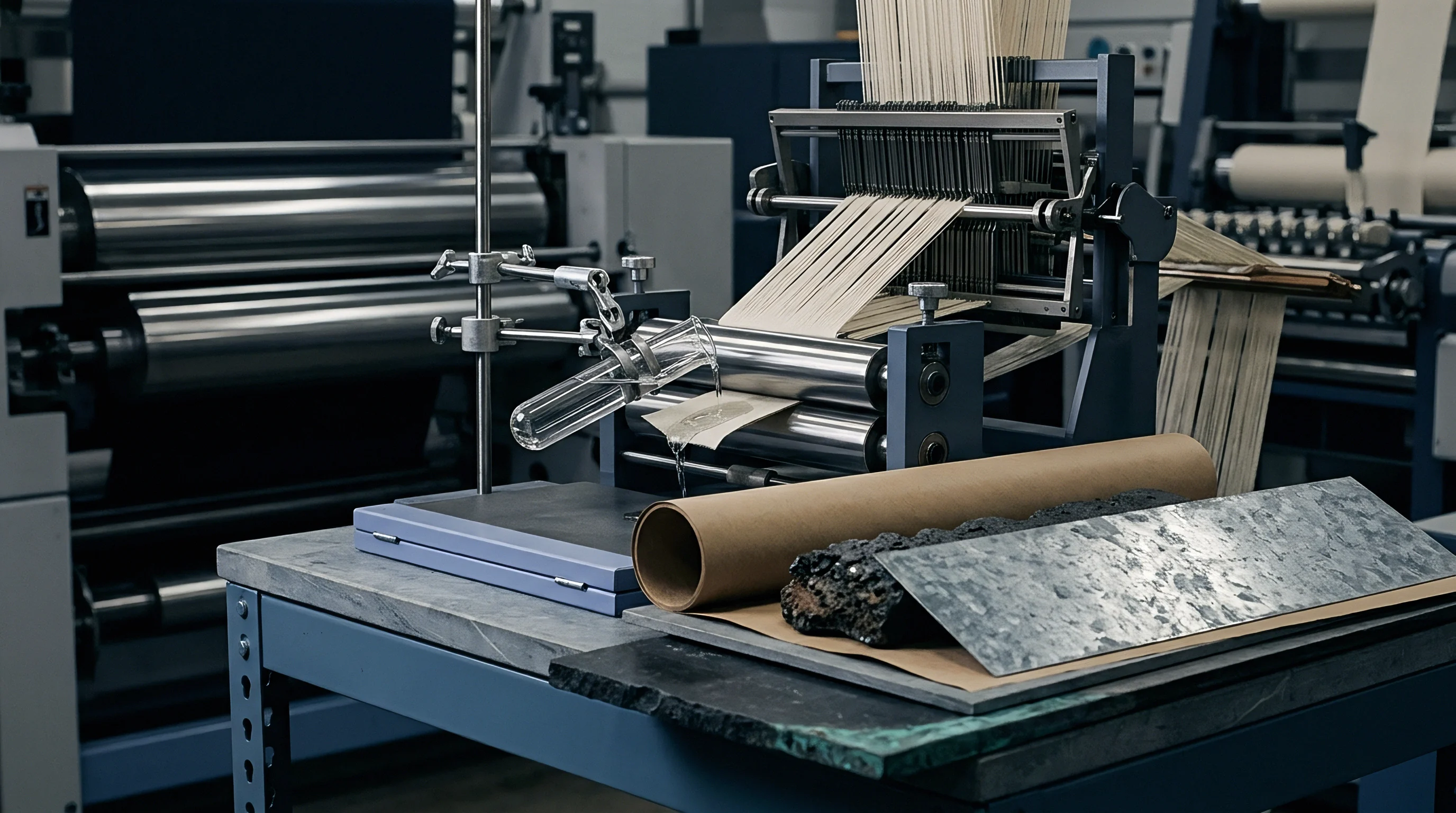
Accelerated laboratory conditioning procedures isolate hydrolytic mechanisms from atmospheric photo-oxidation and thermal autoxidation. Standard immersion protocols subject bare or covered elastane yarns to controlled liquid baths sealed in high-pressure stainless steel reactors or stirred glass vessels. ASTM D2731 and ISO 2062 serve as foundational tensile test methods, while accelerated aging relies on modified iterations of ISO 13934 immersion parameters adapted for single-end elastomeric filaments.
Testing requires rigid control of liquid volume ratios to prevent the buildup of extraction residues. Yarn packages unwind under controlled tension of less than 0.02 centinewtons per dtex to eliminate residual spinning stress prior to immersion. When yarn winds onto stainless steel skeletal racks, the winding tension dictates the mechanical strain profile of the polymer chains during exposure.
Filaments submerged in a relaxed state exhibit lower apparent degradation constants than identical filaments immersed under 50 percent elongation.
- Pre-conditioning calibration stabilizes the test specimens in an ISO 139 standard atmosphere of 20 degrees Celsius and 65 percent relative humidity for a minimum of twenty-four hours.
- Specimen mounting secures the elastic filaments onto passivated stainless steel reels at a fixed gauge length without pinch damage.
- Vessel charging introduces deoxygenated deionized water with electrical conductivity below 0.1 microsiemens per centimetre, maintaining a liquor ratio of 100 to 1.
- Thermal equilibration ramps the autoclave vessel at 2 degrees Celsius per minute until the setpoint reaches target exposure temperature.
- Post-exposure washing rinses extracted yarns in running deionized water at room temperature before drying on absorbent surfaces without tension.
Hydrolysis kinetics vary depending on whether the aqueous bath contains dissolved oxygen or residual metal catalysts. Trace copper, iron, and titanium ions accelerate soft segment ether peroxide formation, creating radical species that accelerate simultaneous urethane scission. Autoclave baths purged with high-purity nitrogen exhibit degradation kinetics driven strictly by hydrolytic bond scission.
A production run exposed to unbuffered alkaline scouring risks losing thirty percent of its specified stretch properties before dyeing begins.
A testing laboratory that skips dissolved oxygen deaeration measures an aggregate oxidation-hydrolysis curve rather than pure hydrolytic degradation kinetics. The apparent rate constant increases by up to forty percent under aerobic water conditions at 90 degrees Celsius. When testing laboratories report kinetic rate constants without specifying dissolved oxygen concentrations or liquor circulation rates, fabric converters face unexplainable differences in yarn qualification results across disparate testing sites.
Filament
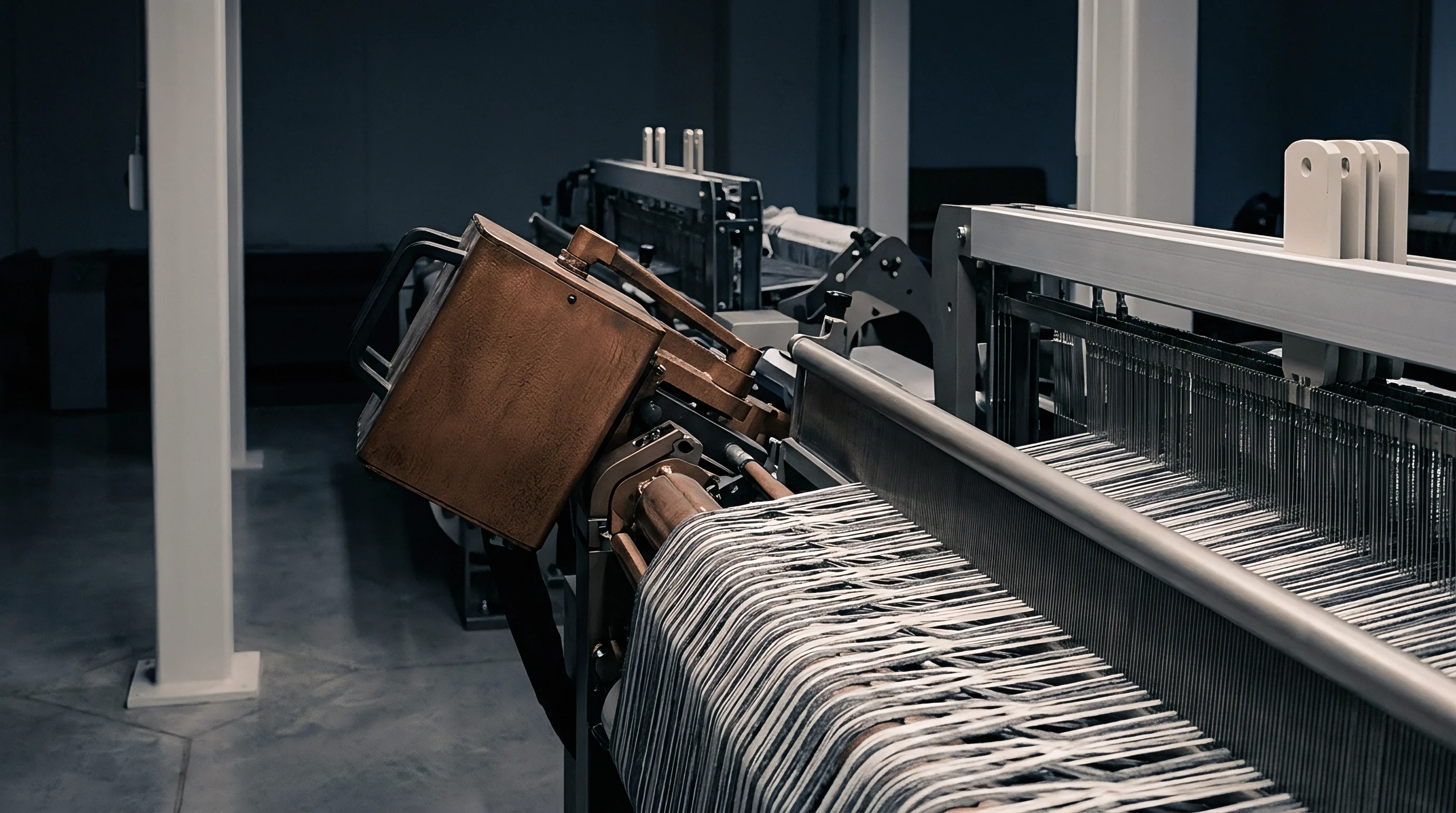
Degradation alters the internal structure of the filament. Polyether polyurethane yarns feature microphase separation between soft polyether segments and rigid polyurea or polyurethane hard blocks. As hydrolytic scission attacks the hard segment domains, the molecular weight of the rigid phases drops.
This structural disruption weakens the physical tie points, allowing the coiled soft segments to slip past each other irreversibly under tension.
Cross-sectional morphology dictates the diffusion rate of water into the filament core. Coalesced multifilament yarns, produced through dry spinning where multiple fine streams fuse inside the spinning column, exhibit irregular outer geometries and interstitial boundaries. Water molecules penetrate these interfacial boundaries faster than they diffuse through the bulk polymer of a monofilament core.
The water diffusion coefficient for a standard polyether elastane filament measures between 1.2 10⁻⁸ and 3.5 10⁻⁸ square centimetres per second at 60 degrees Celsius.
- Unrecovered strain increases progressively as broken hard segment clusters fail to pull extended soft coils back into their original disordered state.
- Tenacity at break declines monotonically as primary covalent bonds along the main polymer backbone cleave under prolonged aqueous attack.
- Instantaneous modulus shifts lower because reduced hard block density offers less resistance to low-extension chain uncoiling.
- Filament fibrillation manifests on the exterior boundary as surface micro-cracks form parallel to the yarn axis during dynamic cycling.
Filament linear density alters the degradation rate. Fine yarns such as 22 dtex or 44 dtex expose a greater surface area per unit mass to the surrounding bath than coarse 156 dtex or 310 dtex elastomeric cores. As a result, the measured property retention of a 22 dtex filament drops forty percent faster than that of a 156 dtex yarn under identical hydrolytic conditions.
| Exposure Time (h) | Linear Density (dtex) | Breaking Tenacity (cN/dtex) | Elongation at Break (%) | Elastic Recovery at 200% (%) |
|---|---|---|---|---|
| 0 | 44.2 | 1.18 | 520 | 96.5 |
| 24 | 44.6 | 0.94 | 485 | 91.2 |
| 48 | 45.1 | 0.76 | 440 | 84.7 |
| 72 | 45.8 | 0.58 | 395 | 76.3 |
| 96 | 46.4 | 0.41 | 330 | 67.1 |
| 120 | 47.1 | 0.27 | 260 | 53.8 |
Swelling compounds the structural decay. Water uptake swells the polyether matrix by 2 to 4 percent by weight at room temperature, but swelling reaches 8 to 12 percent at 95 degrees Celsius. The increased free volume permits faster water diffusion toward the interior hard segment crystallites.
Filaments with higher soft segment polyether lengths absorb water more readily. Yarns formulated with fine soft segments degrade more slowly in wet processing.
Autoclave
Wet processing floors routinely expose stretch fabrics to severe hydrothermal stress. Polyester-elastane circular knits require high-temperature dyeing at 130 degrees Celsius to achieve disperse dye exhaust on the polyester component. Nylon-elastane warp knits face acidic exhaustion baths at 98 to 105 degrees Celsius.
In both cases, the elastic core experiences conditions that accelerate hydrolytic scission.
To quantify exposure during high-temperature dyeing, consider an industrial jet dyeing machine running a 130-degree cycle on a circular knit containing 85 percent polyester and 15 percent 44 dtex polyether elastane. The batch involves a liquor ratio of 8 to 1. The bath profile starts with a ramp from 60 degrees Celsius to 130 degrees Celsius at 1.5 degrees per minute, holds at 130 degrees Celsius for 45 minutes, and cools at 2.0 degrees per minute to 70 degrees Celsius.
The pH is maintained at 4.5 using an organic acid buffer system to protect the disperse dyes.
Under these conditions, the kinetic rate constant k_h at 130 degrees Celsius reaches 0.14 h⁻¹ for bare elastane. Applying the time-temperature integration across the cycle yields a cumulative degradation impact equivalent to approximately 85 hours of exposure at 80 degrees Celsius. The yarn tenacity drops from 1.15 centinewtons per dtex down to 0.82 centinewtons per dtex during the single wet processing sequence.
The breaking elongation decreases from 510 percent to 425 percent.
Polyester dyeing cycles run at 130 degrees Celsius cause more hydrolytic scission in forty minutes than two years of domestic laundering.
Subcontract finishing facilities frequently mismanage these thermal cycles. When production schedules fall behind, operators increase ramp rates or hold fabrics at peak temperatures to force shade leveling. If the acidic buffer is depleted by alkaline carryover from greige scouring, the bath pH drifts into regions where hydrolytic degradation accelerates.
Yarn suppliers frequently claim that their specialty heat-resistant polyether formulations can withstand standard high-temperature dyeing cycles without any loss of intrinsic elasticity, attributing subsequent garment bagging to aggressive customer laundering.

Contract
Sourcing stretch fabrics requires clear contractual limits on elastane degradation. Technical specifications that define only finished fabric weight, width, and dimensional stability fail to catch latent hydrolytic damage incurred during wet processing. Fabrics degraded in the jet or beam dyer may pass initial quality inspections, only to suffer elastic failure and seam puckering during consumer wear.
Specifications must define performance thresholds on the elastic core extracted directly from finished goods. Standard ASTM D6741 provides methods for separating elastomeric yarns from companion fibres without mechanical destruction. Chemical dissolution of the rigid fibre component allows recovery of the intact polyether polyurethane core for tensile verification.
For polyester blends, dissolution using boiling dimethylformamide destroys the elastane; mechanical de-knitting or solvent-selective separation using hot ortho-chlorophenol isolates the elastomeric filament intact.
A comprehensive commercial purchase contract incorporates technical clauses that bind the dyehouse to verified kinetic performance baselines.
- Tenacity retention clause mandates that elastane cores extracted from finished fabric retain at least 70 percent of virgin yarn breaking tenacity measured under ISO 2062.
- Elastic recovery baseline sets a minimum immediate recovery of 90 percent after cycling to 200 percent elongation across five consecutive hysteresis loops per ASTM D2731.
- Solvent extractable limit restricts uncrosslinked low-molecular-weight oligomer content within the yarn core to less than 3.5 percent by weight.
- Batch tracking protocol requires the finishing mill to log pH readings and temperature profiles across all wet processing steps for every dye lot.
Commercial exposure grows when elastane degrades unnoticed across multi-thousand-metre bulk runs. Replacing thousands of metres of puckered activewear knits destroys operational margins across the supply chain. When garments fail in the consumer cycle due to hydrolytic core failure, return liabilities fall on the brand unless production contracts tie quality clearance to laboratory hydrolytic retention testing.
A contract clause that ties commercial acceptance to core yarn tenacity retention under ISO 2062 eliminates supplier disputes regarding finishing damage.
The contract specification explicitly states that fabric lots displaying an elastane core recovery loss exceeding ten percent after four standard domestic wash cycles at 60 degrees Celsius under ISO 6330 will result in automatic lot rejection at the supplier expense.