Chemical Treatment
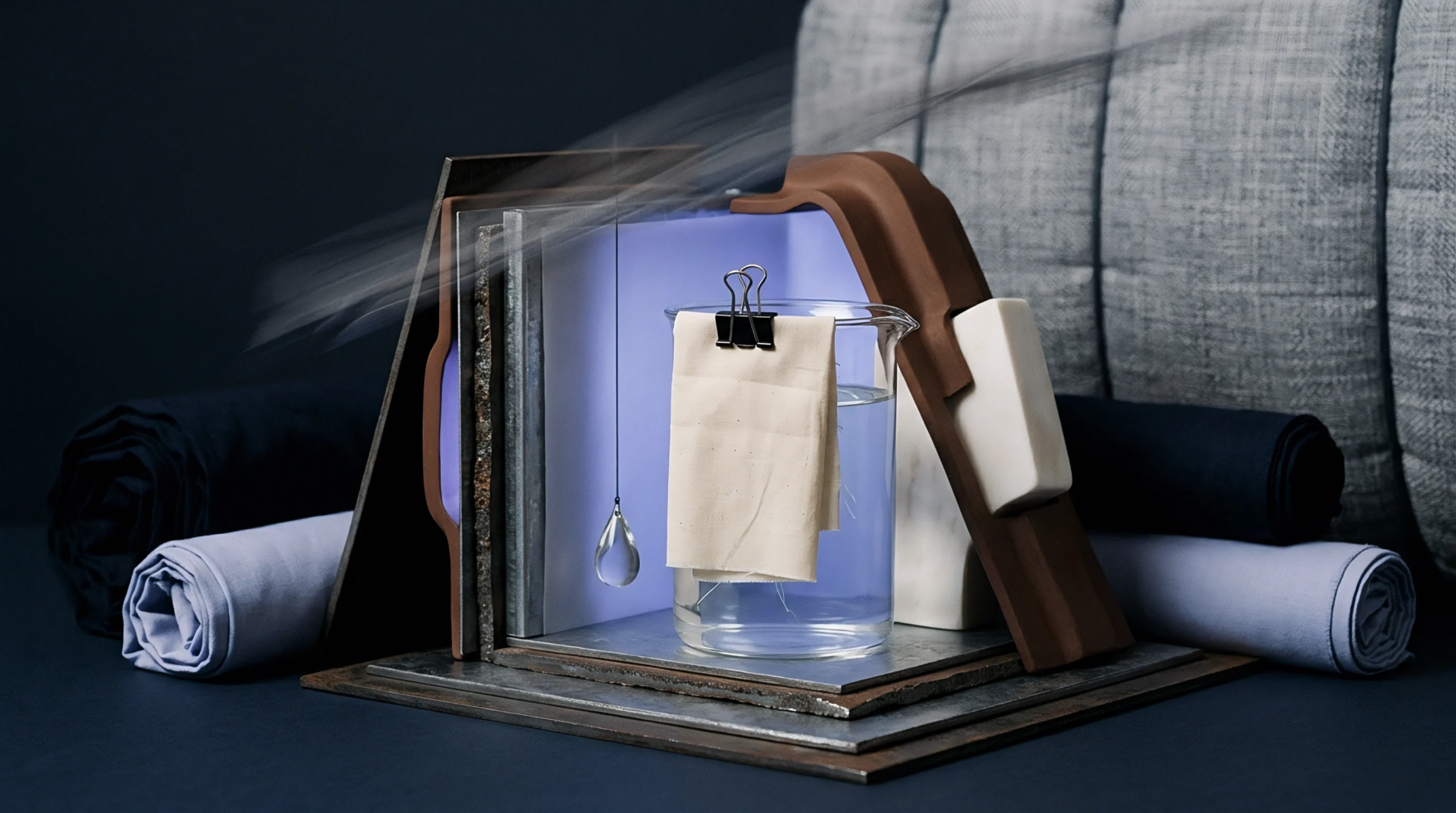
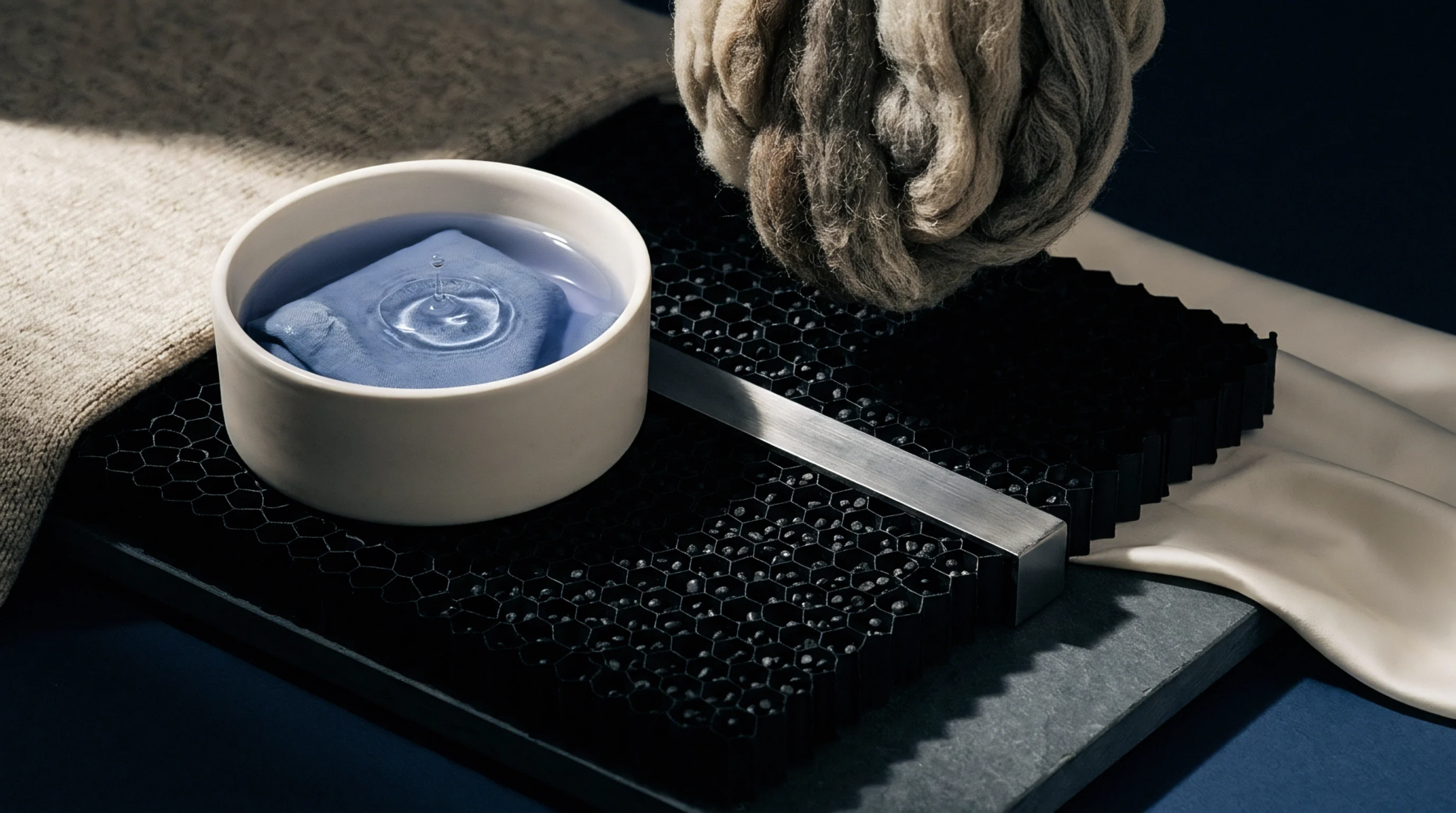
Industrial liquid operations applied to textile yarns or fabrics alter aesthetic properties, color depth and functional surface characteristics. Wet processing includes scouring, bleaching, dyeing and finishing sequences carried out in aqueous medium. Raw grey goods undergo these sequential chemical baths to remove natural impurities, impart permanent color and apply functional finishes such as water repellency.
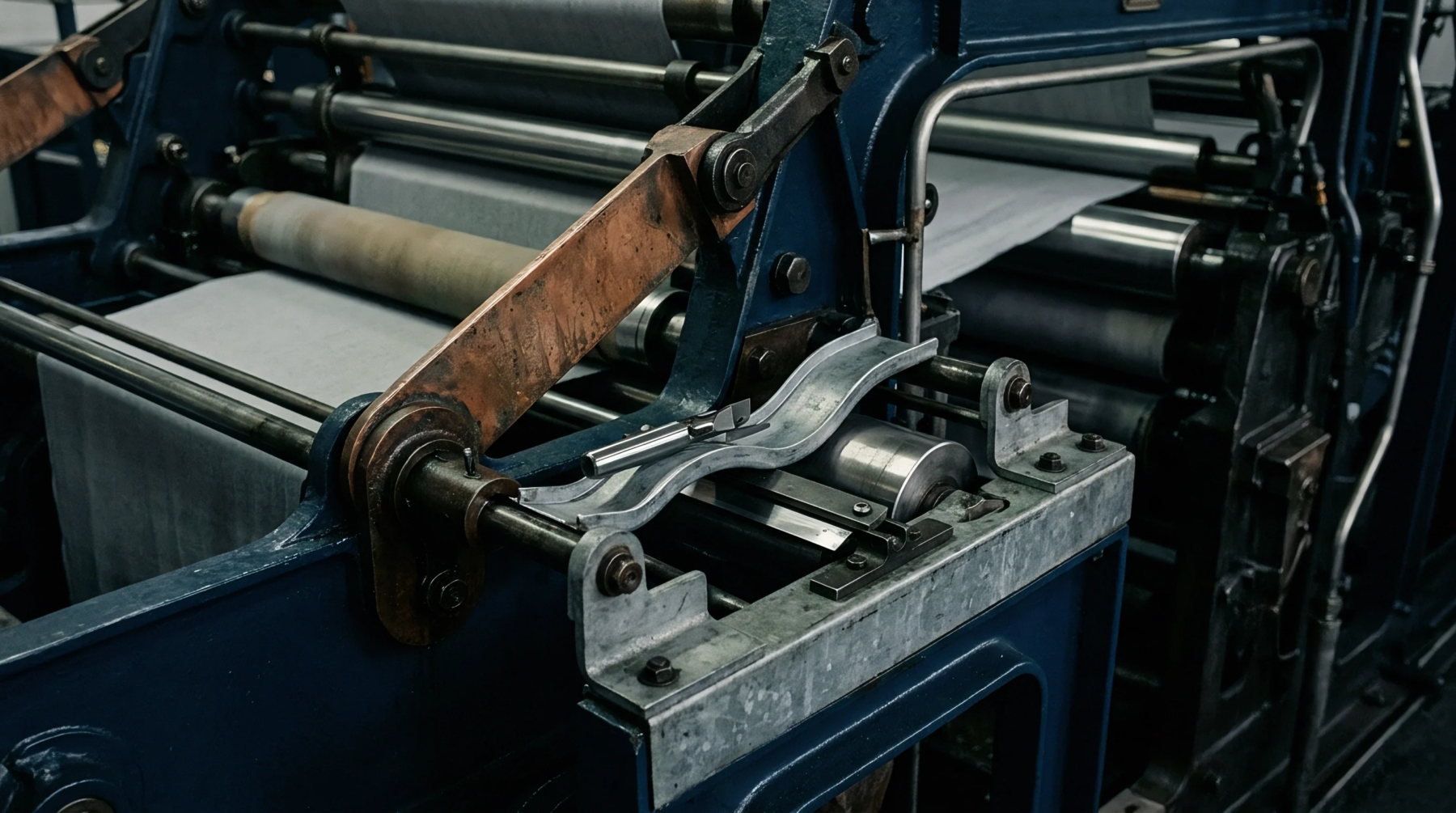
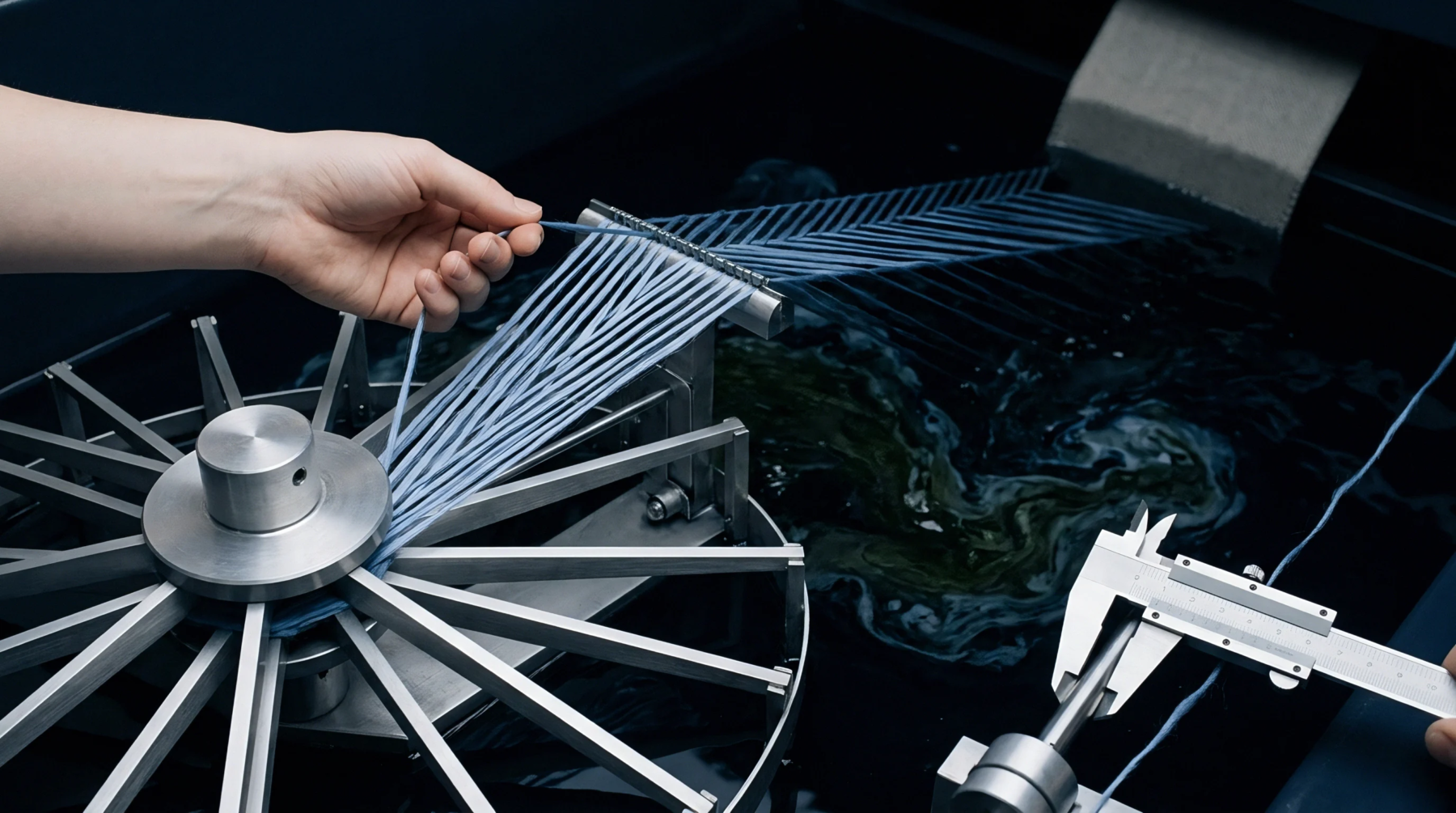
Mill operations utilize dedicated machinery such as jet dyers, padders and continuous ranges to execute precise liquid treatments.
Process Sequence
Preparation steps remove natural waxes, sizing agents and dirt from raw fabrics before color application begins. Scouring open-width cotton goods in alkaline solutions improves absorbency, enabling rapid, uniform dye penetration during subsequent dyeing cycles. Skipping preparation steps causes unlevel shade development and fabric streaking across finished rolls.
Proper sequence execution ensures consistent chemical bonding between dyes or finishing agents and fiber substrates.
Water Management
Industrial dyehouses consume substantial volumes of fresh water and thermal energy to execute chemical treatment stages. Modern processing mills implement water recycling systems, counter-current washing units and low liquor ratio machinery to lower environmental impact. Efficient chemical recovery reduces wastewater treatment loads while maintaining consistent production quality.
Quality Control
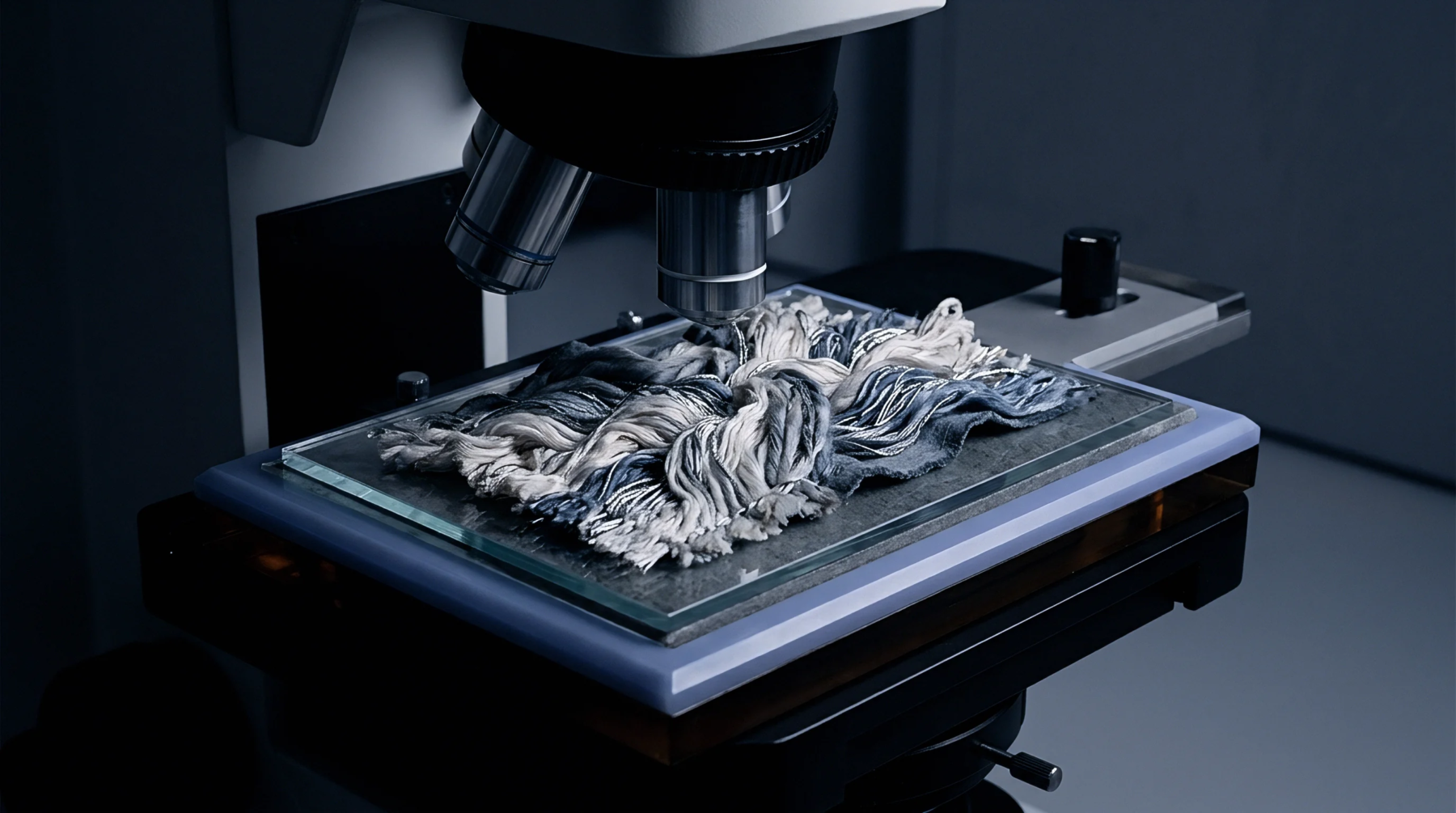
In-line sensors monitor bath pH, chemical concentration, temperature profiles and fabric pickup rates during continuous processing runs. Automated control maintains target chemical application levels, preventing fabric defects and ensuring batch-to-batch consistency.