Heavy Cotton Duck Dyeing Process Control and Levelness Optimization
Heavy cotton duck dyeing requires progressive electrolyte dosing, high-pressure liquor penetration, and strict tension control to eliminate surface ring-dyeing.
Swell
Heavy cotton duck creates barriers to liquor movement that lighter apparel wovens never present. Ring-spun yarns, plied tightly at high cover factors, leave minimal void space between strands for processing fluids to pass through. Natural waxes, pectins, and sizing agents concentrated in these dense cross-sections create hydrophobic barriers.
Getting level dye penetration means breaking down these non-cellulosic impurities while opening up the fiber structure with targeted chemical treatments.
Greige Canvas Geometry and Processing Barriers
High yarn packing in the warp and filling severely restricts fluid exchange inside inter-yarn spaces. Number 4 duck weighing 820 grams per square metre uses coarse 7/2 plied ring-spun yarns in both directions, driving cover factors past 92 percent. Greige canvas resists rapid wetting.
Natural cotton wax levels between 0.6 and 1.2 percent by weight keep aqueous baths from pushing trapped air out of yarn cores, so liquor cannot penetrate heavy plied interiors without mechanical working or reduced surface tension.
Singeing efficiency ratings of 4 on the grade scale rely on ISO 1140 composite photo evaluation across ten random roll samples, measured under standard daylight in 2022; shifting from gas flame burner velocity of 120 metres per minute to 90 metres per minute on heavy canvas converts surface fuzz into micro-beads of charred cotton, invalidating the rating. Flame pressure has to push heat into weave crevices without scorching load-bearing warp yarns. Incomplete singeing leaves loose fiber tips that take up dye too fast, creating a frosted surface look that masks poor internal levelness.
Alkaline Preparation and Lumen Penetration
Mercerizing with caustic soda at concentrations above 240 grams per litre swells flat, ribbon-like cotton fibers into rounded cylinders. As the fibers expand, internal lumen volume drops while total surface accessibility increases. Tensile strength increases up to 20 percent as stress points along the cellulose chains even out.
Maintaining a sodium hydroxide bath at 28 to 30 degrees Baumé drives uniform swelling through heavy plied yarns, provided the mercerizing wetting agent remains stable in strong alkali.
Desizing and scouring need to break down primary cell wall components without weakening the heavy cotton substrate. Enzymatic desizing with alpha-amylases at 70 to 80 degrees Celsius converts starches into soluble dextrins. Subsequent scouring using 40 grams per litre sodium hydroxide and 5 grams per litre chelating agents saponifies natural fats and strips out remaining pectins.
Running heavy canvas under 1.5 bars of continuous pad pressure forces complete liquor exchange straight through the yarn cores.
| Processing Stage | Chemical Formulation | Temperature & Dwell | Target Absorbency (AATCC 39) | Residual Wax Content |
|---|---|---|---|---|
| Gas Singeing | Direct flame, 1200°C burner flame | 110 m/min lineal speed | Non-applicable | 0.85 to 1.10% |
| Enzymatic Desize | 4 g/L Alpha-Amylase, 2 g/L Wetting Agent | 75°C, 8-12 hours batch | Under 5 seconds | 0.75 to 0.90% |
| Caustic Scour | 45 g/L NaOH, 6 g/L Scouring Agent | 98°C, 60 min continuous | Under 2 seconds | 0.15 to 0.25% |
| Chainless Mercerization | 280 g/L NaOH, 5 g/L Mercerizing Auxiliary | 20°C, 45 sec exposure | Instantaneous (under 1s) | Under 0.12% |
Rinsing after caustic treatment requires cascade washing systems capable of high fluid turnover. Alkali trapped deep in heavy canvas cores buffers subsequent acid neutralization, leading to localized pH swings that precipitate dye prematurely. Neutralizing requires organic acids like acetic or formic acid in the final rinse box to stabilize surface pH between 6.5 and 7.0 before dyeing begins.
Unlevel shading across heavy duck lots often stems from native cotton wax variations between crop years.

Wick
Liquor absorption inside dense plied canvas requires driving hydraulic pressure past hydrophobic surface barriers. Capillary rise governs how fast an aqueous solution moves into inter-fiber channels. On heavy duck, surface tension resists fluid intake until dynamic wetting agents pull the liquid-solid contact angle down near zero.
Capillary Flow Dynamics in Dense Structures
Fluid movement through inter-fiber capillaries follows Lucas-Washburn kinetics, where effective pore radius dictates flow velocity. Heavy duck has extremely small average pores between 3 and 8 micrometres inside yarn cores, so viscous resistance limits spontaneous uptake. Continuous padding rollers force liquor into yarn interstices, overriding capillary delays with external pressure.
Wetting agents reduce dynamic boundary tension across the fabric.
Hydraulic pressure during immersion must be balanced against mechanical fabric tension. Pulling heavy duck too tight along the warp flattens plied yarns, narrowing inter-fiber channels and slowing lateral fluid movement. Keeping warp tension low and controlled during wet-out allows fibers to un-crimp and swell, opening wider capillary paths for the dye bath.
Surfactant Formulation and Penetration Thermodynamics
Anionic wetting agents lower dynamic surface tension at the moving liquor interface during rapid contact. Sulfated fatty acid esters and alkane sulfonates remain stable in electrolyte-heavy dye baths. These auxiliaries drop aqueous surface tension from 72 millinewtons per metre to under 28 millinewtons per metre within milliseconds, driving penetration through dense duck structures.
Low-foaming non-ionic surfactants combined with anionic carriers accelerate wetting without building foam in high-shear pad boxes. Entrapped foam bubbles on heavy canvas block contact, causing pinhole resists and spotted shades. Adding de-aerators to the preparation bath helps push out micro-bubbles trapped deep within plied yarns.
- Hydrophobic Wax Barrier Resistance Residual natural fats and synthetic sizing in incompletely scoured duck prevent liquor from penetrating inner yarn bundles.
- Air Entrapment in Plied Structures Microscopic air pockets stay trapped inside 7/2 and 10/3 ring-spun yarn cores when immersion time falls short of mechanical thresholds.
- Viscous Drag in Small Capillaries High-viscosity dye mixtures slow capillary movement through 5-micrometre pores, leaving colorant concentrated on outer fiber surfaces.
- Surface Tension Equilibrium Stagnation Dynamic surface tension above 35 millinewtons per metre makes liquor bead on greige duck surfaces instead of absorbing evenly.
Temperature directly alters bath viscosity and wetting speed. Raising dye bath temperatures from 40 to 80 degrees Celsius cuts water viscosity by roughly 50 percent, speeding capillary flow into tight yarn structures. At the same time, thermal expansion of cotton cellulose opens up pore access, letting dye diffuse freely through the canvas.
When liquor penetration stalls in heavy canvas, extending wet-out dwell time improves levelness far more effectively than adding more dye.
Affinity
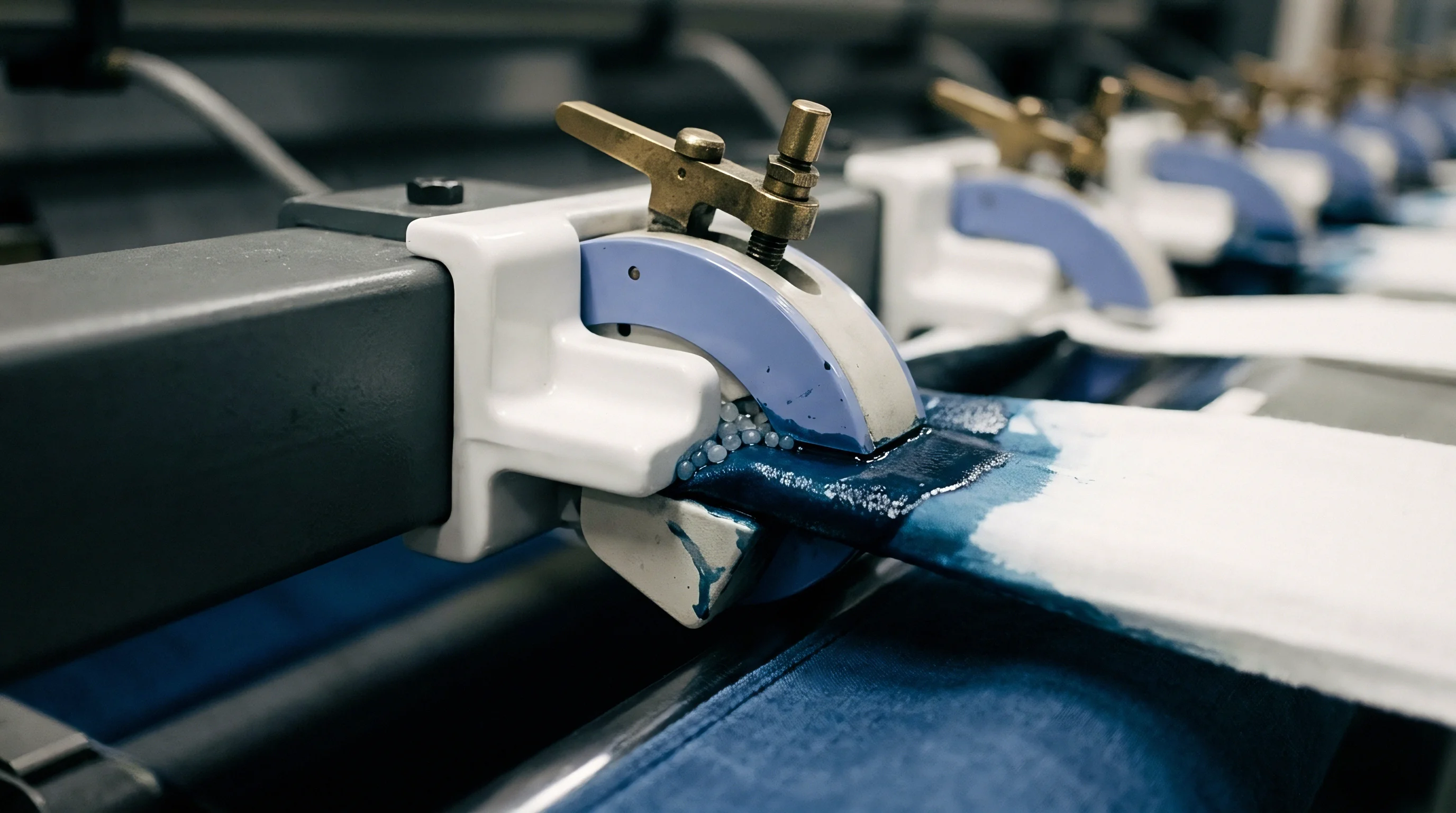
Colorant molecules face steep concentration gradients when moving from the bulk liquor into dense yarn cores. Reactive, vat, and sulfur dyes show distinct substantivity on heavy canvas. Balancing exhaustion rates against internal diffusion speed determines whether color spreads evenly through the fabric profile or locks onto outer fiber layers.

Dye Class Kinetics and Core Penetration
Leuco vat dyes diffuse through compact fiber assemblies much faster than high molecular weight reactive dyes. Once reduced with sodium dithionite and caustic soda into soluble leuco forms, indanthrone and anthraquinone vat dyes have relatively small ionic radii. These reduced molecules diffuse into mercerized cellulose channels between 40 and 60 degrees Celsius before hydrogen peroxide oxidation re-crystallizes the insoluble pigment inside the core, locking color in permanently.
Reactive dyes demand precise control during exhaustion and fixation. Bifunctional dyes combining monofluorotriazine and beta-sulfatoethylsulfone groups reach high fixation yields above 80 percent on heavy canvas, but initial substantivity in neutral salt baths must stay low so dye can migrate fully before alkali triggers covalent bonding with cellulose hydroxyls.
Progressive dosing of sodium sulfate over 45 minutes reduces initial surface dye strike by 38 percent compared to single-stage salt additions.
Dyehouse literature cites a diffusion coefficient of 4.2 × 10⁻¹¹ square metres per second for direct dyes in mercerized heavy duck fibers, but variations in yarn twist density make this exact figure unprovable in production; plants manage this variance by requiring liquor circulation speeds above four turnovers per hour rather than relying on calculated diffusion rates.
Controlled Electrolyte Dosing and Fixation Curves
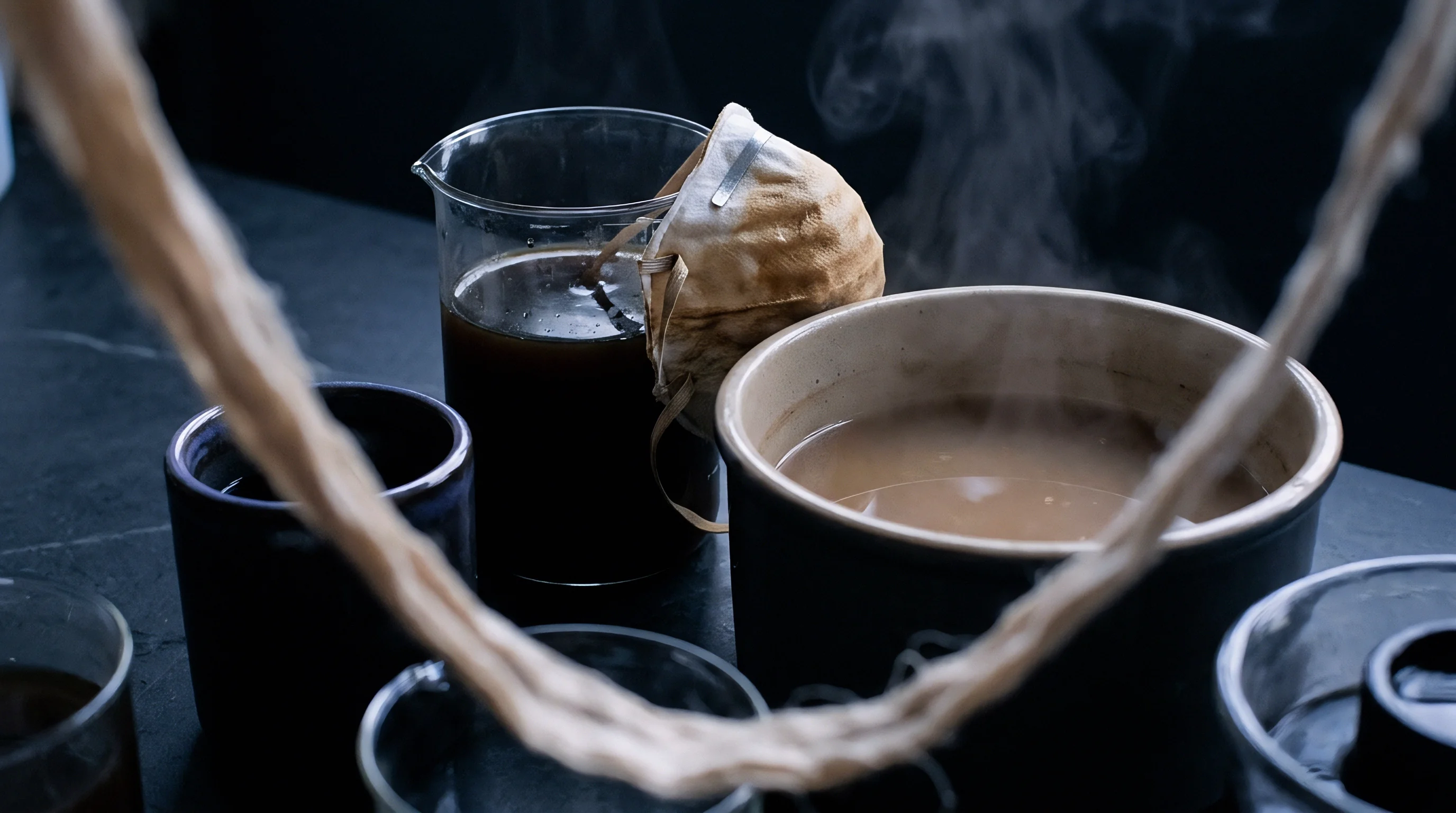
Adding salt linearly triggers rapid surface strike that causes severe edge-to-center shade variation. Electrolytes like sodium chloride or anhydrous sodium sulfate compress the electrical double layer on cotton fibers, driving negatively charged dye molecules onto the substrate. Dosing electrolytes along a progressive exponential curve over longer windows prevents sudden localized exhaust, letting dye distribute evenly across heavy duck rolls before fixation.
In a 500-kilogram batch of 18-ounce (#8) cotton duck dyed in a jigger at a 1:4 liquor ratio, adding 60 grams per litre sodium sulfate linearly in two equal doses forces 70 percent of the dye load to exhaust during the first two passages, causing ring-dyeing that leaves yarn centers white. Shifting to progressive dosing ~ 5 percent salt on pass one, 10 percent on pass two, 20 percent on pass three, 30 percent on pass four, and 35 percent on pass five ~ maintains solution balance. This suppresses initial exhaust below 25 percent, giving liquor time to penetrate plied yarn cores before high electrolyte levels force exhaustion.
Alkali dosing requires a similar progressive profile. Adding sodium carbonate or diluted sodium hydroxide raises bath pH from neutral to 11.2 ~ 11.8, triggering nucleophilic substitution or addition reactions between dye and cellulose. Adding alkali all at once fixes dye rapidly on outer yarn surfaces before migration can smooth out shade differences.
Dosing alkali over a 60-minute gradient stabilizes fixation, producing uniform shade depth from selvage to center.
High-temperature fixation profiles resolve core ring-dyeing defects, though at the potential cost of permanent losses in heavy canvas tensile strength.
Jig
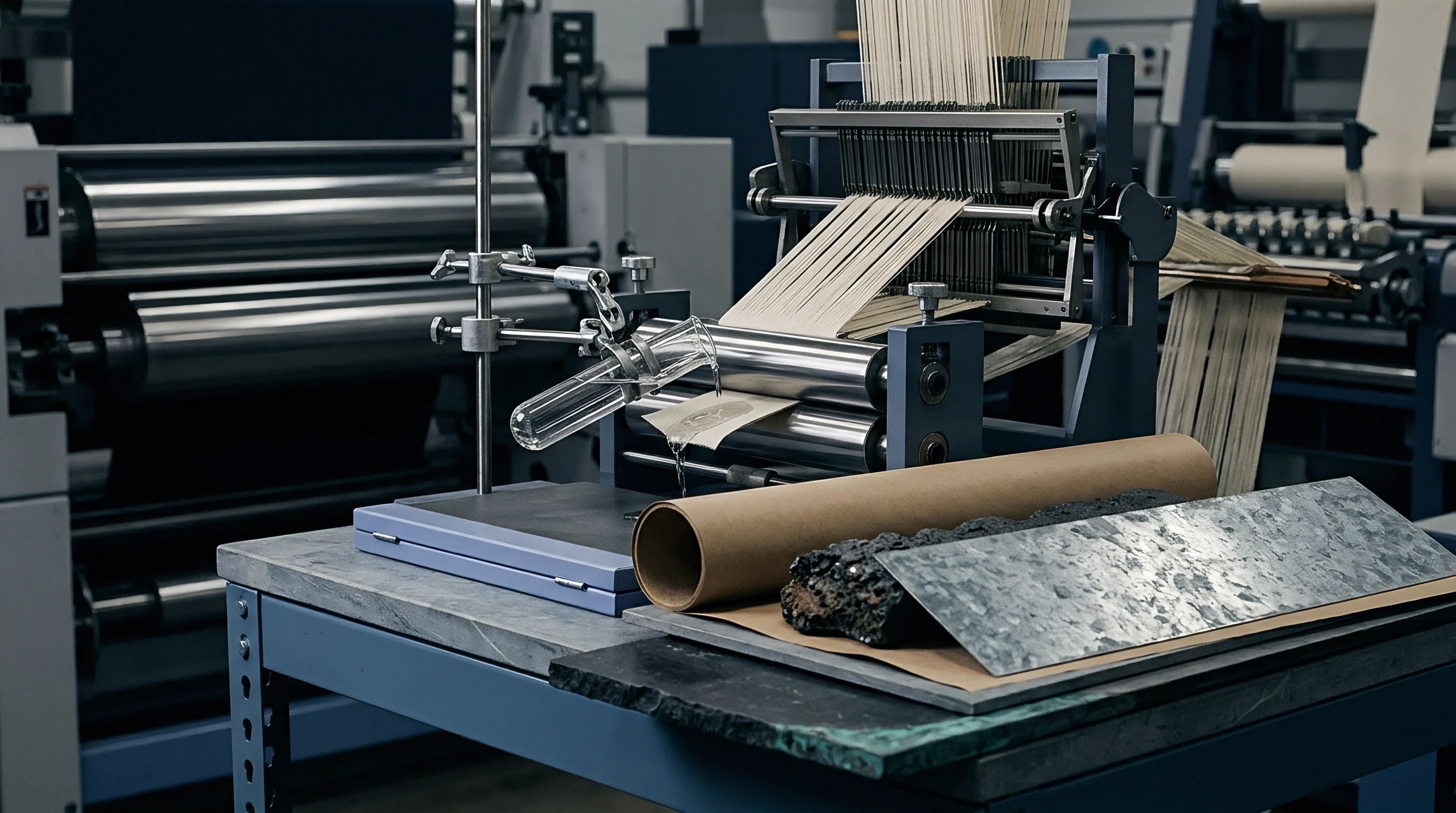
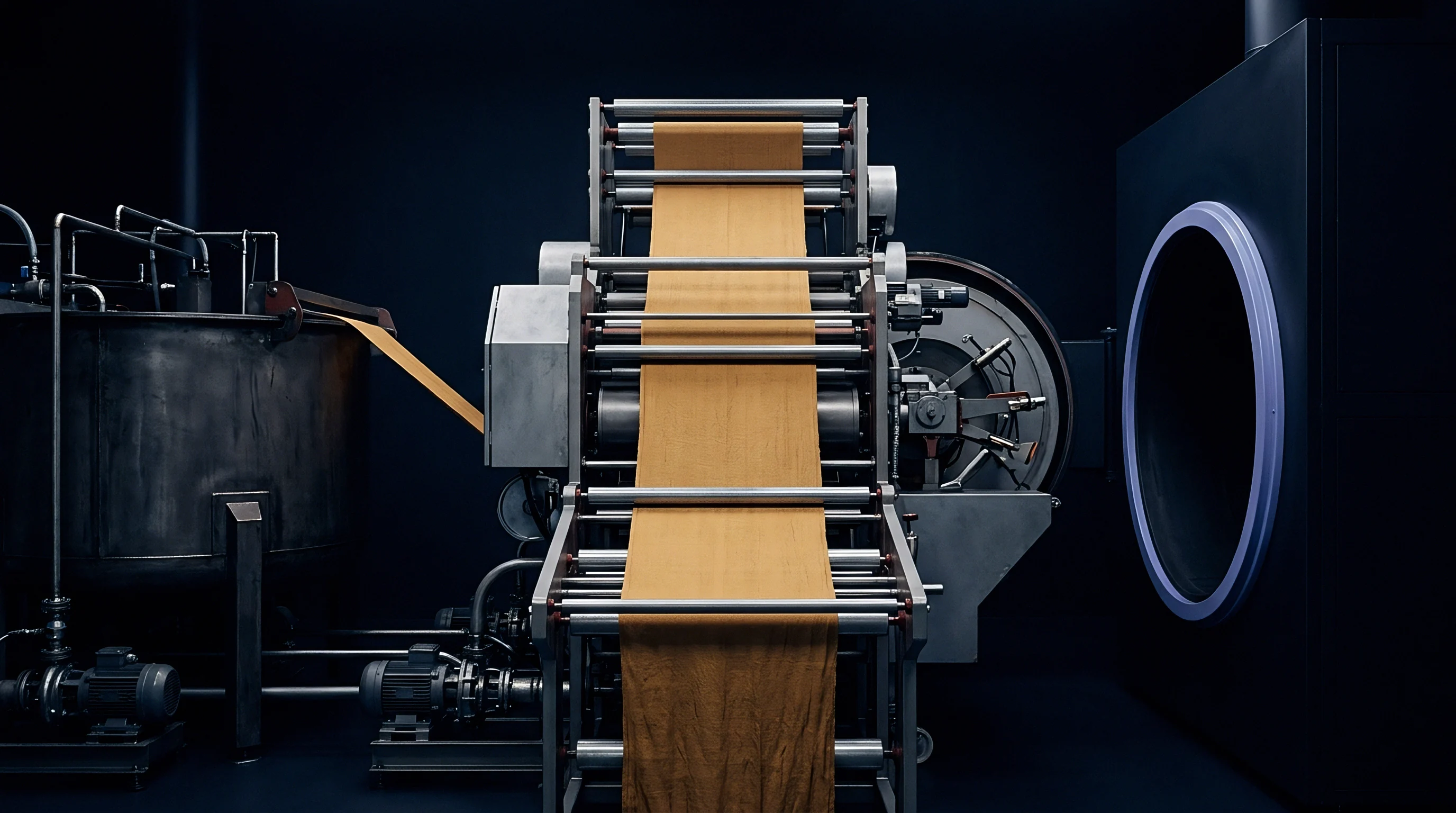
Machinery selection dictates the shear forces and fluid replacement rates across heavy woven rolls. Atmospheric or pressurized jiggers apply direct mechanical tension while forcing liquor through rolls during turns. Continuous lines rely on pad-steam units, displacing fluid in small troughs before high-pressure squeeze nips and controlled steam fixation.
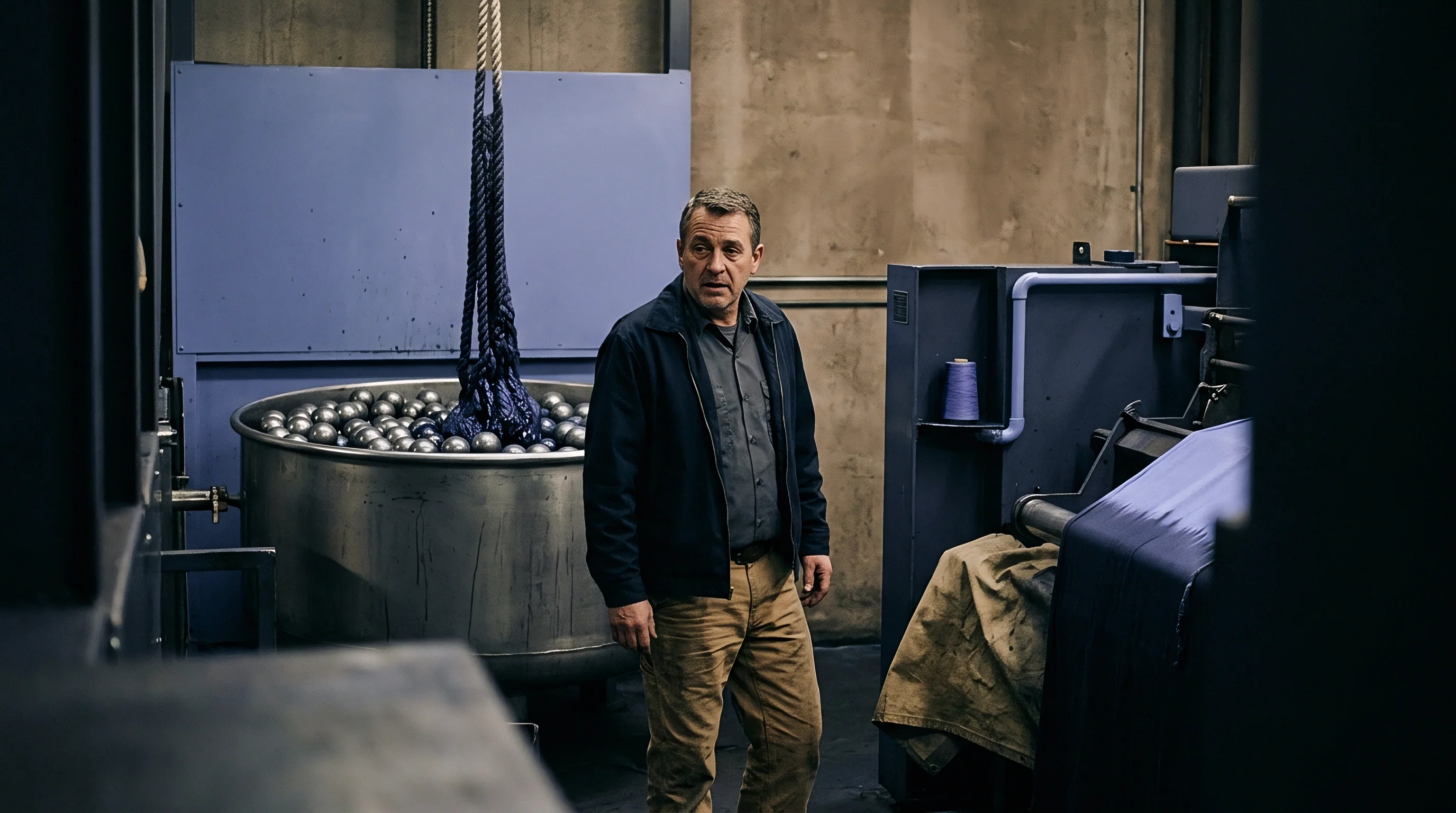
Where Does Mechanical Tension Cause Shade Tailing across Heavy Canvases?
Uneven winding speed across batching rolls causes tension spikes that squeeze liquor toward fabric edges. Heavy duck processed on jiggers experiences high warp drag, with tension reaching up to 1,200 newtons across a 1.6-metre working width. That excess tension compresses the weave, driving liquid outward to leave pale centers and dark selvages.
Electronic tension controls maintain constant speed and pull, preventing compression gradients throughout the batch.
In heavy industrial belting manufacturing, mechanical rolls undergo high-pressure nip vulcanization that mirrors the thermal hydraulic dynamics of textile jiggers. Applying rubber calendering fluid dynamics to wet processing helps optimize crowned expander roll profiles for handling heavy duck.
Expander bars prevent fabric selvages from rolling during transport.
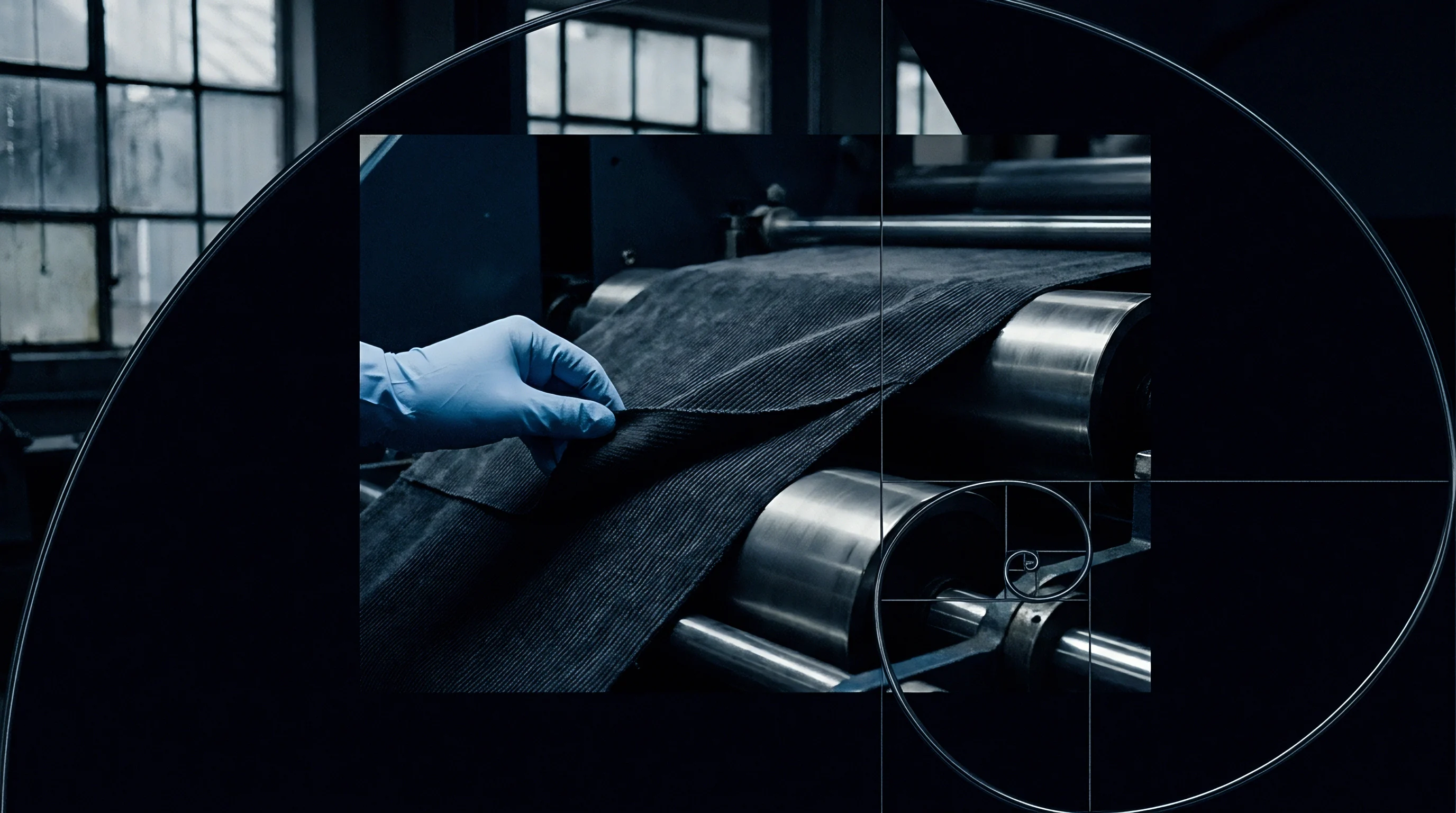
Continuous Pad-Dry-Steam Mechanics
Intermediate drying creates a risk of unfixed dye migrating toward fabric surfaces. When padded duck enters hot-air dryers without pre-drying, rapid evaporation carries dissolved dye toward the upper and lower faces. This leaves core yarns pale and creates severe two-sided shade differences.
Running infrared pre-dryers at 60 percent efficiency right after the padding nip drops moisture to 30 percent, locking dye molecules in place before forced-air drying begins.
A contract specifying maximum intra-roll color variance under ISO 105-J03 forces mills to run controlled expander bars on jig expander frames.
| Machine Type | Liquor Ratio Range | Warp Tension Control | Production Throughput | Core Levelness Risk |
|---|---|---|---|---|
| Atmospheric Jig | 1:3 to 1:5 | Automated Load Cell (200-1500 N) | 15-30 m/min | Moderate (End-to-end tailing) |
| Pad-Batch (Semi-Cont.) | 1:1 (70-80% pickup) | Low Tension Batcher | 30-50 m/min | Low (Extended diffusion time) |
| Pad-Dry-Steam (Cont.) | 1:0.8 (65-75% pickup) | Continuous Dancer Controlled | 40-80 m/min | High (Thermomigration during dry) |
| High-Temp Overflow Jet | 1:8 to 1:12 | Hydraulically Driven Transport Box | 80-150 m/min | Extreme (Rope mark creasing) |
- Mount raw heavy duck rolls onto precision unwind stands equipped with automatic edge-guide controllers and magnetic brake tension sensors.
- Pass fabric through high-efficiency singeing units operating at 1,200 degrees Celsius flame intensity to remove structural surface fuzz.
- Immerse goods in a low-volume pad trough containing alkaline scouring agents and rapid wetting auxiliaries at 85 degrees Celsius.
- Squeeze fabric through heavy-duty pneumatic pad rolls calibrated to 80 percent wet pickup under 5 bars of uniform nip pressure.
- Transfer padded goods directly into tight-strand steaming chambers supplied with saturated steam at 102 degrees Celsius for 90 seconds dwell time.
- Rinse continuously through a six-stage cascade washing box array maintaining counter-current water flow at 95 degrees Celsius.
Mismatched expander roll alignment causes permanent center-to-edge listing that forces full lot downgrades at the cutting table.
Tolerance
Spectrophotometric shade measurement on heavy canvas requires specific illumination geometry to avoid texture interference. Coarse weave structures scatter light unevenly, producing false spectral reflectance curves under narrow directional lighting. Reliable color verification depends on standardized aperture sizes, illuminants, and color-difference formulas matched to industrial fabrics.

Spectrophotometric Measurement Geometry and Levelness Indices
Integrating sphere instruments with diffuse illumination and eight-degree viewing angles eliminate scatter artifacts caused by coarse weaves. Specular-included modes account for surface gloss, while specular-excluded modes measure color appearance as perceived by the eye. Measuring heavy canvas requires large apertures ~ at least 25 millimetres in diameter ~ to average out optical variation at yarn crossovers.
A delta E threshold of 0.8 under ISO 105-J03 CMC (2:1) calculation rests on spectrophotometric sampling of five specimen swatches across a single 1,000-metre roll; high coarse-yarn cross-hatch variance moves this metric by 0.3 delta E units if the measurement aperture is reduced from 25 millimetres to 10 millimetres.
Spectrophotometers require specular exclusion mode for accurate shade readings.
Levelness Index calculations quantify shade variation across set grid points on a single roll. Taking spectrophotometric readings across a 10-point grid covering selvages, mid-points, and center lines generates spectral data across 31 wavelength bands (400 to 700 nanometers). The relative standard deviation of reflectance at each wavelength yields a single Levelness Index value: numbers below 0.5 show excellent levelness, while anything over 1.2 indicates visible listing or streaking.
Color Fastness Verification and Standard Methods
Crocking tests on heavy duck show stark differences between dry and wet friction. High surface friction on coarse #4 and #6 duck shears dye particles off during testing. Meeting wet crocking standards requires thorough post-dyeing wash-off passes to clear all unfixed, hydrolyzed colorant from outer yarn surfaces.
Spectrophotometric readings taken before complete moisture equilibrium produce false shade off-standard reports on heavy cotton canvas.
| Performance Property | Test Method Standard | Commercial Acceptability Floor | Critical Failure Mechanism |
|---|---|---|---|
| Color Fastness to Washing | ISO 105-C06 (C2S) | Grade 4.0 (Staining & Change) | Un-cleared reactive dye re-deposition |
| Dry Crocking Fastness | ISO 105-X12 / AATCC 8 | Grade 4.0 | Mechanical surface fiber abrasion |
| Wet Crocking Fastness | ISO 105-X12 / AATCC 8 | Grade 2.5 (#4 Duck) / 3.0 (#10 Duck) | Hydrophilic dye migration under pressure |
| Light Fastness (Xenon) | ISO 105-B02 (160 AFU) | Grade 4.5 (Blue Wool Scale) | Chromophore photo-oxidation degradation |
| Perspiration Fastness | ISO 105-E04 (Acid & Alkaline) | Grade 4.0 | Histidine-induced metal complex breakdown |
- Specular Inclusion Geometry Mandate Spectrophotometric readings must use D65 illuminant and 10-degree observer settings with specular component included to neutralize coarse surface texture interference.
- Aperture Dimension Calibration Threshold Measurement ports under 20 millimetres create artificially high standard deviations across coarse canvas weaves, invalidating pass-fail limits.
- Conditioning Equilibrium Moisture Protocol Test swatches require 4 hours of conditioning at 20 degrees Celsius and 65 percent relative humidity per ISO 139 before spectral assessment.
- Multi-Illuminant Metamerism Assessment Shade matching must verify compatibility under D65 daylight, Store Light F02, and Incandescent A light sources to prevent optical shade jumps.
Applying ISO 105-J03 CMC (2:1) pass-fail limits with a maximum overall delta E of 0.8 allows borderline shade runs to clear as billable production.

Allowance
Yield calculations for heavy canvas orders must factor in significant weight and dimensional changes during wet processing. Heavy cotton duck shrinks up to 12 percent in the warp during aqueous scouring and dyeing. Factoring in shrinkage allowances alongside potential strip-and-redye costs protects commercial margins on long production runs.
Cost Mechanics of Rework and Stripping Cycles
Chemical stripping of off-shade canvas degrades fiber strength and consumes heavy thermal energy. Stripping vat or reactive shades requires aggressive reduction with sodium hydrosulfite and caustic soda at 95 degrees Celsius, followed by hydrogen peroxide re-bleaching. This rework drops tensile strength by 15 to 25 percent, risking failure against minimum burst and tear specifications.
Chemical stripping inevitably degrades underlying cotton cellulose.
Accounting for redyeing runs must capture chemical expenses, extended machine hours, and lost throughput capacity. Direct redyeing adds between $0.85 and $1.40 per metre on 600-gram canvas. Yield losses grow if stripped fabric loses excessive width, forcing aggressive stentering that degrades warp elongation.

Minimum Quantities and Commercial Contract Alignment
Minimum batch sizes reflect the physical dead volume of padding troughs and jigger tanks. A continuous pad-steam line holds roughly 80 litres of dye liquor in its feed system. At 70 percent pickup on 800-gram duck, startup and shutdown tailing consume 150 metres of fabric just to reach chemical equilibrium across the line.
Running dye lots below 1,500 metres per shade creates heavy financial yield loss from setup scrap.
Heavy duck dyeing yield losses accumulate primarily during machine setup passes and tailing trimming operations.
- Dimensional Shrinkage Credit Allowance Purchase orders must define target finished weights based on conditioned state measurements per ISO 3801 rather than greige off-loom mass figures.
- Strip and Redye Penalty Ceiling Contracts capping customer-approved re-work cycles to a single stripping pass prevent cumulative fiber degradation that breaches minimum tensile standards.
- Minimum Shade Lot Trough Allocation Order volumes falling below 1,000 metres incur fixed dead-liquor surcharges to offset feed-trough chemistry disposal losses at batch conclusion.
- Out-of-Tolerance Crop Trim Rights Specifications reserving buyer rights to reject rolls exhibiting selvage listing exceeding 0.6 delta E protect down-stream automated cutting tables.
Trough capacity ultimately sets practical batch minimums.
Severe edge listing forces aggressive width cropping.
Aligning shade tolerances with end-use panel cutting schemas protects both the dyehouse and the converter from unexpected financial exposure on heavy canvas bulk runs.