Continuous Alkaline Scouring and Mercerization for Heavy Cotton Weaves
Continuous scouring and mercerization of heavy cotton demands high-temperature wetting, chilled 30 Baumé lye, positive chain tension, and core acid neutralization.

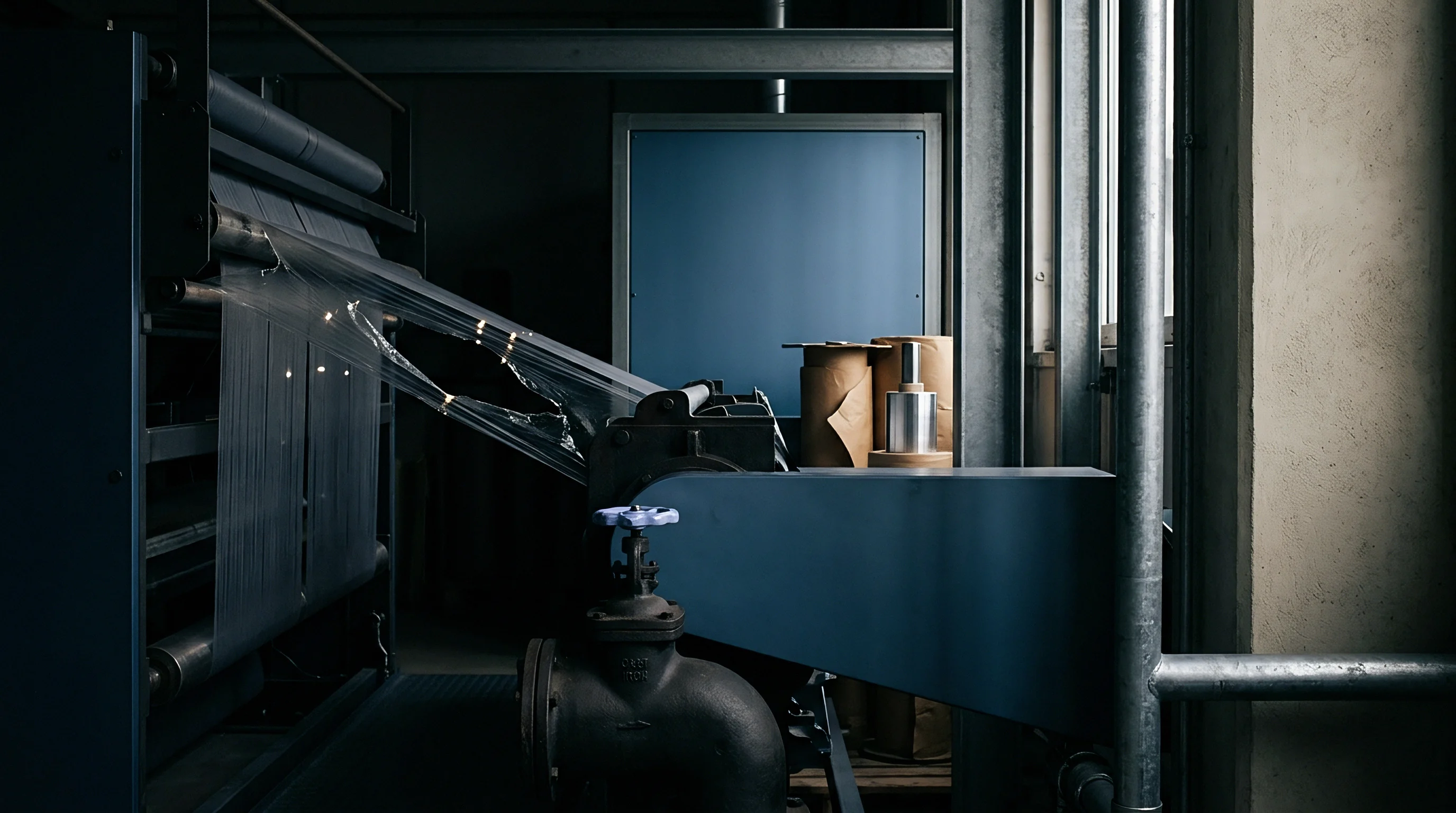
Liquor
Continuous preparation lines run heavy cotton drill and numbered duck through an initial saturator box under strict chemical regulation. Greige piece goods weighing between 350 and 520 grams per square meter carry heavy natural wax burdens, motes, and stubborn sizing films. Heavy goods resist chemical penetration.
Without aggressive wetting agents and thermal energy, the alkaline bath skims across the face while leaving internal warp yarns hydrophobic. Squeeze rolls set at sixty kilonewtons press the chemical bath into the dense bundle, displacing trapped air pockets that otherwise shield raw seed coat fragments from chemical breakdown.
The scouring bath balances sodium hydroxide concentration between forty and sixty grams per liter alongside sequestering agents that bind calcium and magnesium ions present in processing water. High water hardness precipitates insoluble calcium pectates and fatty acid soaps directly onto cotton fibers, creating resist spots that ruin subsequent dyeing uniformity. Chelating chemistries prevent these mineral soaps from settling on outer yarn surfaces.
Rapid thermal transfer accelerates saponification inside the tight yarn intersections.
Surfactants with rapid wetting speeds displace entrapped air before high squeezing pressure seals dry yarn centers.
Steam chambers mounted immediately after the chemical padder maintain temperatures between ninety-eight and one hundred two degrees Celsius. Dwell periods ranging from two to four minutes allow caustic soda to dissolve natural non-cellulosic constituents without degrading the polymer chains. Insufficient steaming time limits motes softening, forcing secondary bleaching units to run at higher hydrogen peroxide concentrations to compensate.
That adjustment weakens the warp tensile strength under ISO 13934 testing.
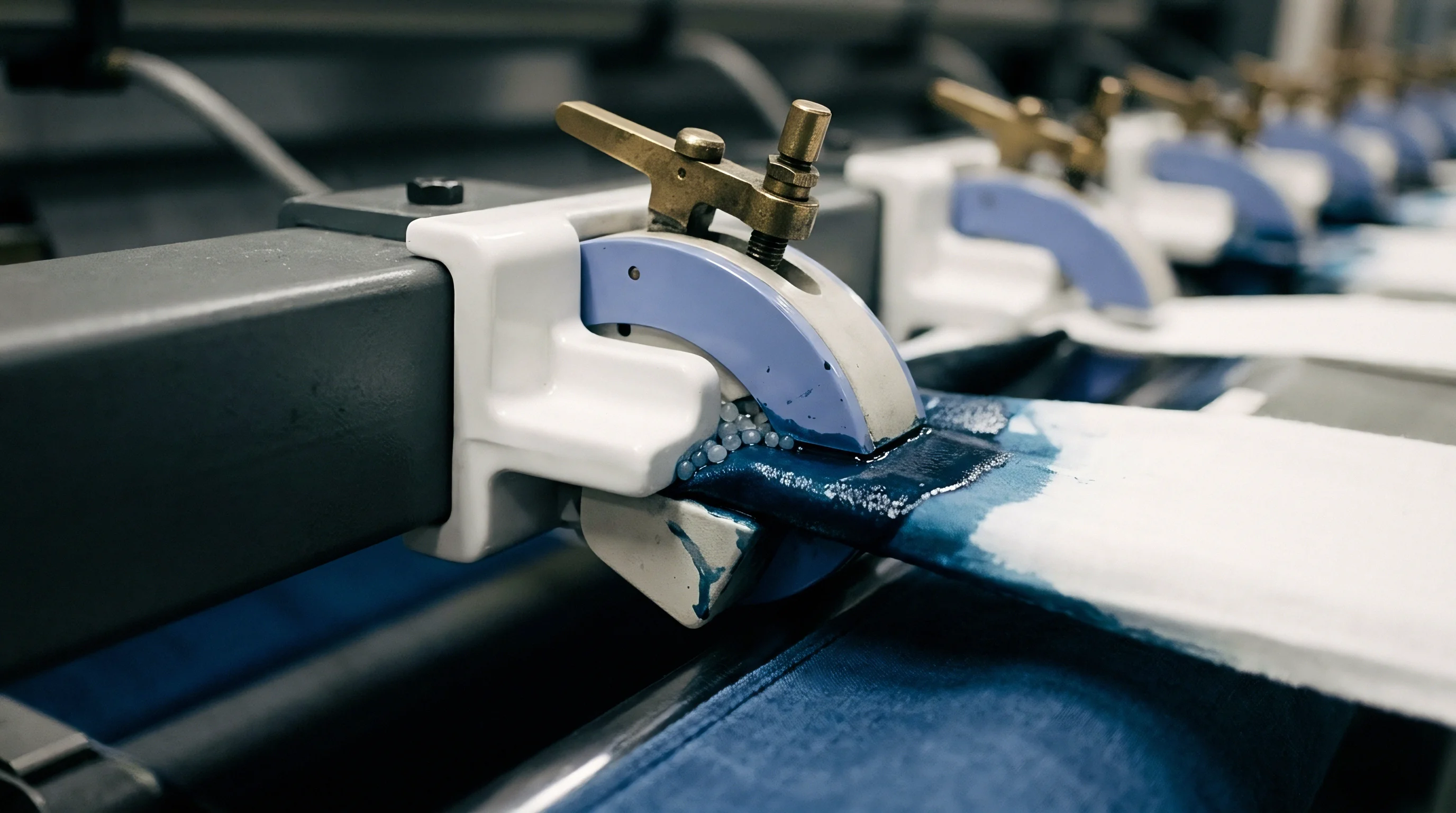
Saturator Dynamics in Heavy Twill
Fluid exchange inside three-by-one twill structures depends entirely on mechanical displacement during roller transit. As the dense cotton passes through consecutive submerged immersion rolls, mechanical compression flushes the boundary layer of trapped air out of the interstitial yarn channels. Rapid liquor circulation across the bath prevents local concentration drops near the running substrate.
Heavy twills compact under high tension. When entry tension spikes above ninety decanewtons across a one-point-eight-meter working width, warp yarns flatten against each other, shrinking the open pores necessary for chemical transport.
Wetting Chemistry and Caustic Penetration
Surfactant selection governs whether caustic liquor moves past the exterior fiber layers. Anionic wetting agents stable in fifty grams per liter of boiling caustic soda lower bath surface tension down to thirty millinewtons per meter. Non-ionic blends drop out of solution at elevated temperatures, separating into oil droplets that deposit onto the running goods.
Foam suppression remains mandatory because air bubbles carried into the nip create bare contact areas that escape alkaline digestion.
Poor continuous scouring generates persistent defects that surface during subsequent open-width pad-steam dye applications:
- Resist blotches generate pale, uneven specks across deep reactive dye shades where unsaponified cotton waxes remain inside the yarn bundle.
- Mote retention leaves dark particulate specks along the filling lines, demanding aggressive peroxide bleaching cycles that lower finished tensile thresholds.
- Uneven water absorbency across the roll width produces cloudy shade bands when liquid penetration values measured under AATCC 79 exceed three seconds. Two extra rinsing boxes rarely fix this variation once dried.
- Pectate scale deposition fouls the squeezer roll surfaces, printing repeating physical impressions into the damp substrate under continuous pressure.
When scouring fails to break down native cotton fats uniformly across the entire yarn diameter, reactive dyes strike only the outer ring of the cotton fibers, causing catastrophic wet-crock failure and white abrasion marks across garment seams during laundry washdown.


Lye
Caustic mercerization demands precise thermodynamic control to transform native Cellulose I into the reactive Cellulose II crystalline lattice. Continuous chains run heavy substrates through sodium hydroxide baths concentrated between twenty-eight and thirty degrees Baumé, corresponding to two hundred forty to two hundred seventy grams of pure sodium hydroxide per liter of bath liquor. Cold caustic swells cotton fibers immediately.
Below eighteen degrees Celsius, the caustic bath swells the primary and secondary fiber walls, untwisting the natural cotton ribbon into a cylindrical geometry while shrinking the central lumen.
The high density of three-ply duck and twelve-ounce denim constructions impedes rapid chemical absorption. Outer fibers swell instantly, creating an impermeable gel barrier that blocks caustic ions from reaching the inner yarn axis. Increasing the bath temperature to fifty degrees Celsius in a preliminary saturator box improves penetration through lower liquor viscosity.
The substrate then enters a chilled secondary box at fifteen degrees Celsius where structural swelling occurs under controlled physical dimensions.

How Do Denser Twills Hinder Core Mercerization?
Yarn twist multipliers above four-point-two bind individual fibers into rigid structures that resist swelling solutions. As peripheral fibers absorb hydrated sodium ions, their transverse expansion creates high inward radial pressures that compress inner fibers together. Chemical migration slows down.
Unmercerized fibers leave dark dye rings. Cross-sectional microtome cuts taken from such lots reveal completely rounded peripheral fibers surrounding flat, collapsed ribbon fibers at the center of the yarn bundle.
Barium activity numbers below one hundred twenty on heavy drill indicate incomplete crystal conversion across the inner bundle.
Uneven crystal conversion leaves the interior of the yarn inaccessible to large dye molecules. When dyed goods encounter mechanical rubbing during garment abrasion tests, the outer mercerized fibers abrade away, exposing the paler unmercerized core beneath. This differential coloration ruins dry crocking fastness under ISO 105-X12, yielding ratings below grade 3.0 on dark naval shades.
| Caustic Concentration (Degrees Baumé) | Bath Temperature (Celsius) | Dwell Time (Seconds) | Barium Activity Number (AATCC 89) | Lumen Area Reduction (Percent) | Tensile Strength Gain (Percent) |
|---|---|---|---|---|---|
| 24 | 20 | 35 | 118 | 42 | 8.5 |
| 28 | 18 | 45 | 136 | 68 | 14.2 |
| 30 | 15 | 50 | 152 | 84 | 18.6 |
| 32 | 25 | 45 | 141 | 71 | 15.1 |
| 30 | 55 | 40 | 124 | 51 | 11.0 |
| Data measured on 3/1 cotton drill under standard conditioning atmosphere ISO 139; dwell period represents total immersion time before washing zone. | |||||
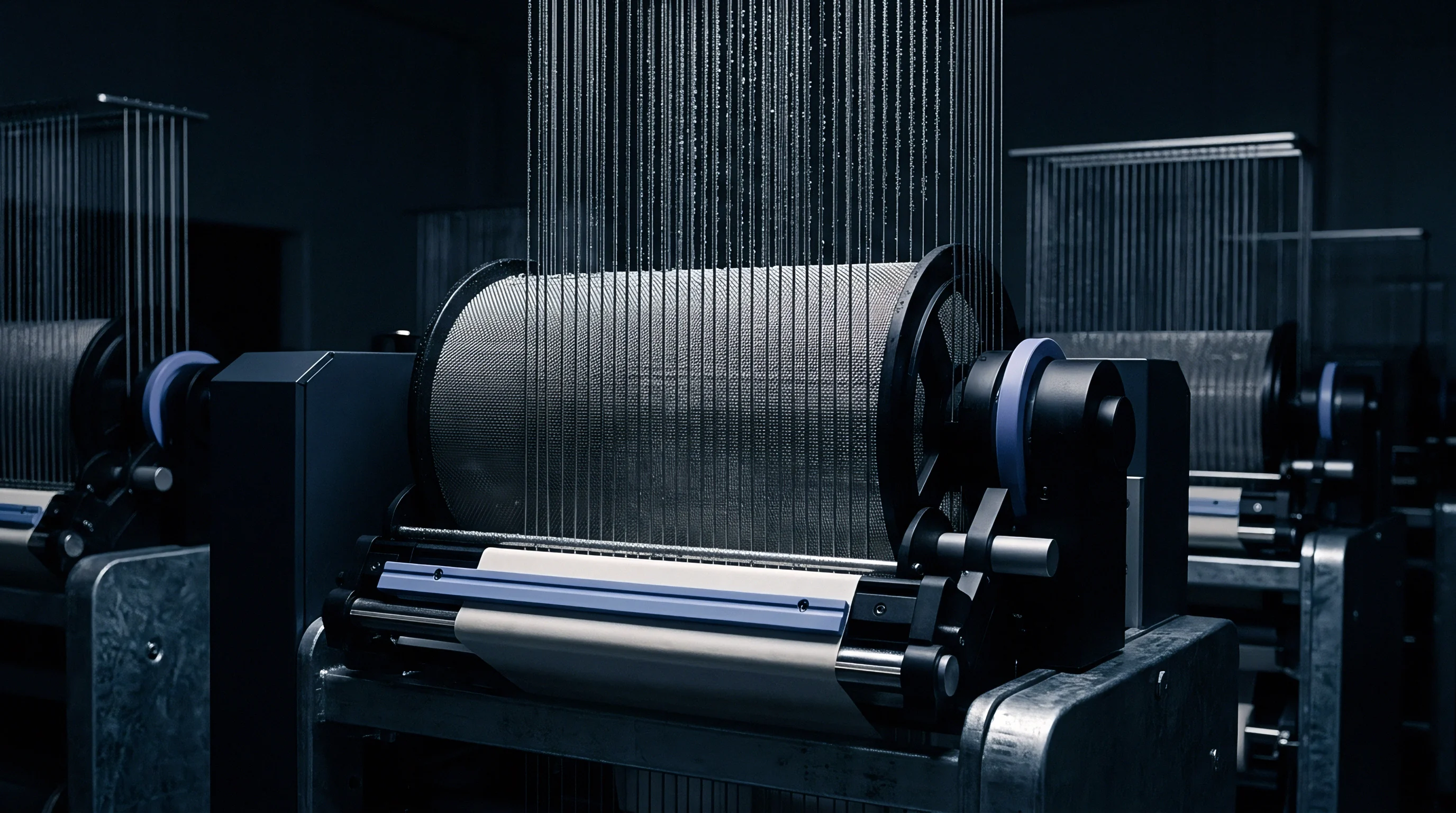
Swelling Mechanics and Lumen Collapse
Cellulose chain rearrangement requires the disruption of intermolecular hydrogen bonds by hydrated sodium hydroxide dipoles. The hydroxyl groups along the glucan rings align with hydrated caustic molecules, forcing the polymer chains apart and increasing amorphous regions within the fiber. This structural realignment raises moisture regain from seven percent up to nine-point-five percent under standard conditioning atmosphere ISO 139.
Dye uptake rises by thirty to forty percent, reducing recipe consumption for identical visual depths.
Lumen collapse must proceed without fiber dissolution. When lye concentration exceeds thirty-two Baumé under cold conditions, cotton fibers undergo gelatinization, making the substrate brittle and prone to flex fatigue cracking. Chemical engineers monitor concentration constantly through inline refractive index sensors and automated acid titration loops.
Ambient temperature swings across finishing shifts shift Baumé hydrometer readings, masking concentration drifts of up to twenty grams per liter if temperature compensation algorithms drop offline.
Whether modern high-speed impregnation units can achieve complete crystalline Cellulose II conversion throughout four-ply sailcloth without extending wash-box transit lines beyond forty meters remains an open engineering question in continuous plant design.


Chain
Mechanical tentering during caustic immersion controls whether mercerization yields lustrous dimensional stability or dense, distorted yardage. Caustic saturation induces massive longitudinal and transverse contraction forces within cotton yarns. Heavy broken twills and drills attempt to shrink up to eighteen percent in the filling direction and twelve percent in the warp direction while saturated with lye.
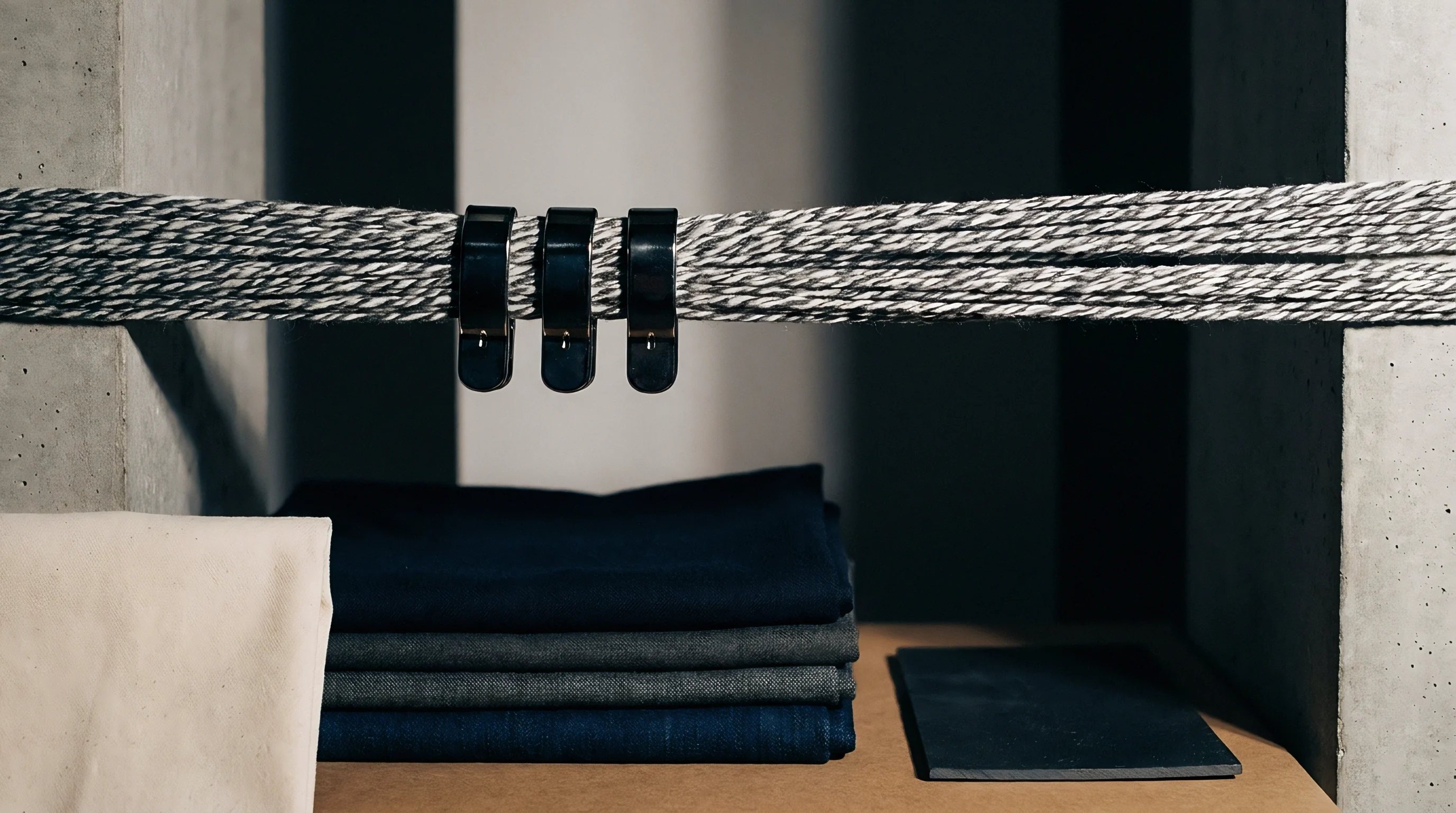
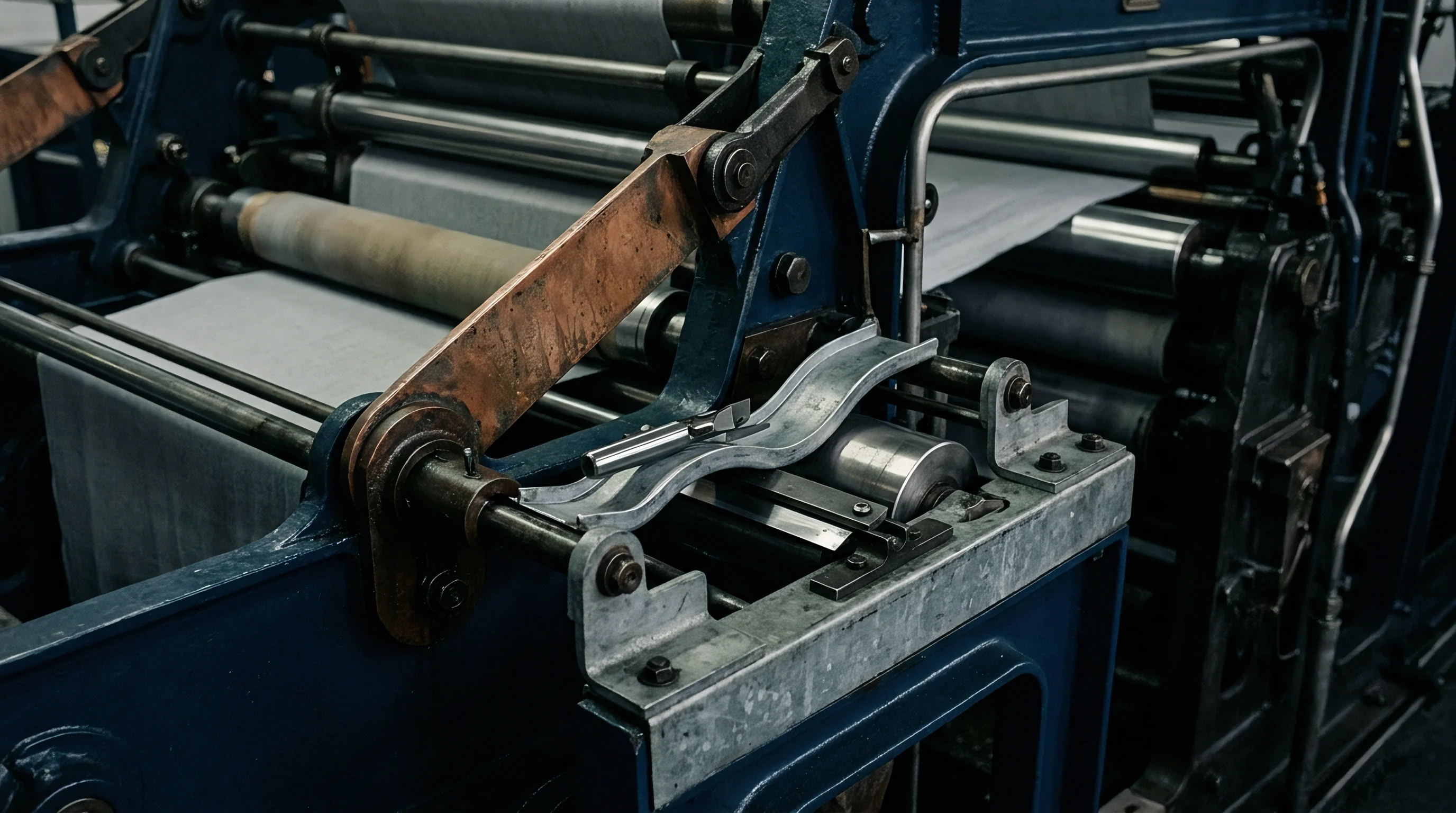
Heavy tenter chains equipped with cast-steel clips grip the heavy selvages under thousands of newtons of transverse force to prevent this contraction.
Chainless mercerizers rely on curved expander rollers and tight driven transport drums to hold width through surface friction alone. Heavy weights exceed the friction limits of smooth stainless-steel rollers. The wet cloth slips toward the centerline, losing critical finished width and creating heavy, thickened selvages.
Tenter-frame mercerizers provide positive physical restraint, locking the pins or clips onto the edges before lye contact begins and maintaining that setting through initial dilution washing.
Tenter clips pull the selvedges outward while heavy warp yarns resist width expansion through high crimp rigidity.
Lengthwise draft across the continuous machine governs warp tensile gain and residual elongation. Finisher engineers apply between two and four percent warp tension to straighten molecular alignments along the fiber axis. Too much lengthwise pull elongates the warp while crushing filling threads together, killing tear strength under ISO 13937-2.
The balance between warp tension and weft expansion dictates the finished square meter weight and wash shrinkage figures.
Width Restraint on Heavy Broken Twills
Twilled weave geometries pack high picks per inch into every centimeter, generating structural asymmetry. Broken twills, though resistant to torque compared to standard right-hand twills, exert enormous lateral pull when lye softens the yarn intersections. Tension prevents filling yarn shrinkage.
If the tenter frame lets the width neck down by even three centimeters during caustic washing, filling crimp locks into place permanently. Residual filling shrinkage then spikes above four percent during ISO 6330 domestic laundry cycles.
Lengthwise Tension and Warp Density
Warp crimp interchange occurs dynamically inside the washing section. When machines drag heavy wet goods through multi-dip wash tanks, mechanical drag pulls the warp yarns taut, transferring yarn curvature directly into the weft yarns. Uneven tension produces bowed filling lines.
Finishing supervisors track bow and skew continuously using optical scanning sensors located before the exit winder. Misalignment above two percent of total cloth width creates spirality that twists trouser legs and heavy workwear seams after five home washes.
Controlling structural geometry on continuous mercerizing frames follows a mandatory physical progression:
- Feed the dried, scoured substrate through compensating load-cell rolls to isolate tension spikes from upstream unwinding units.
- Impregnate with twenty-nine Baumé lye across two immersion boxes, keeping nip pressure balanced across left, center, and right positions.
- Grip the dampened edges with heavy-duty cast-iron clips along the diverging chain bed to recover greige width within thirty seconds of saturation.
- Spray hot dilute lye at sixty degrees Celsius through counter-current flood nozzles while the substrate remains pinned at maximum working width.
- Maintain positive width holding until residual alkali inside the cloth drops below five percent of total weight.
- Discharge the relaxed goods into driven wash troughs equipped with load-sensing dancer rollers to prevent longitudinal stretching during neutralization.
When heavy twill leaves the chain with uneven selvage tension, the converter typically asserts that the loom shed delivered uneven yarn tension across the warp beam.
Neutralization
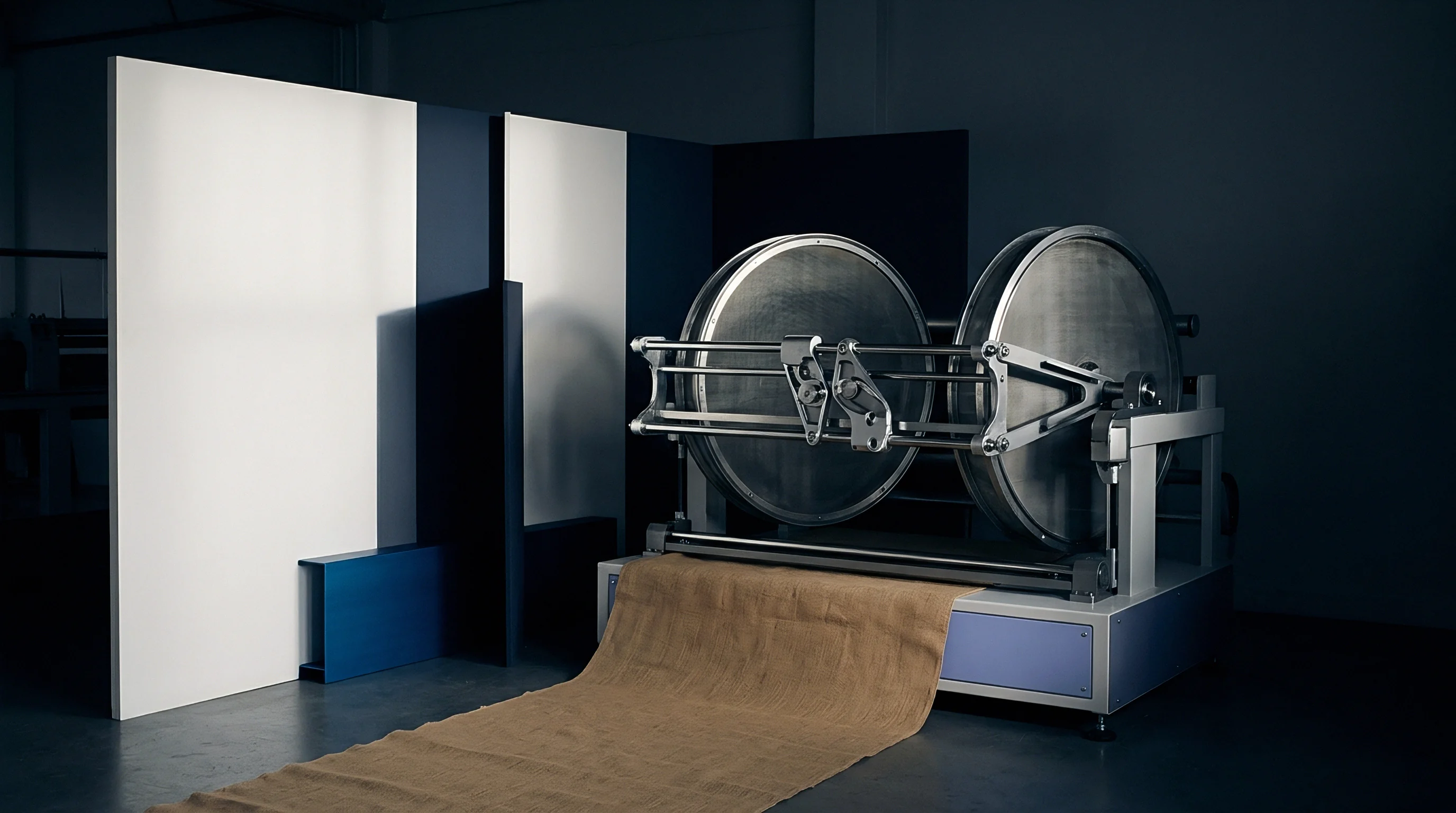
Extracting trapped sodium hydroxide from the interior of heavy cotton yarns demands systematic dilution washing followed by chemical acid souring. Rinsing heavy cotton is slow. Water alone cannot diffuse rapidly enough into compacted yarn centers to wash away caustic soda down to neutral values.
As exterior caustic dilutes, surface fibers lose their swollen state, forming a tightened boundary that traps alkaline liquor within the yarn center. Continuous counter-current wash boxes progressively strip alkali from sixty grams per liter down to five grams per liter using water heated to eighty-five degrees Celsius.
Steam-injected wash boxes leverage thermal shock to open fiber bundles and drive alkali out into the surrounding water. If water temperatures drop below seventy degrees Celsius during this phase, residual caustic remains locked inside the yarns. Acid neutralization terminates the alkali reaction.
Mild organic acids, primarily acetic acid or buffered formic acid blends, enter the final wet processing troughs to neutralize the last traces of alkaline chemistries. Mineral acids such as sulfuric or hydrochloric acid risk catastrophic tendering because localized drying concentrations degrade cellulose chains into hydrocellulose.
Which Sequence Eliminates Subsurface Chemical Residue?
Single-stage acid dips fail on heavy counts because the acid neutralizes only the exterior yarn circumference. Surface testing with liquid phenolphthalein shows a clear, neutral result within five seconds of application. Phenolphthalein reveals subsurface sodium hydroxide.
Cutting the yarn with a razor and applying indicator dye directly to the cut cross-section causes the center of the bundle to turn bright magenta instantly. True neutralization requires a two-stage acidified soak separated by high-pressure squeezing nips that force chemical exchange deep into the yarn core.
Test method AATCC 81 allows an extraction pH between 6.5 and 7.5 to prevent shade drift during reactive pad-steam dyeing.
Incomplete removal of alkali creates severe chemical degradation during downstream dry-heat processes. When damp, poorly washed cotton enters a stenter dryer at one hundred sixty degrees Celsius, residual sodium hydroxide concentrates as moisture evaporates. The hot alkaline environment accelerates oxidative oxycellulose formation, slashing tensile strength by up to thirty percent and generating unpredictable affinity shifts for direct, vat, and reactive colorants.

Extraction Chemistry and Core Titration
Mill laboratories monitor wash effectiveness by blending ten grams of cut fabric in two hundred milliliters of boiling distilled water, followed by potentiometric titration using zero-point-one normal hydrochloric acid. Standard surface pH measurement using flathead surface electrodes hides trapped interior alkalinity. If core titration indicates residual sodium hydroxide above zero-point-zero-five percent on weight of goods, finishing managers increase acid dosing rates in the final saturator bath.
Technical purchase contracts for heavy preparation bases require documented verification steps before releasing yardage to the dye floor:
- Aqueous extract pH tested under ISO 3071 must register between 6.0 and 7.5 across five random roll samplings per ten-thousand-meter lot.
- Barium activity indices determined via AATCC 89 testing must equal or exceed 135 to verify uniform Cellulose II transformation.
- Absorbency drop test values conducted per AATCC 79 must record complete droplet penetration in under one second on unbleached, mercerized grounds.
- Tensile retention validation according to ISO 13934-1 must prove warp and filling break values within five percent of specified engineering targets.
- Residual sizing content measured via iodine staining and enzymatic digestion must remain below zero-point-two percent total dry weight.
Commercial contracts specifying that goods undergo inspection under ASTM D5430 Four-Point System allow buyers to reject lots exhibiting repeating alkaline water-mark stains along the selvages.
Margin
Continuous wet processing lines live and die on mass balance, chemical recovery, and linear yardage yield. Processing heavy cotton goods incurs high chemical consumption because a square meter of four-hundred-gram drill absorbs more than three hundred milliliters of bath liquor during every dip. Slower speeds raise conversion costs.
A finishing line that processes lightweight poplin at one hundred twenty meters per minute drops to forty meters per minute when running heavy three-by-one twill to ensure requisite chemical dwell times. That speed reduction triples machine labor and thermal utility costs per linear meter.
Caustic consumption represents a massive variable cost on continuous mercerizing ranges. Plants operating without caustic recovery plants dump thousands of tons of sodium hydroxide into wastewater treatment systems, incurring severe effluent discharge surcharges. Chemical recovery evaporators lower chemical expense.
Modern evaporative recovery units capture dilute wash water at five to eight Baumé and concentrate it back to thirty Baumé for immediate reuse, recovering up to eighty-five percent of input caustic soda.
Chemical Recovery and Effluent Expenses
Environmental regulations strictly limit effluent sodium levels, total dissolved solids, and chemical oxygen demand. Neutralizing unrecovered caustic in wastewater requires tons of sulfuric acid, which creates high sulfate concentrations that corrode municipal concrete sewage pipelines. Converters without multi-stage closed-loop recovery units face biological treatment surcharges of ten to fifteen cents per finished meter on heavy goods.
Those costs get passed directly into the cut-make-trim supply chain through finishing surcharges.

Finished Yield and Converter Price
Warp tension and filling width adjustments govern the commercial meterage returned to the buyer. Greige goods entering the preparation line lose natural fats and starches, shedding between four and seven percent of raw weight during scouring. If the mercerizer pulls excessive length under tension to compensate for this loss, warp yarns thin out and finished areal weight drops below contract specification.
The buyer then receives underweight cloth that fails abrasion testing. Yield loss shifts the meter price.
Take a 50,000-meter production run of 450 gsm cotton drill (168 cm greige width) entering continuous preparation. The following cost model traces standard converter inputs under typical operating parameters:
| Processing Element | Standard Route (No Recovery) | Closed-Loop Recovery Route | Cost Variance Impact (USD) |
|---|---|---|---|
| Thermal Steam (Gigajoules) | 18.5 GJ ($222.00) | 14.2 GJ ($170.40) | -$51.60 |
| Caustic Soda 100% Solid (Kg) | 210 kg ($189.00) | 38 kg ($34.20) | -$154.80 |
| Wetting & Scouring Agents (Kg) | 24 kg ($72.00) | 24 kg ($72.00) | $0.00 |
| Neutralizing Acid (Kg) | 45 kg ($49.50) | 32 kg ($35.20) | -$14.30 |
| Wastewater Surcharge (BOD/TDS) | $115.00 | $28.00 | -$87.00 |
| Machine Speed (Meters/Min) | 38 m/min | 42 m/min | -$22.00 |
| Total processing cost per 1,000 meters drops from $647.50 down to $339.80 when operating through modern caustic evaporation and recovery units. | |||
The numbers in the accounting ledger determine which facilities can bid competitively on military uniform twill or institutional workwear programs. Mills running outdated open-wash ranges consume twice as much fresh water and produce variable barium numbers between the start and finish of a dye batch. Fabric buyers who audit only the greige loom shed miss the wet processing plant where the performance, hand, and margin of heavy cotton are truly settled.
Tighter greige weaves always demand slower processing speeds and higher saturator temperatures than sales documentation admits.