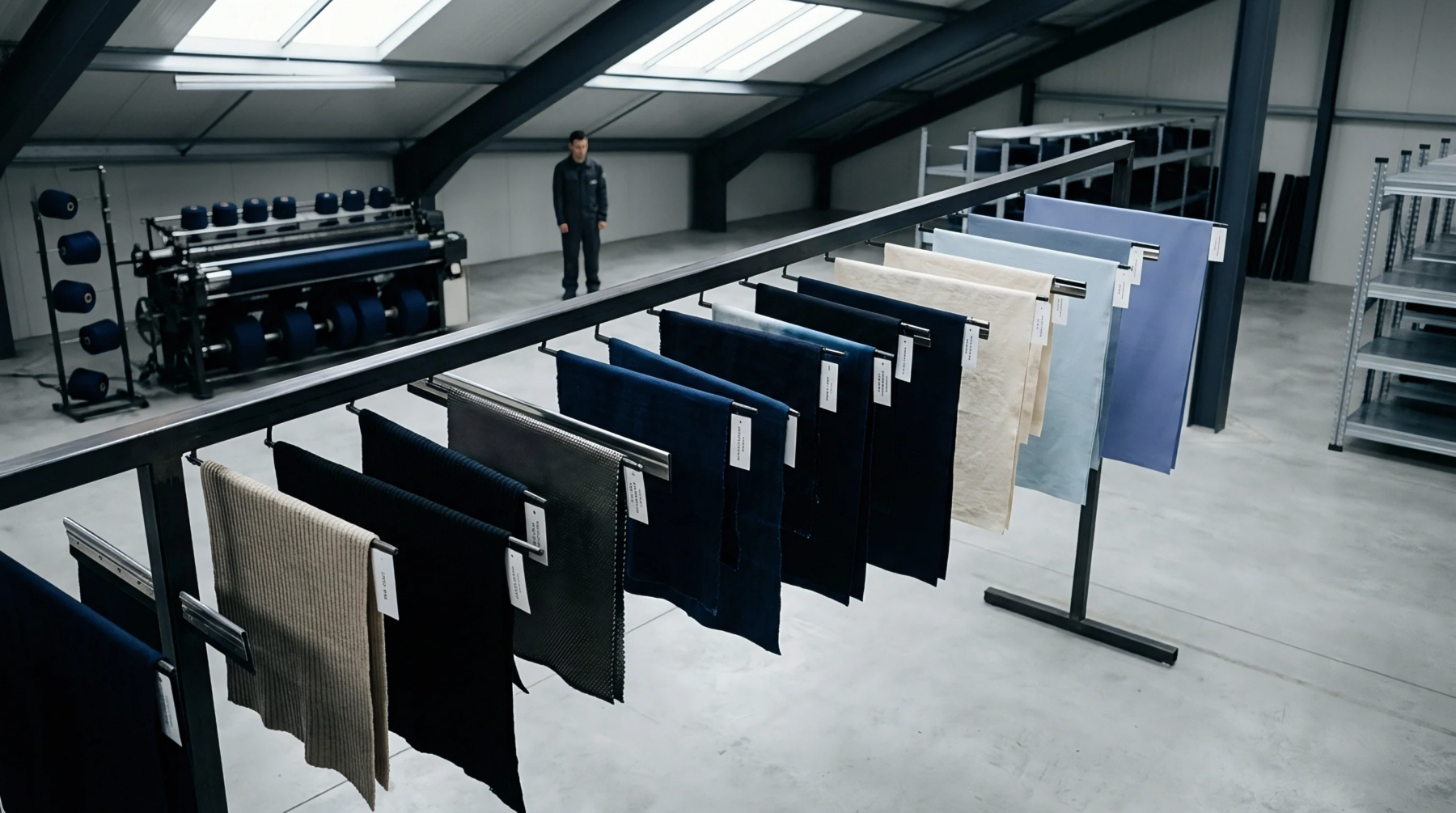
Visual Inspection Standard
A standardized testing method establishes the guidelines for visually evaluating fabric rolls for physical defects. The astm d5430 standard provides the industry with a uniform way to assign penalty points to material flaws based on their size and location. It applies to both woven and knitted textiles intended for apparel or home furnishings.
Inspectors use this method to determine if a lot of fabric meets the quality requirements for shipment. The standard defines how to measure defects and how to calculate the final point score for each roll. This assessment allows mills and buyers to reach a common understanding of fabric quality before the cutting process begins.
It creates a defensible record of material condition at the time of inspection.
Defect Sizing Rule
Scoring depends on the linear length of each individual fault found during the inspection process. Under the astm d5430 protocol, a defect measuring up to three inches receives one penalty point. Flaws between three and six inches in length are assigned two points.
Any defect longer than six inches but shorter than nine inches results in three points. The maximum penalty of four points is given to any defect exceeding nine inches. This logic ensures that larger defects, which are harder to avoid during the garment cutting stage, have a greater impact on the final grade.
Points are also assigned to holes and other structural damages regardless of their specific shape. These individual scores are summed up to provide a total for the entire length of the fabric roll.
Buyer Rejection Threshold
Acceptance of a fabric lot is based on the total points accumulated per hundred square yards or meters. The astm d5430 framework allows companies to set a maximum point limit, which is often forty points for standard apparel goods. If a roll exceeds this boundary, the factory may reject the material or request a price discount from the mill.
This limit ensures that the cutting efficiency of the garment factory remains high and that waste is minimized. Higher quality garments may require a lower point threshold to ensure that fewer defects appear in the final product. Consistent application of these limits protects the manufacturer from purchasing sub-standard raw materials.
It provides a clear objective basis for resolving quality disputes between suppliers and customers.
Mill Compliance Verification
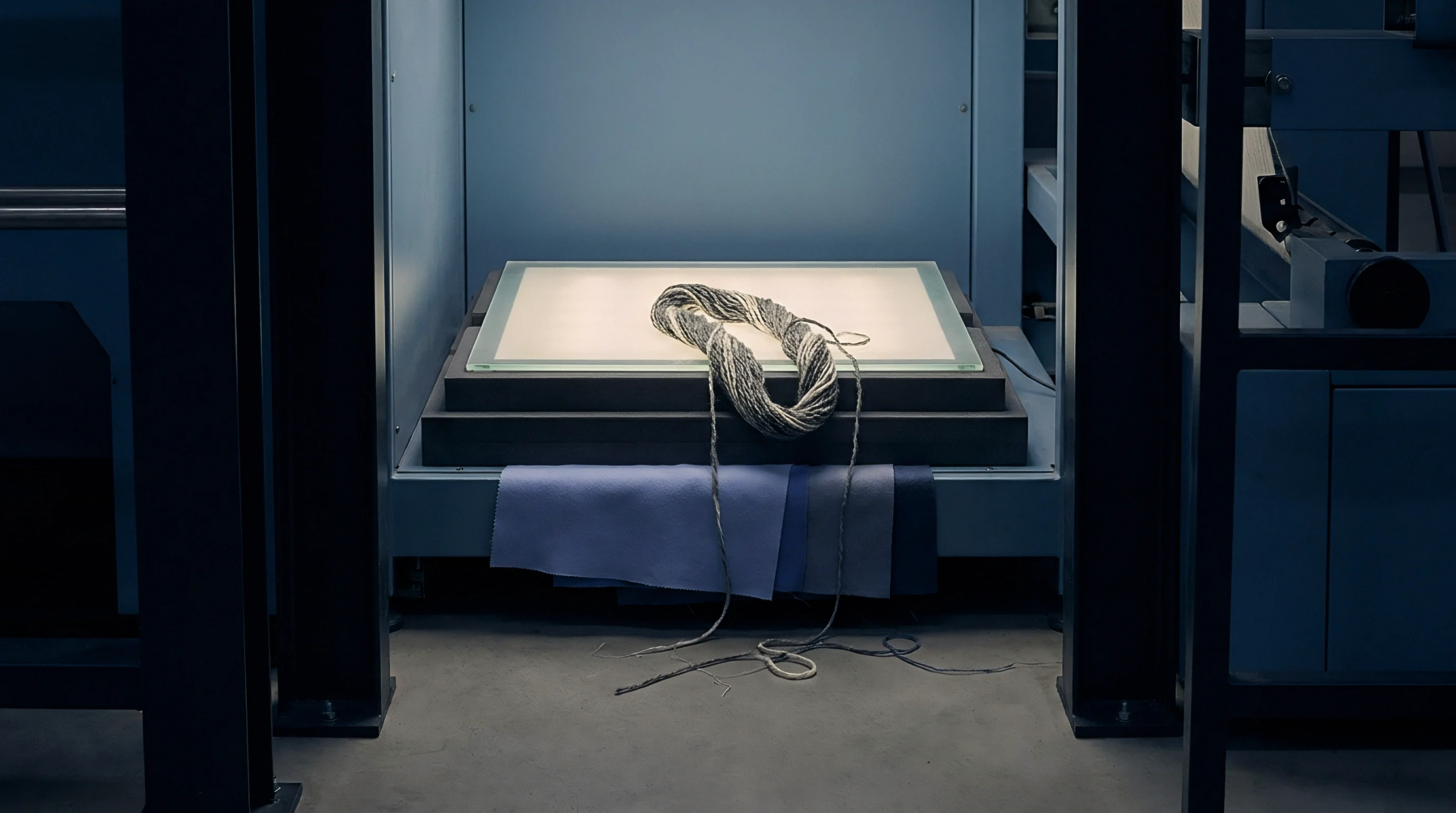
Quality control teams at the textile mill perform these inspections as the fabric is finished and rolled. The astm d5430 process requires a specialized inspection machine with a backlit screen and adjustable speed controls. Technicians must be trained to identify a wide range of defects including slubs, coarse yarns and dyeing streaks.
They record each finding in an inspection report that accompanies the fabric shipment. This data helps the mill identify recurring problems in the weaving or knitting rooms. Frequent audits of the inspection results ensure that the technicians are applying the standard correctly and consistently.
Regular calibration of the inspection equipment is necessary to maintain the accuracy of the length and width measurements. Reliable inspection data builds trust between the mill and its commercial partners.