Warping Process
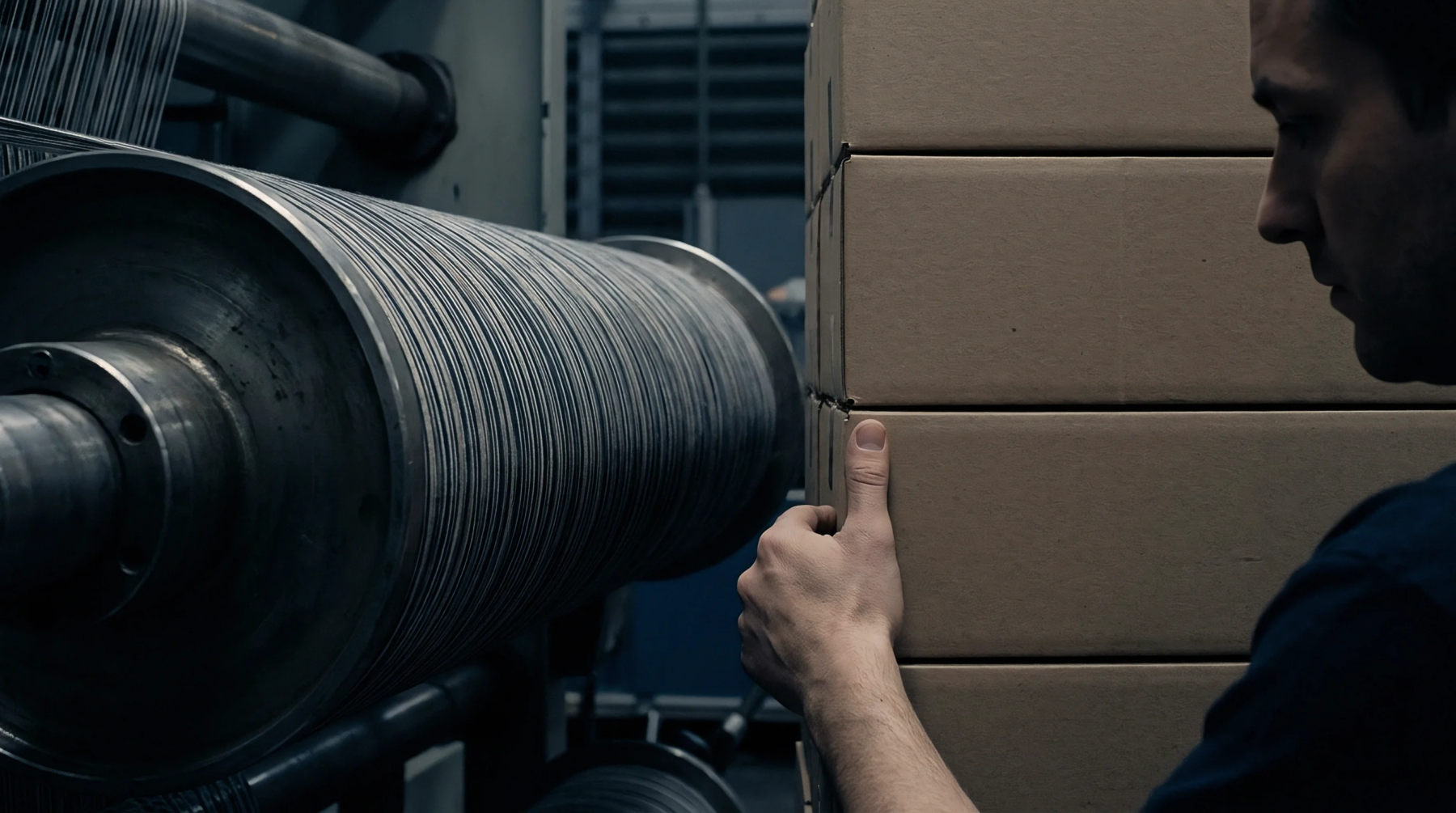
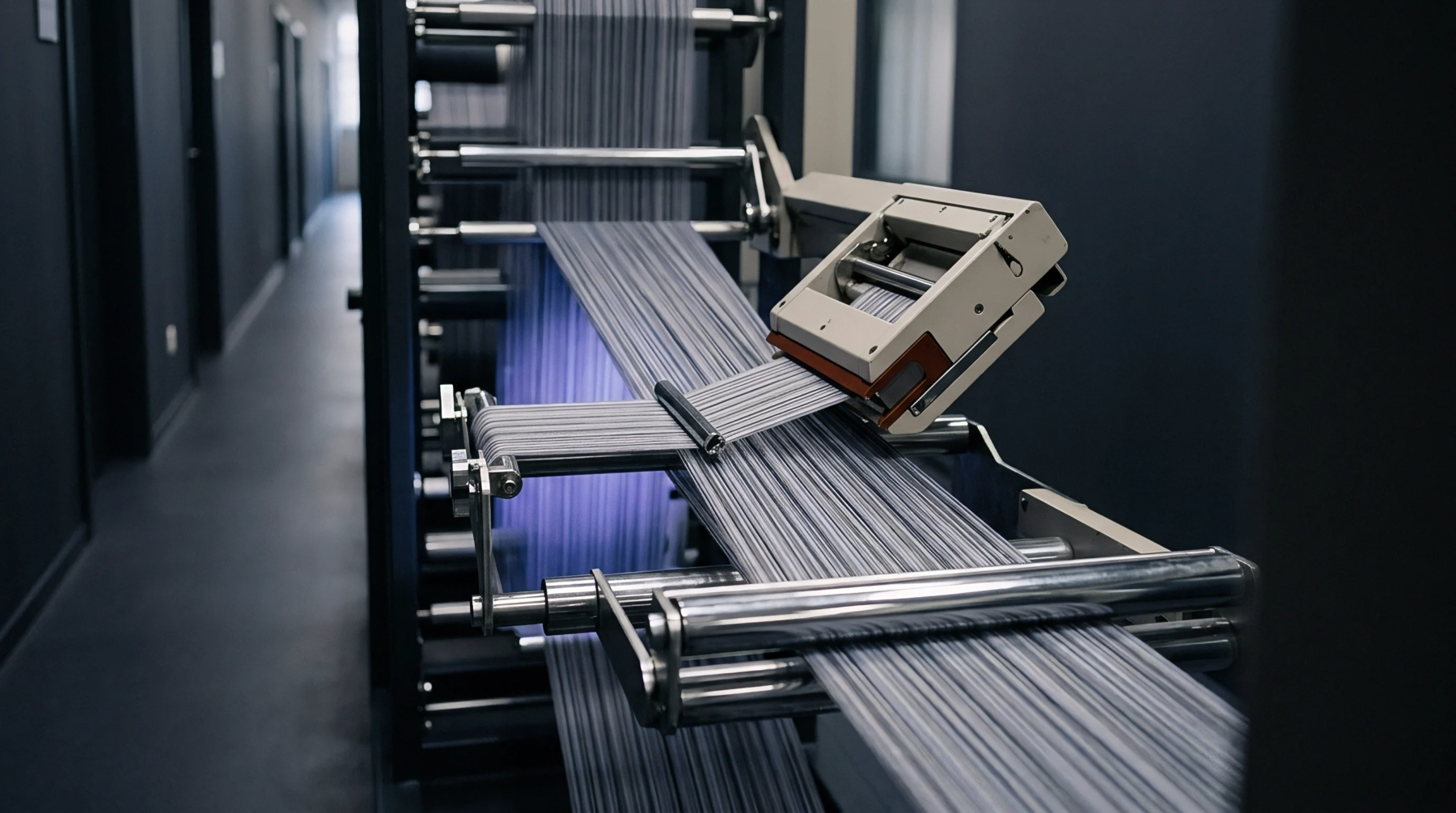
The parallel winding of thousands of yarn ends from a creel onto a beam at high velocity prepares the warp sheet for weaving. This industrial process, termed high speed warping, demands precise coordination to prevent yarn damage or breakage. It forms the foundation of fabric manufacturing by creating uniform beam density.
Tension Control
Uniform tension across all yarn ends on the beam is necessary to prevent weaving defects such as loose warp ends. During high speed warping, tension variations can occur due to yarn package depletion in the creel. Tension control units dynamically adjust the resistance on each strand to maintain uniformity.
This uniform tension prevents uneven shrinkage during subsequent fabric finishing.
Yarn Behavior
High running speeds create yarn ballooning and air drag that increase tension on each end. In high speed warping, yarn guides must be carefully positioned to minimize the balloon size and friction. These guides reduce the tension spikes that cause yarn failures.
Minimizing yarn breaks improves the efficiency of the weaving room.
Machine Design
Modern warping machines use advanced braking systems to stop the beam quickly when a yarn breaks. Because of the high momentum during high speed warping, rapid deceleration is required to prevent the broken end from getting lost on the beam. The brake must apply force evenly to prevent yarn slippage.
Automatic knotting devices are often integrated to speed up repair times. These mechanisms minimize downtime during a run. This quick-stop capability prevents the loose yarn end from being buried under subsequent layers.