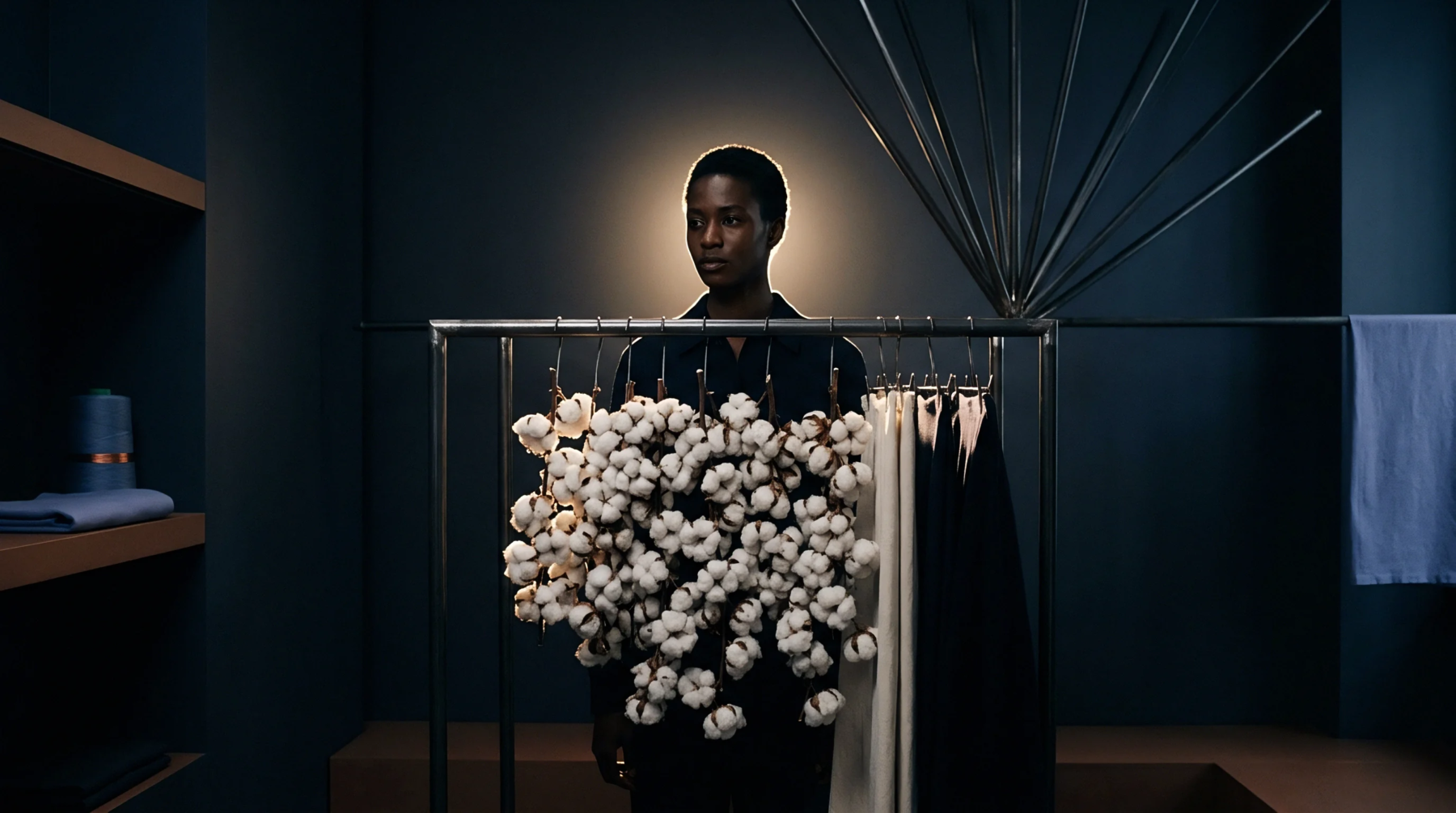
Greige Cotton Twill Singeing and Desizing Parameters
Optimize singeing with 10-12 mbar burner pressure at 100 m/min, followed by an amylase quench and 95°C washing to achieve Tegewa 8+ desizing on cotton twill.
Optimize singeing with 10-12 mbar burner pressure at 100 m/min, followed by an amylase quench and 95°C washing to achieve Tegewa 8+ desizing on cotton twill.
Thermal greige storage recrystallizes sizing starches and oxidizes softeners, demanding multi-enzyme remediation to prevent costly dyeing rejections.
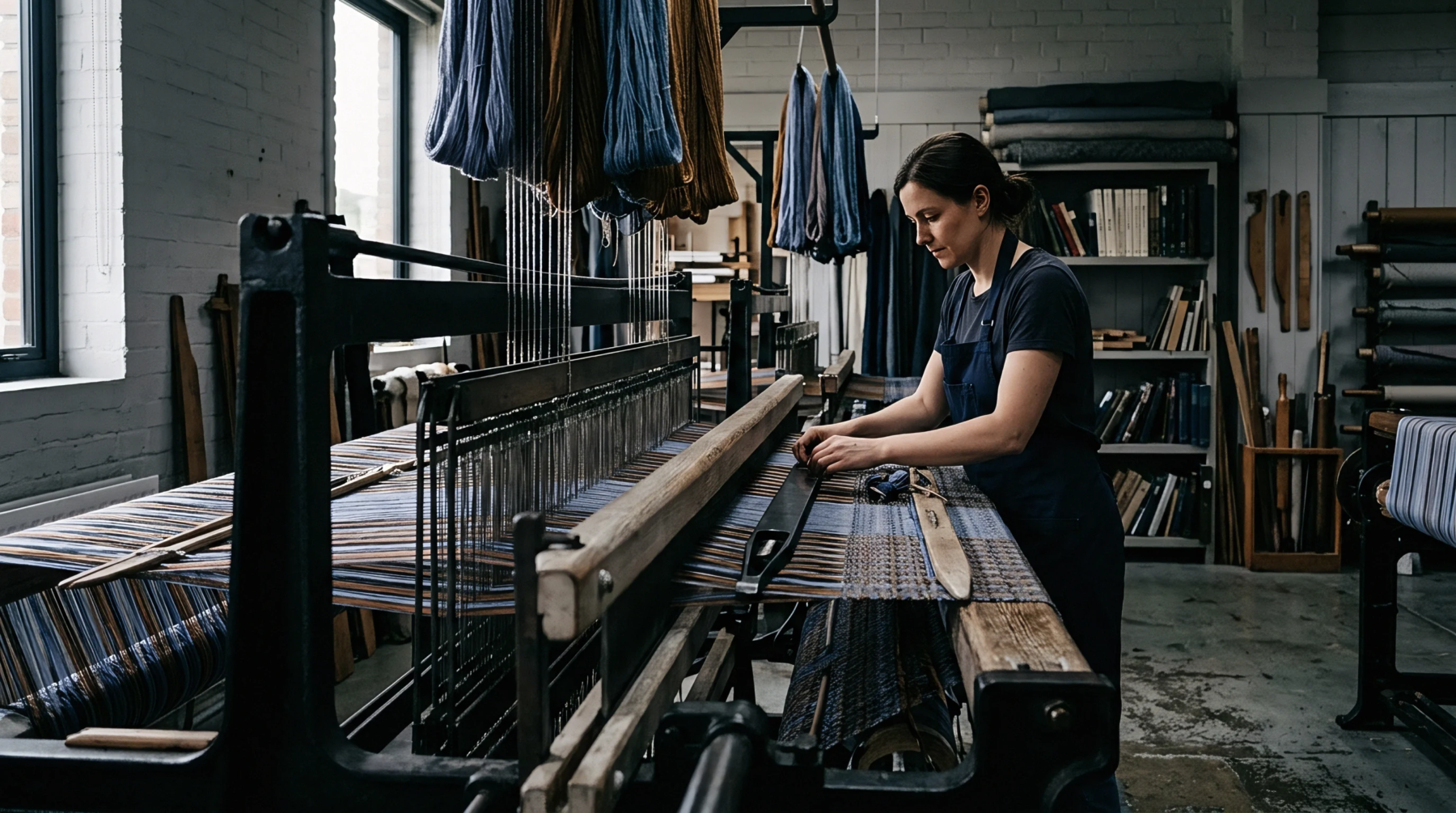
Balance PVA-starch ratios between 30:70 and 50:50 to secure film elongation above 7 percent, limiting loom stops while controlling desize COD load and size costs.
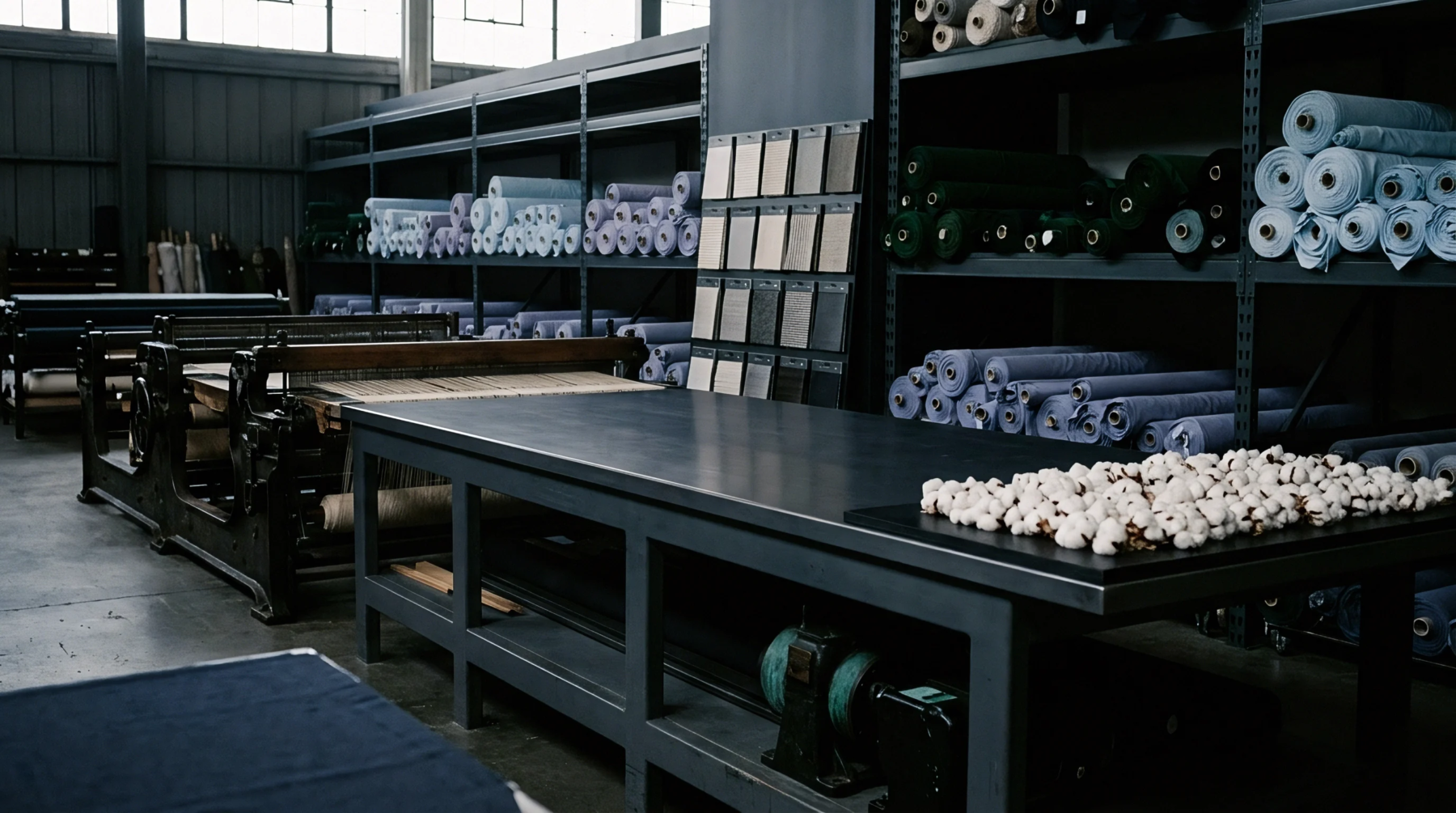
Audit scopes must encompass spinning inputs through subcontract finishing lines to hold prime vendors liable for latent wet processing defects.
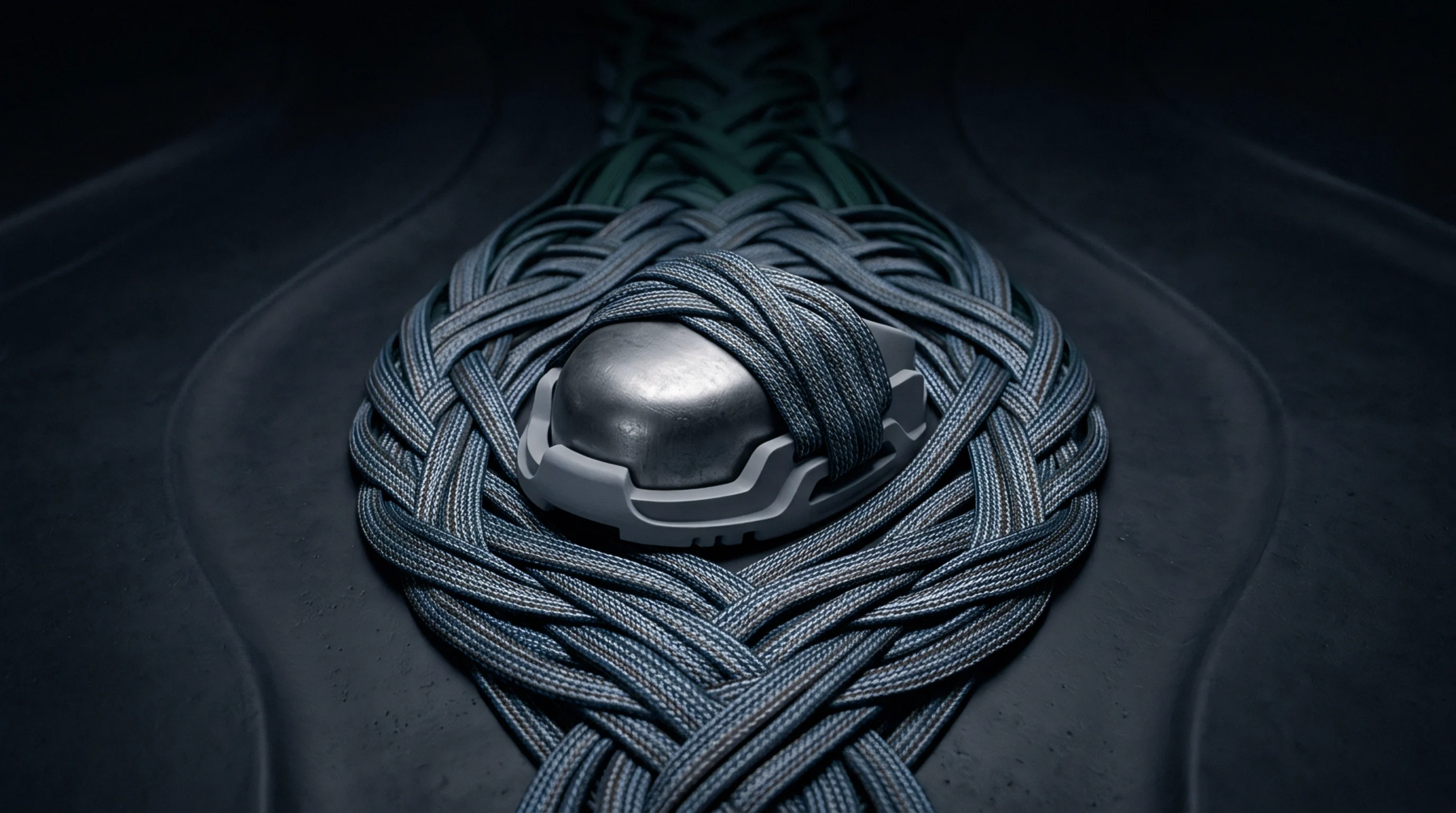
Greige qualification governs wet processing uptake through conditioned mass accounting, chemical size identification, capillary absorbency, and bow tolerances.
Preparation of heavy cotton twill requires 85-degree flame singeing, dual-dip enzymatic desizing, open-width alkaline scouring, and 28 Baumé mercerization.
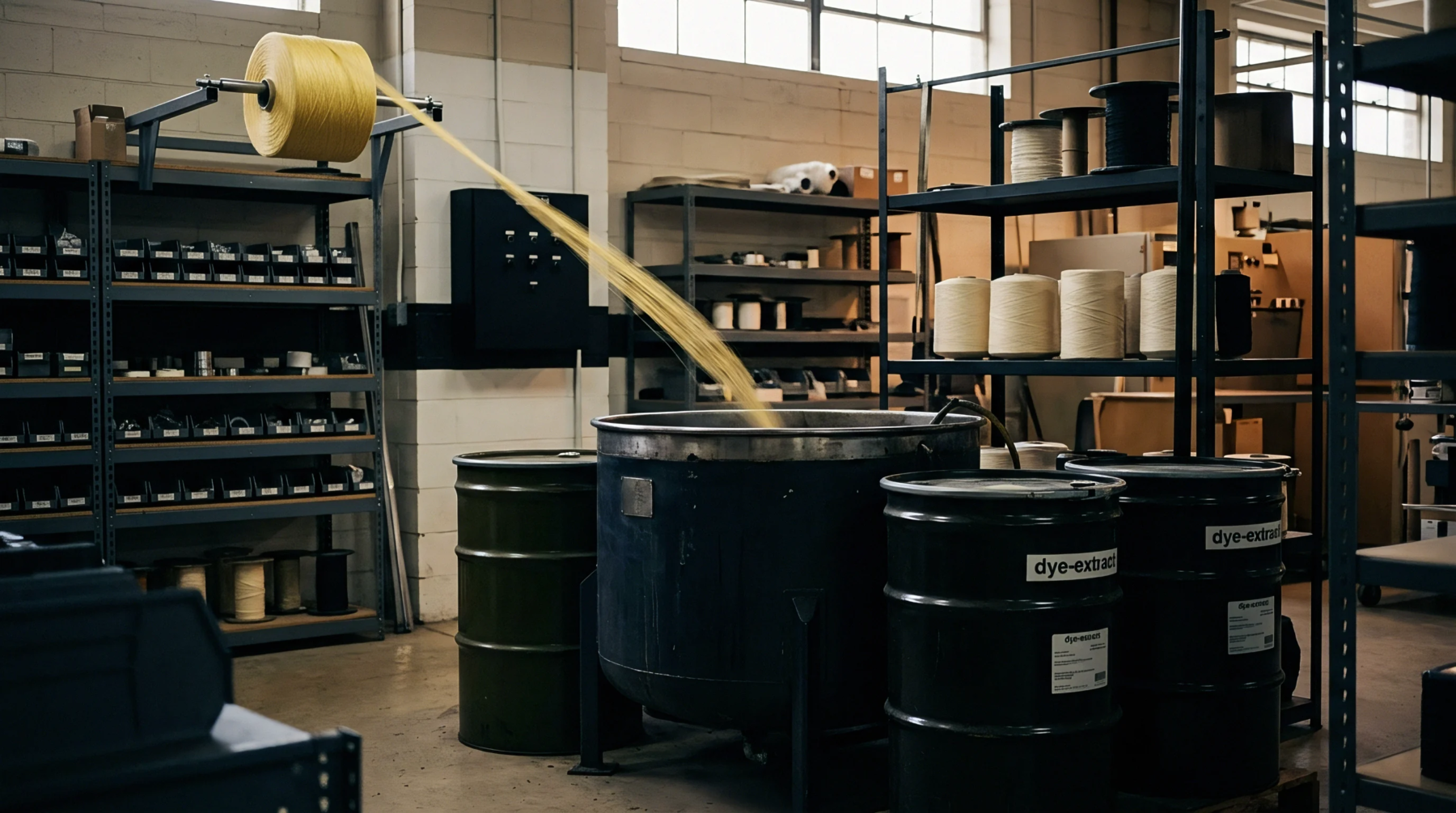
Uncontrolled greige storage triggers moisture migration, lipid autoxidation, and sizing retrogradation, which impair surface wettability and cause severe dye absorption variances.
Expertise is a utility, not a secret. sentiention™ publishes its working knowledge as open reference: intelligence layer covering the materials it sources, the markets it enters, and the reference that serves both.