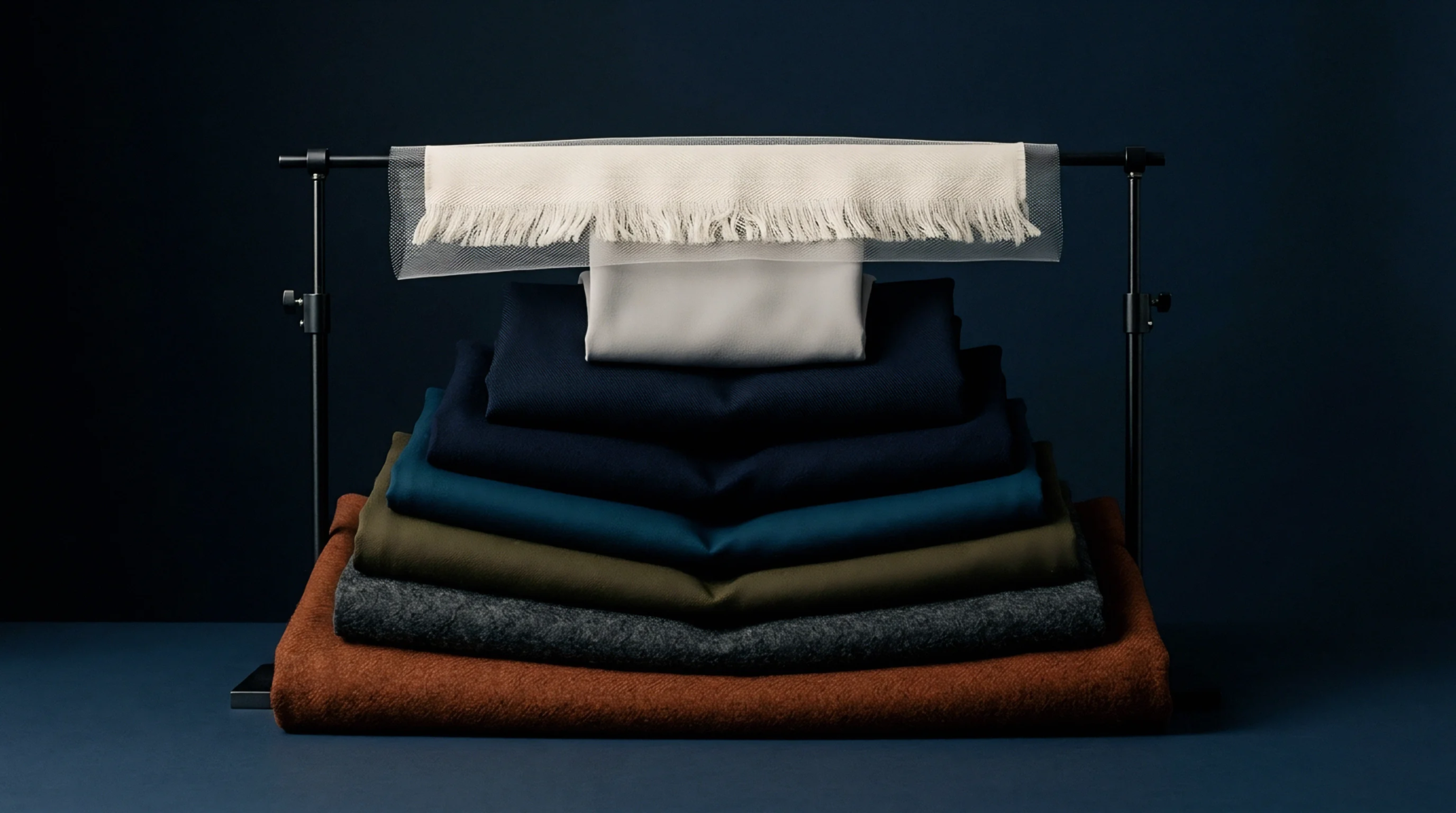
Diagonal Profile Burnoff
Thermal surface treatment machinery burns away protruding fiber ends from woven fabric surfaces using targeted gas flames or heated elements. When processing diagonal weave structures, twill rib singeing adjusts burner positions and fabric entry angles to clean fiber fuzz from the valleys and prominent ridges of twill lines without scorching the base structure. This targeted heat application preserves clear diagonal weave definitions required for uniform dyeing and coating.
The operation ceases to function safely if web speed drops below predetermined thresholds or burner flame geometry becomes irregular.
Flame Angle Orientation
Gas burners mounted on adjustable swivel assemblies direct high-velocity flames toward the moving fabric web at specific angles. During twill rib singeing, setting the flame angle relative to the twill direction allows thermal energy to penetrate the diagonal grooves between adjacent yarns. Directing flames against the weave direction lifts loose fiber ends into the flame zone for complete combustion.
Incorrect burner alignment leaves unburned fiber hairiness in the weave valleys, causing dull fabric appearance after dyeing.
Thermal Intensity Boundary
Flame temperature, burner distance, and fabric speed determine the thermal energy delivered to the cloth surface. Executing twill rib singeing requires precise balance between complete fiber removal and fabric strength retention. Synthetic fiber blends require lower flame intensity or indirect singing to prevent melt bead formation along the twill ridges.
Technicians verify water-cooled burner backing rolls to prevent overheating the fabric core.
Surface Clarity Output
Uniform fiber removal creates smooth fabric surfaces essential for high-definition printing and level dye uptake. Proper execution of twill rib singeing produces clean twill lines and reduces pilling tendencies in finished garments. Insufficient flame exposure yields fuzzy surfaces and spotty dyeing defect patterns.