Chemical Treatment
A wet processing method treats cotton fibers with a concentrated sodium hydroxide solution to improve their physical properties. During caustic mercerization, the flat, twisted cotton fibers swell and change from a kidney-shaped cross section to a rounded, cylindrical form. This modification increases the fiber luster and its affinity for dyes, making the textile more receptive to reactive and direct colorants.
The process is restricted to cellulosic materials.
Fibre Swelling
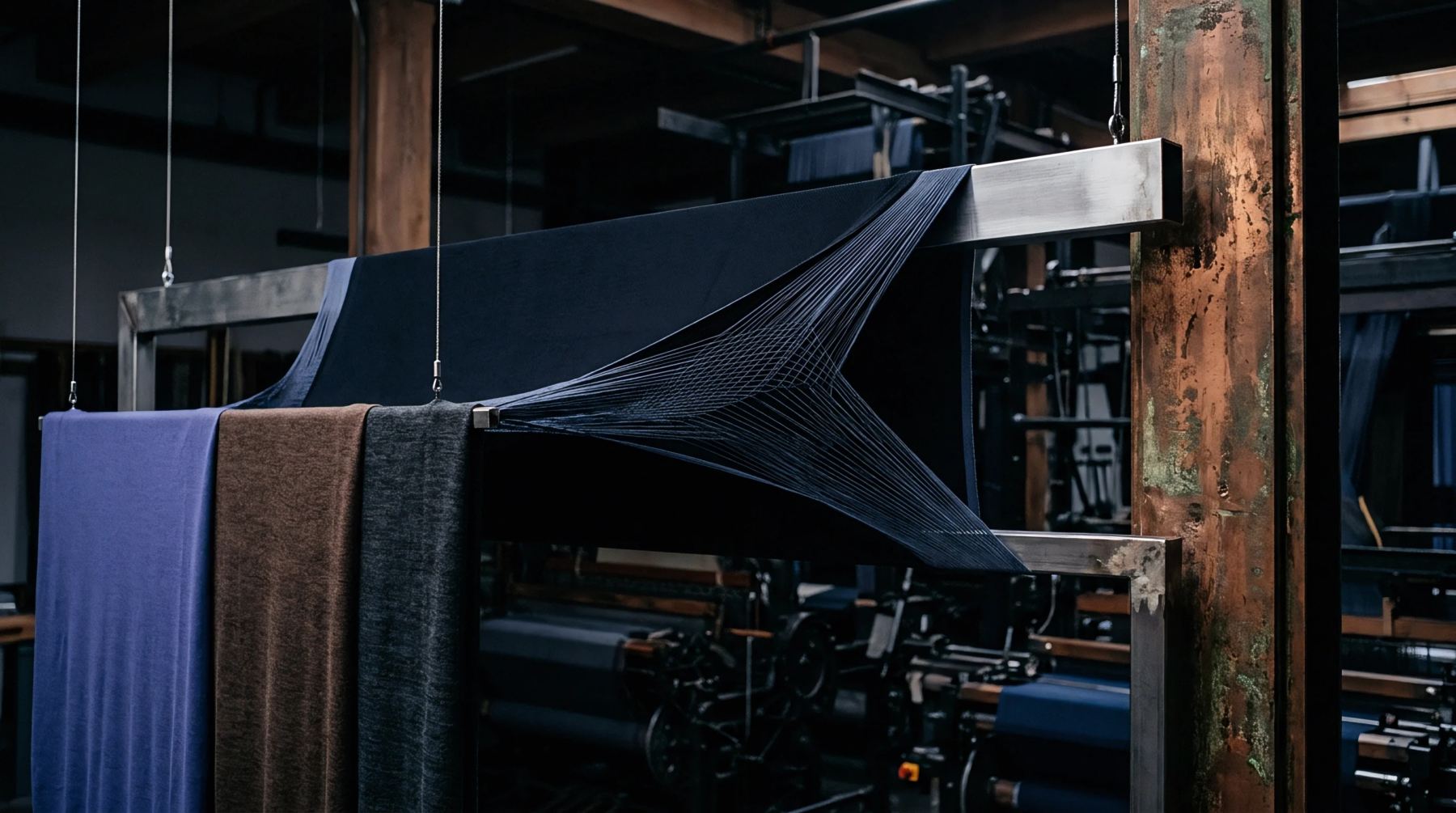
Applying tension during the chemical immersion is necessary to prevent the fabric from shrinking uncontrollably. The tension aligns the internal polymer chains, which increases the tensile strength of the yarns. The chemical reaction completes within seconds, after which the caustic solution must be thoroughly washed out.
Tensile Enhancement
Uncontrolled temperatures during the bath can lead to uneven swelling and patchy dye absorbency in the finished fabric. Lower temperatures enhance the swelling effect but increase the viscosity of the caustic solution, making even penetration difficult. The concentration of the bath is monitored constantly.
Process Limit
Inspected fabrics exhibit a permanent increase in luster, higher dye yields, and improved dimensional stability. This chemical step represents a major preparation phase for premium cotton apparel and home textiles. It does not apply to synthetic fibers that are sensitive to strong alkaline solutions.