Elastomer Chemistry
Synthetic polymers derived from the reaction of diisocyanates with long chain polyether diols constitute a distinct chemical group. These substances known as polyether polyurethane function as high performance elastic materials within textile applications where hydrolysis resistance determines service life. The manufacturing process involves polyaddition reactions forming urethane linkages between segments to create a soft matrix alongside hard crystalline domains.
Chemical stability remains the governing principle during production, as the ether linkage prevents the degradation common in polyester alternatives under humid conditions. The boundary of this class resides at the point where ether groups lose their structural stability under extreme oxidative stress, necessitating specific stabilizers during the initial synthesis to prevent chain scission throughout the lifespan of the garment.
Fibre Processing
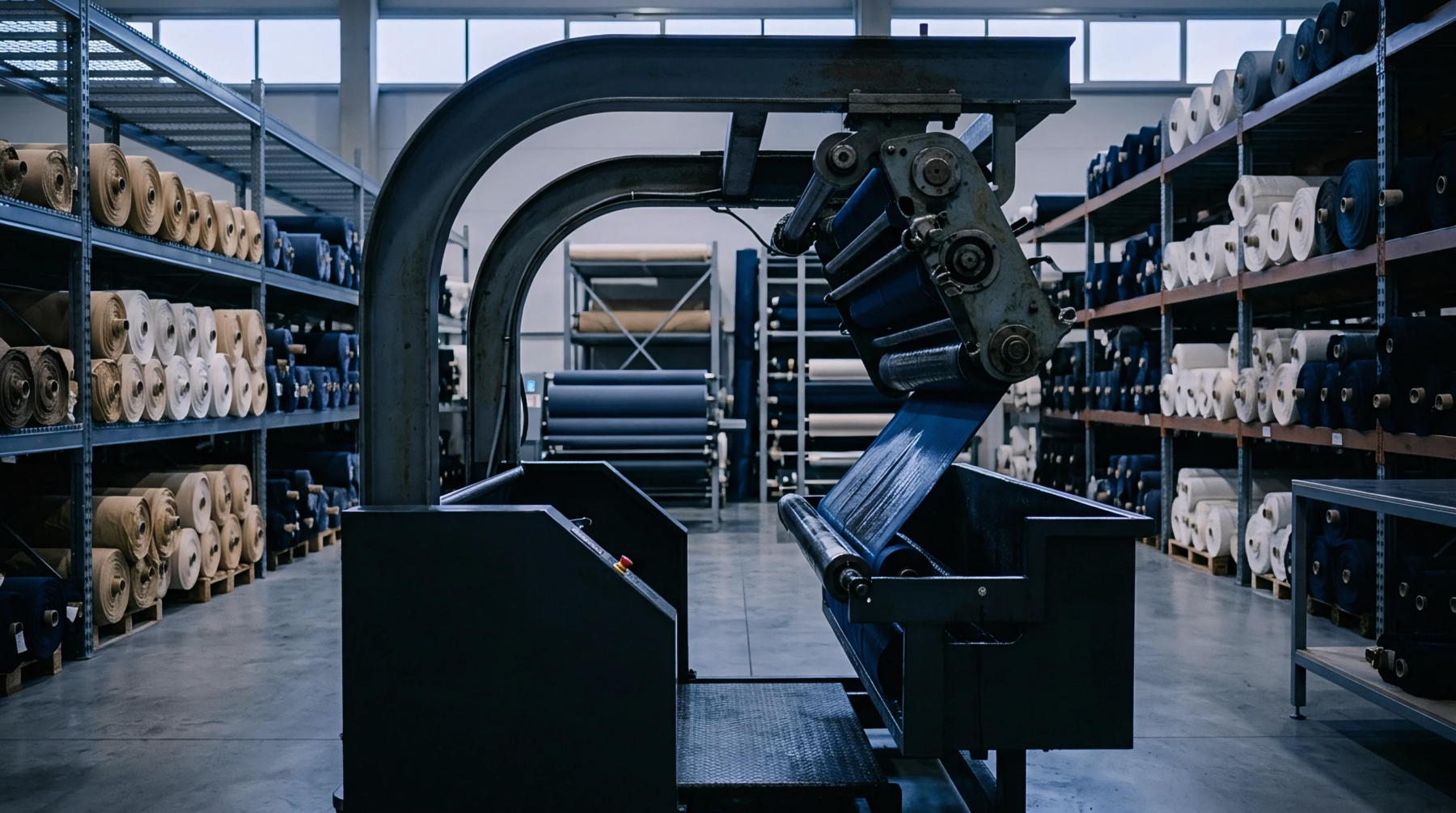
Mechanical extrusions transform raw pellets into continuous filaments used in high stretch textiles. Producers feed polyether polyurethane into specialized spinners where heat and mechanical shear ensure uniform molecular weight distribution across the melt stream. This consistency allows for predictable recovery force after repeated extension cycles in athletic wear or intimate apparel.
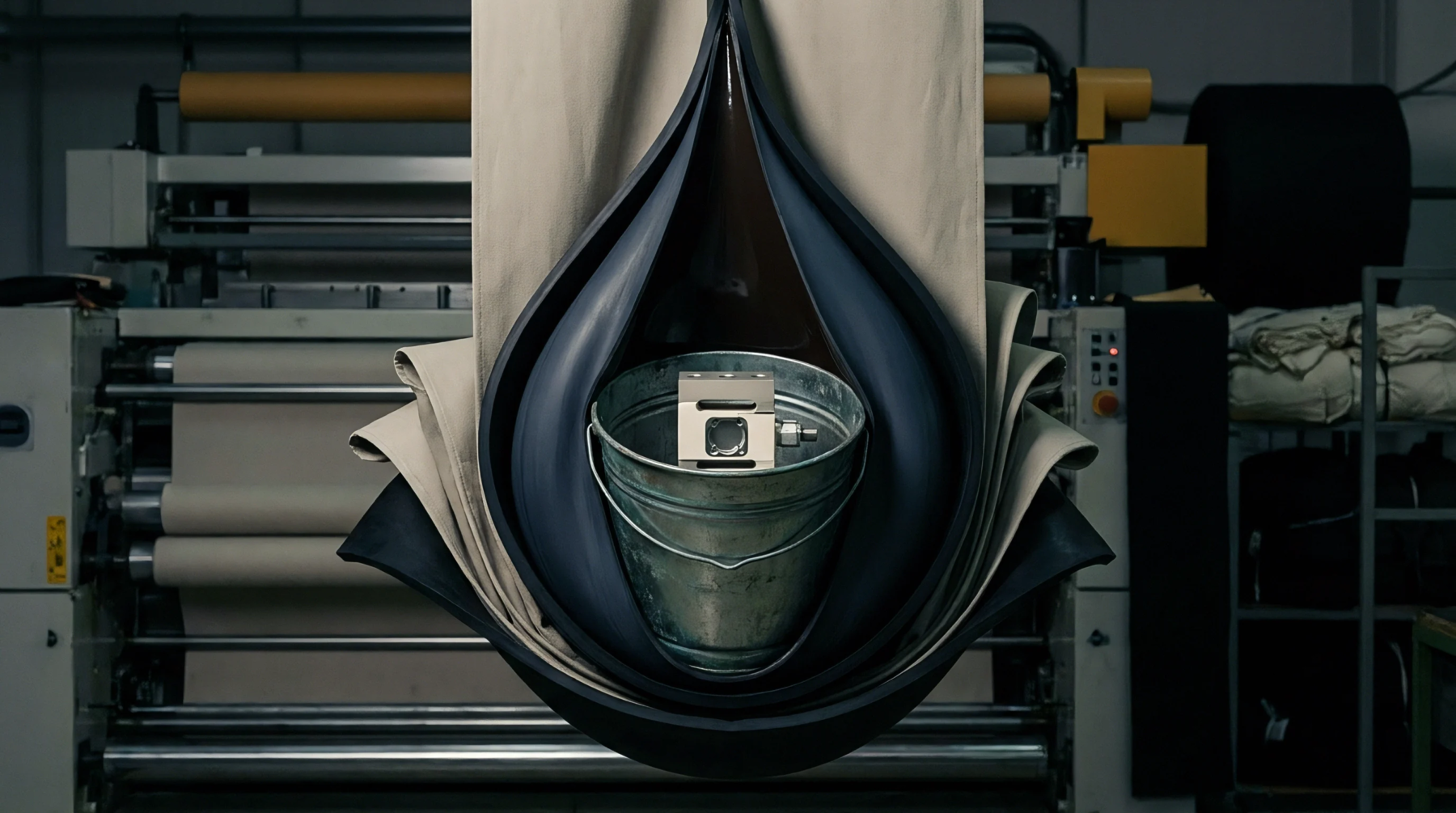
Mills verify quality through tension tests performed on calibrated equipment to confirm that the modulus remains within strict tolerance levels during the drawing stage. Any variation in the polyether backbone creates inconsistent spool performance, forcing workers to adjust machine speed or temperature to maintain the required denier. Fabrics containing this material demonstrate superior resistance to microbial growth and chemical cleaners which maintain the physical properties of the construction after long exposure to laundering agents.
Chemical Durability
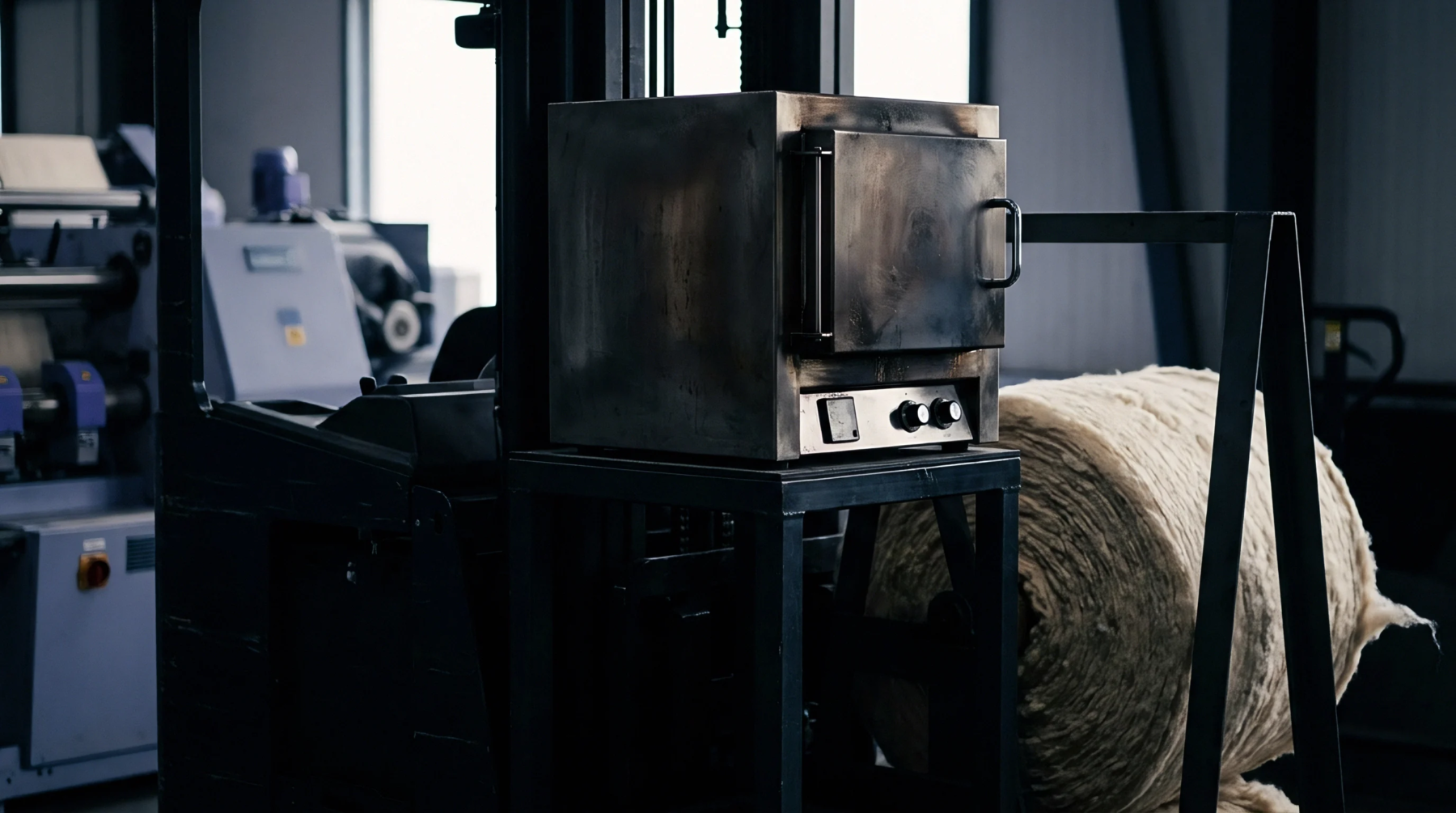
Hydrolytic stability dictates the performance profile of polyether polyurethane in tropical environments. Polymers containing ether linkages resist the breakdown caused by water molecules that otherwise cleave the ester bonds in competing chemical architectures. Testing involves placing samples in climate chambers with high humidity and temperature to monitor mass loss and modulus degradation over a fixed duration.
Results provide a definitive assessment of the expected structural integrity during the use phase for products shipped to regions with heavy moisture. Suppliers perform infrared spectroscopy on random batches to verify the absence of structural contaminants that trigger premature decay. This analytic verification ensures that the final component retains elastic memory under conditions that would otherwise cause physical failure or stickiness on the surface of the fibre.
Quality Verification
Technical teams execute standardized test protocols at the factory gate to confirm that polyether polyurethane matches the specification sheets provided by the resin manufacturer. Verification starts with the assessment of solvent solubility which confirms the complete reaction of the monomers. Technicians measure the elastic modulus of the fibre after stretching it to specific percentages to determine the force decay profile over time.
Accurate reporting identifies the precise point of hysteresis where the material loses the capacity to return to its original length. These metrics prove the adequacy of the chemical formulation for demanding applications where durability remains the primary requirement for successful production. Strict monitoring of these physical parameters guarantees that finished goods maintain their shape throughout the functional lifecycle of the product.