Yarn Count
Analytical evaluation of linear mass density determines yarn count under standard atmospheric conditioning through gravimetric measurement of measured lengths. ASTM D1059 standardizes the determination of yarn number from packaged forms or woven fabrics by extracting specific specimen dimensions. Mill laboratories apply this procedure to verify delivery specifications against commercial purchase orders before dyeing or finishing processes begin.
Fabric weight calculations depend directly upon accurate linear density values obtained from these extracted specimens.
Specimen Extraction
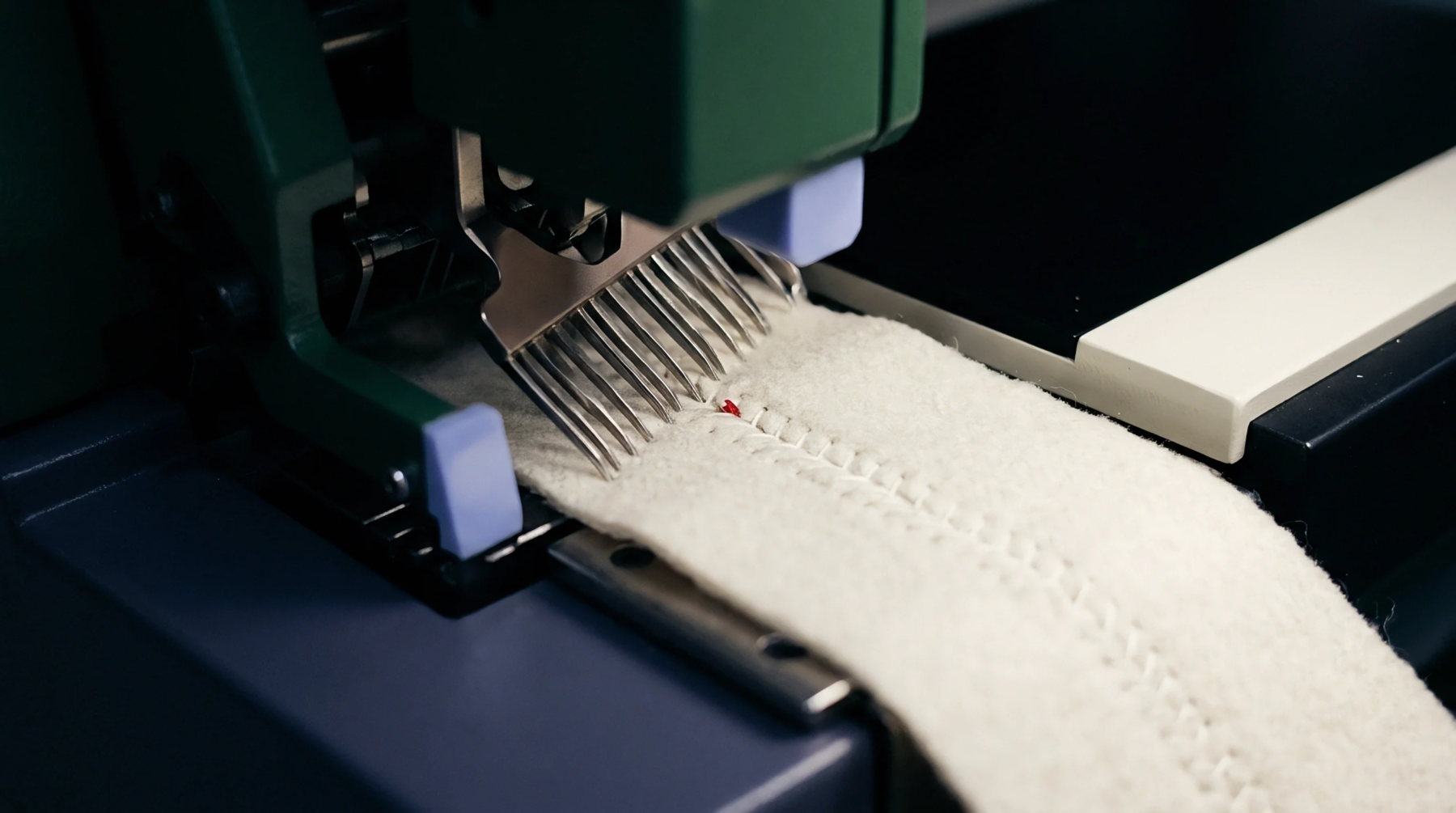
Dimensional extraction protocols require isolating predetermined lengths from fabric swatches using precision cutting dies or multi-strand tension frames. Technicians straighten crimped yarns by applying specified tension weights calculated from known linear densities during preliminary trials. Conditioning procedures mandate exposing prepared specimens to standard moisture equilibrium conditions prior to mass determination on analytical balances.
Ambient humidity fluctuations alter moisture regain levels in hygroscopic fibers, necessitating strict environmental chamber controls throughout the weighing sequence.
Gravimetric Calculation
Mathematical formulas convert measured mass and length data into standard yarn numbering systems including tex denier and cotton count. Mass values recorded in milligrams are divided by total specimen length expressed in meters to establish direct mass per unit length metrics. Conversion factors adjust raw numerical outputs to reflect designated commercial moisture regain allowances specified in related material standards.
Automated laboratory scales interface with calculation software to minimize transcription errors during high volume production audits.
Commercial Tolerance
Verification results establish financial liability when delivered goods deviate from agreed linear density limits defined in supply contracts. Mill management uses these verification reports to settle pricing disputes regarding short weight shipments or excessive moisture content in raw yarn purchases. Quality control managers reject batches failing to meet specified linear density tolerances because yarn irregularity causes uneven dye uptake during piece dyeing operations.