
Determining Recovered Yarn Linear Density from Woven Fabrics
Determining recovered yarn linear density involves unraveling measured lengths, removing crimp under standardized tension, and correcting dry mass for size.
Determining recovered yarn linear density involves unraveling measured lengths, removing crimp under standardized tension, and correcting dry mass for size.

Reconciling cut sample and lea skein mass discrepancies requires applying crimp contraction factors, perimeter edge-loss multipliers, and ISO 139 moisture equilibrium parameters.

Accurate direct linear density verification in ring spun yarn demands exact tension control, moisture regain correction, and calibrated specimen lengths.
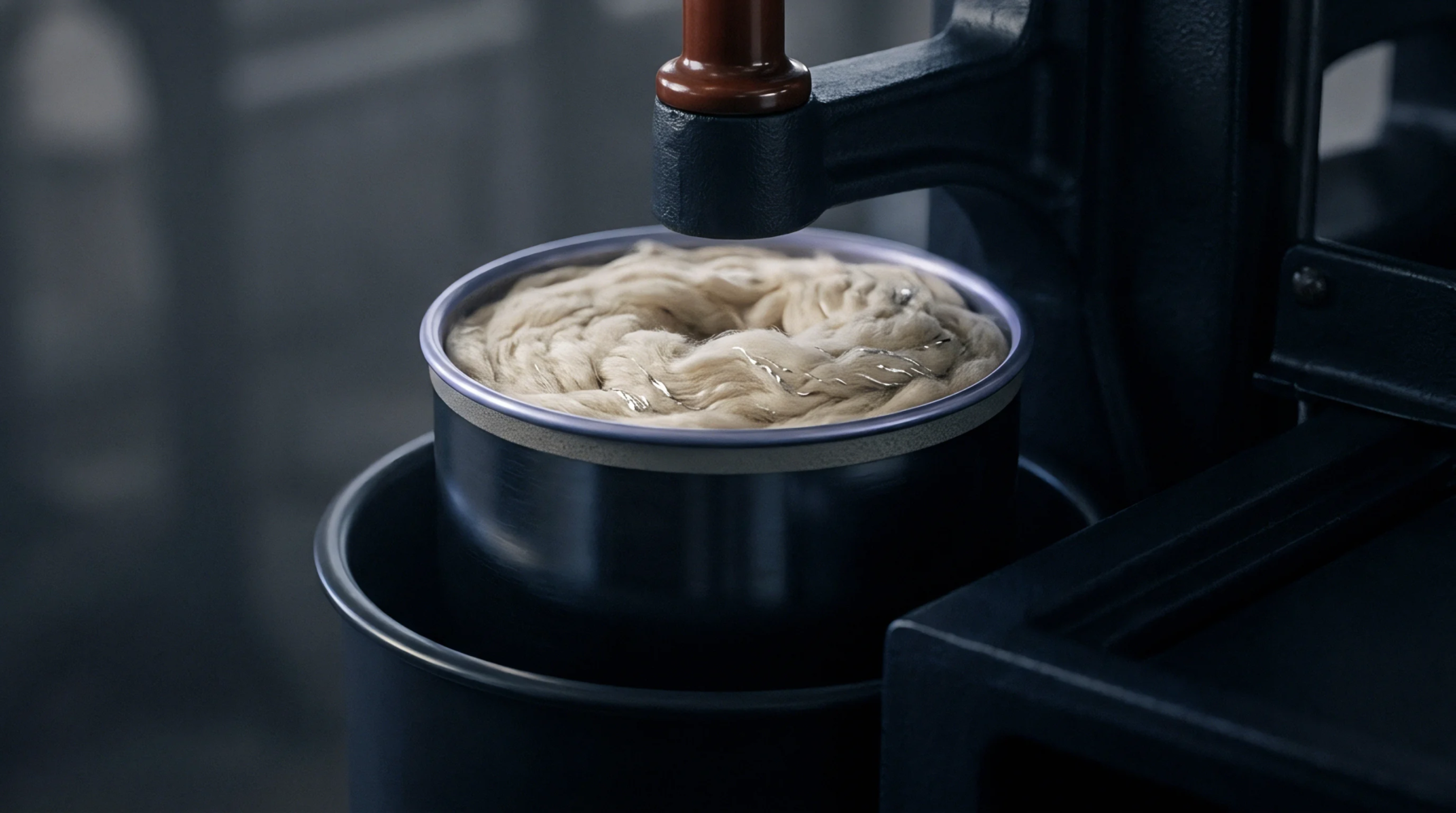
Direct linear density determination in staple yarns requires standard atmospheric conditioning, reel tension calibration, and commercial regain adjustments to verify contractual Tex accuracy.
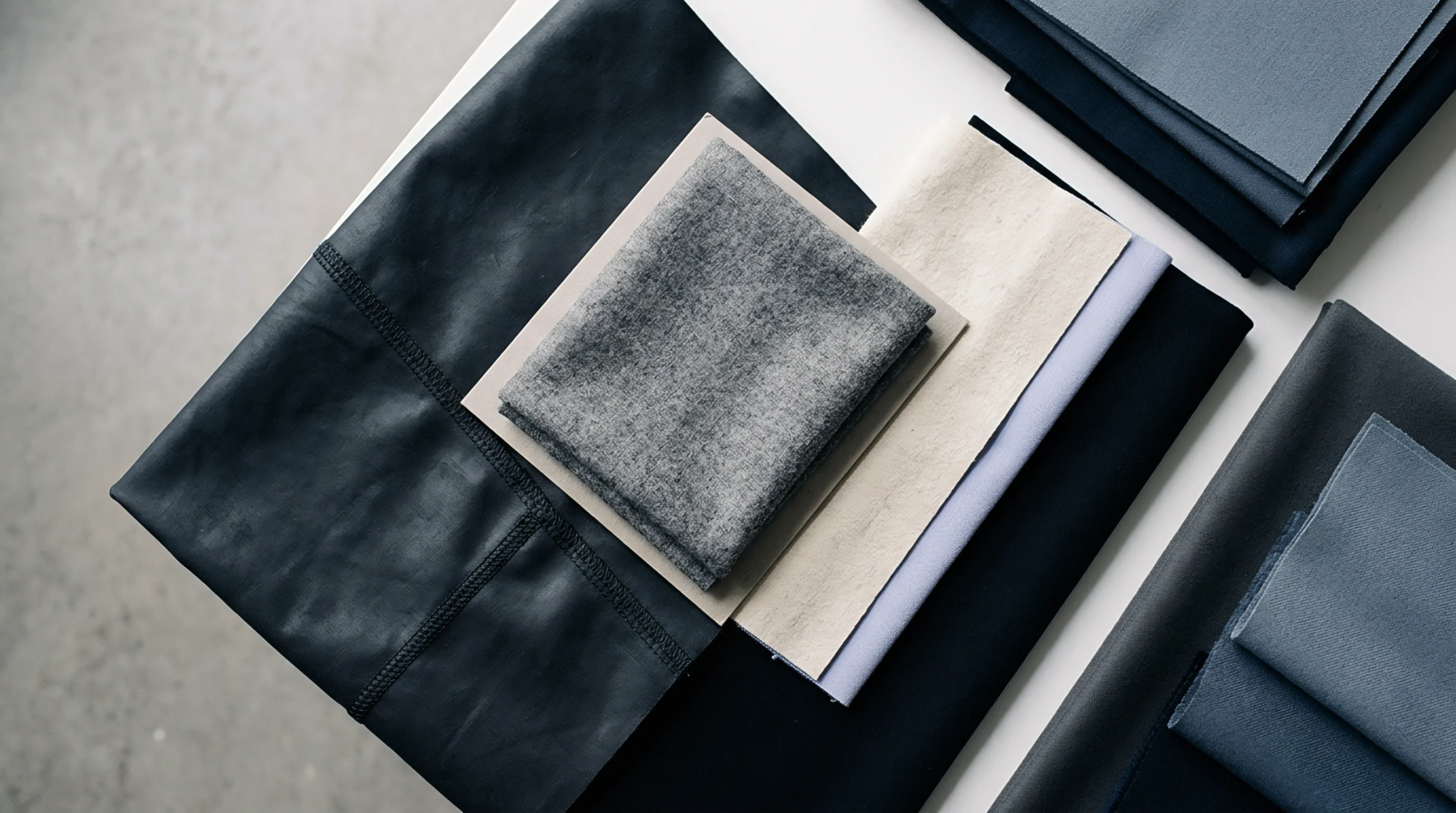
Accurate woven mass calculation requires modeling yarn counts, crimp percentages, sizing removal, and moisture regain across every step from loom shed to final invoice.
Expertise is a utility, not a secret. sentiention™ publishes its working knowledge as open reference: intelligence layer covering the materials it sources, the markets it enters, and the reference that serves both.