
Standardizing Cut Length Specimen Tensioning for Ring Spun Density Audit
Standardizing specimen pretensioning at 0.5 cN per tex during cut length density audits eliminates crimp skew and ensures accurate fabric weight verification.
Standardizing specimen pretensioning at 0.5 cN per tex during cut length density audits eliminates crimp skew and ensures accurate fabric weight verification.

Dynamic hydraulic header balancing and nitrogen expansion tank padding prevent nozzle cavitation and rope speed divergence during fast vessel thermal ramps.
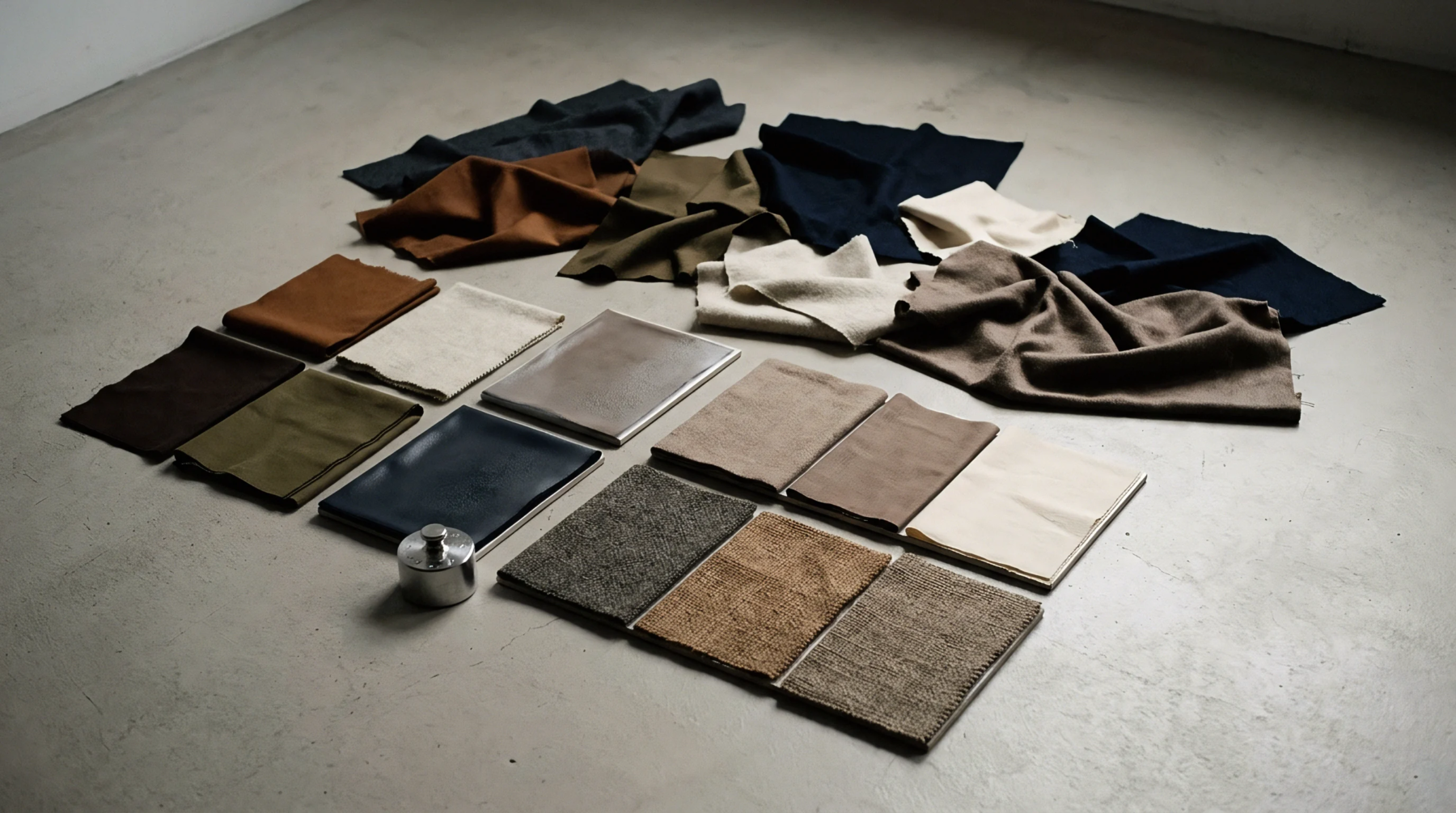
Reconciling woven fabric invoices requires deducting size solids and applying standard moisture regain to oven-dry mass before validating linear yield.

Greige qualification governs wet processing uptake through conditioned mass accounting, chemical size identification, capillary absorbency, and bow tolerances.
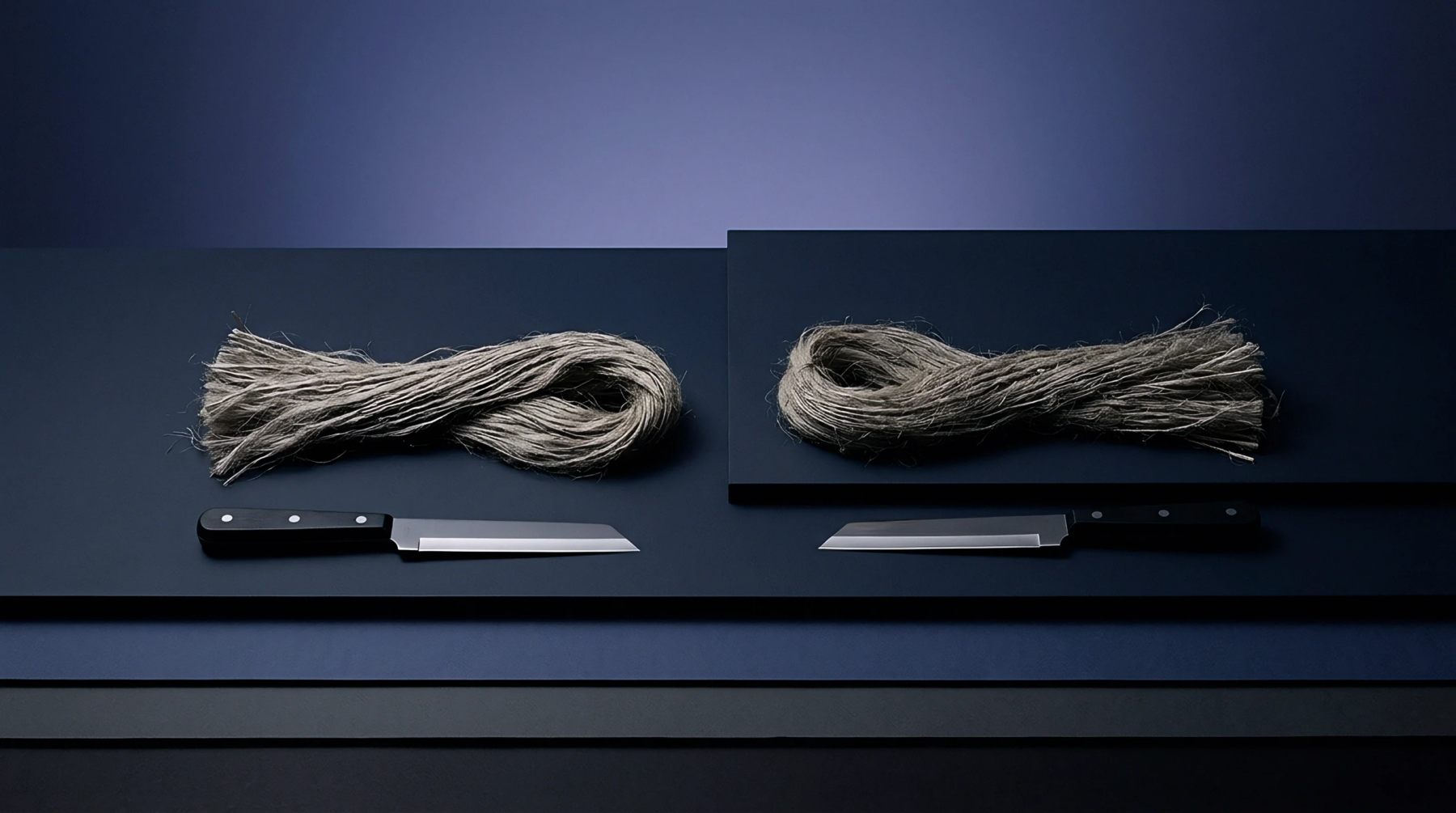
Reconciling cut sample and lea skein mass discrepancies requires applying crimp contraction factors, perimeter edge-loss multipliers, and ISO 139 moisture equilibrium parameters.
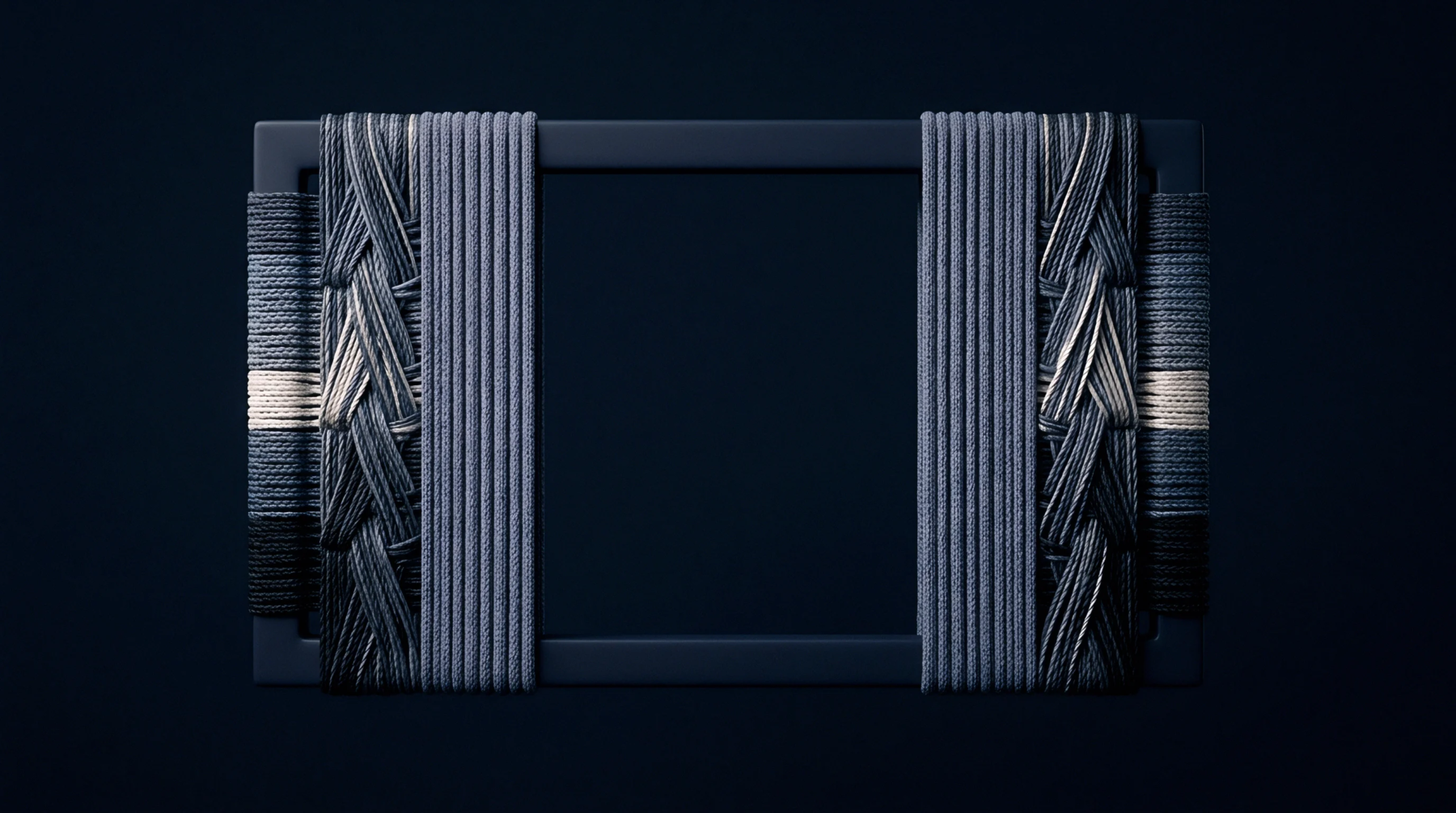
Reconcile woven fabric purchases by calculating linear yield from conditioned mass and usable cuttable width under ISO 3801 and ISO 139 parameters.
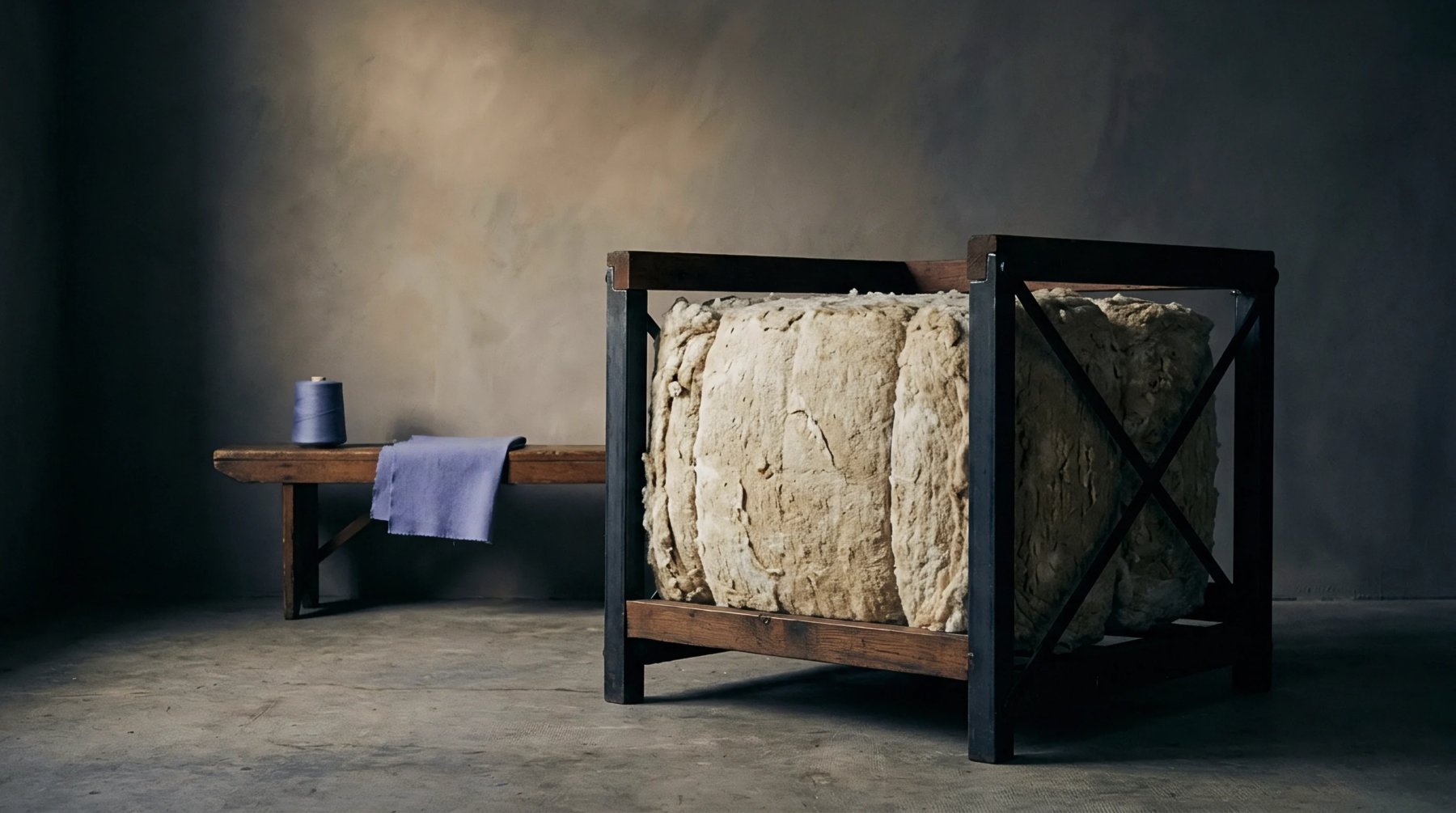
Contractual weight tolerance bands govern linear yardage yield, moisture regain adjustments, and cutting room markers to protect garment cost margins.

Fabric mass per unit area is calculated by combining yarn linear density, thread count, and crimp factors across conditioned warp and weft system dimensions.
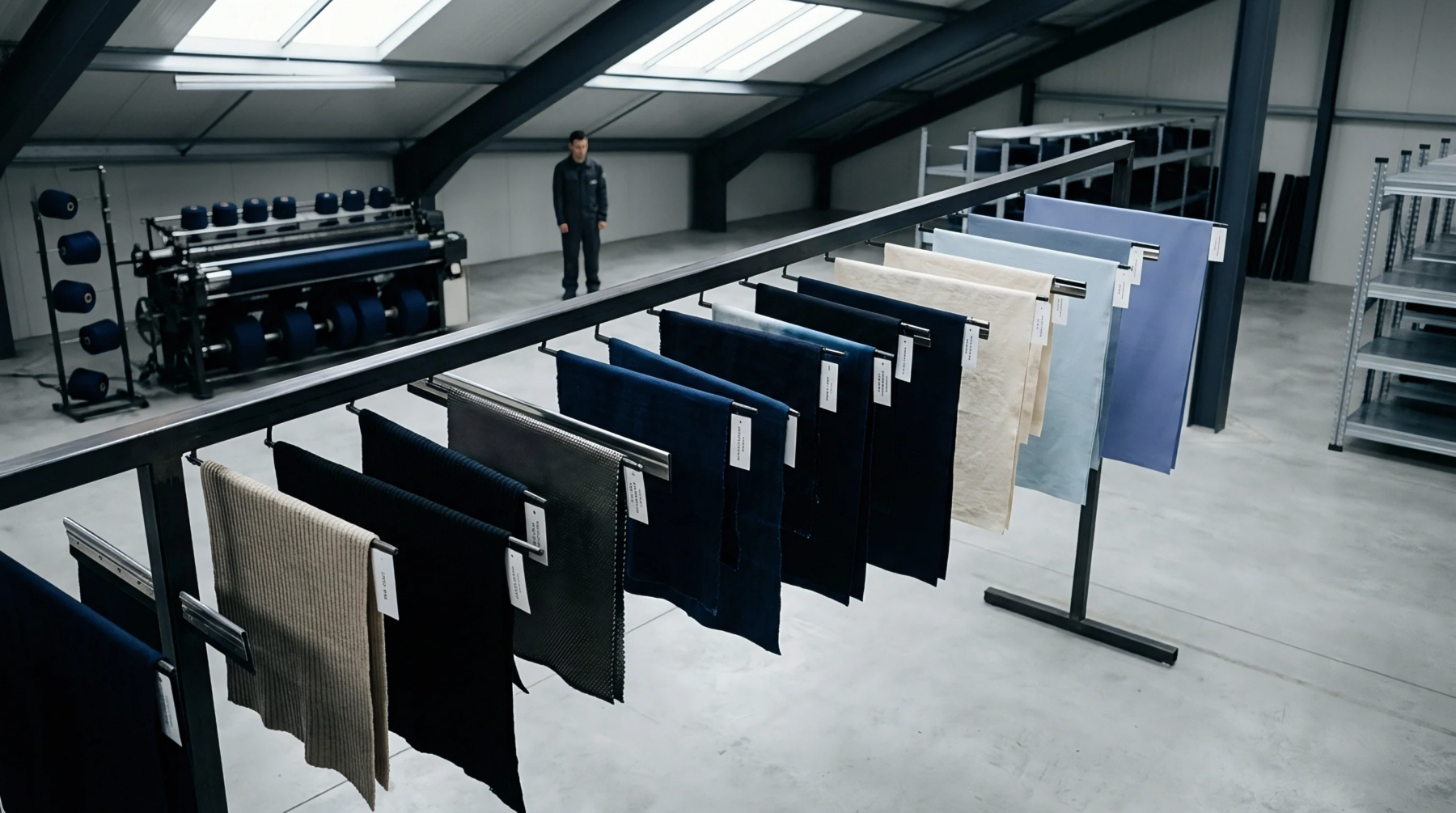
Fabric weight tolerance written as a mill range holds commercial validity only when tested under ISO 139 standard atmosphere using ISO 3801 methods.

Minimum colour quantities set dye vessel efficiency and enforce range plan fabric allocations long before garment sketches reach the pattern desk.
Expertise is a utility, not a secret. sentiention™ publishes its working knowledge as open reference: intelligence layer covering the materials it sources, the markets it enters, and the reference that serves both.