Loop Formation
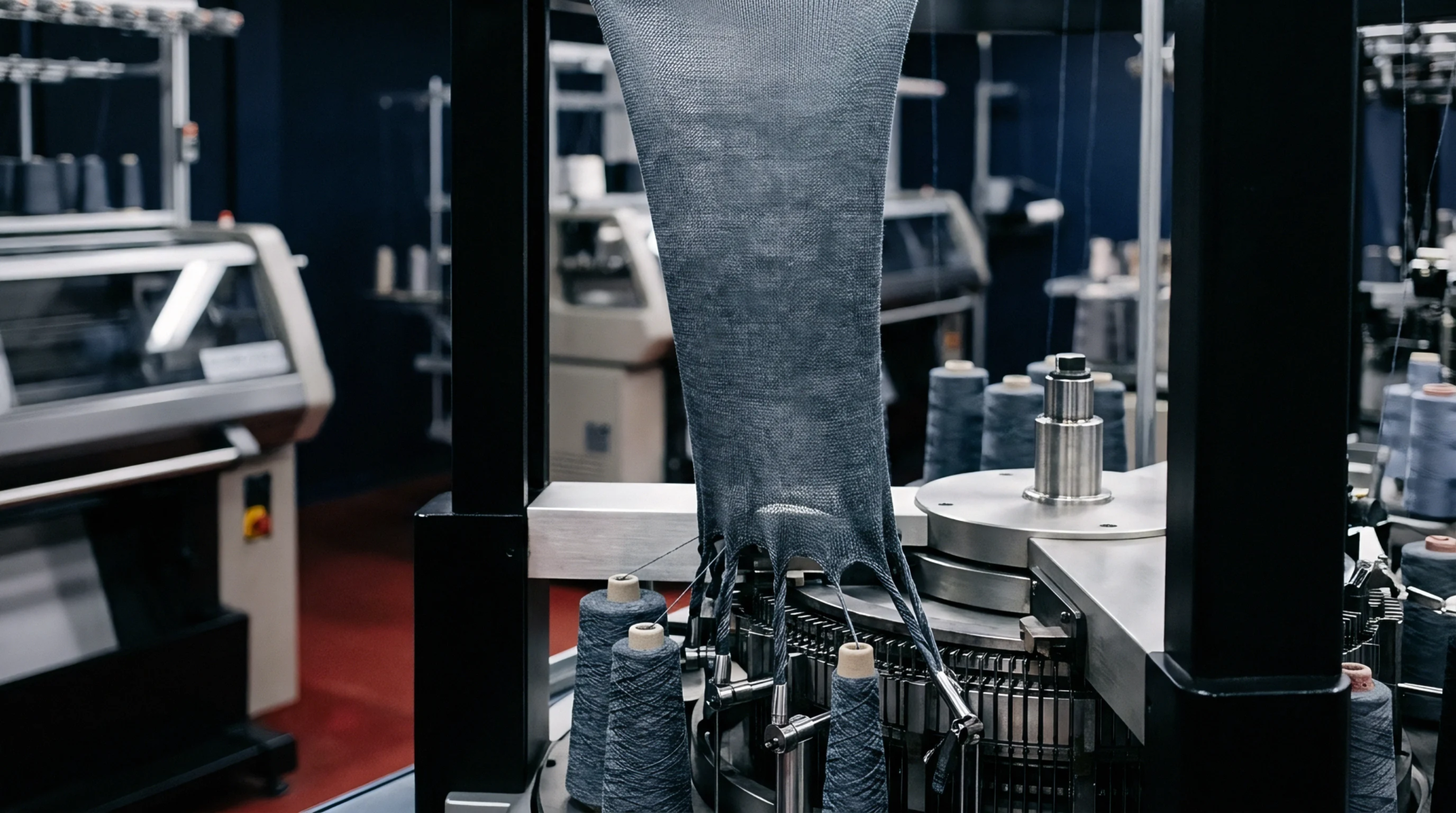
Circular knitting machinery produces single jersey by feeding yarn through a single bed of latch needles arranged in a continuous cylinder. Each needle draws a loop through the previous loop in a predetermined sequence, creating a distinct face and reverse side within the resulting textile structure. Mills verify this construction at the greige inspection table before wet processing begins, checking course density and wale count against the mill specification sheet.
Yarn tension must remain constant across the entire feeder ring to prevent horizontal shading or barre defects in the finished cloth. Adjusting the stitch length alters the loop size, which directly dictates the fabric weight and dimensional stability during subsequent dyeing operations. Garment factories reject rolls exhibiting excessive skew or bow because distorted courses ruin alignment during pattern cutting.
Dyed Stability
Tenter framing controls the final width and residual shrinkage of single jersey through regulated heat setting under longitudinal and transverse tension. Technicians measure dimensional change after domestic laundering by marking exact test squares on conditioned fabric samples prior to washing. Controlling moisture removal during drying prevents the relaxation shrinkage from exceeding acceptable commercial tolerances established by apparel buyers.
Dye houses apply resin finishes to cellulosic yarns to suppress twisting tendencies inherent in circular knitted loops during wash cycles.
Seam Performance
Needle heat generated during high speed garment assembly damages single jersey if operators fail to select appropriate ballpoint geometries and lubrication levels. Sewing threads must possess sufficient elasticity to elongate alongside the knitted loops without snapping during active wear. Seam puckering occurs when feed dog pressure exceeds the frictional resistance of the lubricated yarn surfaces inside the stitch line.
Factories test seam slippage by applying a standard tensile load perpendicular to the joined edges until yarn distortion reaches a measured threshold.
Retail Inspection
Final auditing evaluates single jersey rolls for surface defects including oil stains, broken filaments and holes before shipment authorization. Inspectors place fabric under standardized daylight lamps to detect shade variations between the outer layers and the core of the roll. Acceptance criteria permit a limited number of minor blemishes per hundred linear units provided the overall structural integrity remains uncompromised.
Garment makers rely on these certified quality grades to plan cutting layouts and minimize material waste on the production floor.