Acidic Index
A chemical testing specification used to determine the pH of an aqueous extract from a textile material to ensure compatibility with human skin. The standard iso 3071 provides a uniform method for measuring the acidity or alkalinity of the residues left on a fabric after processing. In textile manufacturing, many stages involve the use of strong acids or alkalis, which must be thoroughly neutralized before the fabric is sold.
If the pH is too high or too low, it can cause skin irritation, dermatitis, or even chemical burns on sensitive individuals. The ideal range for most garments is between four and seven point five, which closely matches the natural pH of human skin. This test is a fundamental part of the quality control process for all apparel and home textiles.
Skin Contact
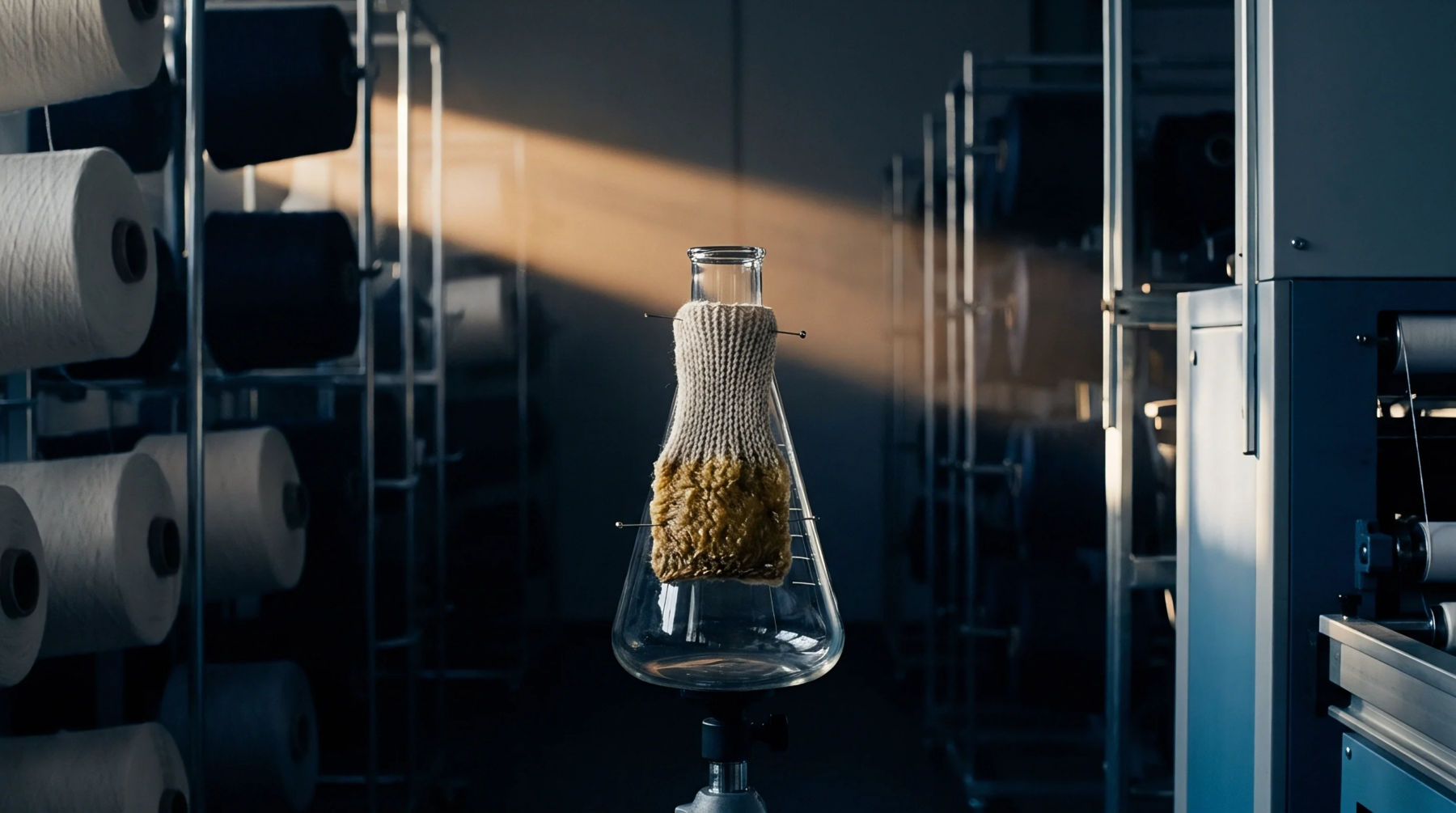
Ensuring a neutral pH is particularly important for garments that are worn for long periods or under conditions that cause sweating. Moisture from the body can dissolve any residual chemicals on the fiber, bringing them into direct contact with the skin. The iso 3071 test mimics this process by soaking the textile in distilled water or a potassium chloride solution for several hours.
This allows the laboratory to measure the pH of the liquid that would realistically reach the wearer’s skin. If the result falls outside the safe range, the fabric must undergo additional rinsing or neutralization steps. This is a common requirement for baby products, underwear, and bedding where the risk of irritation is highest.
Processing Residue
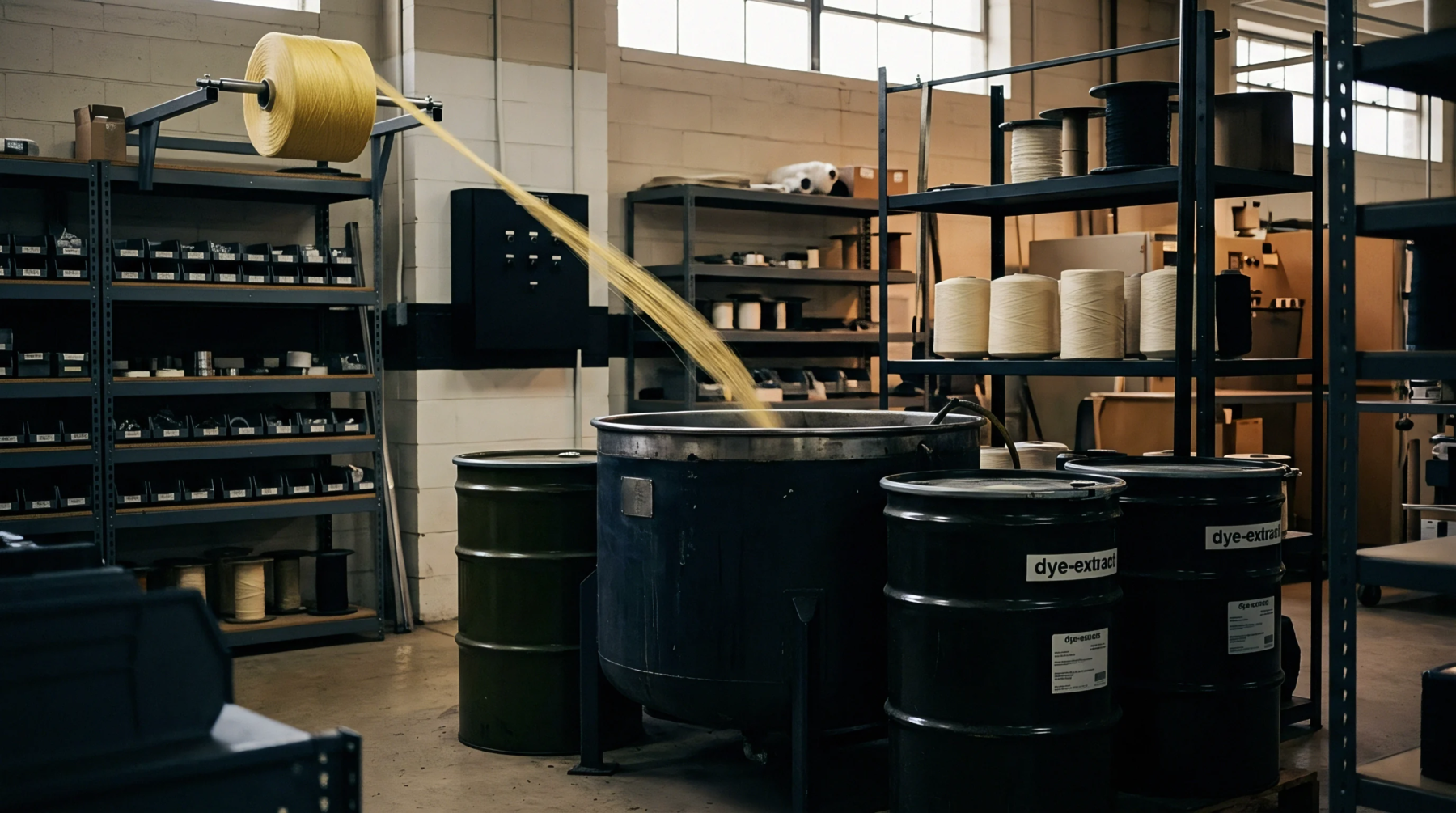
Residual chemicals from bleaching, dyeing, or finishing are the most common causes of an unacceptable pH level in finished textiles. For example, if a cotton fabric is not properly neutralized after mercerization, it will have a very high alkaline pH. Similarly, some dyeing processes leave acidic traces that can weaken the fibers over time if not removed.
The iso 3071 measurement provides an early warning of these issues before the goods leave the mill. Technicians use a calibrated pH meter to take several readings from the extract to ensure an accurate average is recorded. This simple test can prevent costly customer complaints and product returns.
Regular calibration of the pH meter is essential to maintain the precision of the laboratory results.
Buffer Solution
Using a potassium chloride solution instead of plain water helps to stabilize the pH reading and provides a more accurate reflection of the chemical state of the fabric. This saline solution helps to displace the ions from the fiber surface into the liquid where they can be measured. The standard specifies the exact concentration and purity of the chemicals required for the extraction.
Laboratories must also ensure that the temperature of the extract is controlled, as pH values can change significantly with heat. A successful test result gives the manufacturer confidence that their product is safe for general use and meets the requirements of global safety standards. This protocol is easy to implement and provides immediate results, making it a staple of the textile laboratory.