Analytical Check
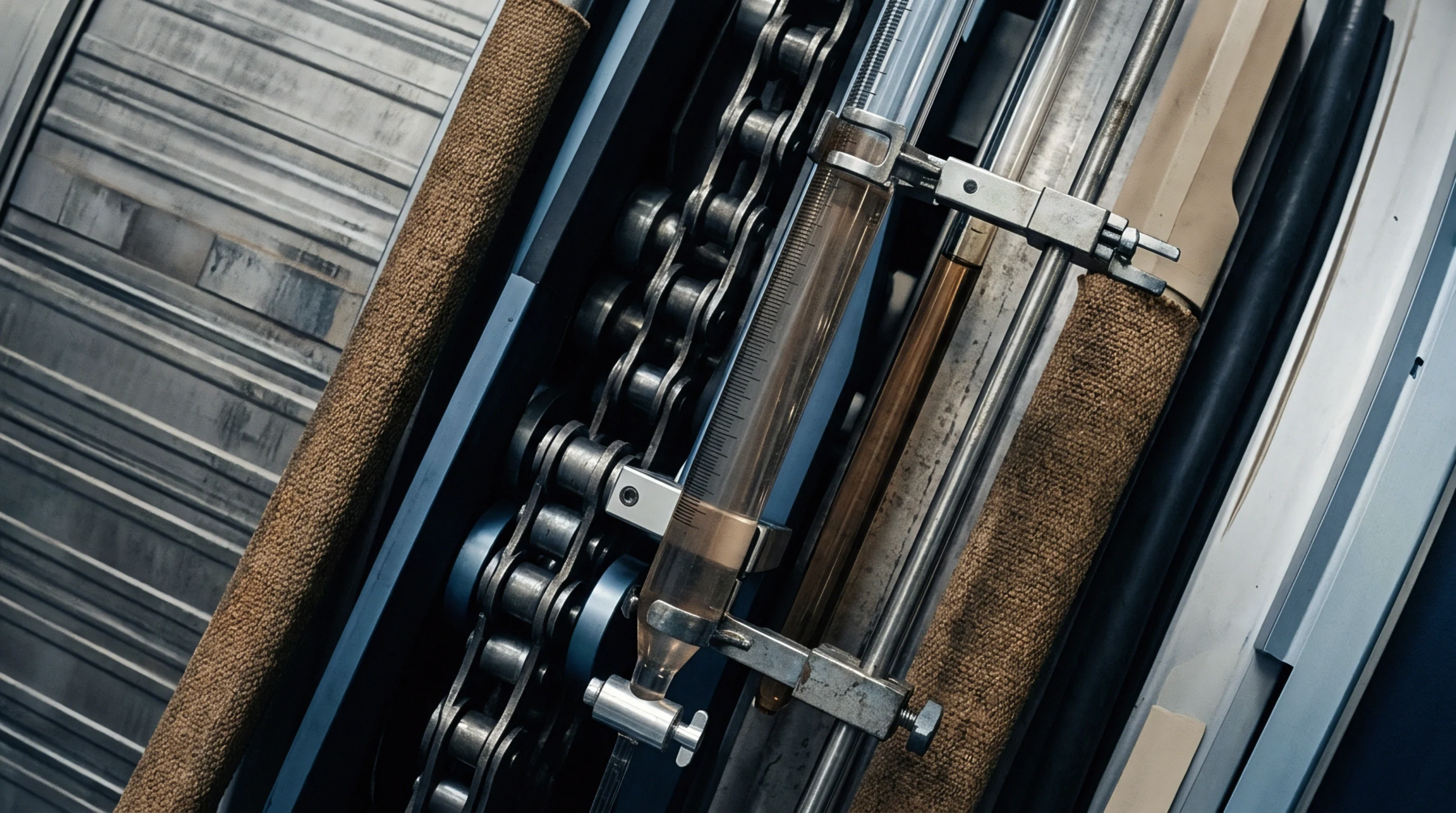
The chemical determination of analyte concentrations in discrete process bath samples is performed manually or by benchtop autotitrators away from the live production line. Operating as an external auditing mechanism, offline titrimetric verification quantifies active ingredients such as sodium hydroxide, hydrogen peroxide, organic acids, or hydrosulfite in textile wet processing liquors by measuring reagent consumption against standardized titrants. The verification process belongs to analytical chemistry quality control and ceases at the point where sample results are entered into the mill management system to confirm or adjust inline process instrumentation.
Error Decoupling
Inline process sensors like inductive conductivity coils and optical refractometers often suffer sensor drift caused by temperature swings, air bubbles, fiber lint accumulation, and auxiliary chemical interference. Taking physical fluid samples from saturation boxes and performing laboratory acid-base or oxidation-reduction titrations isolates the real chemical species from external line interferences. When an inline sensor reports normal operations while the titration reveals an alkali deficit, technicians adjust inline settings or immediately clean probe faces to re-establish dynamic control.
Procedural Execution
Accurate execution demands rapid sample handling, temperature stabilization, and precise volumetric pipetting to prevent atmospheric degradation or sample crystallization. A scouring sample is titrated against one normal sulfuric acid with phenolphthalein to gauge active caustic, followed by methyl orange indicator titration to isolate sodium carbonate builder levels. Peroxide bleaching liquors undergo iodometric or potassium permanganate titration to confirm that active oxidant remains balanced against the bleaching stabilizer platform.
Sample evaporation, delayed analysis, and dirty volumetric glassware represent the primary sources of laboratory error during testing.
Compliance Benchmarking
Commercial processing specifications mandate scheduled verification intervals, typically once every two to four hours across continuous desizing, bleaching, mercerizing, and dyeing ranges. Results are documented in production shift logs alongside inline instrumentation values to track sensor drift over consecutive operations. Any deviation exceeding five percent between the titrimetric determination and the inline automated dosing readout triggers immediate maintenance recalibration.
Offline titrimetric verification provides the ground-truth standard for continuous chemical concentration control in dyehouse operations.