Thermal Stabilization
Dimensional control of synthetic woven material occurs inside an industrial heating chamber during continuous fabric production. Stenter heat setting fixes molecular chains within polyester or nylon substrates by applying regulated thermal energy while mechanical pins hold the width constant under uniform tension. Commercial buyers verify this dimensional memory during shrinkage testing after laundering.
Heat stabilization prevents subsequent distortion during garment manufacture and subsequent consumer use. Thermal chambers operate at temperatures exceeding standard dyeing thresholds to eliminate internal stresses introduced during previous extrusion and drawing operations. Overheating causes yellowing and polymer degradation while insufficient dwell time results in dimensional relaxation during later wet processing.
Mills monitor chain speeds alongside heating zone temperatures to ensure batch consistency across bulk shipments. Residual shrinkage rates above acceptable tolerances lead to rejected rolls at the cutting table.
Chain Tension
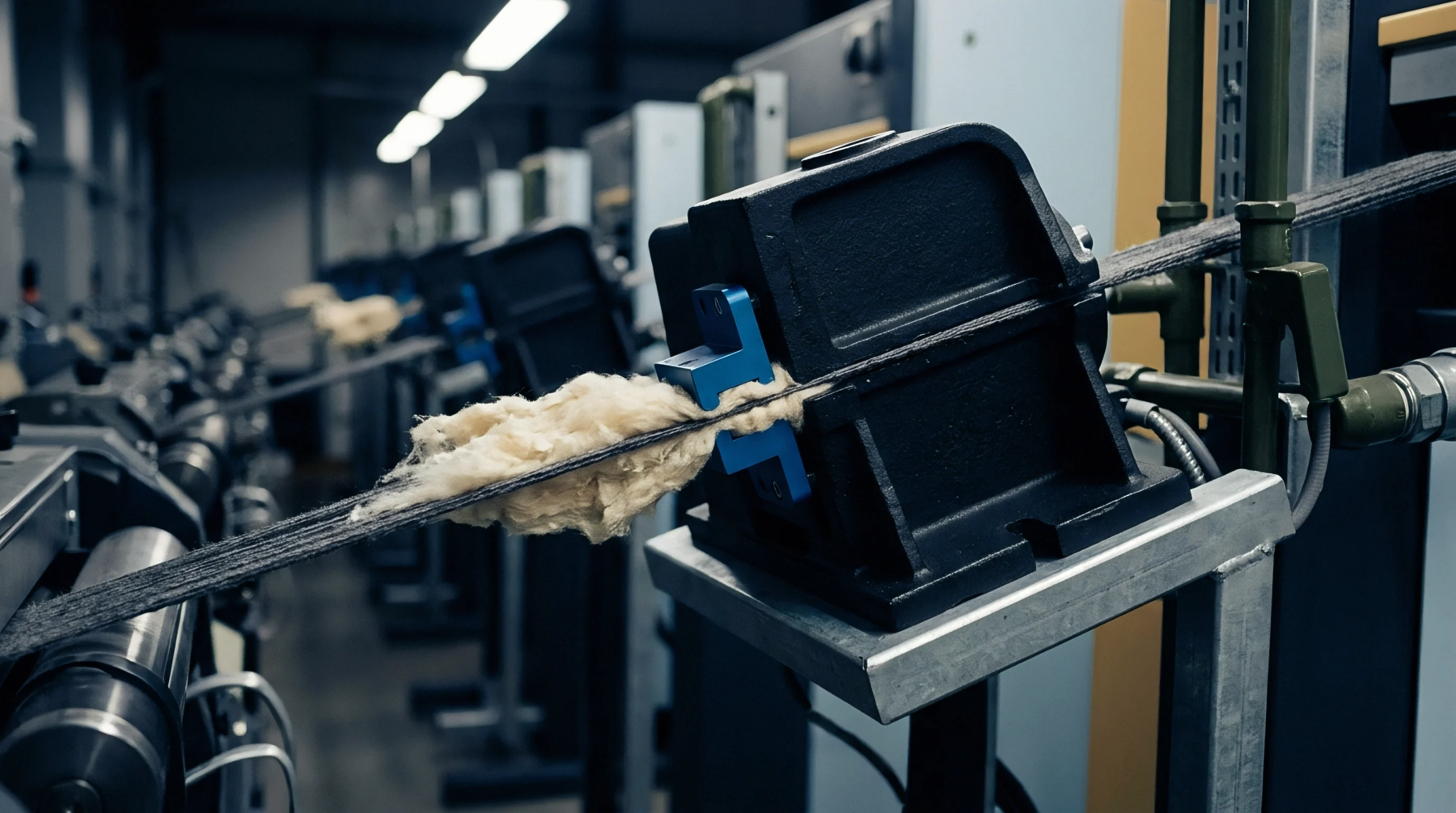
Mechanical control of web geometry relies on pin rail assemblies running parallel through the stabilization apparatus. Edge guidance mechanisms grip the textile selvedge securely before entry into the heating zone. Overfeeding adjusts longitudinal density by feeding material faster than chain speed, which introduces slack to accommodate later relaxation.
Width adjustments alter transverse dimensions according to finished specification requirements. Operators calibrate rail divergence profiles to compensate for inherent shrinkage tendencies across different yarn types. Excessive tension induces distortion along warp paths, which causes skewed patterns in printed goods.
Insufficient grip allows the fabric to pull inward, failing width tolerance limits set by apparel brands. Mechanical calibration requires regular inspection of pin condition to prevent fabric tearing at high operational speeds.
Dwell Time
Duration inside the thermal environment determines the degree of molecular rearrangement achieved within the synthetic substrate. Air nozzle configurations direct heated air streams perpendicularly onto both sides of the moving web to guarantee thermal transfer efficiency. Fan speeds dictate convection rates, balancing energy consumption against required core temperature attainment.
Short exposure periods fail to fix the crystalline structure permanently, leaving the material vulnerable to thermal memory loss. Extended exposure damages dye affinity, altering shade depths on previously colored lots. Laboratory technicians measure thermal history by extracting small swatches for differential scanning calorimetry analysis.
Production parameters adjust dynamically when incoming grey fabric weight varies outside nominal ranges.
Relaxation Phase
Post thermal conditioning requires controlled cooling before the textile leaves the pinning zone. Cooling air sections reduce material temperature below the glass transition point before the selvedge releases from the pins. Rapid cooling locks the newly established crystalline configuration permanently into the fibre matrix.
Uncontrolled ambient cooling permits slight dimensional creep before final winding onto batch rolls. Ambient moisture uptake begins immediately upon exit from the cooling chamber, shifting conditioned weight measurements slightly during final inspection. Finished rolls undergo strict flatness checks to detect curling edges caused by uneven transverse cooling rates.
Final quality verification confirms that the treated material meets all specification thresholds prior to export packaging.