Determination Method
Elastomeric yarn recovery protocols under ISO 20932 establish standard procedures for evaluating force and elongation characteristics during repeated extension cycles. Tension application occurs across specific clamping distances within controlled laboratory atmospheres to separate genuine elastic recovery from plastic deformation in continuous filament production. Mills apply this specification during the inspection of spandex and elastane batches before shipment to garment manufacturers.
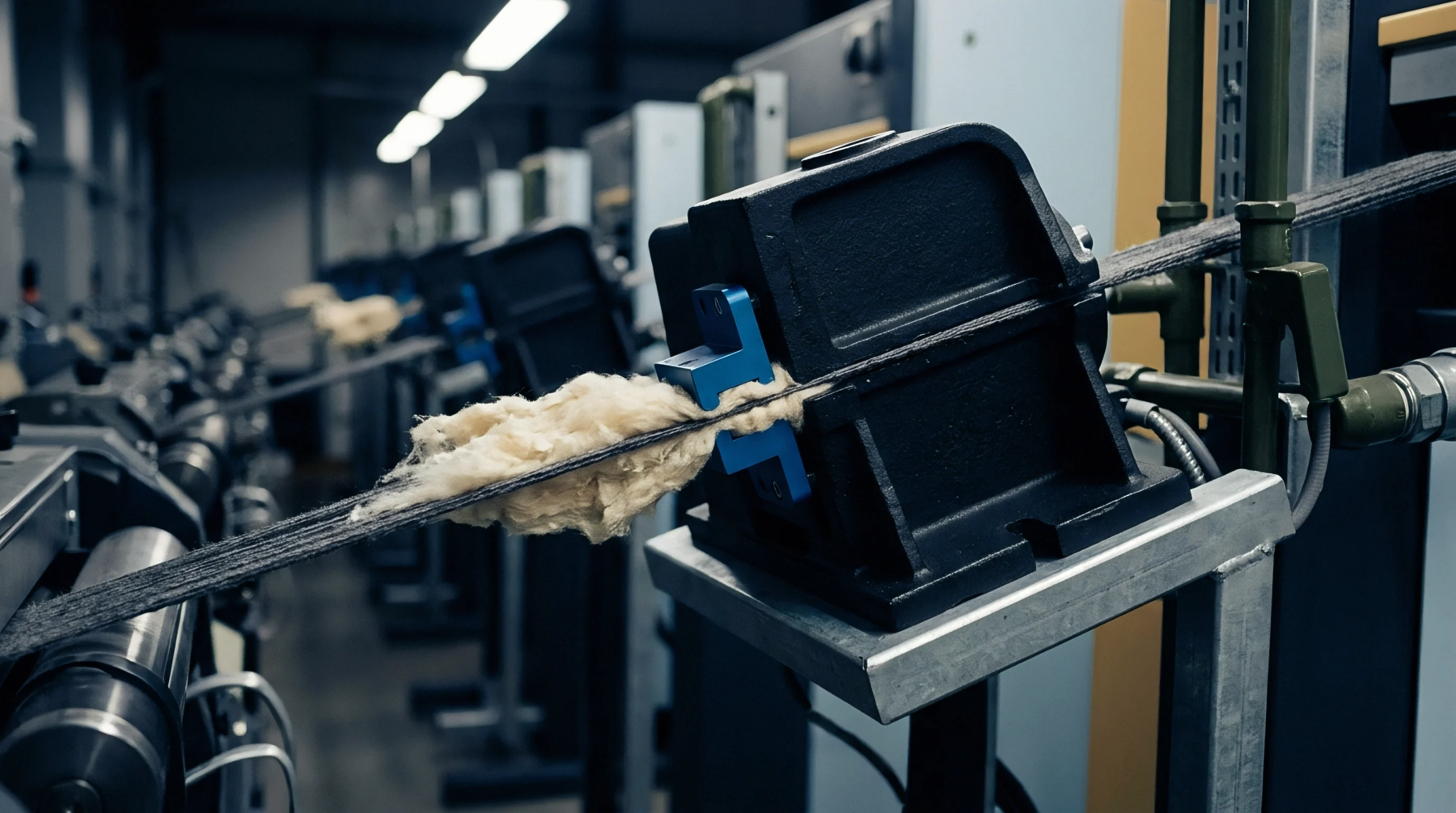
Certified testing laboratories mount single filaments or woven tapes on constant rate of extension testing machines. Automated grips secure specimens at defined pretension levels while recording load values throughout specified loading and unloading sequences. Ambient moisture and thermal fluctuations distort elasticity measurements, so conditioned testing rooms maintain strict temperature parameters alongside constant humidity levels.
Commercial transactions involving stretch fabrics rely on these numerical outputs to verify compliance with mill guarantees.
Elasticity Index
Resistance values derived from repeated cyclic loading isolate the permanent set percentage from immediate elastic recovery in finished textiles. Tensile force data points feed directly into quality control algorithms that determine batch suitability for high performance activewear construction. Fabric performance depends heavily on the retention of contractile force after prolonged elongation during garment wear.
Commercial buyers reject shipments failing to meet minimum recovery thresholds established by international standardization bodies.
Recovery Boundary
Environmental limits dictate the applicability of stretch testing protocols across different segments of textile manufacturing supply chains. Synthetic rubber threads and covered elastomer yarns respond differently to tension than bare monofilaments extracted from raw polymer melts. Testing parameters fail to predict long term degradation caused by chlorine exposure or dry cleaning solvents during garment maintenance cycles.
Retail specifications frequently demand tighter tolerances than baseline international standards provide for standard consumer goods.
Contractual Liability
Commercial agreements between fabric mills and apparel brands hinge upon certified laboratory reports generated according to standardized test protocols. Disputed shipments undergo retesting at neutral facilities using identical gripping mechanisms and strain rates to resolve financial claims. Purchasing contracts specify minimum acceptable recovery percentages alongside maximum allowable tension decay values for each fabric grade.
Production managers adjust spinning speeds and heat setting temperatures based on cyclic test results to prevent costly downstream manufacturing failures.