Hydraulic Force
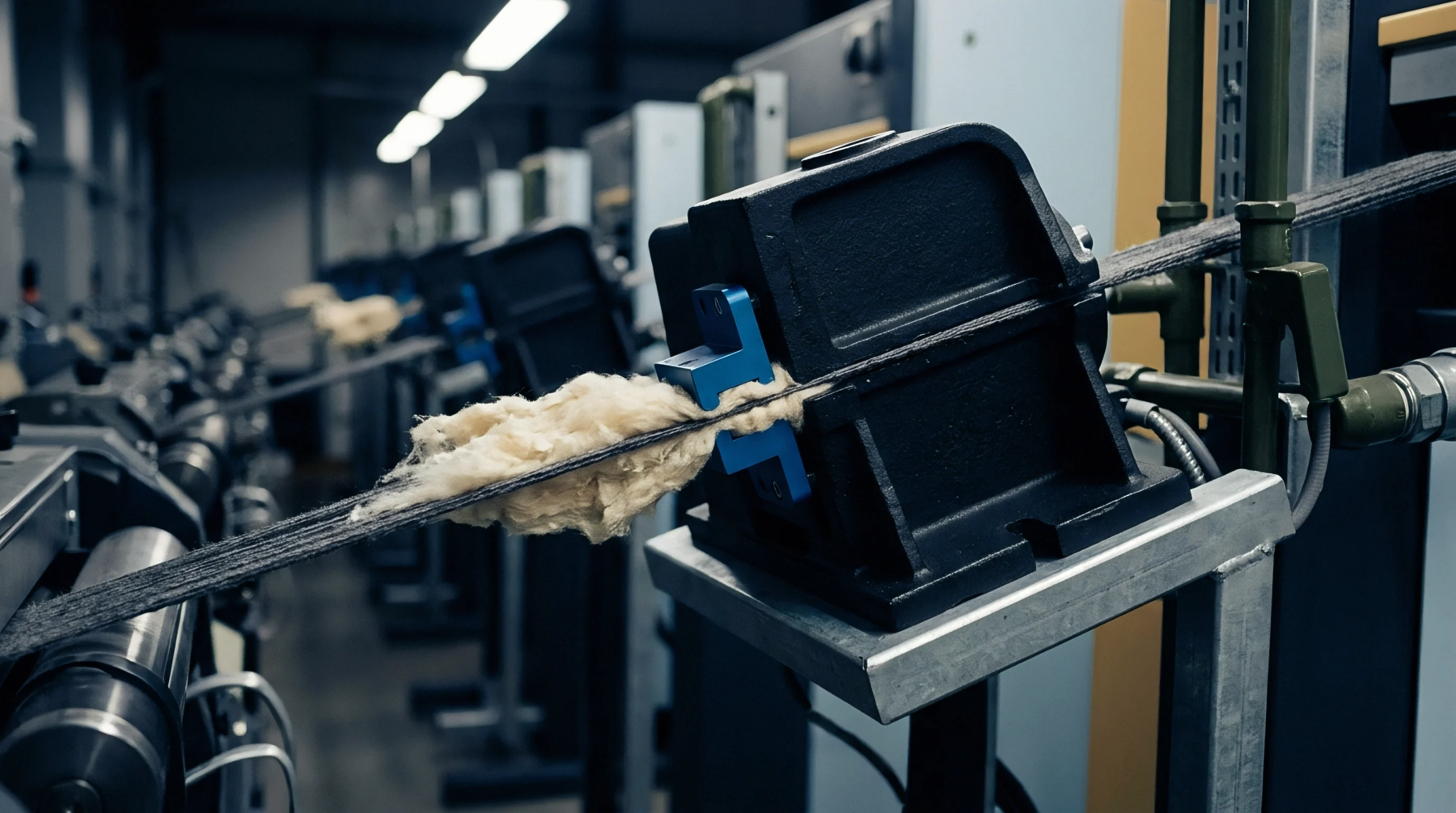
Fluid impact regulation controls the velocity of the dye stream to transport fabric ropes without damaging the surface. Nozzle hydraulic pressure determines the impact of the dye liquor against the textile substrate in jet or beck dyeing machines. Proper settings prevent physical damage to the yarns while maintaining enough force to keep the material moving.
Operational Control
Variation in pump speed directly alters the force exerted through the orifice. If the nozzle hydraulic pressure is too low, the fabric may stall or pile up, which leads to creases and uneven dyeing. Conversely, excessive force can cause pilling or surface distortion on low-twist yarns.
Material Profile
Lightweight fabrics require a gentle flow, whereas heavy denim or upholstery materials need higher pressure to ensure the dye reaches the center of the construction. Operators adjust the nozzle gap or pump frequency to find the balance for each specific fabric quality. This calibration is a standard part of the batch setup process.
Maintenance Impact
Blockages or wear in the pump impellers lead to a gradual decline in the available nozzle hydraulic pressure. Routine monitoring of pressure gauges allows technicians to identify leaks or scaling before they affect the quality of the finished goods. Clean filters are required to maintain a steady flow throughout the hours of a high-temperature dyeing cycle.
A sudden drop in pressure often signals a collapsed fabric rope or a pump failure that requires immediate intervention to save the batch.