Contractual Risk Transfer Mechanisms for Moisture Induced Hydrolysis in Synthetic Wovens
Transfer hydrolysis risk by specifying polyether chemistry, aluminum foil barrier wraps, ISO 1419 Method C testing, and 365-day latent defect escrow holdbacks.

Crate
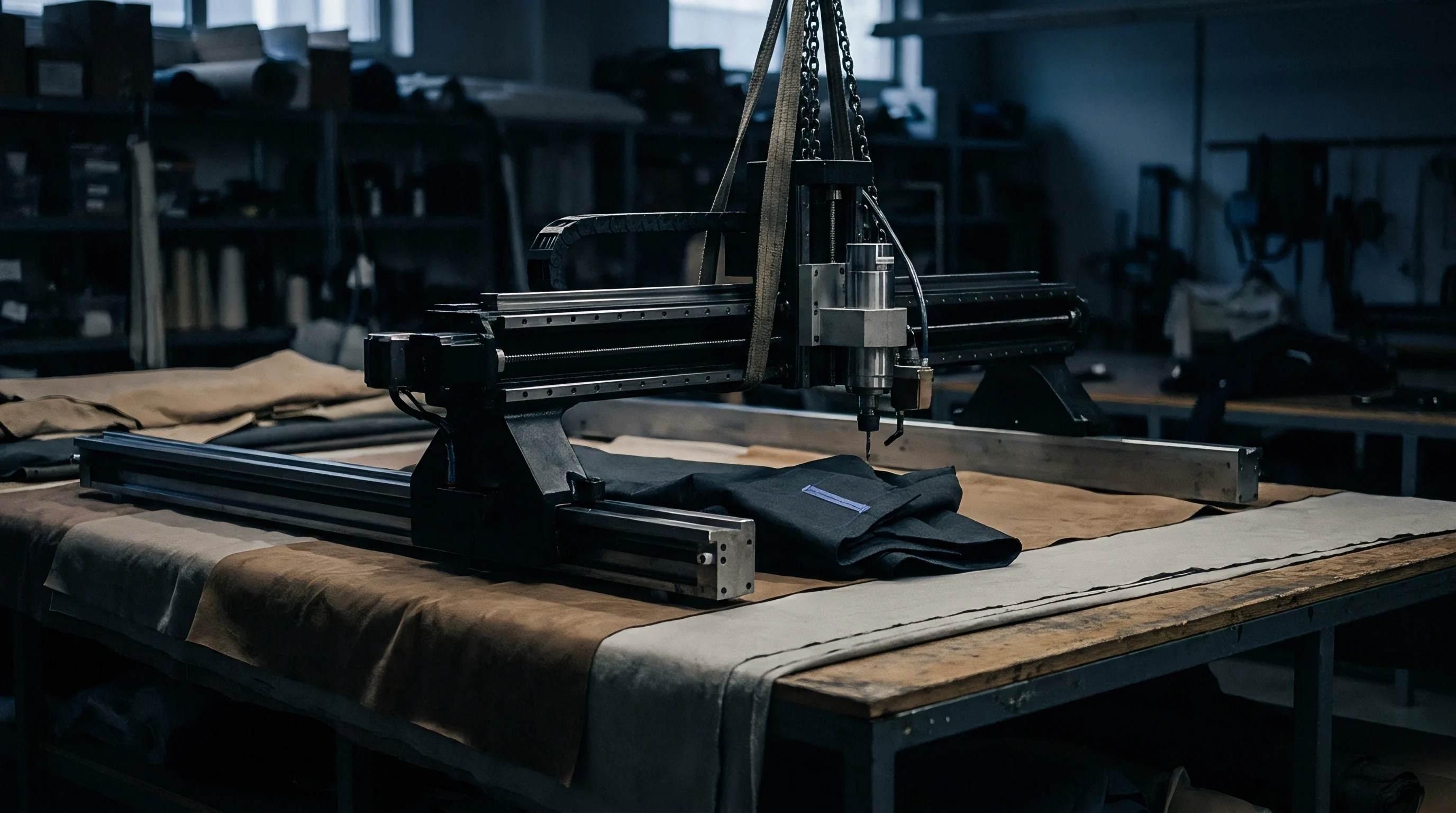
Ocean freight containers crossing tropical shipping lanes generate severe internal microclimates. Relative humidity inside a sealed steel box routinely exceeds ninety percent when ambient maritime temperatures cycle between day and night. Condensation drips from container ceilings directly onto stowed cargo, a phenomenon known as container rain.
Synthetic rolls wrapped only in low-density polyethylene film absorb ambient water vapor through loose film overlaps and unsealed core ends. Once trapped within warm roll wraps, moisture initiates the chemical breakdown of moisture-sensitive polymer coatings before cargo reaches the discharge port.

Barrier Packaging Mechanics and Desiccant Pole Sizing
Standard export packaging relies on six-mil polyethylene tubing tucked at the roll ends. This method fails during transpacific or equatorial voyages. Polyethylene films exhibit a moisture vapor transmission rate near ten grams per square metre per twenty-four hours under tropical conditions.
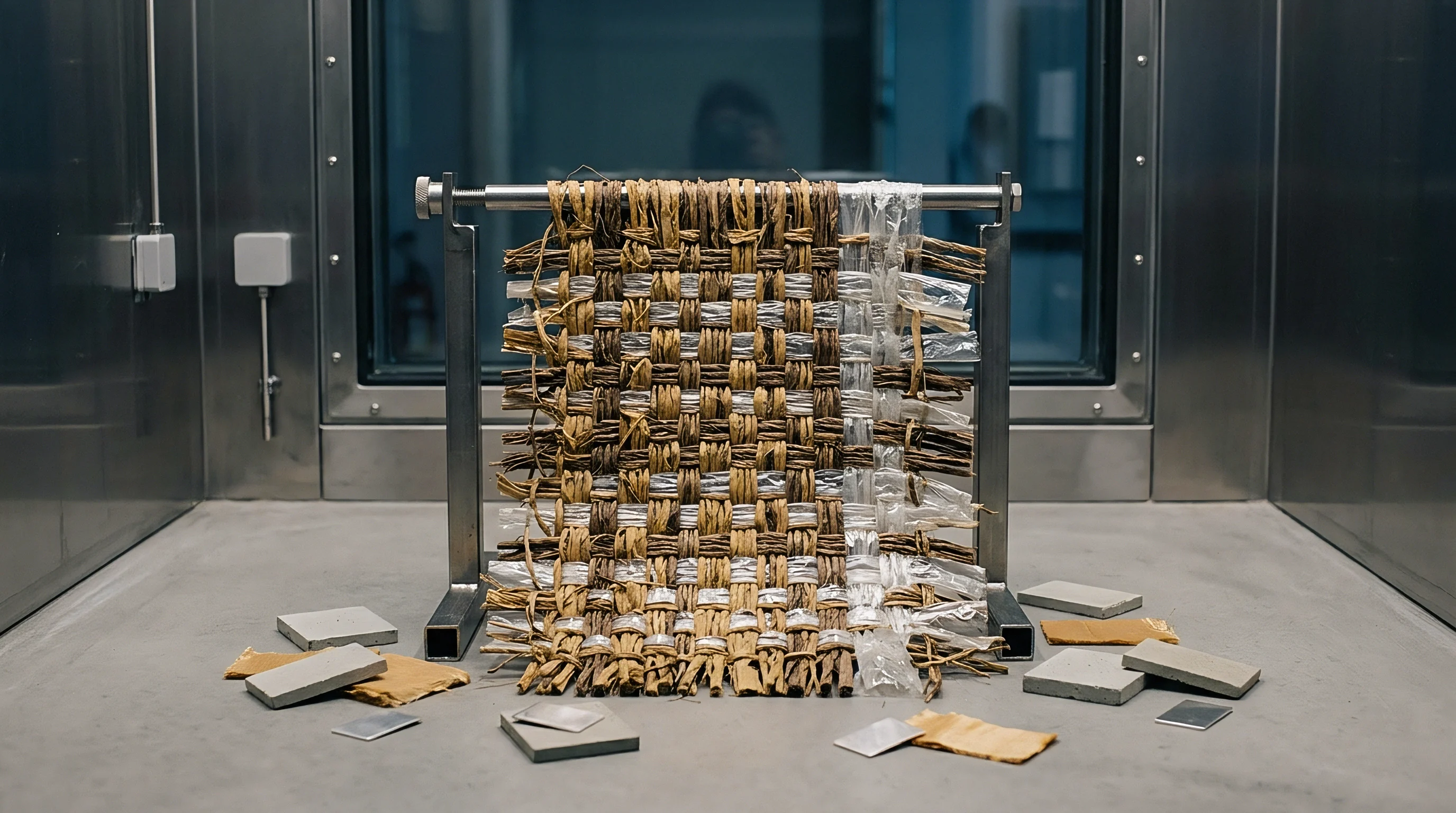
Over a forty-day ocean transit, water vapor migrates through the wrap and concentrates in the tightly wound textile roll. Aluminum foil laminate films, offering water vapor transmission rates below 0.05 grams per square metre per day, isolate sensitive rolls from atmospheric vapor. Roll packs require vacuum-sealed hermetic closures at every seam and tube end.
Desiccant sizing inside each individual roll wrap governs internal humidity throughout transit.
Calcium chloride desiccants absorb up to three times their dry weight in moisture, whereas silica gel saturates at roughly thirty percent under comparable relative humidity. Placing four hundred grams of packaged calcium chloride desiccant inside each roll core prevents the internal air space from crossing fifty percent relative humidity. Container packing demands secondary moisture protection.
Hanging two-kilogram desiccant poles in every container corrugation neutralizes bulk headspace humidity. Cargo stowage plans leave open air channels around container walls to prevent thermal bridges from sweating directly against roll packaging.
Container sweat forms during equatorial transits when ambient air temperatures drop faster than the dew point inside sealed cargo boxes.
Master purchase agreements allocate packaging liabilities between mill and importer. Standard export packaging clauses specify vacuum sealing within trilaminate aluminum barrier foil, desiccant dosage per linear metre of cloth, and datalogger placement inside designated monitor cartons. When a supplier fails to pack rolls according to these thermal and vapor specifications, the risk of transit degradation shifts directly to the exporter through express contractual warranties.

Cleavage
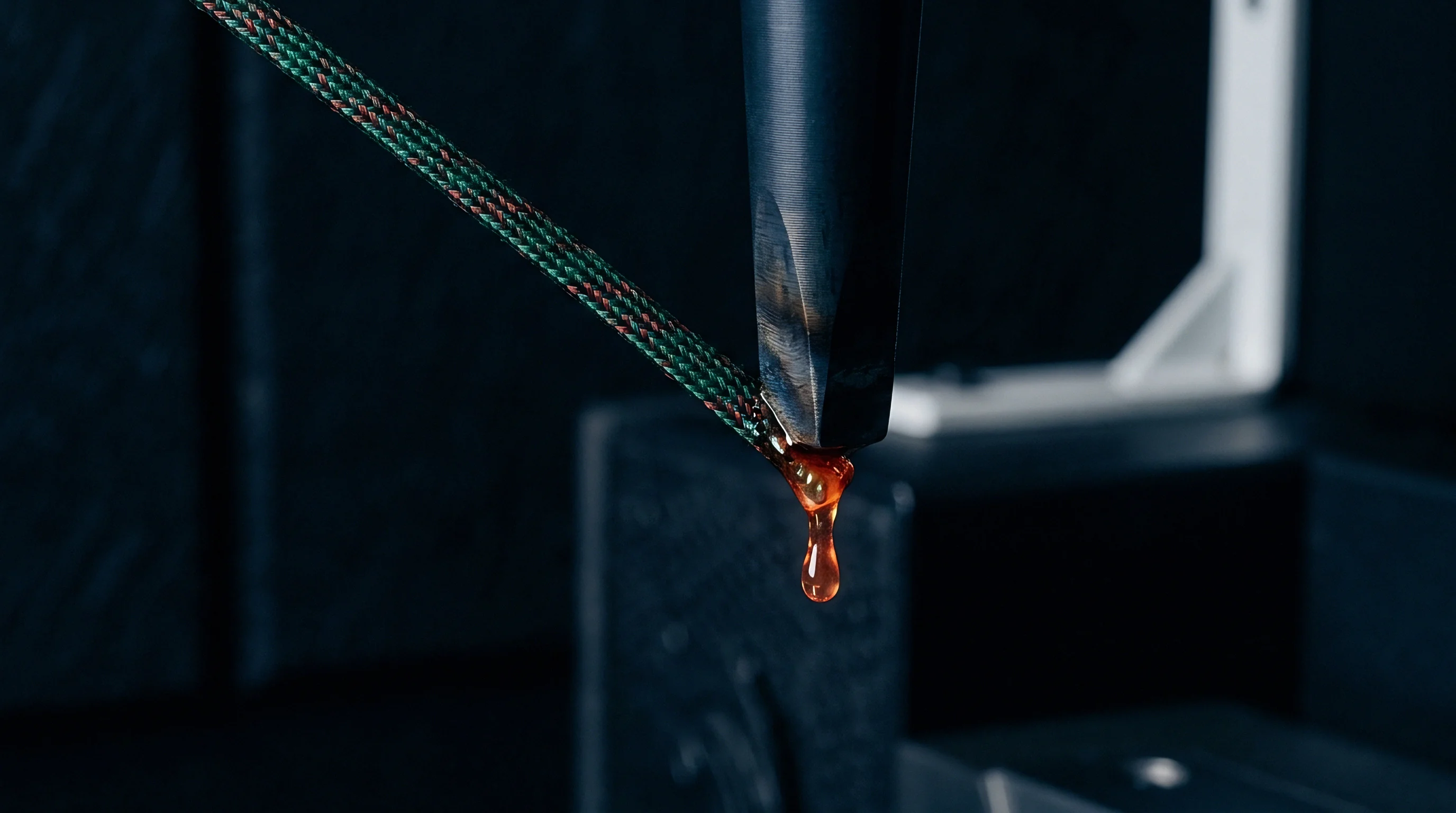
Water molecules attack polar groups along synthetic polymer chains, breaking covalent bonds and severing the polymer backbone. In ester-based polyurethanes, polyester polyols, and polyamide yarns, hydrolytic cleavage splits ester or amide groups into carboxylic acid and alcohol end groups. The generated carboxylic acid functions as an autocatalyst, accelerating the rate of subsequent chain breakdown.
As molecular weight falls, mechanical cohesion disappears. Polyurethane coatings turn soft, tacky, and gummy before flaking off the base textile during normal handling.

Ester Chain Scission under Elevated Temperature
High relative humidity paired with elevated temperatures accelerates chemical scission. The reaction follows the Arrhenius relationship, where degradation rates double with every ten-degree Celsius increase in temperature. Inside closed shipping containers, temperatures regularly touch sixty-five degrees Celsius.
At that thermal level, trapped humidity initiates rapid polymer unzipping within fourteen days. Synthetic woven substrates using high-tenacity polyester yarns experience drop-offs in weft and warp breaking tenacity when moisture interacts with residual spinning catalysts at elevated heat.
Polyester polyurethanes suffer the most aggressive hydrolysis due to the chemical vulnerability of their ester linkages. Polycarbonate and polyether polyurethanes exhibit superior stability because ether linkages resist nucleophilic attack by water. In hot environments, unshielded ester coatings degrade into liquid oligomers that transfer onto adjacent roll layers, causing unroll blocking and complete destruction of waterproof integrity.
Synthetic woven constructions exhibit distinct degradation vulnerabilities based on polymer chemistry and structural geometry:
- Polyester Polyurethane Coating breaks down via ester bond scission, resulting in sticky surface tack, foul odor, and total coating delamination under prolonged warmth and humidity.
- Polyether Polyurethane Membrane resists water scission due to strong ether bonds, maintaining elastic recovery and film continuity during humid maritime transit.
- Polycarbonate Polyurethane Finish maintains high tensile strength and hydrolysis endurance through rigid carbonate groups, preserving water resistance across multi-year field exposures.
- Aromatic Polyether Polymer provides excellent hydrolytic resistance while suffering photodegradation upon direct ultraviolet exposure, necessitating pigmented stabilization layers.
- Polyamide Six Woven Substrate exhibits moisture absorption up to nine percent by dry weight, leading to temporary dimensional expansion and plasticization of the load-bearing weave.
Susceptibility Profiles across Technical Polymer Builds
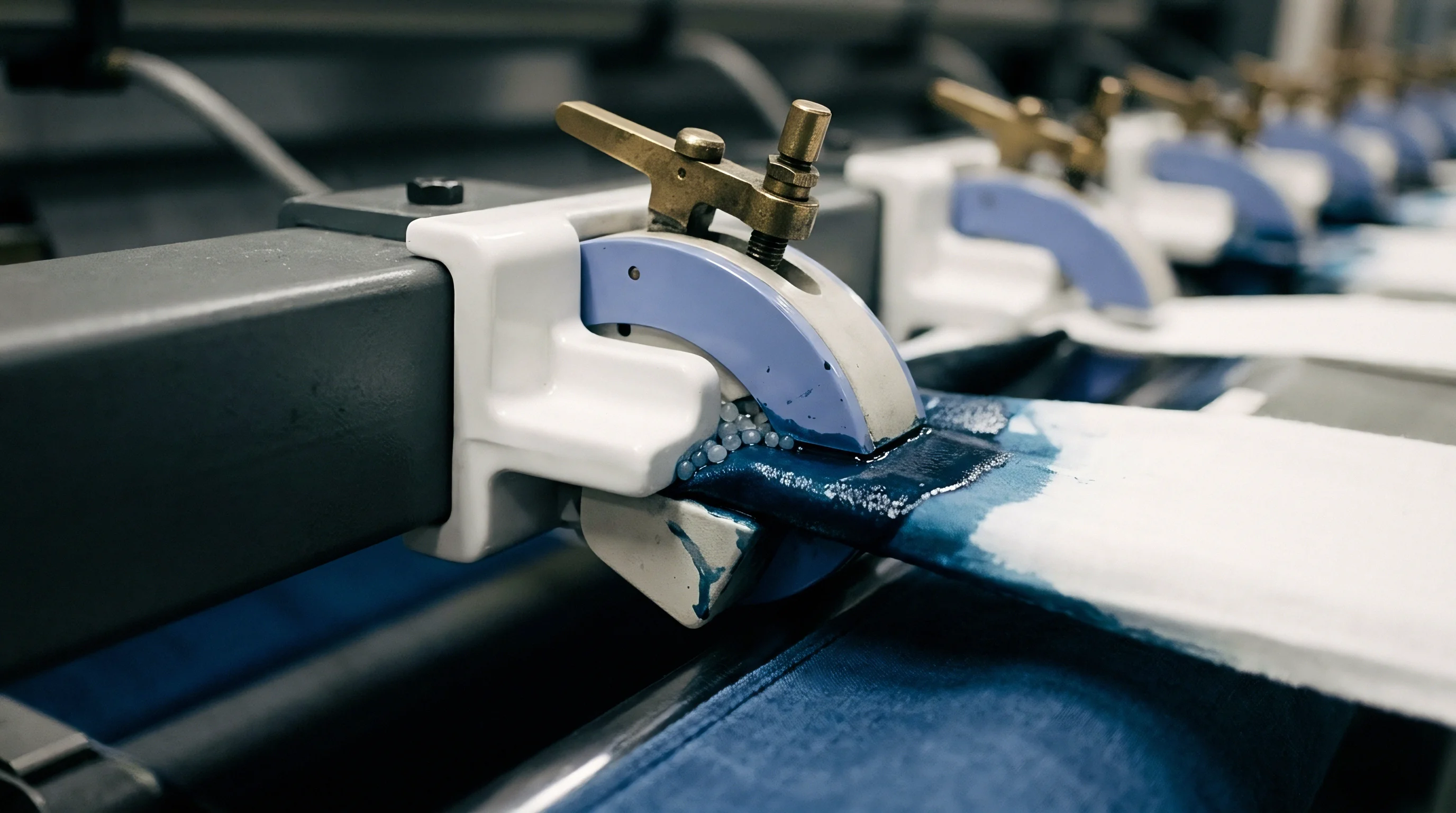
Coating weight, yarn sett, and polymer compound directly dictate hydrolytic service life. Dense plain weaves limit moisture circulation but trap absorbed humidity within core bundles. Looser basket weaves permit rapid drying when ventilation exists, yet allow deeper water penetration when liquid condensation collects on packaging surfaces.
The choice of coating resin governs whether a technical outdoor textile survives tropical logistics.
| Polymer Formulation | Base Yarn Chemistry | Coating Thickness (microns) | Tack Development (days at 70C/95% RH) | Tensile Loss After 21 Days (%) |
|---|---|---|---|---|
| Polyester Polyurethane | Polyester 150D Plain Weave | 25 | 7 | 62 |
| Polyether Polyurethane | Polyamide 6,6 210D Ripstop | 30 | 28 | 8 |
| Polycarbonate Polyurethane | Polyester 300D Oxford | 35 | 45 | 5 |
| Polyurethane-Polyurea Hybrid | Polyester 600D Plain Weave | 40 | 35 | 12 |
| Plasticized Polyvinyl Chloride | Polyamide 6 420D Plain Weave | 80 | 60 | 14 |
Misidentifying coating chemistry on the specification sheet results in total container loads arriving at destination warehouses with irreversible inter-layer fusion.
Chamber
Laboratory validation isolates hydrolysis risk prior to shipping approval. Standard physical tests conducted immediately after textile finishing fail to expose latent polymer instability. Accelerated aging chambers subject swatch specimens to constant heat and humidity, forcing hydrolytic reactions to occur within compressed evaluation cycles.
Testing protocols demand baseline physical measurements, controlled exposure periods, and standardized reconditioning before post-exposure testing begins.
Which Polyurethane Formulations Resist Ester Cleavage in Humid Containers?
Polycarbonate and pure polyether polyurethanes withstand rigorous hydrolytic chamber exposure without loss of film continuity. Formulations using blend ratios dominated by polyester polyols disintegrate within fourteen days of accelerated testing. Carbodilite and other carbodiimide hydrolysis stabilizers extend polyester polyurethane longevity by scavenging free carboxylic acid groups.
Stabilizer additives deplete over extended exposures. Unstabilized aliphatic ester coatings lose sixty percent of their initial peel adhesion within seven days of high-temperature humidity exposure.
Accelerated aging under ISO 1419 Method C at seventy degrees Celsius and ninety-five percent relative humidity for twenty-one days drops ester polyurethane coating adhesion below three Newtons per centimetre.
Accelerated Aging Methods and Conditioning Thresholds
International standard ISO 1419 describes accelerated aging techniques for coated textiles. Method C, known in commercial procurement as the tropical test, specifies continuous exposure to seventy degrees Celsius at ninety-five percent relative humidity. Evaluation periods run in seven-day increments up to twenty-eight days.
American standard ASTM D3078 and tropical storage simulations under ASTM D751 verify retention of coating adhesion, water resistance, and tensile strength.
Commercial acceptance sampling executes validation through a sequential testing schedule:
- Cut twenty representative swatch specimens from production lot master rolls, sealing reference swatches in foil pouches.
- Condition specimens under ISO 139 standard atmosphere at twenty degrees Celsius and sixty-five percent relative humidity for twenty-four hours.
- Measure baseline coating adhesion in accordance with ISO 2411 and hydrostatic head pressure under ISO 811.
- Suspend test specimens inside the environmental chamber at seventy degrees Celsius and ninety-five percent relative humidity for twenty-one continuous days.
- Remove swatches, recondition under standard atmosphere for twenty-four hours, and re-test peel adhesion and hydrostatic head values.
| Test Method | Chamber Parameters | Exposure Duration | Critical Metric | Contractual Pass Threshold |
|---|---|---|---|---|
| ISO 1419 Method C | 70C, 95% RH | 21 days | Peel Adhesion (ISO 2411) | Greater than 15 N / 50 mm |
| ISO 1419 Method C | 70C, 95% RH | 21 days | Hydrostatic Head (ISO 811) | Retention above 80% baseline |
| ASTM D751 Hydrolysis Mod | 65C, 90% RH | 14 days | Surface Blocking | No adhesion between layers |
| Jungle Test Spec J-10 | 75C, 98% RH | 28 days | Melt Flow Index Increase | Less than 15% shift |
| AATCC 169 Hydro Split | 60C, 85% RH | 30 days | Tensile Breaking Force | Retention above 85% baseline |
Overseas suppliers frequently dismiss sticky roll coatings as temporary humidity softness that reverses once rolls dry out on the cutting floor.
Bond
Interfacial strength between synthetic base textiles and functional polymer films dictates the functional life of technical outwear and industrial tarpaulins. Hydrolytic attack targets the adhesive tie coat binding the face textile to the waterproof membrane. When this intermediate layer splits, delamination blisters form across the textile face.
Seam sealing tapes applied across stitched garments suffer identical bond degradation. Polyurethane hot-melt adhesive films lose their crystalline structure when water cleaves short-chain crosslinks, causing seam tapes to peel loose under mild shear force.
Laminate Peel Retention and Seam Tape Adhesion
Peel strength testing measures the mechanical force needed to separate a laminated membrane from its woven substrate. Standard ISO 2411 dictates testing strips fifty millimetres wide pulled apart at a constant traverse rate of one hundred millimetres per minute. Fresh polyether laminates deliver peel values exceeding twenty-five Newtons per fifty millimetres.
In degraded ester coatings, values collapse below three Newtons, leading to spontaneous blistering. Seam tape adhesion follows an identical trajectory under ISO 6330 washing cycles paired with humid shelf aging.
Four-point visual fabric inspection systems under ASTM D5430 fail completely when screening for hydrolytic vulnerability. Latent chemical scission produces no visible surface defects at the inspection table. A freshly finished roll displays uniform color, smooth coating finish, and normal hand feel.
Defect points register zero on the inspection sheet. The textile appears flawless while carrying chemical precursors that trigger catastrophic coating liquefaction thirty days later inside a warm cargo hold.
Hydrostatic Head Depletion under Hydrolytic Attack
Waterproof performance collapses long before base yarns exhibit physical tearing. Hydrostatic pressure testing under ISO 811 measures the resistance of a textile to water penetration under increasing pressure gradients. Technical wovens specified at ten thousand millimetres of hydrostatic head often drop below five hundred millimetres following twenty-one days of chamber exposure.
Micro-cracks develop in the embrittled or liquefied polymer film, letting water penetrate the woven interstices freely.
Consider a commercial production run of twenty thousand linear metres of three-layer waterproof nylon ripstop. Assume a finishing lot baseline hydrostatic head of fifteen thousand millimetres and a peel strength of thirty Newtons per fifty millimetres. The technical specification stipulates retention of at least ten thousand millimetres hydrostatic head and twenty Newtons peel strength after fourteen days of ISO 1419 Method C exposure.
Testing three composite swatches from lot rolls reveals post-aging averages of twelve hundred millimetres hydrostatic resistance and 4.2 Newtons peel adhesion. The coating system has failed its hydrolytic threshold by a margin exceeding seventy percent.
Whether testing protocols should evaluate seam tape adhesive compatibility alongside the master textile roll remains an unsettled dispute between converter laboratories and garment assembly factories.
Dock
Risk allocation pivots on the commercial transfer of title and physical custody. Synthetic wovens encounter their most hazardous environmental exposures while waiting at marine terminals, rail ramps, and transshipment yards. Containers dwell on sun-exposed concrete aprons for weeks during port congestion.
High thermal radiation drives interior container air temperatures above sixty-eight degrees Celsius while ocean air maintains saturated ambient humidity. Standard sales contracts drafted on FOB vessel terms transfer transit risks to the importer before container voyage stresses occur.

Whose Balance Sheet Absorbs Latent Delamination Claims?
Commercial disputes over hydrolytic failures stall when buyers raise claims after delivery. Maritime carriers rely on standard Carriage of Goods by Sea Act protections, categorizing interior container sweat as an act of God or an inherent vice of the cargo. Marine cargo insurance policies uniformly exclude inherent vice, rejecting payouts when chemical degradation occurs without an external maritime casualty such as vessel stranding or container puncture.
The financial exposure falls between the fabric buyer, the converter, and the cutting facility.
Coating formulations containing polyether backbones survive humid ocean transit while unshielded polyester polyurethanes risk catastrophic softening on the water.
Incoterms Allocation and Inherent Vice Exclusions
Selecting Incoterms shifts operational and evidential burdens between commercial counterparties. Under Delivered Duty Paid terms, the supplier carries cargo risk through delivery at the buyer warehouse, yet inherent vice defenses remain available unless contractually waived. Importers buying on Free on Board terms absorb transit climate risks unless purchase orders incorporate express warranties guaranteeing hydrolytic stability through final processing.
Purchase agreements allocate responsibility through milestone-based verification schedules.
Structured procurement frameworks execute specific risk controls across the logistics route:
- Factory Gate Release requires mill submission of certified third-party ISO 1419 Method C test certificates prior to balance payment release.
- Container Loading Supervision governs desiccant pole installation and verifies that wood pallets contain moisture content below twelve percent by weight.
- Terminal Transit Insurance adds express inherent vice riders to open marine policies, covering thermal hydrolysis across equatorial sailing legs.
- Port Discharge Quarantine mandates sampling of seal-intact dataloggers and immediate physical inspection of vacuum barrier packaging upon warehouse devanning.
- Cutting Room Hold delays spreading and panel cutting until post-arrival peel adhesion retention tests confirm zero latent hydrolytic cleavage.
| Procurement Stage | Governing Instrument | Allocated Obligation | Default Legal Exposure | Targeted Contract Remedy |
|---|---|---|---|---|
| Pre-Shipment | Master Purchase Order | Coating formulation specification | Buyer carries latent chemistry risk | Mandatory polyether chemical warranty |
| Ex-Factory Loading | Packing Specification Addendum | Hermetic barrier packaging execution | Mill disclaims transit weather damage | Strict packaging non-compliance liability |
| Ocean Transit | Bill of Lading / Incoterms | Temperature and humidity management | Carrier asserts inherent vice defense | Direct supplier transit warranty rider |
| Destination Port | Marine Cargo Insurance | Cargo damage indemnification | Policy excludes condensation scission | Dedicated thermal sweat insurance endorsement |
| Cutting Room | Standard Purchase Agreement | Defect discovery and notice | Claims barred after thirty days | One-year latent defect window extension |
Dry pallets protect stowed cargo while wet timber crating guarantees interior sweat inside equatorial freight boxes.
Debit
Standard merchant clauses give buyers thirty days from bill of lading date to inspect goods and submit formal defect notices. Hydrolysis defies this timeline. Chemical scission often requires ninety to one hundred and eighty days to generate detectable coating tackiness and seam delamination.
By the time outdoor jackets or military gear exhibit field failures, the initial thirty-day inspection window has expired. Standard commercial contracts leave buyers with zero legal recourse once goods are cut and sewn. Enforceable risk transfer requires dedicated latent defect extensions designed for chemical polymer degradation.
Latent Defect Window Extension Clauses
Purchase contracts must modify the Uniform Commercial Code or United Nations Convention on Contracts for the International Sale of Goods default rules. Latent defect riders extend the notification window for hydrolytic coating failure, delamination, and hydrostatic head drop to three hundred and sixty-five days from arrival. The clause defines hydrolysis as an inherent manufacturing defect arising from inappropriate polyol selection, inadequate stabilizer dosing, or substandard curing.
Contracts establish that inspection and acceptance of rolls at the cutting table does not waive the buyer right to claim damages for latent chemical degradation developing downstream.
Contractual recovery provisions establish clear formulas for monetary damages. When rolls or finished garments degrade due to hydrolytic scission within the warranty window, the supplier reimburses the full invoice value of the yardage. Remedies extend beyond fabric purchase prices to include paid freight, import tariffs, cut-and-make manufacturing charges, and documented disposal fees.
Importers enforce these provisions by tying repayment to outstanding invoices across rolling orders or drawing upon letters of credit held in escrow.
Escrow Holdbacks and Independent Laboratory Arbitration
Securing financial recovery against overseas textile mills requires operational leverage. Importers establish a rolling retention escrow, holding back five to ten percent of total purchase order value for one hundred and eighty days past port arrival. The escrow releases automatically if aging surveillance samples pass milestone verifications.
If coating delamination occurs, the buyer freezes the escrow fund to cover immediate inventory losses.
Commercial contracts prevent prolonged litigation by establishing mandatory technical arbitration. When a latent degradation claim arises, counterparties submit sealed reference retain swatches to an agreed international testing laboratory. The contract binds both parties to the independent laboratory ISO 1419 Method C test results.
If the laboratory confirms that post-aging peel adhesion drops below contract minimums, the supplier automatically forfeits the held escrow balance and accepts debit notes for associated garment manufacturing losses without judicial intervention.