Woven Structure
Heavyweight warp-faced fabric characterized by a distinct diagonal rib is used extensively in workwear and industrial applications. Standard cotton drill employs a three-harness or four-harness twill construction to achieve its density. This weave allows for more threads per inch than a plain weave.
The result is a stiff, resilient substrate that withstands the mechanical stresses of garment manufacturing and heavy daily use.
Diagonal Geometry
Visible lines on the surface are created by the offset of the interlacing points in each successive row. The steepness of the angle in cotton drill depends on the relationship between the warp and weft counts. A higher warp density produces a more pronounced wale.
Strength follows the line.
Finishing Path
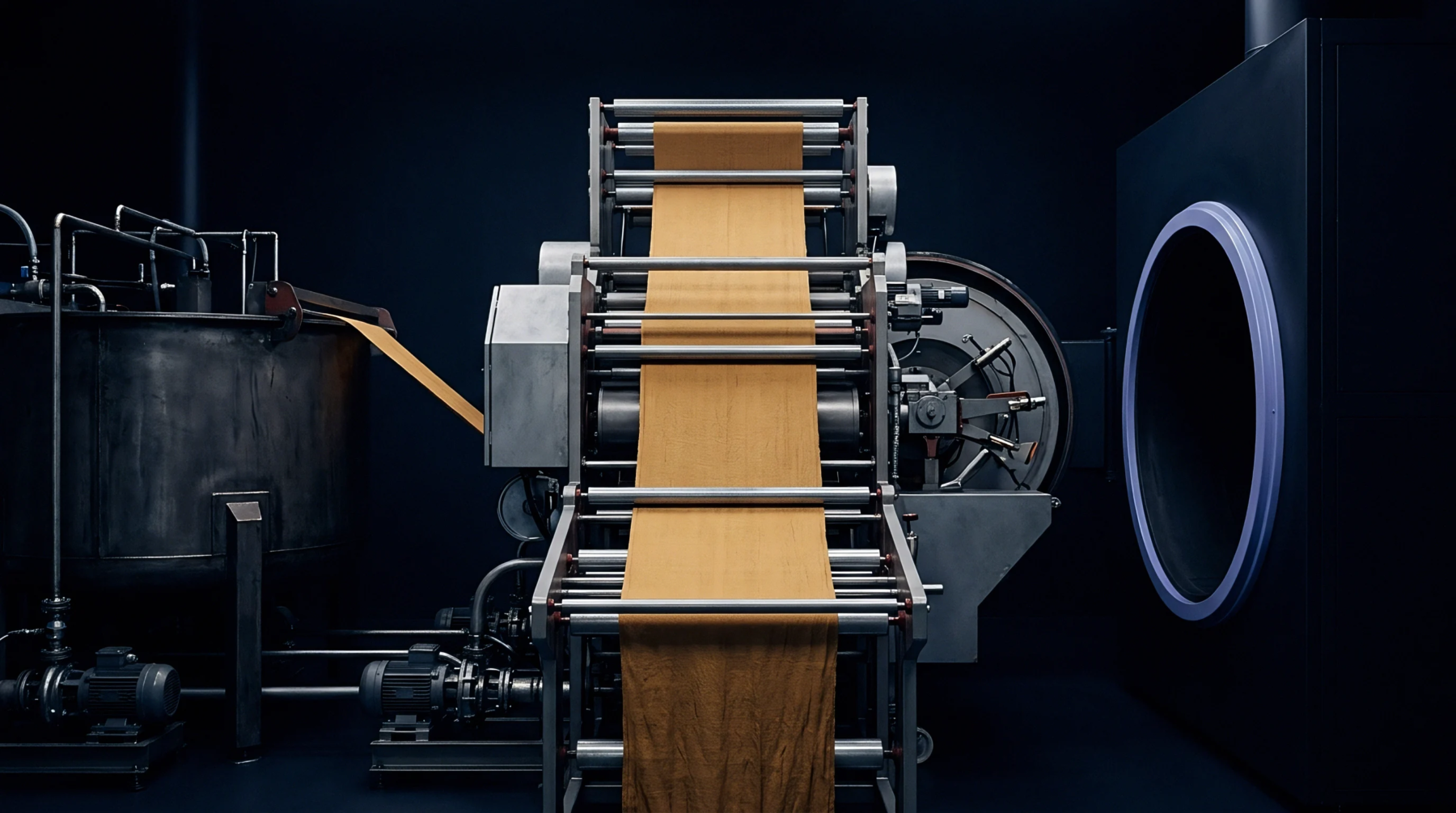
Scouring and sanforization are performed to stabilize the dimensions of the heavy cloth. Because cotton drill is prone to measurable shrinkage, the mechanical pre-shrinking process is required for garment accuracy. Vat dyeing is common here.
Color stays.
Durability Standard
Resistance to abrasion and tearing makes this material suitable for military uniforms and protective aprons. Testing for cotton drill usually focuses on the tensile strength and the persistence of the twill pattern after repeated laundering. A well-constructed drill fabric outlasts lighter twills in harsh environments.
Performance is measured.