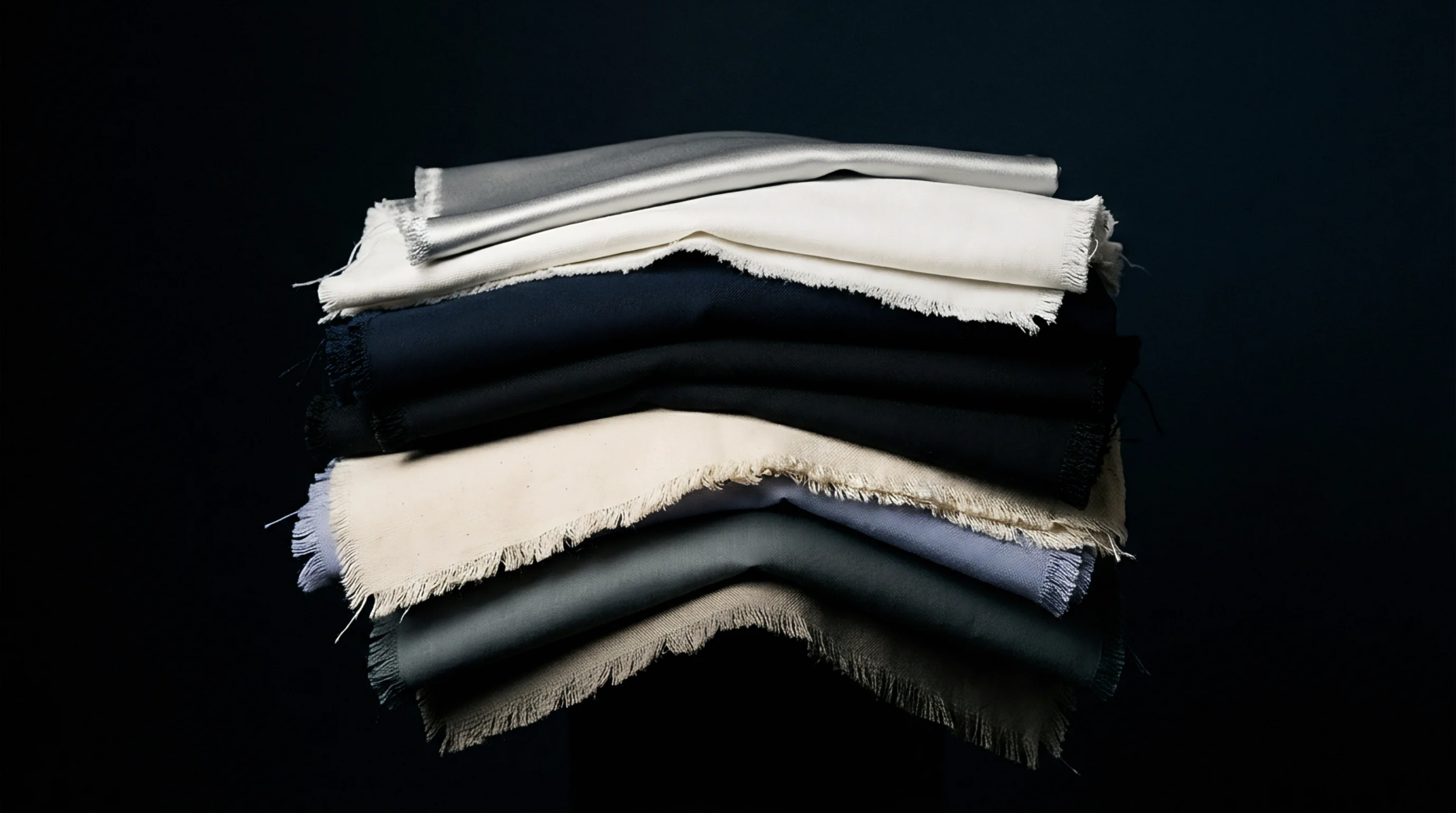
Mechanical Stretching
High-temperature metal housing controls the dimensional stability of woven and knitted textiles through continuous length and width adjustments. A tenter frame anchors fabric edges using pins or clips while the material travels through an enclosed heat-setting chamber. Tension applied during this transit fixes the width and removes wrinkles from the wet processing stage.
Width variability at this checkpoint determines the final gsm weight and dimensional shrinkage performance of the finished roll.
Operational Procedure
Processing begins as the wet fabric enters the feeding zone where internal sensors guide the edge onto the moving chain. Clamps grip the selvedge to maintain a uniform distance between parallel tracks that widen or narrow according to the desired finished width. Hot air jets circulate from above and below to evaporate moisture while the internal chain drive maintains constant longitudinal tension.
Cooling fans at the exit stabilize the structure before the wind-up station gathers the goods into a finished roll for shipment.
Structural Constraint
Heat exposure within the chamber induces molecular relaxation in synthetic fibres such as polyester to lock the dimensions against future laundering cycles. Over-stretching the fabric inside the machine results in a negative impact on the recovery properties and causes excessive distortion during subsequent garment construction. Mill technicians monitor the dwell time and temperature settings to ensure the physical properties remain within the defined tolerance limits for the specific construction.
Improper calibration leads to uneven weight distribution across the width of the fabric bolt.
Mechanical Performance
Tension settings influence the drape and handle of the textile by realigning the weave geometry to meet the commercial specifications. Correct application of force across the full length prevents bowing and skewing that would otherwise render the material unsuitable for high-precision cutting. Finished goods produced under controlled thermal conditions exhibit a predictable reaction to moisture and temperature fluctuations in the field.
Uniform force application across the machine width ensures the final product meets the standard for bulk consistency.