Mechanical Resistance
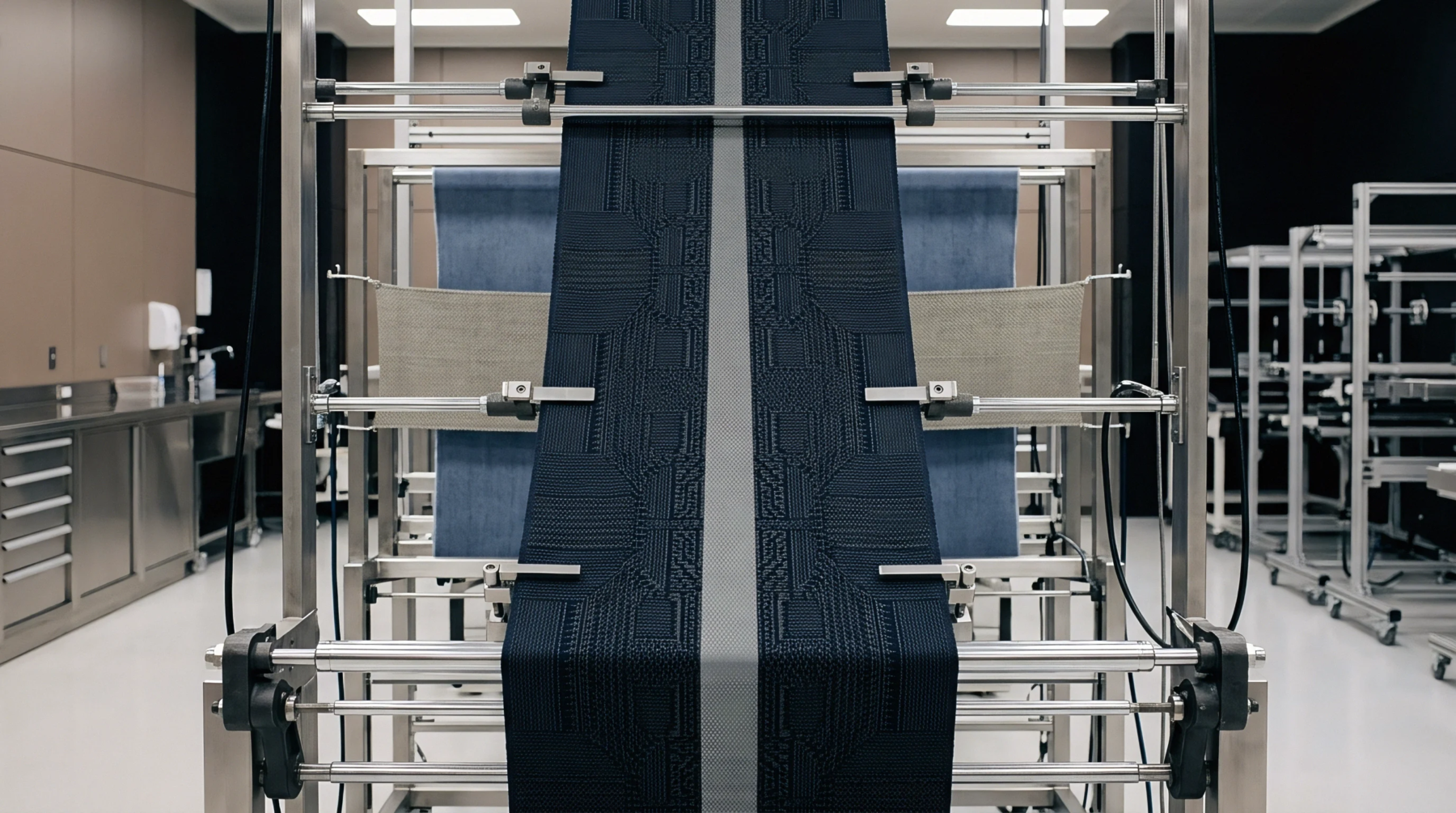
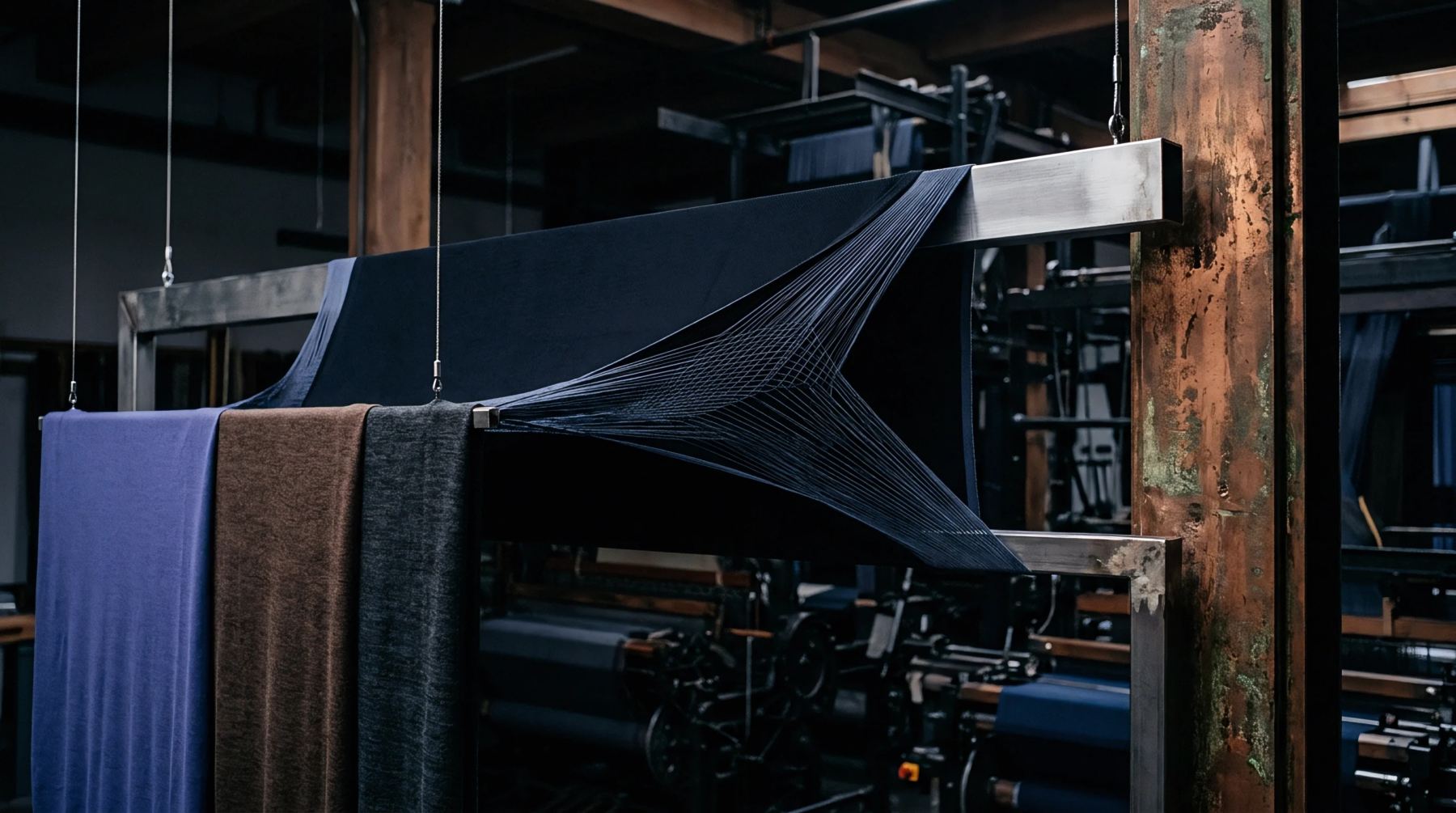
Vertical loads applied to parallel yarns during the shedding process determine the physical geometry of woven goods. This warp tension governs the straightness of the longitudinal strands and the resultant density of the final fabric. Measurements originate from load cells mounted on the loom backrest during machine operation.
Such data points define the load bearing capacity of the material prior to the insertion of horizontal components. Uniformity across the width of the machine prevents irregular crimp patterns within the completed textile structure. Stability of these forces stops excessive breakage of fragile filaments that undergo high speed mechanical cycling.
This parameter serves as a primary boundary for the structural integrity of industrial or garment textiles.
Processing Dynamics
Consistent elongation of the yarns during the shedding cycle requires precise calibration of the let off mechanism. If the warp tension fluctuates, the resulting fabric exhibits uneven pick density that ruins the aesthetic and physical properties of the batch. Mill technicians calibrate these forces based on the modulus of the specific fibre type used for the grid.
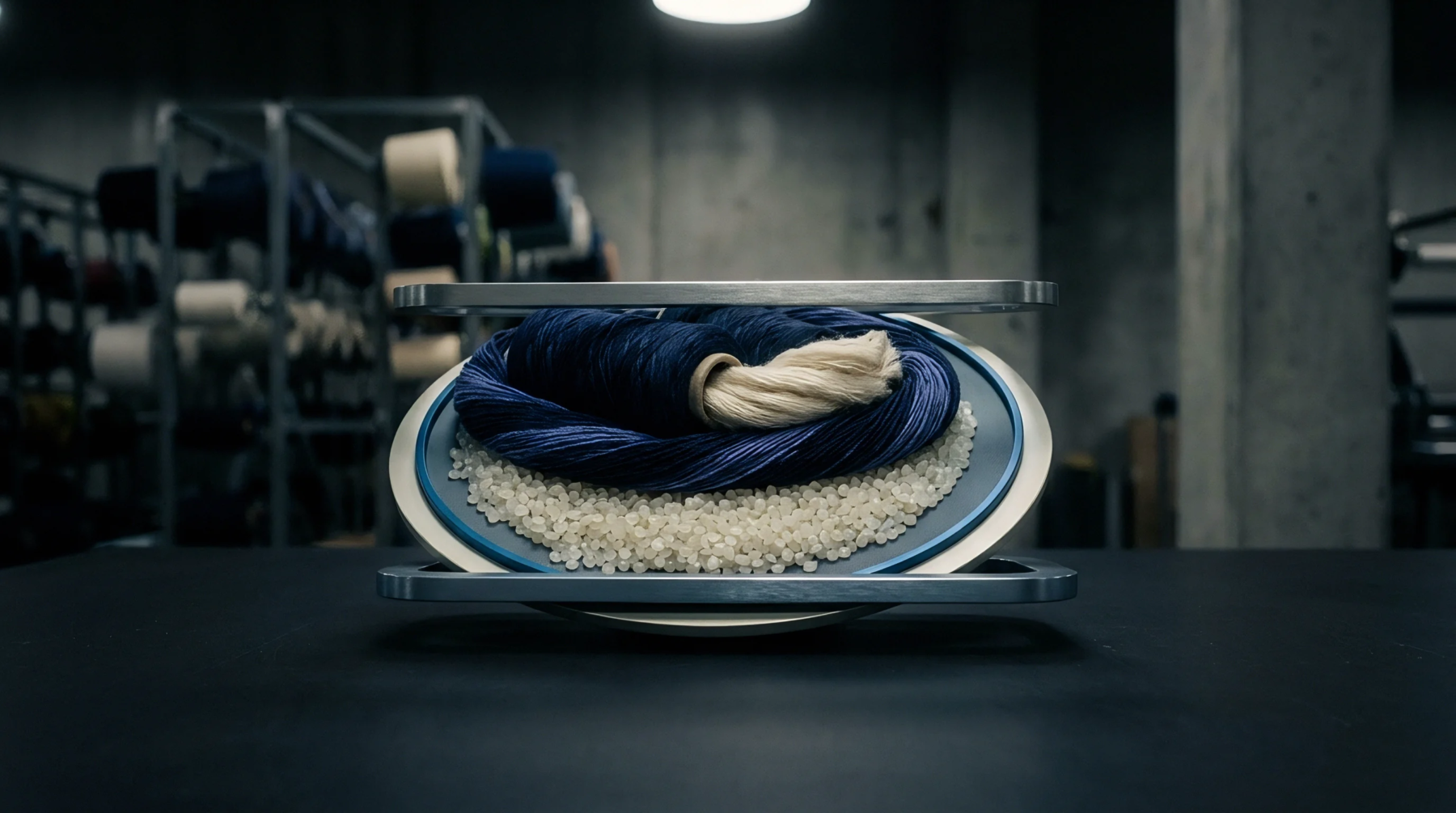
Synthetic filaments require different gravitational weights compared to natural fibres like cotton or wool to maintain consistent geometric spacing. Excessive pull causes damage to yarn surfaces through abrasive contact with the reed or harness eyes. Insufficient force allows for loops to form inside the shed, which creates thick spots or permanent defects in the production run.
Controllers adjust the brake torque on the beam to stabilize the delivery rate during the entire run length.
Standard Verification
Quality assurance protocols involve checking the load values against established physical benchmarks before the fabric exits the loom. Inspection at the cloth roll confirms the success of the mechanical settings applied at the beam. The warp tension acts as the physical record of the interaction between the beam brake and the take up motion.
Discrepancies between the mill claim and the audit occur when the brake pads experience thermal expansion or surface wear. Testing equipment captures these force profiles as an electronic map that defines the uniformity of the product quality. Proper documentation of these load profiles allows for corrective action if the fabric exhibits unacceptable levels of structural variance.
Technicians perform these checks at start up to ensure the machine settings remain within the specified range for the construction.
Production Outcome
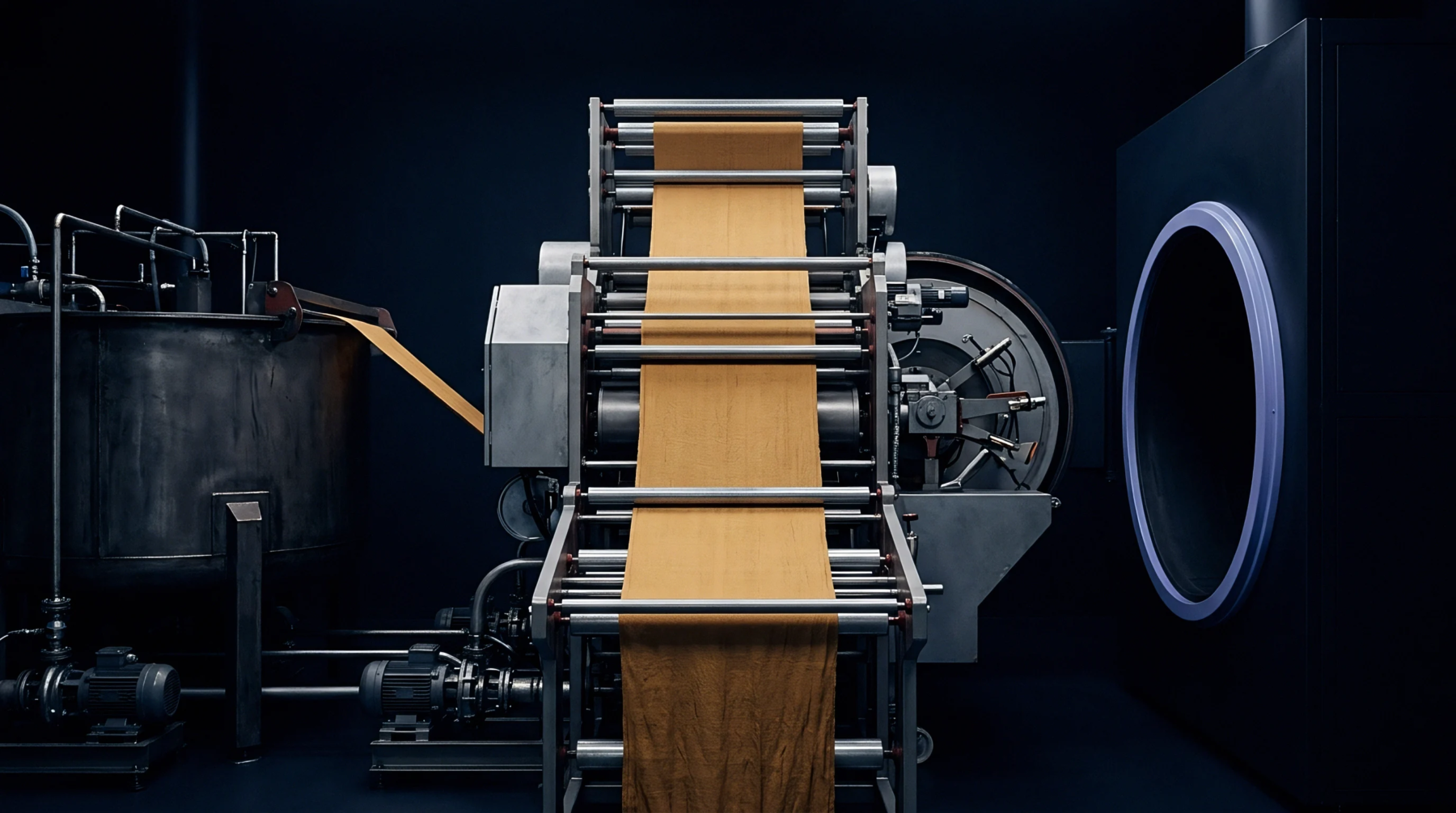
Stable force inputs produce consistent physical dimensions and reliable shrinkage behaviour during downstream finishing stages. When the warp tension remains uniform, the textile resists distortion while the producer applies chemical or thermal treatments. Irregular force distribution during the loom phase creates latent stresses that trigger pucker or bowing once the material leaves the machine.
High end technical textiles rely on strict adherence to these load limits to ensure the finished fabric meets performance specifications for strength and weight. Accurate control of the shedding forces determines the final recovery percentage and the dimensional stability of the textile batch. Uniformity throughout the entire production cycle ensures that each roll of material meets the requirements for end usage in demanding applications.
Every variation in the mechanical pull impacts the ultimate reliability of the commercial product.