Chemical Extraction
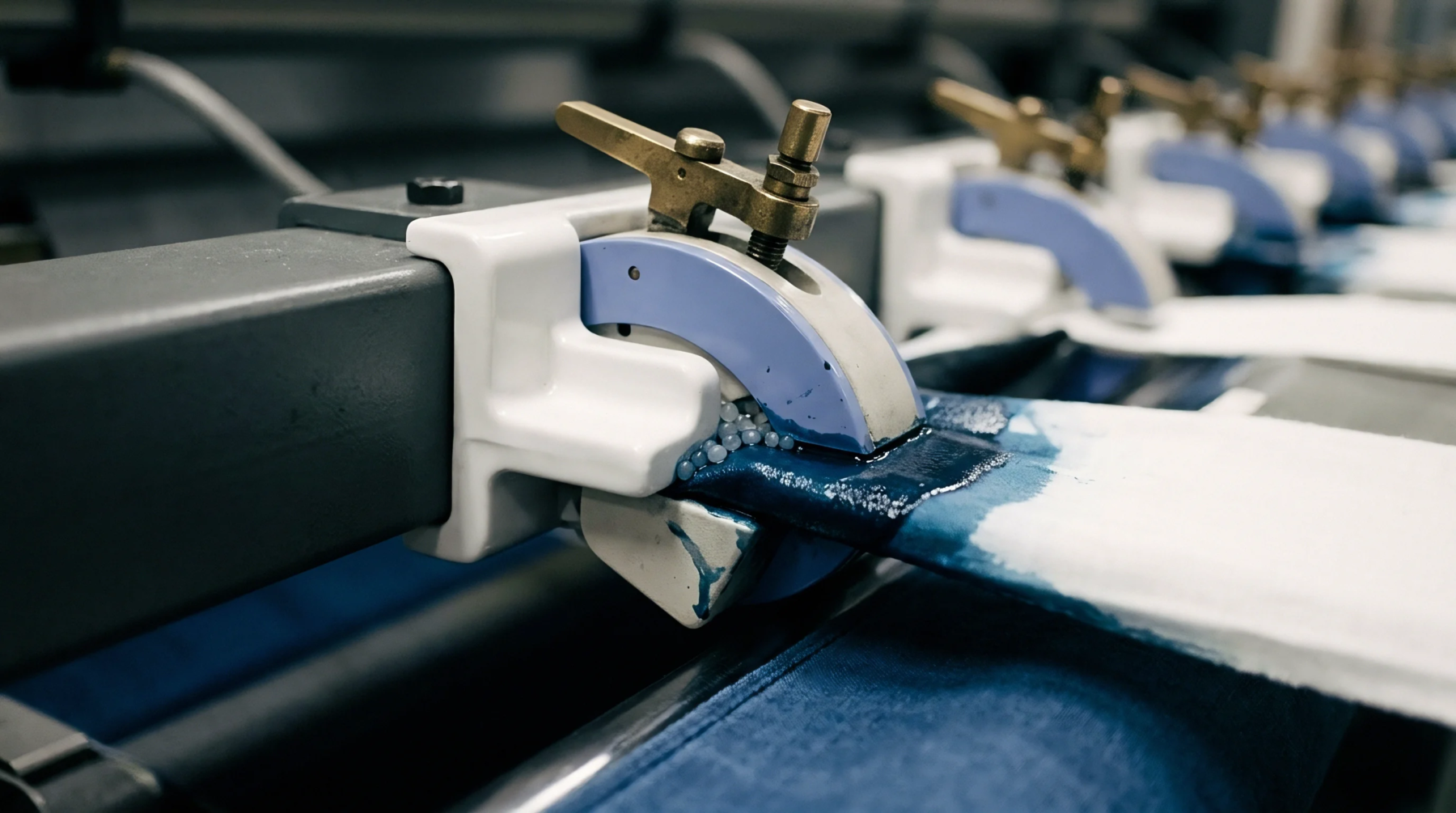
Detergent formulations remove waxes, oils, and pectins from raw cotton or wool fibers to ensure uniform absorption of later finishing treatments. These scouring agents emulsify non-cellulosic impurities during the boiling-off process. The compounds stabilize suspensions of contaminants within the aqueous bath to prevent redeposition onto the substrate.
Proper selection depends on the alkalinity of the bath and the required intensity of the fiber surface preparation.
Processing Efficiency
Mills monitor temperature gradients to optimize the activity of these surfactants. A higher concentration reduces the surface tension of water, which improves wetting speed during the initial immersion phase. The reaction velocity dictates how quickly the fabric achieves the desired degree of absorbency for dyeing.
Excessive dosing creates unstable foam that hinders mechanical movement in continuous washers.
Substrate Interaction
Surface tension reduction allows the treatment liquid to penetrate the dense structure of heavy woven fabrics. Scouring agents modify the hydrophobic barriers present on natural fibers to facilitate consistent chemical bonding in later stages. Failure to remove these residues leads to uneven dye uptake or spotting.
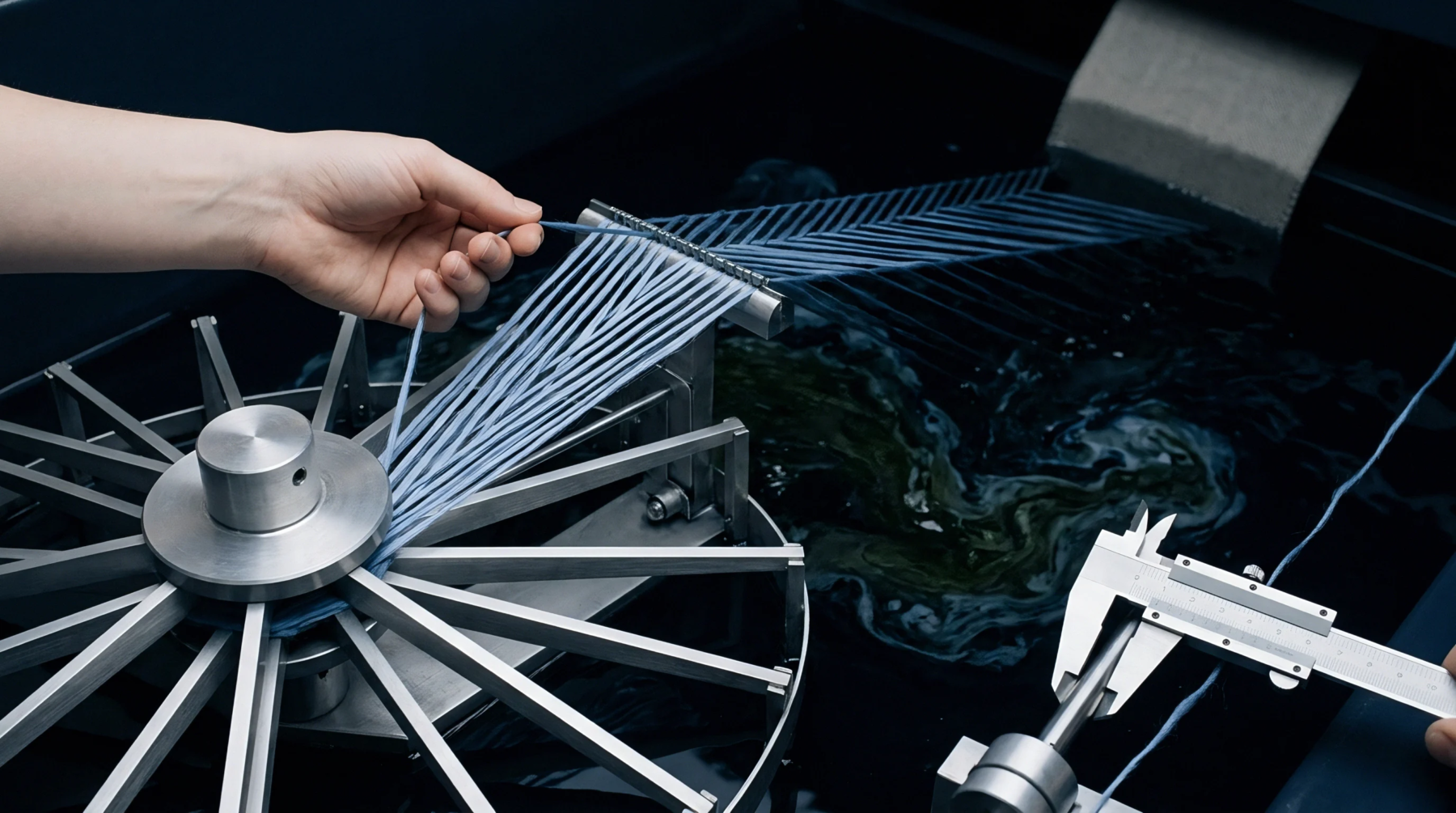
Quality control personnel confirm this removal by measuring the wetting time of a fabric sample dropped into a liquid test solution.
Operational Cost
Raw material procurement requires balancing the price of specialty wetting formulations against the throughput speeds of the facility. High energy consumption during the rinse cycle occurs if the selected chemistry leaves heavy foam residues in the waste stream. Operators adjust dosages based on the contamination load of the incoming raw fiber lot.
Efficient removal of natural fats minimizes downstream defects in printing and finishing.