Standardized Testing Procedures for Nonylphenol Ethoxylates in Fabric
ISO 18218-1 LC-MS/MS testing after 50 °C methanol extraction provides the definitive quantitative benchmark to verify 100 mg/kg fabric ethoxylate limits.
Extraction
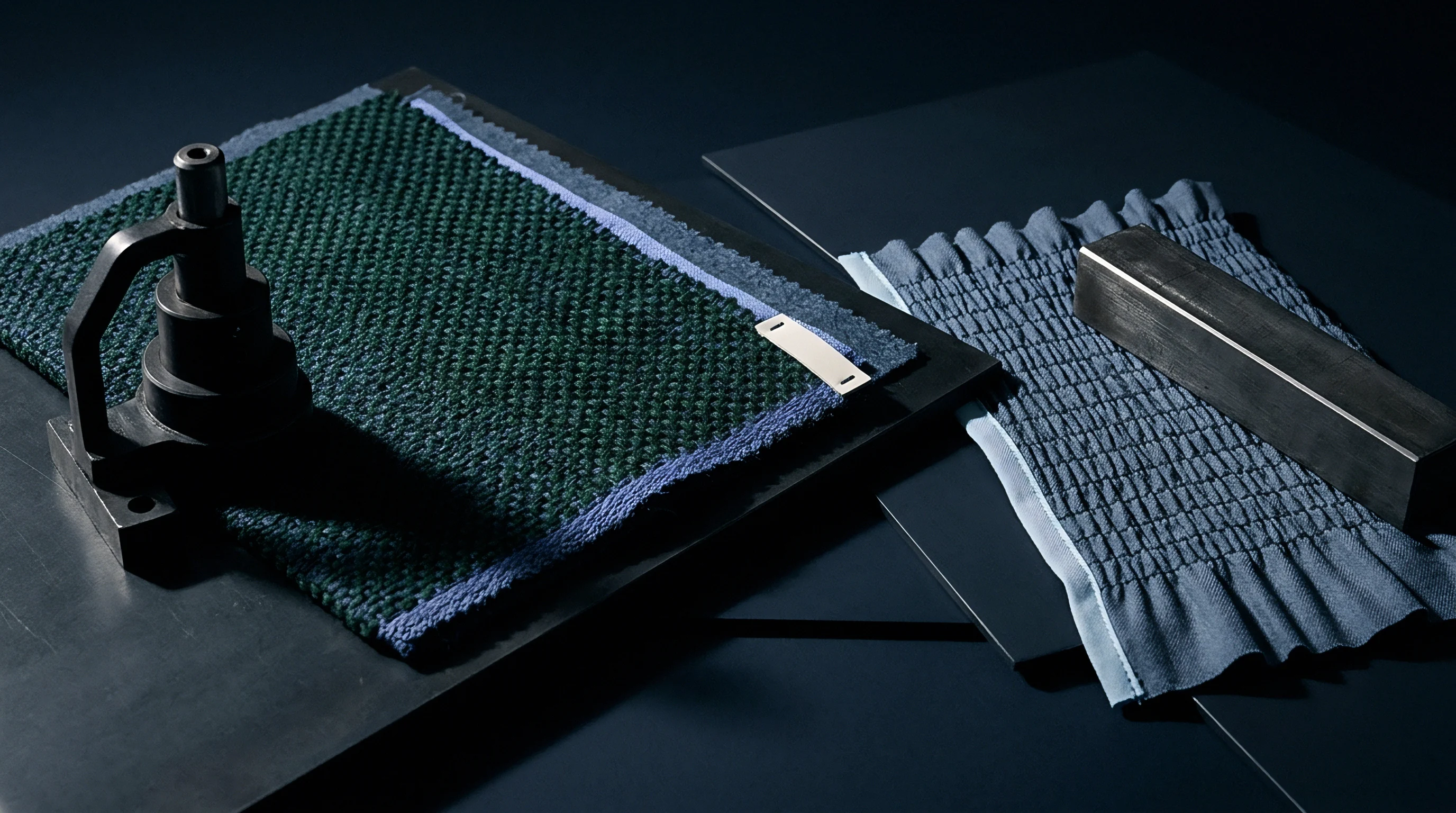
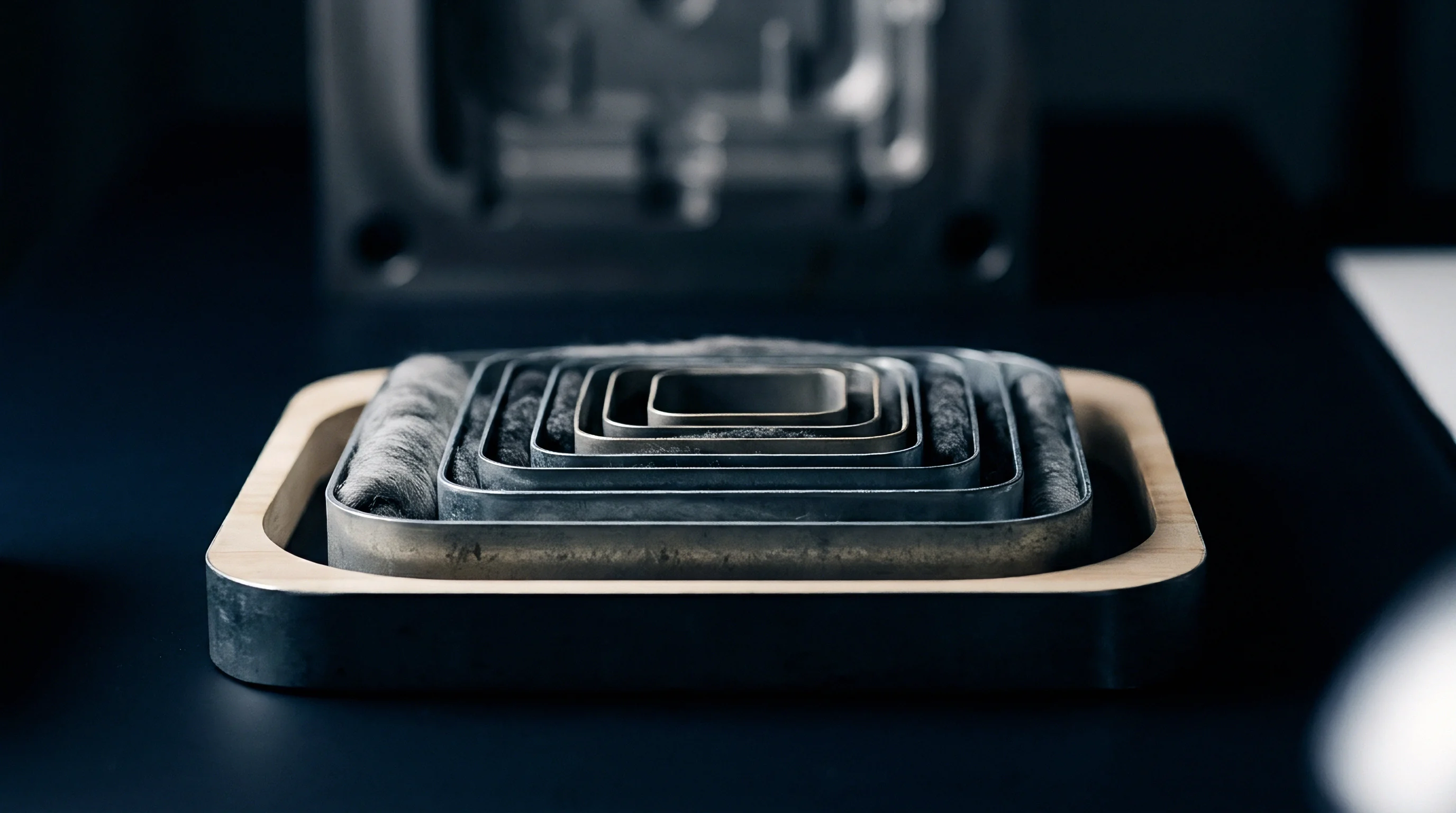
Isolating alkylphenol ethoxylates from textile matrices requires controlled solvent polarity, temperature, and agitation. Standard testing under ISO 18218-1 specifies cutting fabric into swatches of roughly 5 mm by 5 mm to maximize liquid-contact surface area. Analysts then weigh out a test portion of 1.0 g to 2.0 g on an analytical balance to an accuracy of 0.1 mg before transferring the material into a sealed glass vial.
Methanol works best as the extraction solvent because it swells cellulosic and synthetic yarns effectively, reaching surfactant residues embedded deep inside fiber bundles where acetonitrile demonstrates sluggish extraction kinetics. After adding 20 mL of HPLC-grade methanol, the sealed vial sits in an ultrasonic bath maintained at 50 °C for 60 minutes. The collapsing cavitation bubbles disrupt physical adhesion between the ethoxylate hydrophilic chains and the textile substrate.
Methanol extraction at 50 °C for 60 minutes under ultrasonic agitation defines the standardized benchmark for total alkylphenol ethoxylate recovery in woven and knitted structures.
Alternative solvents like tetrahydrofuran or dichloromethane give inconsistent recoveries across different fiber blends and hydrophobic finishes. Tetrahydrofuran also dissolves elastane yarns, leaving behind a viscous polymer fraction that clogs column inlets and causes significant ion suppression during mass spectrometry. Standard methods resolve this by passing the raw extract through a 0.45 µm PTFE syringe filter to catch particulates and loose lint before injection.

Solvent Selection and Thermal Kinetic Parameters
Methanol maintains good solubility across the full oligomeric range from NPEO-1 to NPEO-20. Keeping the bath steady at 50 °C provides enough thermal energy to break matrix retention forces without cleaving long ethoxylate chains into lower-molecular-weight fragments. Running above 60 °C risks solvent loss through loose vial seals, which concentrates the remaining solution and falsely inflates calculated values.
- Thermal Bath Variance Temperature drops below 45 °C reduce ethoxylate solubility, causing incomplete recovery of long-chain oligomers and false-negative compliance reports.
- Particle Matrix Interference Incomplete filtration allows microfibers to enter the liquid chromatography flow path, generating system backpressure spikes and altering retention times.
- Polymer Swelling Excess Tetrahydrofuran usage on elastane blends co-extracts raw polyurethane oligomers that interfere with target surfactant ion ionization.
- Solvent Volatility Losses Evaporation of methanol during heated sonication concentrates the liquid extract, artificially elevating reported milligram-per-kilogram values.

Ultrasonic Energy versus Soxhlet Mechanical Efficiency
Acoustic cavitation moves solvent through tightly woven fabrics far more rapidly than passive reflux. Soxhlet extraction under ISO 18218-2 circulates boiling solvent over two hours, but sustained thermal exposure risks breaking sensitive ethoxylate bonds. Ultrasonic extraction matches or exceeds Soxhlet yields while protecting oligomer integrity.
When target analytes sit near the detection threshold, the extract can be blown down under a gentle nitrogen stream at 40 °C.
Residual scouring agents do not simply volatilize during high-temperature stenter drying; non-volatile ethoxylates routinely endure the heating cycle and remain embedded in finished yardage.


Chromatography
Liquid chromatography coupled with tandem mass spectrometry provides the benchmark method for resolving individual nonylphenol ethoxylate homologues. HPLC separates the surfactant mixture along its hydrophilic chain gradient before sending the stream to the ionization source. Analytical C18 reverse-phase columns ~ commonly 100 mm to 150 mm long, 2.1 mm inner diameter, and packed with 1.8 µm to 3.5 µm particles ~ deliver the peak separation required for individual oligomers.
Positive-mode electrospray ionization converts eluted oligomers into stable ammonium adducts or protonated species. Adding 2 mM to 5 mM ammonium acetate to the mobile phase promotes uniform adduct formation across the entire molecular-weight curve. Triple quadrupole systems running multiple reaction monitoring then track precursor-to-product ion transitions for octylphenol ethoxylates and nonylphenol ethoxylates spanning 1 to 20 ethoxy units.
| Analytical Parameter | LC-MS/MS (ISO 18218-1) | HPLC-FLD (ISO 18218-2) | Laboratory Impact |
|---|---|---|---|
| Primary Target Analytes | Individual NPEO(1-20) and OPEO(1-20) oligomers | Cleaved alkylphenols (NP, OP) post-cleavage | LC-MS/MS identifies exact ethoxylate chain length distributions |
| Limit of Quantitation (LOQ) | 0.1 mg/kg to 0.5 mg/kg per individual oligomer | 5.0 mg/kg total equivalent alkylphenol | Tandem mass spectrometry detects trace industrial contamination |
| Matrix Interference Susceptibility | Low ion suppression via MRM monitoring | High fluorescence overlap from co-extracted dyes | Fluorescence methods yield frequent false positives on dark shades |
| Analysis Run Time | 12 to 18 minutes per injection | 35 to 50 minutes per sample cycle | Direct LC-MS/MS increases daily testing throughput |

Tandem Mass Spectrometry and Electrospray Ionization Mechanics
The first quadrupole isolates parent ions corresponding to individual ethoxylate chain lengths, feeding them into a collision cell charged with argon or nitrogen. Collision-induced dissociation yields characteristic fragments, predominantly the nonylphenol ion at m/z 135 alongside specific ethoxy fractions.
Quantitative tandem mass spectrometry achieves limits of quantitation down to 0.1 mg/kg per oligomer while eliminating false positive signals from co-extracted dyestuffs.
Quantitation is performed by summing peak areas against certified reference materials of known oligomeric distribution. Calibration sets built from commercial surfactant mixtures must cover 0.05 µg/mL to 10.0 µg/mL with regression coefficients above 0.995, while matrix-matched or deuterated internal standards correct for ionization quenching caused by co-eluting dyes and finishes.

Ethoxylate Chain Distribution and Quantitation Challenges
Commercial formulations contain broad, asymmetrical distributions of ethoxylate chain lengths. Short-chain variants like NPEO-1 and NPEO-2 elute early under gradient conditions, whereas longer homologues like NPEO-15 require much higher organic ratios; quantifying the full profile requires calibration across individual ethoxylomers and summing all detected concentrations from NPEO-1 through NPEO-20.
Indirect protocols simplify chromatography by cleaving ethoxylates down to free alkylphenols for GC-MS or HPLC-FLD measurement under ISO 18218-2. However, cleavage reagents like hydrogen iodide often react incompletely, which understates surfactant concentrations. Direct LC-MS/MS testing under ISO 18218-1 skips the cleavage step altogether, making it the preferred reference standard in commercial disputes.
Technical uncertainty persists regarding whether high-energy atmospheric plasma pretreatments alter the long-chain ethoxylate distribution into low-molecular-weight species before solvent contact occurs.


Bath
Wet processing mills rely on non-ionic surfactants to lower surface tension across scouring, bleaching, and leveling stages. The amphiphilic geometry of alkylphenol ethoxylates ~ a hydrophobic alkylphenol head coupled to a hydrophilic polyethylene glycol tail ~ makes them particularly effective at washing natural fats, waxes, and spinning lubricants out of raw greige goods before dyeing.
Because ethoxylates form strong hydrogen and hydrophobic bonds with synthetic fiber backbones, standard rinse baths rarely remove them entirely. Trapped molecules later bleed out into hot dye liquors or remain fixed in the goods through stenter finishing.
Residual surfactants bound within fiber interiors fail to wash out during standard rinsing and concentrate inside final finishing baths.
Surfactant Functionality in Wet Textile Operations
Wetting auxiliaries reduce interfacial tension against hydrophobic synthetics such as polyester and polyamide. Their emulsifying strength keeps extracted oils suspended in the bath, preventing them from redepositing on the running fabric. Switching from NPEOs to alcohol ethoxylates typically requires reformulating bath concentrations, because alcohol-based substitutes display distinct cloud points and foam more readily under jet-dyeing shear.

Carryover Dynamics across Subcontracted Dyehouses
Shared vats carry chemistry over between runs whenever a mill transitions from standard goods to certified organic production without running a thorough boil-out. Equipment cleaners also tend to rely heavily on nonylphenol ethoxylates for grease removal. As a result, clean fabric frequently picks up residual surfactants left behind by prior lots or maintenance washes.
Failure to audit wet-processing chemical formulations exposes the converting facility to lot rejections, mandatory cargo destruction orders, and complete forfeiture of commercial delivery contracts.

Thresholds
Market regulations and private certifications set strict, tier-specific thresholds for alkylphenols and their ethoxylates based on end-use skin contact. Securing export access requires meeting the lowest allowable limit among target jurisdictions, with surveillance targeting both parent surfactants and degradation byproducts like octylphenol and nonylphenol.
Entry 46a of REACH Annex XVII bans nonylphenol ethoxylates in washable textiles at or above 0.01% by weight (100 mg/kg or 100 ppm). European port authorities screen incoming containers against this cutoff, turning non-compliant consignments over to customs impoundment and logging them on the EU Safety Gate portal.
| Standard or Regulation | Scope of Coverage | NP and OP Limit | NPEO and OPEO Sum Limit | Compliance Verification Standard |
|---|---|---|---|---|
| EU REACH Annex XVII Entry 46a | Washable textile articles placed on EU market | 10 mg/kg combined (Candidate List SVHC) | 100 mg/kg (0.01% w/w) total sum | EN ISO 18218-1 LC-MS/MS direct method |
| OEKO-TEX STANDARD 100 Class I | Baby and toddler textile items (up to 36 months) | 10 mg/kg individual limit | 10 mg/kg total combined sum | ISO 18218-1 combined with ISO 18218-2 |
| OEKO-TEX STANDARD 100 Class II-IV | Direct skin contact and interior textiles | 10 mg/kg individual limit | 100 mg/kg total combined sum | ISO 18218-1 combined with ISO 18218-2 |
| Global Organic Textile Standard v7.0 | Certified organic status textiles | Prohibited (LOQ 10 mg/kg) | 10 mg/kg sum maximum trace limit | ISO 18218-1 mandatory laboratory testing |
| ZDHC MRSL v3.1 | Chemical formulations supplied to wet processing mills | 25 mg/kg limit in raw chemical mix | 50 mg/kg combined formulation limit | Direct formulation extract LC-MS analysis |

Where Do Regional Enforcement Actions Diverge on Cleavage Products?
European port inspectors screen consignments for total ethoxylates alongside free nonylphenol. In the United States, enforcement under California Proposition 65 concentrates on free nonylphenol exposure, prompting private brand restricted substance lists to set tolerances well below statutory requirements. Chinese market authorities enforce GB/T 18401 and GB 31701, which generally match the European 100 mg/kg threshold.

Harmonization Gaps between Commercial Certifications
Voluntary eco-standards routinely impose stricter restrictions than baseline product law. GOTS Version 7.0 prohibits intentional alkylphenol ethoxylate use outright, interpreting any analytical result above 10 mg/kg as evidence of tainted chemicals or dirty machinery. OEKO-TEX STANDARD 100 applies a split standard, enforcing an absolute 10 mg/kg limit across baby apparel under Class I while allowing up to 100 mg/kg for adult garments under Class II.
- Chemical Formulation Auditing Verify incoming dyehouse auxiliaries against ZDHC MRSL Conformance Level 3 certificates before bulk application begins.
- Subcontractor Screenings Mandate batch testing for all wet-processed lot sub-contracts before allowing yardage to enter main sewing lines.
- Composite Testing Protocols Avoid combining more than three distinct colorways into a single analytical test specimen to prevent dilution effects.
- Certificate Scope Mapping Confirm that laboratory test reports cover the specific article number and fiber composition matching the shipping manifest.
Incorporating Annex XVII Entry 46a verification mandates into purchase orders legally shifts border clearance liability to the primary textile converter upon receipt of custom entry documentation.


Discipline
Reliable lot clearance requires wet-floor sample testing rather than relying on vendor safety data sheets. Safety sheets regularly omit alkylphenol ethoxylates present below the 1% statutory reporting threshold, obscuring non-compliant additives. Independent laboratory analysis on physical roll cuttings remains the only defensible compliance record.
Pooling cuttings from several rolls into one composite laboratory specimen introduces severe compliance risk. A roll contaminated with 400 mg/kg of NPEO from uneven scouring will average down to 100 mg/kg when blended with three zero-residue rolls, yielding a borderline result that masks a gross violation bound to fail subsequent border audits.
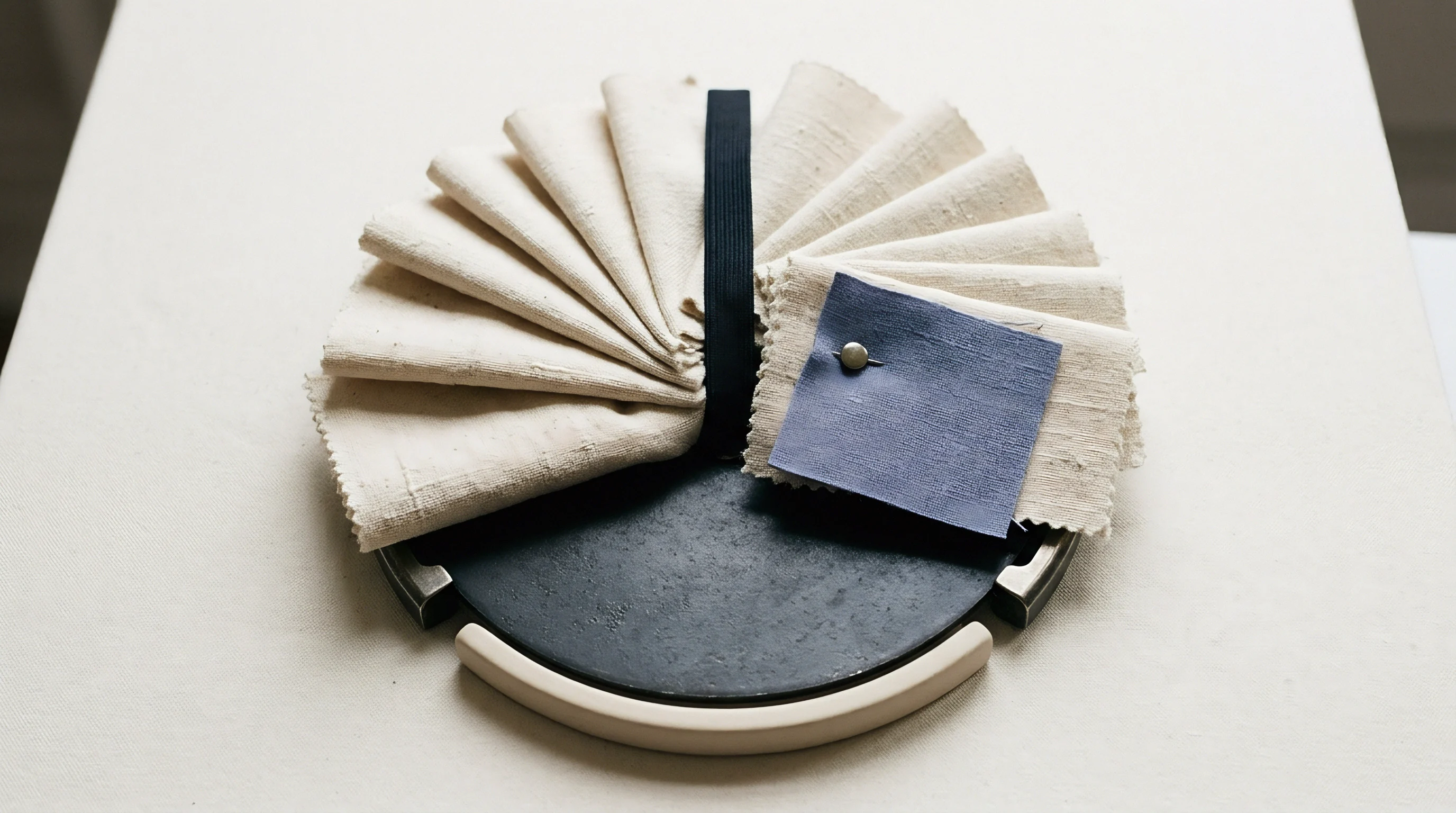
- Cut fabric swatches across the full width of the roll, discarding the first two meters of outer wrapping material to avoid surface contamination.
- Take representative specimens from three distinct rolls per dye lot, targeting head, middle, and tail sections of the production run.
- Place each swatch immediately inside a clean, aluminum-foil-lined polyethylene bag to prevent plasticizer migration or cross-contamination.
- Seal the sample container and apply a tamper-evident tracking label recording roll number, dye lot code, date, and operator identity.
- Log the sample into the laboratory chain of custody register, specifying ISO 18218-1 LC-MS/MS testing on individual swatches rather than composite blends.
Chain of Custody and Roll-Level Sampling Procedures
Sampling across the center and both selvages reveals transverse variations from padding mangles and wash boxes. Technicians sieve off loose surface lint and handle swatches using clean stainless steel shears and powder-free nitrile gloves, since standard polythene bags can leach phthalates and surface slip agents directly into the fabric.
Testing individual roll samples eliminates the dangerous dilution effect inherent in composite specimen preparation routines.
Audit Mechanics for Subcontracted Processing Units
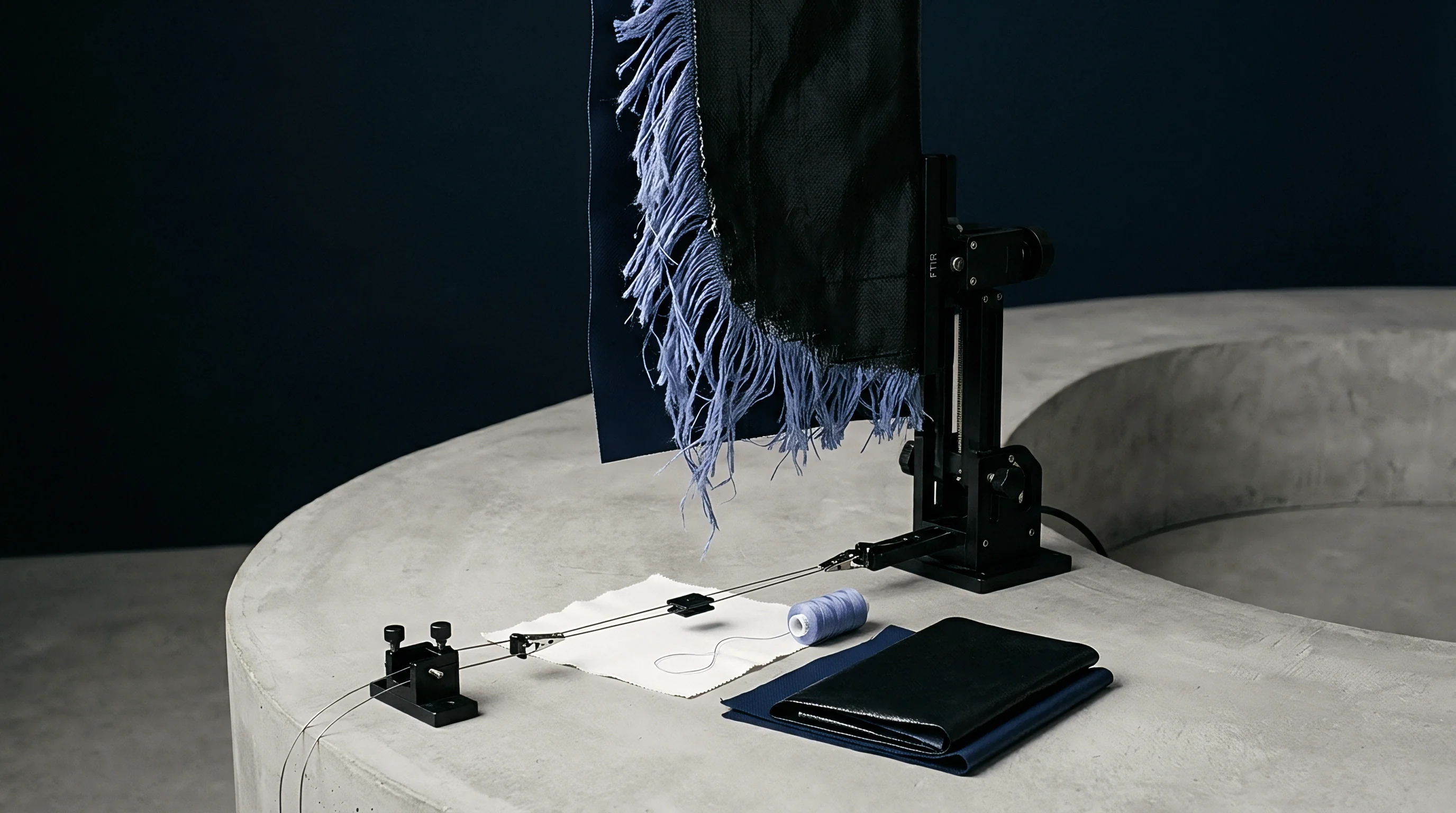
Auditors cross-reference barrel labels in mill mix rooms against approved chemical inventories, screening for unapproved scouring agents and low-cost wetting aids. Spot wastewater testing at dyehouse discharge points often reveals illicit surfactant usage faster than fabric analysis, because processors dump large volumes of ethoxylates straight into the effluent during scouring cycles.
Sampling individual rolls from every major dye lot provides higher commercial protection than relying on static annual facility certificates.


Litigation
Customs detentions and brand recalls stemming from surfactant limits trigger immediate contractual liabilities throughout the supply chain. Port regulators routinely freeze entire containers pending confirmation from accredited testing bodies, leaving importers to cover dock storage fees, demurrage charges, and laboratory analysis.
Supply agreements push these costs upstream to the mill or finishing house. When a brand pulls retail inventory for regulatory violations, vendor contracts typically recover garment production costs, inbound and outbound freight, disposal expenses, and administrative penalties from the supplier.

Customs Seizures and Importer of Record Liability
Border authorities hold suspect shipments under general product-safety powers. The importer must submit valid, lot-specific test reports from an ISO 17025 accredited facility within a narrow window, usually 14 to 30 days. Missing that deadline triggers mandatory re-export or cargo destruction at the importer’s expense.

Commercial Allocation of Retest and Detention Expenses
Purchase contracts allocate holding costs according to lot documentation. On a 20,000-meter lot of dyed cotton valued at 12 EUR per meter, total cargo value reaches 240,000 EUR. A detention for suspected NPEO adds roughly 250 EUR per day in container demurrage, while re-testing five separate colorways at an independent lab costs 450 EUR per test, or 2,250 EUR in total analytical fees.
A 20-day border hold generates 5,000 EUR in demurrage alone. If testing returns an NPEO level of 180 mg/kg against the 100 mg/kg REACH limit, customs orders cargo destruction, adding 8,000 EUR in hazardous waste incineration costs. The exposure climbs from an initial 2,250 EUR testing charge to 255,250 EUR in total losses across lost inventory, freight, demurrage, and waste disposal.
Freight forwarders hold blocked containers in bond while independent laboratories process confirmatory LC-MS/MS extractions to establish final regulatory clearance.