
Integrating Transaction Certificate Audits into Recurrent Fabric Sourcing Workflows
Automated transaction certificate reconciliation matches net shipping weights, scope validity dates, and laboratory reports to prevent customs detentions.
Automated transaction certificate reconciliation matches net shipping weights, scope validity dates, and laboratory reports to prevent customs detentions.

Establishing a chemical baseline for woven fabric batches links ISO 17025 test reports directly to physical roll lots and transaction certificates.

Total Organic Fluorine via combustion screening measures all organic fluorine including polymer backbones, whereas targeted PFAS scans miss unlisted finishes.

Bayesian inversion of attenuated infrared depth scans isolates subsurface plasticizer gradients from polymer degradation noise to verify chemical compliance.
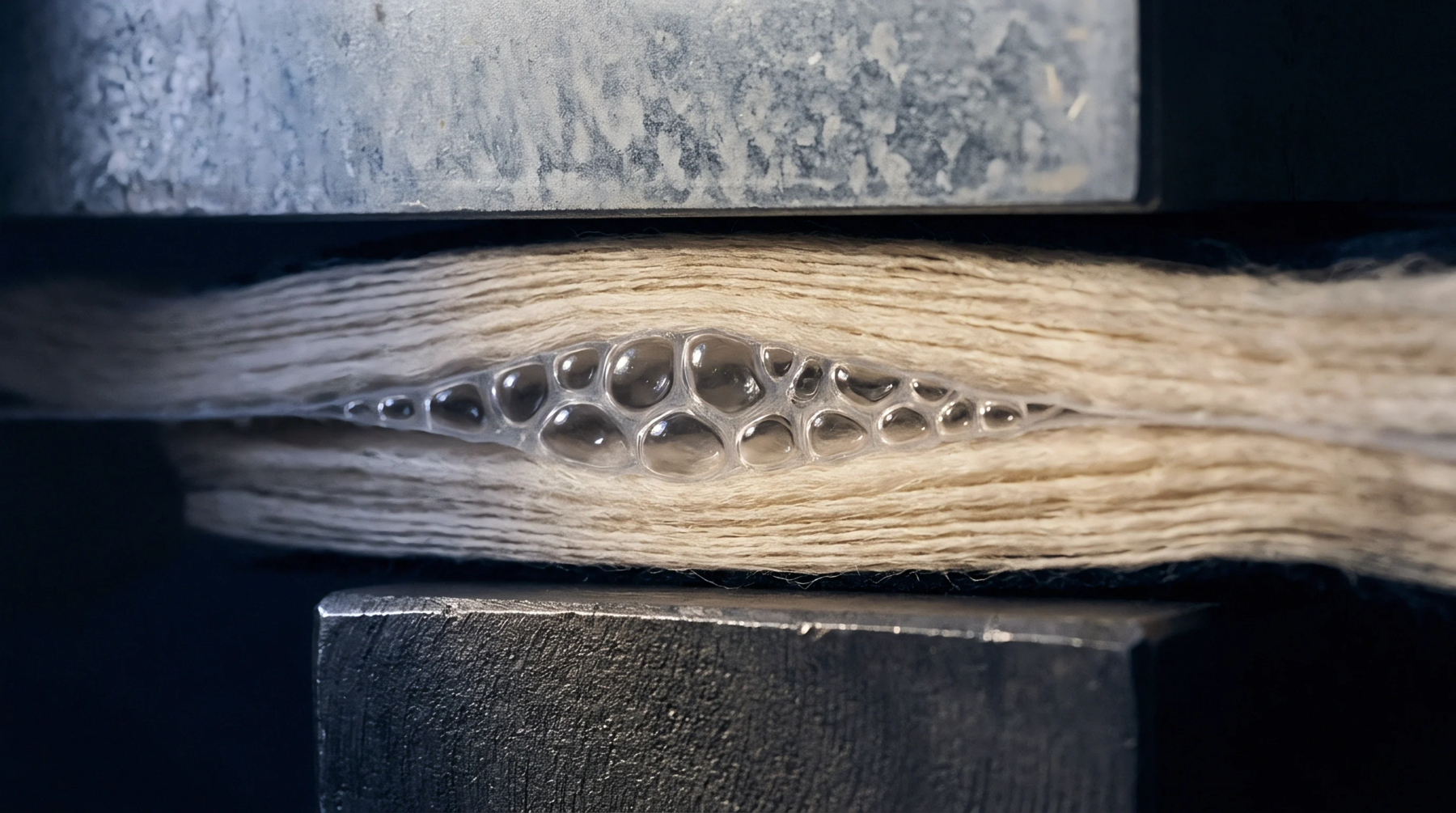
Subcontracted wet processors transfer PFAS risk to buyers unless contract flow down mandates chemical batch testing and inventory cross-verification.

ISO 2859-3 skip-lot sampling cuts inspection cadence only after ten clean normal lots, shifting consumer risk unless backed by strict chemical dock controls.

Mass balance credit ledgering allocates verified recycled chemical feedstocks to synthetic fibers via rigorous stoichiometric yields, preventing fraudulent retail claims.

ISO 18218-1 LC-MS/MS testing after 50 °C methanol extraction provides the definitive quantitative benchmark to verify 100 mg/kg fabric ethoxylate limits.

Grab and strip tensile test methods yield divergent breaking force values; cross-market compliance demands method-specific testing on identical batch swatches.

Verify physical receiving weights against transaction certificate balances using standard moisture regain adjustments before authorizing batch production.
Expertise is a utility, not a secret. sentiention™ publishes its working knowledge as open reference: intelligence layer covering the materials it sources, the markets it enters, and the reference that serves both.