Subcontracted Wet Processor PFAS Flow down Mechanics
Subcontracted wet processors transfer PFAS risk to buyers unless contract flow down mandates chemical batch testing and inventory cross-verification.


Bath
Chemical Contamination Routes in Subcontracted Mills
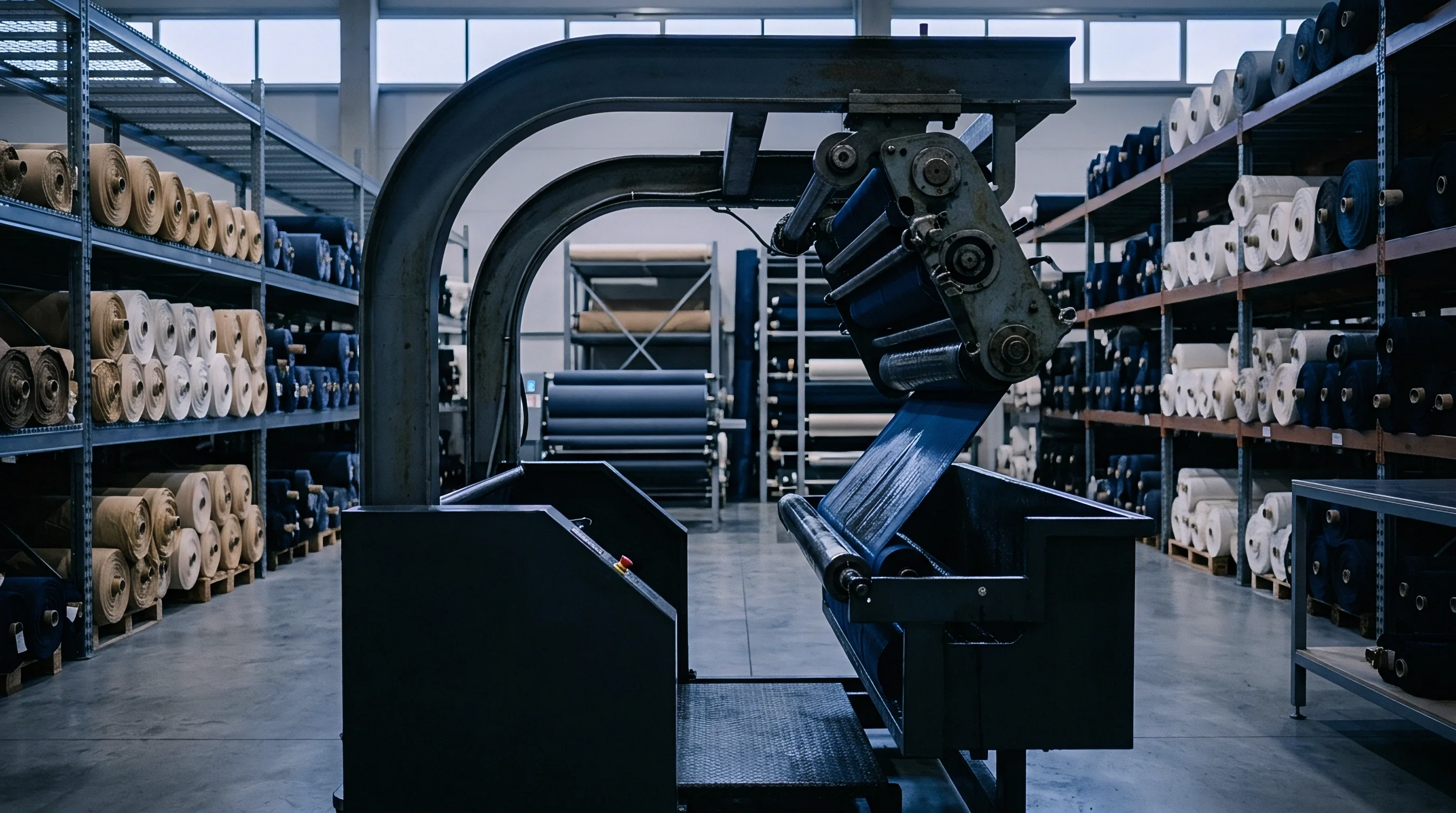
Primary fabric converters frequently outsource scouring, dyeing, printing, and finishing to secondary commission dyehouses. In these subcontracted facilities, wet processing runs through shared vats, high-temperature jet dyeing machines, and continuous padding mangles. Perfluoroalkyl and polyfluoroalkyl substances usually enter fabric lots at this stage in one of two ways: through deliberate application or unintended carryover.
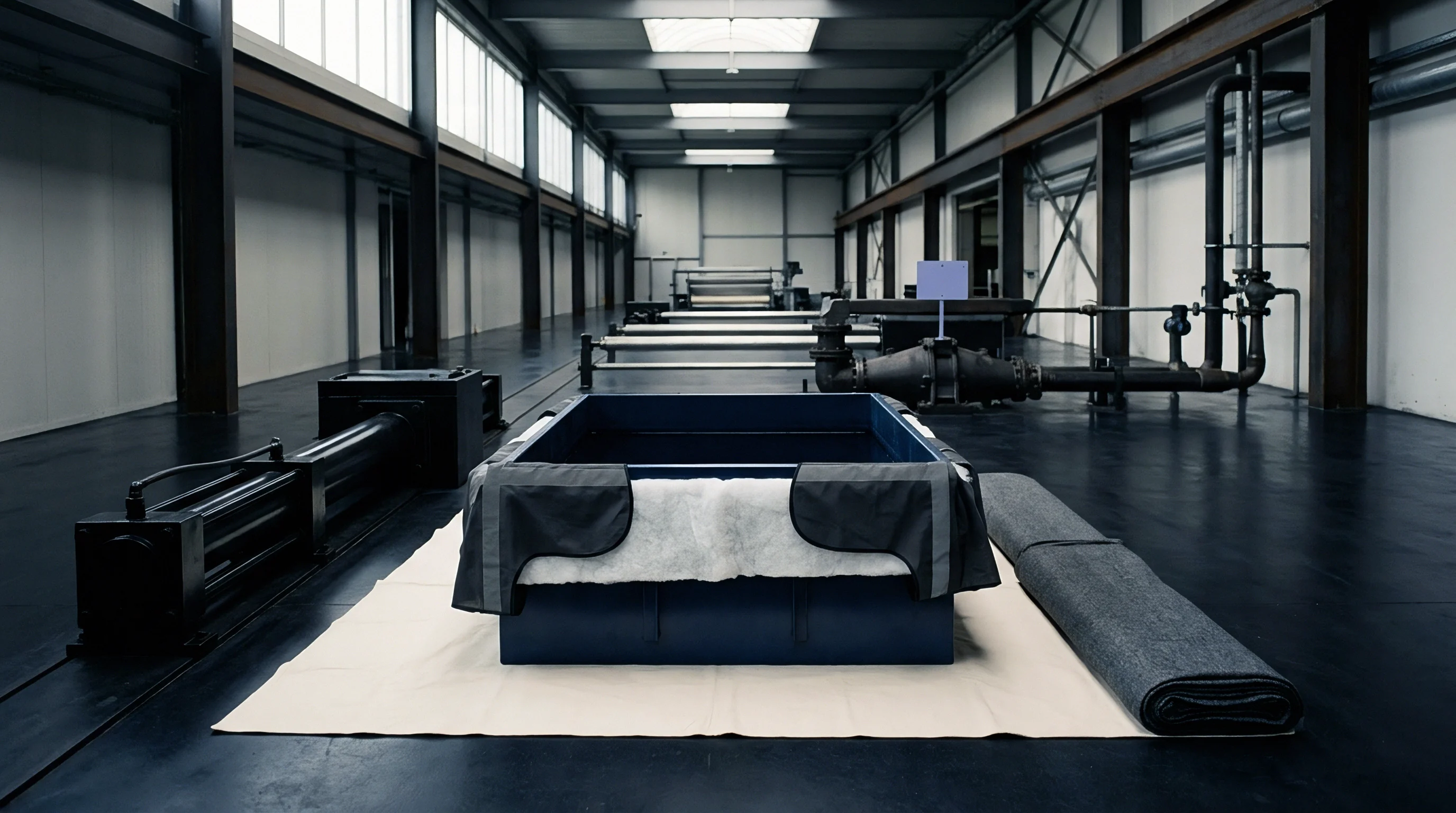
Deliberate application happens when the processor applies stain-resistant, oil-repellent, or durable water-repellent finishes formulated with short-chain fluorinated chemistry. Carryover, by contrast, takes place when equipment processes non-fluorinated fabric right after a fluorinated run without a thorough solvent boil-out or vessel washdown. Leftover fluoro-surfactants in padding bath reservoirs, pipe networks, and stenter frame oil traps then transfer onto raw fabric webs.
Additionally, scouring agents, wetting auxiliaries, leveling agents, and spinning lubricants supplied by sub-tier chemical compounders often contain legacy fluorinated surfactants used to drop surface tension in dense yarns.
Without thorough vessel cleansing between runs, residual chemicals carry over in the bath and cross-contaminate subsequent fabric batches across production shifts.
Verifying chemical inputs at a subcontracted facility requires several physical checks before preparing the liquor:
- Review incoming chemical drums against the approved restricted substance list, checking safety data sheets for CAS registration numbers tied to fluorinated compounds.
- Inspect storage tank transfer lines to ensure non-fluorinated runs bypass dedicated fluorochemical feed pipes.
- Sample water supply inlets to establish baseline background perfluoroalkyl concentrations before adding auxiliaries.
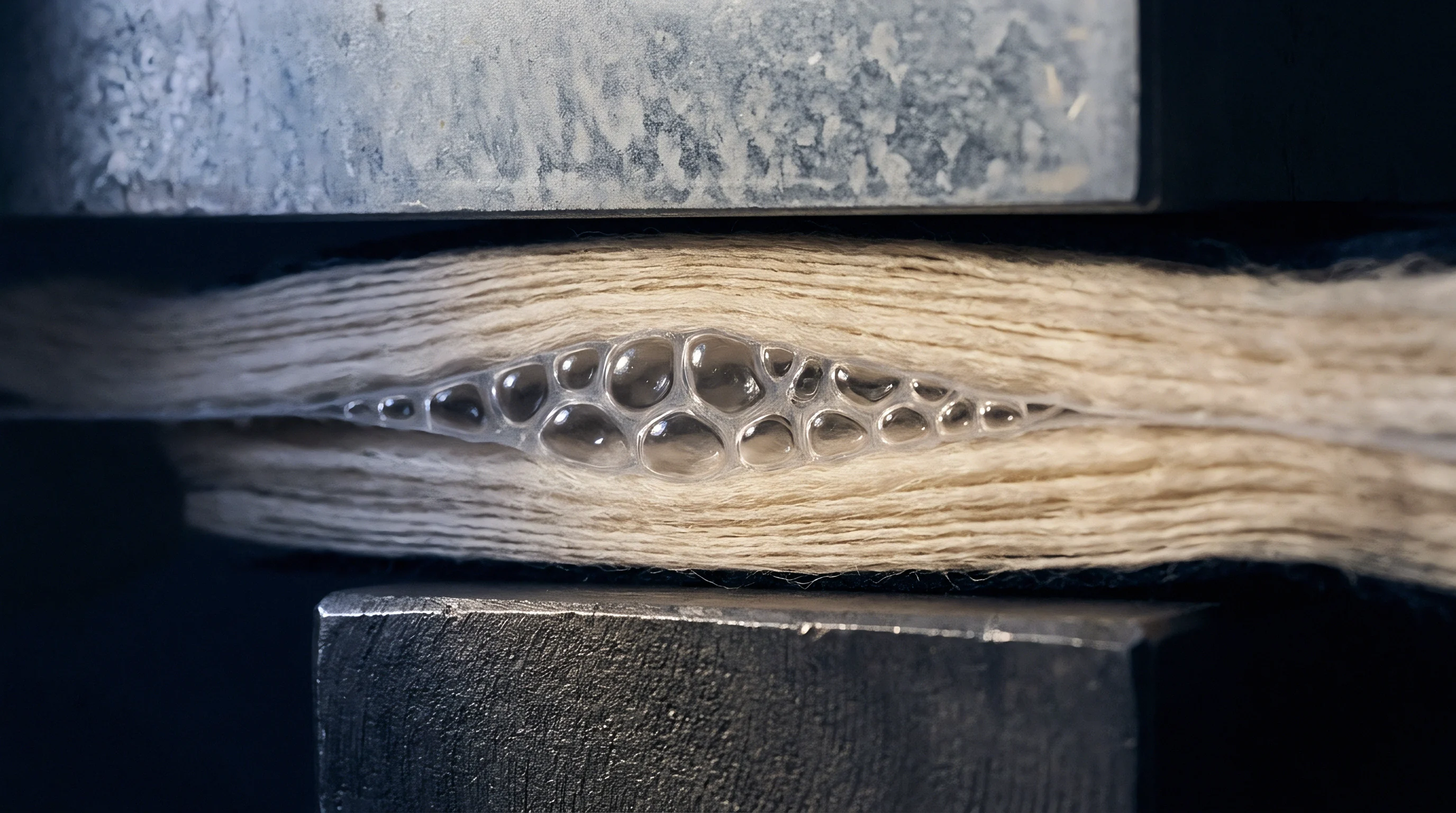
- Extract a ten-milliliter liquor sample from the main bath after high-temperature circulation for rapid total fluorine screening.
- Isolate a processed textile swatch at the drying line exit for immediate combustion ion chromatography testing.
Residual fluorine traces can stem entirely from municipal water supply lines rather than added chemical auxiliaries.
Scope

Analytical Methods and Verification Thresholds
Proving compliance across multi-tier supply networks requires clear test methods, defined target analytes, and explicit reporting limits. Standard screening relies on two complementary analytical pathways: Total Organic Fluorine screening and targeted liquid chromatography mass spectrometry. Measuring Total Organic Fluorine via combustion ion chromatography captures the total amount of organic fluorine bound to the textile matrix, while targeted liquid chromatography tandem mass spectrometry isolates specific perfluorinated carboxylic acids, sulfonic acids, and fluorotelomer alcohols.
Regulatory limits vary by analyte and jurisdiction. The European Union Persistent Organic Pollutants Regulation sets a threshold of 0.025 milligrams per kilogram for perfluorooctanoic acid and its salts, with individual perfluoroalkyl carboxylic acids subject to the same limit under European rules. In the United States, state legislation focuses on total organic fluorine ceilings.
California Assembly Bill 1817 bans intentionally added perfluoroalkyl substances in apparel, setting an enforceable limit of 100 parts per million total organic fluorine, which later drops to 50 parts per million.
Targeted mass spectrometry testing achieves a detection threshold of one microgram per square meter for specific perfluoroalkyl carboxylic acids.
Standard laboratory methods require organic solvent extractions to clean and prepare fabric samples for analysis.
| Test Method Standard | Target Analytes | Reporting Limit | Regulatory Alignment |
|---|---|---|---|
| EN ISO 23702-1 | Extractable PFOA and PFOS isomers | 0.025 mg/kg | EU POPs Regulation EC 2019/1021 |
| DIN EN 17681-1 | Targeted PFAS via LC-MS/MS solvent extraction | 0.010 mg/kg | REACH Annex XVII Entry 68 |
| DIN EN 17681-2 | Targeted FTOHs via GC-MS extraction | 0.050 mg/kg | REACH Candidate List SVHC |
| ASTM D8429 | Total Organic Fluorine via Combustion Ion Chromatography | 10.0 mg/kg (ppm) | California AB 1817 / New York ECL |
Relying on scope certificates without testing individual batches leaves major compliance gaps. Common failures in laboratory scope matching include:
- Scope Mismatch ~ Accepting an OEKO-TEX STANDARD 100 Class II certificate for plain woven cotton fabric when the actual shipment contains a polyester-cotton blend finished with an unlisted wetting agent.
- Outdated Test Reports ~ Using analytical test reports older than twelve months, which miss chemical formulation changes made by the dyehouse in the interim.
- Inadequate Target Screens ~ Testing only for 30 regulated target PFAS compounds via LC-MS/MS without running Total Organic Fluorine screening to catch non-targeted side-chain fluorinated polymers.
- Composite Sample Dilution ~ Combining swatches from five different colorways into one test container, diluting localized contamination below detection thresholds.
Commercial laboratories still struggle to reliably separate intentionally added side-chain fluorinated polymers from background environmental contamination at sub-ppm levels, creating ongoing disputes across customs jurisdictions.
Chain
Custody Verification across Intermediate Dyehouses
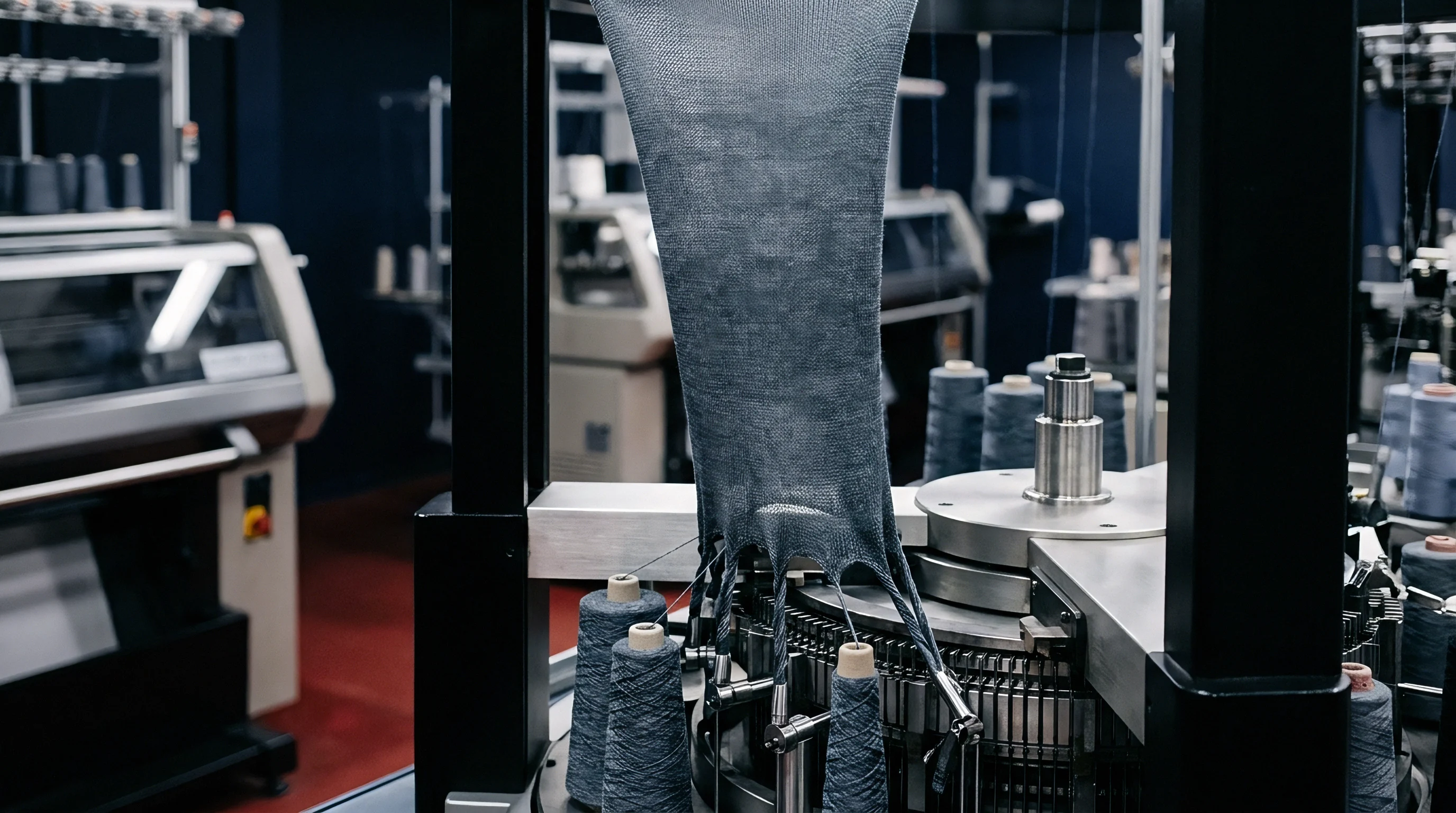
Documentary traceability is the main defense against unapproved chemical use downstream. Because subcontracted wet processing plants operate outside direct brand oversight, transaction certificates and chemical inventory logs serve as essential controls. Primary mills need direct audit access to commission dyehouses to verify chemical batch numbers against original purchase orders.
Because dyehouses mix chemical lots daily, chain of custody documentation frequently breaks down unless lot numbers are continuously recorded to limit liability.
Standard OEKO-TEX 100 Annex 4 certification fails to cover yarn batches finished at unlisted third-party commission dyehouses.
A complete traceability dossier for subcontracted wet processing operations requires chain-of-custody documentation spanning yarn receipt to final fabric dispatch:
- Chemical Inventory Logs ~ Daily mill records tracking receipts of auxiliary chemicals, silicone softeners, and dye pastes, matched with lot numbers and supplier compliance declarations.
- Subcontractor Processing Orders ~ Work orders linking primary mill roll serial numbers directly to specific dye vats and finishing lines at the commission facility.
- Transaction Certificates ~ Chain of custody certificates from accredited bodies verifying that organic or recycled fiber claims remained intact during processing.
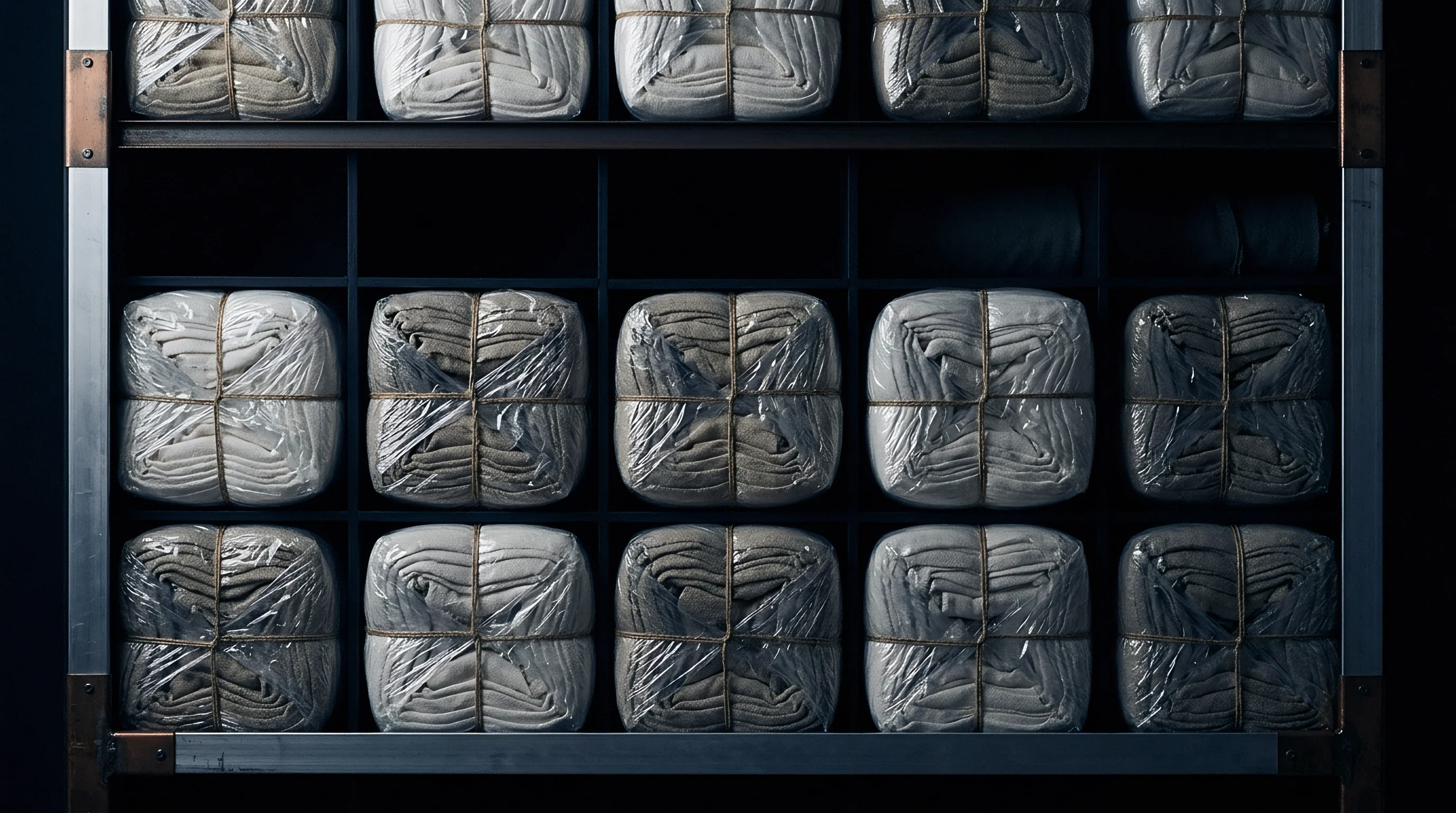
- Batch Sample Retention Swatches ~ Physical swatches cut from the head and tail of every dyed roll and stored for two years for re-testing during customs holds.
Chemical compliance holds up only when raw material batch identifiers match the lot numbers on chemical inventory receipts.

Contract

Flow down Clauses for Wet Processing Entities
Legal enforceability depends on contract language that passes chemical compliance obligations down the supply chain. Standard purchase orders rarely bind sub-tier processors, as commission dyehouses work under service agreements rather than direct material contracts. Primary converters must include explicit flow-down clauses in subcontractor agreements that specify chemical restriction limits and testing protocols.
With state laws enforcing strict chemical limits, primary legal liability lands on the importer, making contractual terms decisive in allocating cost burdens.
| Jurisdiction | Scope and Material Class | Enforceable Threshold | Enforcement Date |
|---|---|---|---|
| California (AB 1817) | Textile articles and apparel | 100 ppm Total Organic Fluorine | January 1, 2025 |
| California (AB 1817 Step-Down) | Textile articles and apparel | 50 ppm Total Organic Fluorine | January 1, 2027 |
| New York (ECL 37-0119) | Apparel and performance outerwear | 100 ppm Total Organic Fluorine | January 1, 2025 |
| European Union (POPs) | All textile products and trims | 0.025 mg/kg PFOA and related substances | In Effect |
Subcontracted wet processors accept chemical restrictions only when dye recipe submissions require pre-approval from the primary converter.
Does Subcontractor Negligence Invalid Importer Defense under State Law?
Importers of record face strict liability under U.S. state regulations governing banned perfluoroalkyl chemicals. If a subcontracted dyehouse uses non-compliant waterproofing agents without telling the primary converter, enforcement agencies still hold the brand or importer responsible. Good-faith compliance certificates from sub-tier processors provide no defense against customs seizures or fines under California or New York law unless supported by accredited laboratory test reports tied directly to the imported batch.
Drafting enforceable flow-down clauses requires precise operational triggers. Sourcing teams use this checklist when setting up wet processing agreements:
- Mandatory Recipe Submission ~ Require dyehouses to submit full chemical formulations and auxiliary lists for written approval before starting production.
- Unannounced Audit Rights ~ Maintain rights for third-party auditors to enter commission facilities, inspect chemical storage, and draw bath samples without notice.
- Direct Batch Testing Allocation ~ Assign pre-shipment Total Organic Fluorine testing costs to the subcontractor whenever unapproved auxiliaries are found on site.
- Strict Indemnity Flow-Down ~ Require the secondary processor to indemnify the primary converter for all customs detentions, product recall costs, and legal fees.
Adding standard warranty clause 14B shifts financial responsibility for testing failures to the Tier 2 wet processor while waiving the standard notice grace period.
Recovery
Financial Mitigation and Batch Rejection Mechanics
Finding perfluoroalkyl contamination after fabric reaches the assembly factory creates immediate financial exposure through demurrage, warehousing fees, and line-stoppage penalties. Reclaiming these costs requires proving material non-conformity through re-testing by independent ISO 17025 accredited laboratories.
When customs holds non-compliant shipments, total fluorine testing isolates contamination before it compromises entire production runs.
Customs impoundment of non-compliant fabric rolls shifts warehousing costs directly to the importer of record.
Financial recovery depends on pinpointing where the chemical was introduced to establish subcontractor fault. The table below breaks down the costs involved in resolving non-compliant textile batches:
| Expense Category | Financial Responsibility Allocation | Verification Instrument | Operational Delay Risk |
|---|---|---|---|
| Border Port Inspection & Demurrage | Importer of Record (Initial) / Subcontractor (Reimbursed) | Customs Detention Notice | 14 to 45 Days |
| ISO 17025 Re-Testing (LC-MS/MS + CIC) | Primary Mill / Commission Dyehouse | Accredited Lab Test Report | 5 to 7 Days |
| Fabric Roll De-Finishing / Stripping | Subcontracted Wet Processor | Re-Processing Work Order | 10 to 14 Days |
| Total Batch Scrap & Inventory Replacement | Subcontracted Wet Processor & Chemical Vendor | Certificate of Destruction | 30 to 60 Days |
Isolating contaminated rolls keeps an entire inventory from being quarantined. Once testing shows total organic fluorine above legal limits, the converter issues a formal rejection and freezes subcontractor payables. If stripping and re-washing cannot bring fluorine levels below statutory thresholds, the lot is destroyed under verified waste protocols to prevent it from re-entering trade channels.
Skipping pre-shipment chemical validation often results in full inventory writedowns, heavy freight detention surcharges, and canceled customer contracts.