Resolving Dynamic Hydromechanical Shear Orientation Dynamics in High Speed Image down Analysis
Core sheath flow centering and multi-angle projection correction resolve hydrodynamic shear deformation, preventing false down fibre classification.


Chamber
An optical inspection report on an eighty-tonne lot of grey waterfowl plumage returned an eight percent down cluster deficit against contract specifications when hydrodynamic shear inside the optical cell rotated three-dimensional plumules along liquid streamlines. High-speed dynamic image analysis systems run suspended down clusters, plumules, and feather fibres through narrow glass conduits past high-frequency area scan sensors. Velocity differences across the conduit produce shear strain rates that deform flexible keratin structures.
As a spherical down cluster flattens parallel to the channel wall, its projected silhouette shrinks, presenting fewer nodal structures to the optical axis.
Centering the plumage stream inside a zero-shear core sheath fluid corrects this rotation. Surrounding the particle suspension with an aqueous carrier fluid at matched linear velocity collapses transverse velocity gradients across the measurement zone. Down clusters move through without differential drag across their outer barbs, allowing optical sensors to capture the unconstrained three-dimensional geometry of each plumule instead of a fluid-induced artifact.
Laminar core alignment preserves plumage geometry while wall shear collapses three-dimensional clusters into flat ribbons.
Commercial sorting operations run dynamic fluid cells at linear velocities between one and three metres per second to handle five kilograms of plumage per hour. Unshielded wall boundaries at these speeds generate shear strain rates over five hundred reciprocal seconds. Waterfowl down clusters have bending stiffness values under zero point zero five millinewton-metres per radian, so fluid currents readily compress delicate barbs toward the central quill point.
Automated classification algorithms read this squashed silhouette as broken plumage or detached down fibre, causing the lot to fail pure down specifications before clearing customs.
Core Sheath Decoupling Mechanics
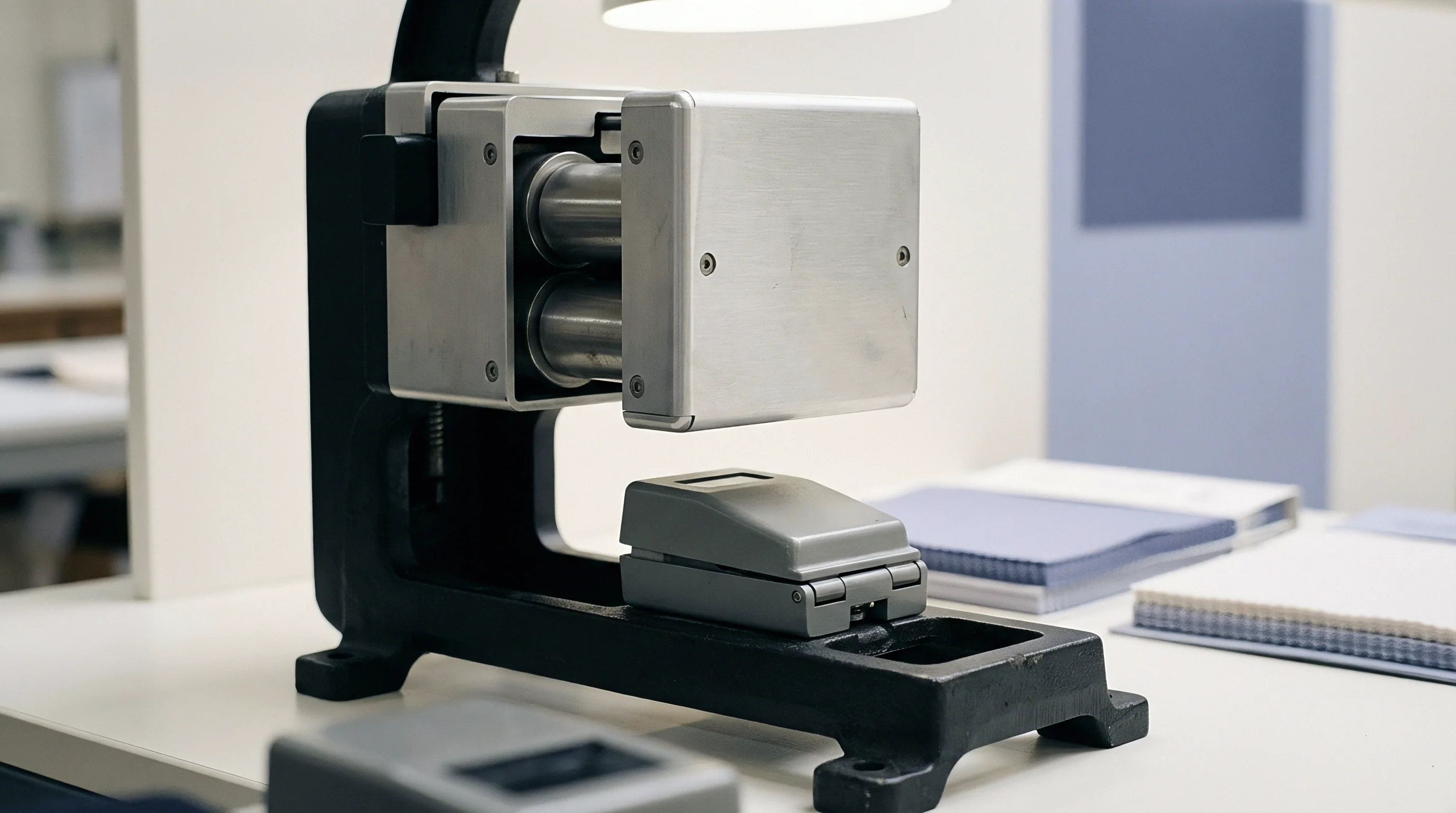
Accurate optical classification relies on isolating delicate plumage from velocity differentials near the channel walls. Sheath flow conduits surround a concentrated inner particle suspension with an outer envelope of deionized water and non-ionic wetting agent. This outer layer absorbs wall friction and forms a flat, plug-like velocity profile across the central observation corridor.
Under plug flow, fluid velocity stays uniform across the central forty percent of the channel width, so suspended down clusters feel almost no transverse shear. Their flexible barbs extend spherically from the calamus in a natural relaxed state. Multi-directional strobing lights up the uncompressed cluster, projecting its full surface area onto dual orthogonal cameras that fire once sensors detect the optical centroid in the focal plane.
Plume
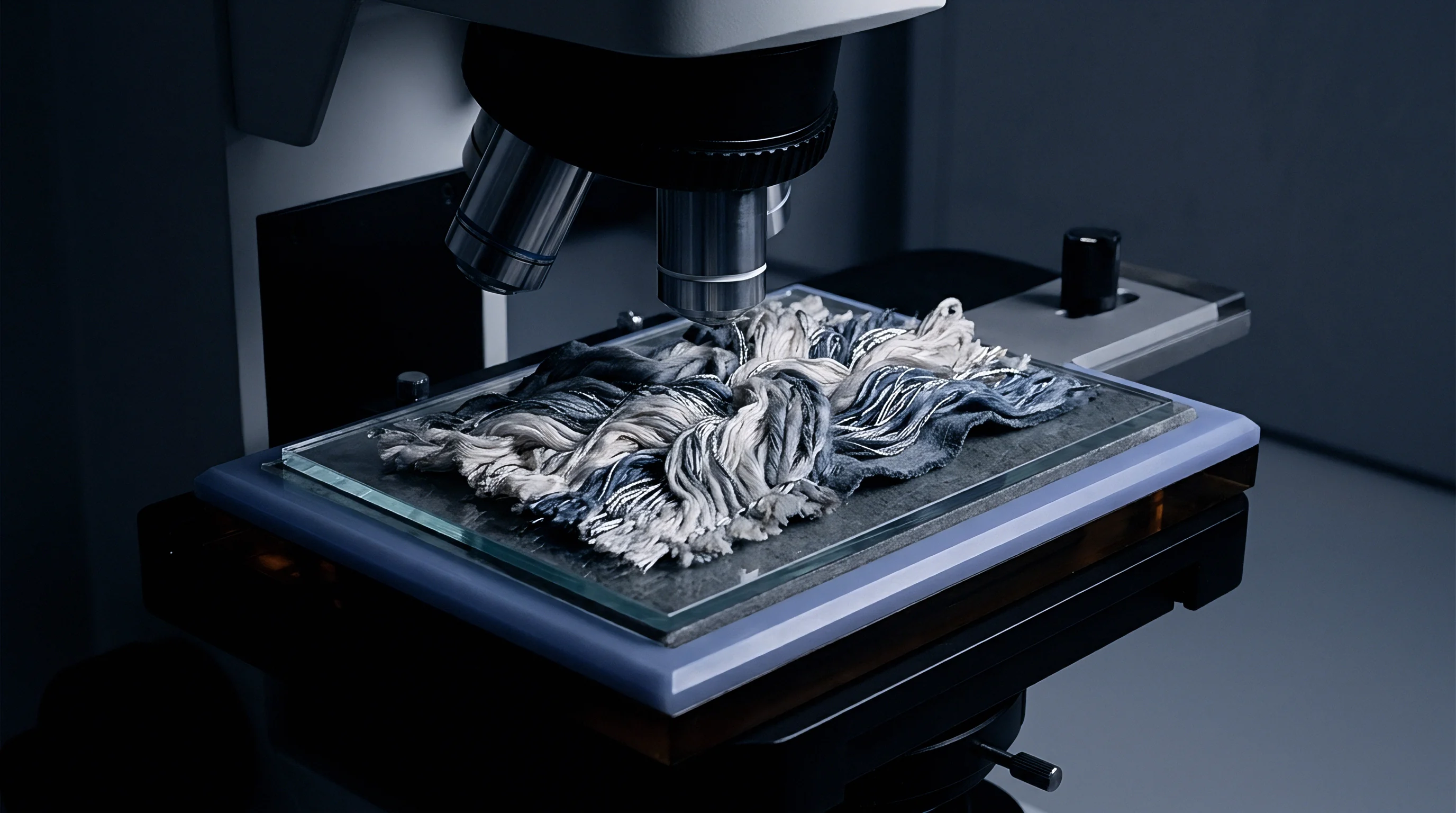
Waterfowl down clusters branch out from a central point called the calamus, spreading soft filaments or barbs lined with microscopic nodes. Lacking the rigid central rachis found in contour feathers, down forms an isotropic, three-dimensional structure that traps insulating air. Without structural backing, however, the plumage deforms easily when carried through fluid channels.
Turbulence disrupts boundary layer stability and deforms plumules under lateral shear. As carrier fluid drags across individual barbs, pressure gradients force filaments backward along the flow vector. The projected shadow area drops, shifting calculated diameter distributions into lower size bins.
Because optical sorting software estimates particle volume by integrating planar silhouettes, any barb compression directly lowers the measured down cluster mass fraction.
A shear strain rate exceeding four hundred reciprocal seconds collapses down cluster projected area by twenty-two percent in water at twenty degrees Celsius.
Feathers behave differently in fluid streams because of their stiff rachis. Inside a shear field, a contour feather acts like a planar paddle, completing Jeffery orbits where the flat vane stays aligned parallel to the flow vector for ninety percent of its cycle. When shear turns a feather edge-on to the camera lens, dynamic image analysis systems misread its proportions, logging a thin sliver and misclassifying the structural feather as a detached down fibre.

Does Sheath Velocity Suppress Plumule Tumbling?
Velocity variations across a flow channel impart angular momentum to suspended particles. In an uncorrected shear gradient, the top of a five-millimetre down cluster travels faster than its base, causing it to tumble continuously. This motion prevents high-speed cameras from capturing stable silhouettes, producing blurred edges and distorted convexity metrics.
Matching sheath fluid velocity to the core suspension removes the velocity gradient, suppressing spin and keeping particles stable through the optical gate.
| Flow Velocity (m/s) | Shear Rate (1/s) | Reynolds Number | Cluster Area Loss (%) | Morphological State |
|---|---|---|---|---|
| 0.5 | 45 | 380 | 1.8 | Undeformed spherical cluster |
| 1.0 | 120 | 760 | 5.4 | Marginal barb deflection |
| 1.5 | 280 | 1140 | 12.6 | Directional barb collapse |
| 2.2 | 510 | 1670 | 24.1 | Streamlined filament bunching |
| 3.0 | 840 | 2280 | 38.9 | Complete structural elongation |
Morphological Deformation Regimes in Viscous Streams
Fluid drag deforms filamentous structures into distinct geometric alignments depending on carrier viscosity. As fluid velocity increases, drag flattens the three-dimensional structure around the calamus through several physical stages as fluid forces overcome the resilience of the keratin:
- Rotational Jeffery tumbling occurs when asymmetric drag across the plume body induces periodic angular motion.
- Streamline barb collapse pulls spreading filament structures tightly against the calamus axis under strong extensional shear.
- Planar feather alignment forces flat quill surfaces parallel to the observation glass, presenting an artificially maximized shadow area to the optical sensor.
True down clusters lack quills, but under shear their barbules press inward. When optical systems scan these deformed clusters, the algorithm detects a dense core surrounded by compressed threads ~ a pattern matching landfowl plumage or damaged feathers. Uncorrected tumbling creates inflated feather fibre counts that can trigger unfair rejection penalties on raw shipments.

Gradient
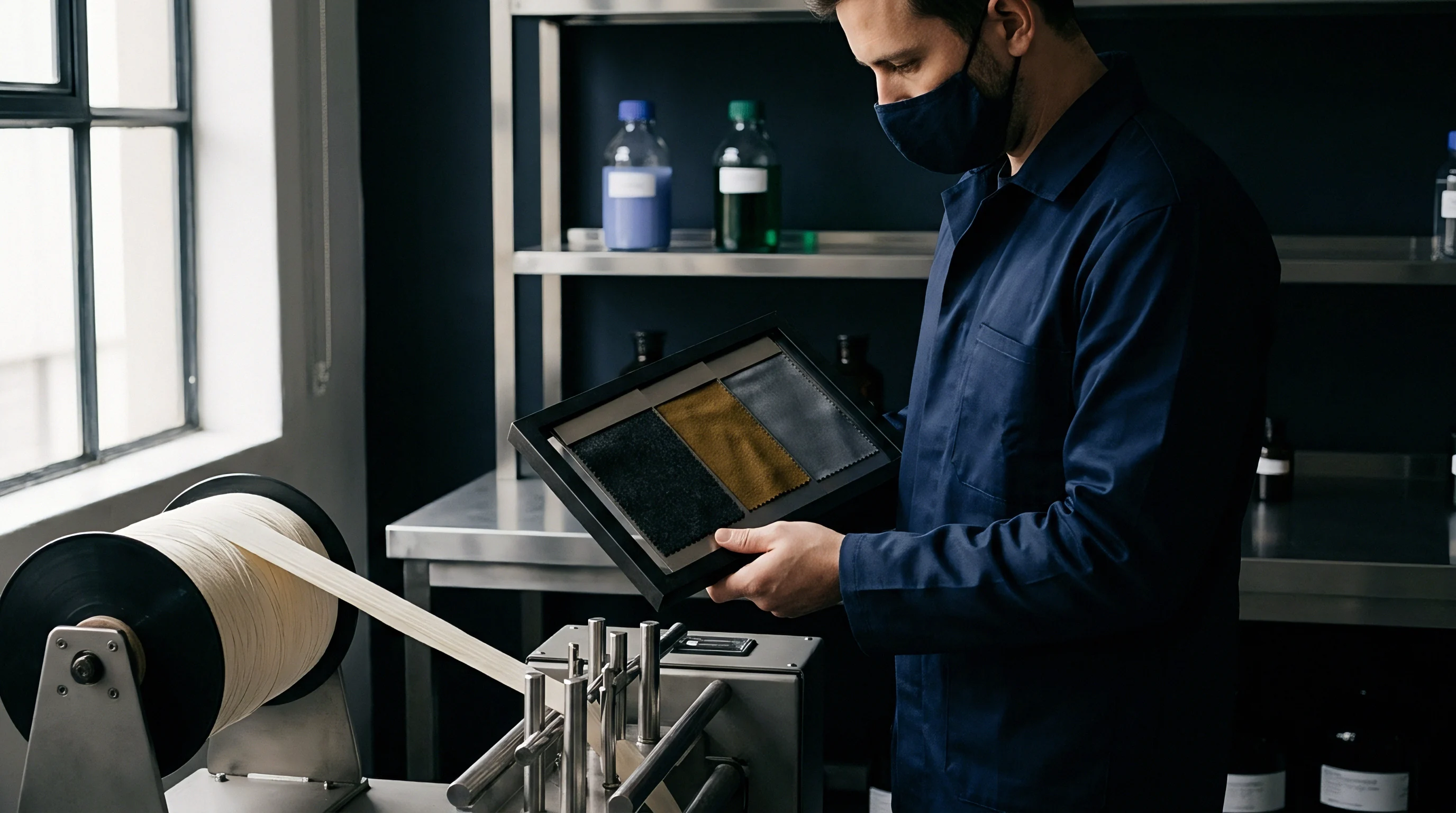
Viscous fluid moving between parallel glass observation plates forms a parabolic velocity profile across the channel. Under laminar Poiseuille flow described by the Navier-Stokes equations, velocity peaks at the center and drops to zero at the stationary glass walls. Any plumage particle passing through spans this steep gradient, experiencing uneven drag across its mass that distorts its projected contour.
When shear stress across a cluster exceeds the mechanical resistance of its barbs, leading barbs compress while trailing ones splay outward. The resulting two-dimensional silhouette deviates significantly from the balanced circular projection captured during static manual analysis. Hydrodynamic modeling corrects this by applying coordinate transformation tensors based on how far the particle sits from the wall.
Hydrodynamic Orientation Tensors and Planar Correction
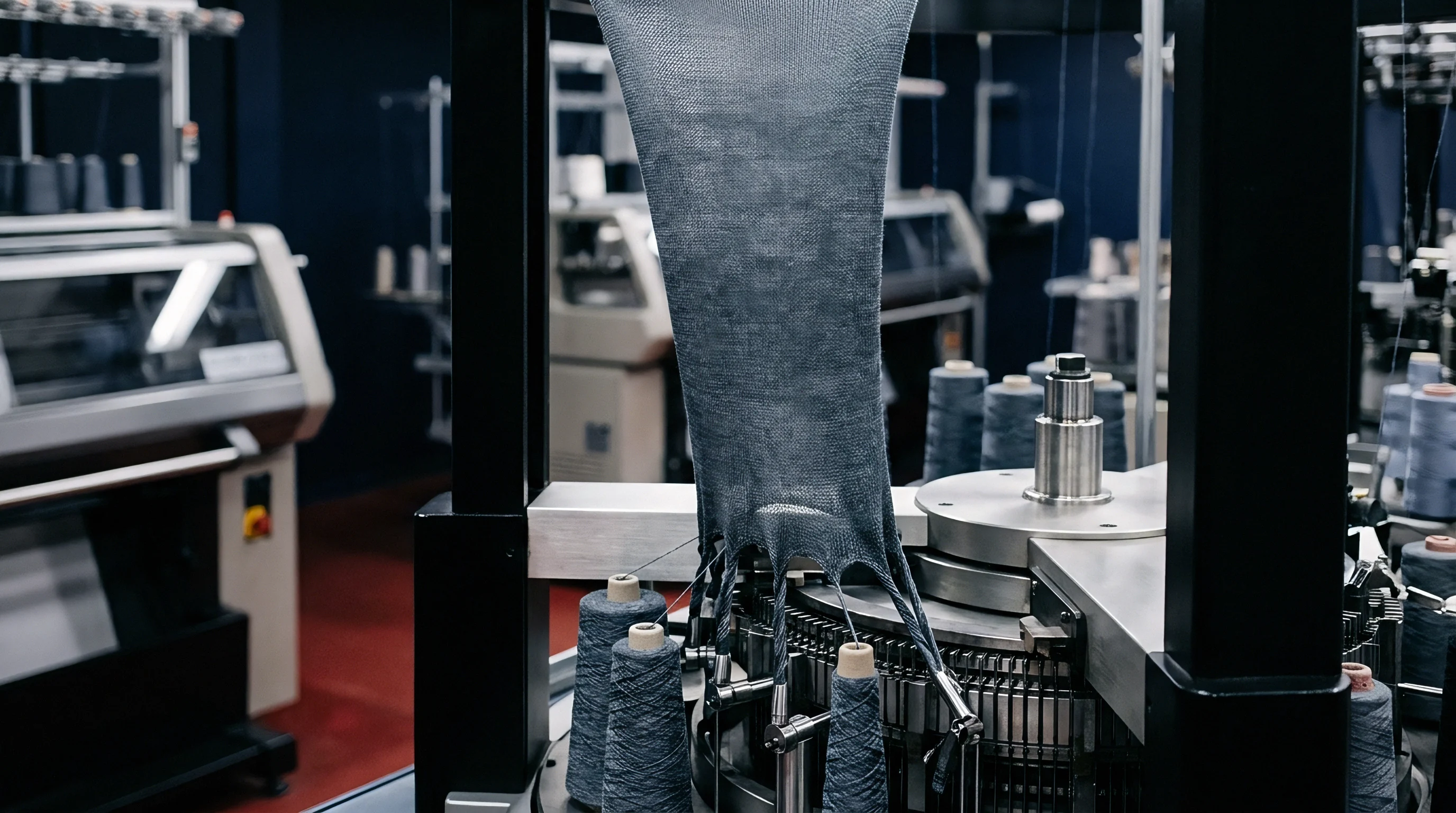
Mapping three-dimensional coordinates from flat silhouette projections requires reconstructing particle angular distributions. By tracking where each particle sits relative to the channel walls, algorithms estimate the local shear rate acting on the cluster. Incorporating empirical elasticity values for duck and goose plumage allows the system to calculate an expansion coefficient that restores the compressed silhouette back to its rest-state envelope.
Calibration procedures establish baseline orientation distributions using rigid microspheres alongside certified down plumage reference lots. By measuring the ratio of minor to major ellipse axes across channel positions, technicians calibrate orientation tensors across thirty discrete lateral bins. The algorithm then applies inverse transformation matrices before computing surface area, perimeter roughness, and node frequency metrics.
Calibration Sequence for Optical Fluidics
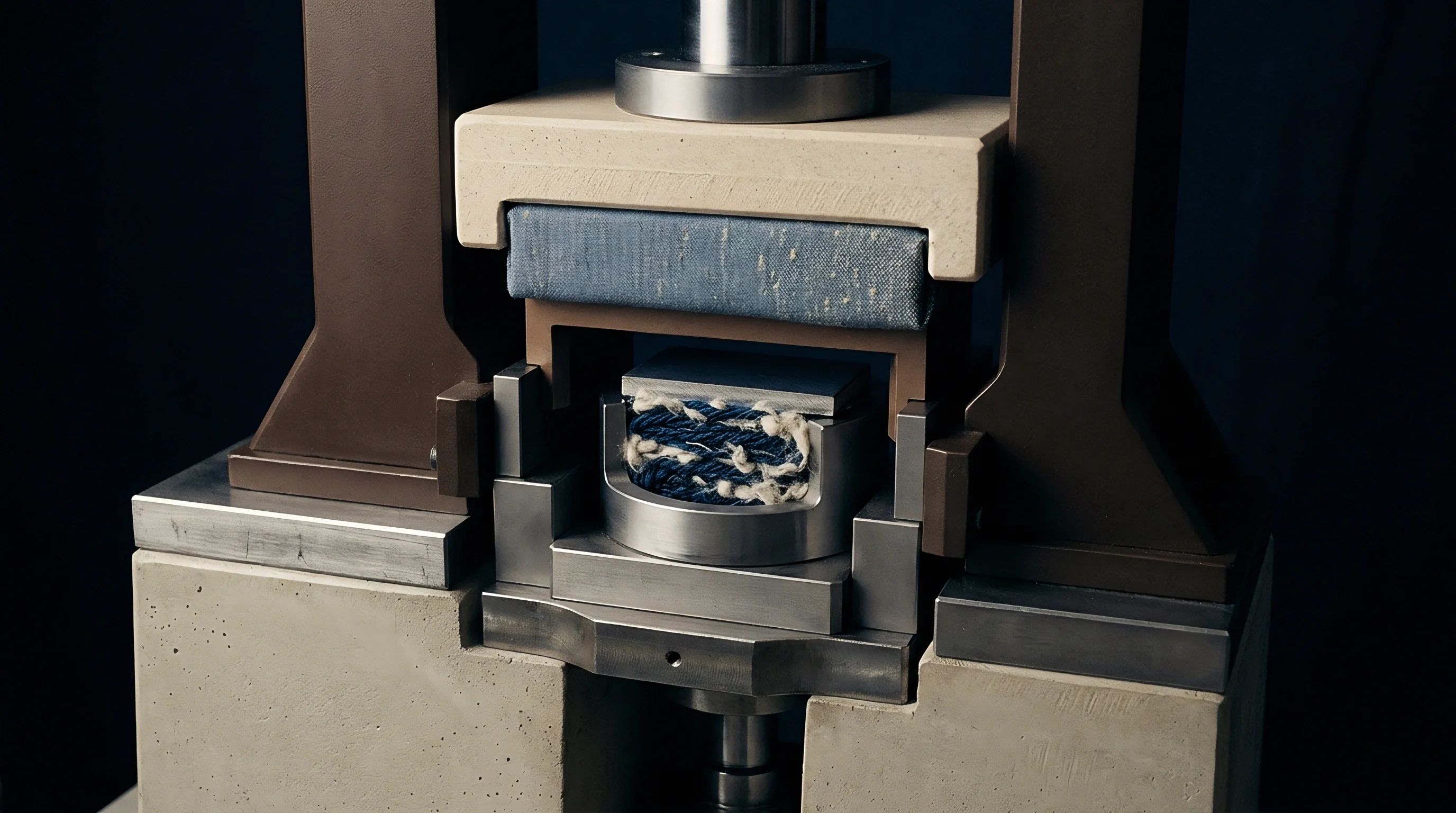
Setting instrument parameters demands standardized physical reference markers prior to processing raw plumage lots. The alignment verification sequence follows a strict progression:
- Inject monodisperse polymer microspheres into the carrier stream to map flow cell velocity contours across twenty transverse intervals.
- Adjust sheath fluid pressure until transverse velocity gradients across the central ten millimetres drop below five reciprocal seconds.
- Calibrate dual-angle telecentric cameras against three-dimensional wire target models to establish volume reconstruction factors.
- Process verification lots of certified goose plumage to confirm down cluster classification stability within zero point five percent of manual benchmarks.
Optical instruments lacking this calibration routine report erratic down cluster percentages that fluctuate with carrier fluid flow rates.

Divergence
Manual tweezers sorting under IDFB Part 3 conditions relies on visual separation of clusters from loose plumage components without fluid interference. Technicians condition samples at twenty degrees Celsius and sixty-five percent relative humidity for twenty-four hours before weighing down clusters, feathers, landfowl plumage, and damaged down fibres on an analytical balance with zero point one milligram sensitivity over a two-hour manual procedure. The process operates in a static environment free from fluid forces that distort feather geometry.
Automated dynamic image analysis replaces hand separation with continuous optical scanning through liquid or air conduits. Discrepancies between the methods arise when fluid shear distorts particle geometry during measurement. An uncorrected imaging cell routinely records lower down cluster fractions and higher down fibre percentages than manual testing on the same parent batch, pushing commercial losses directly onto the processor.
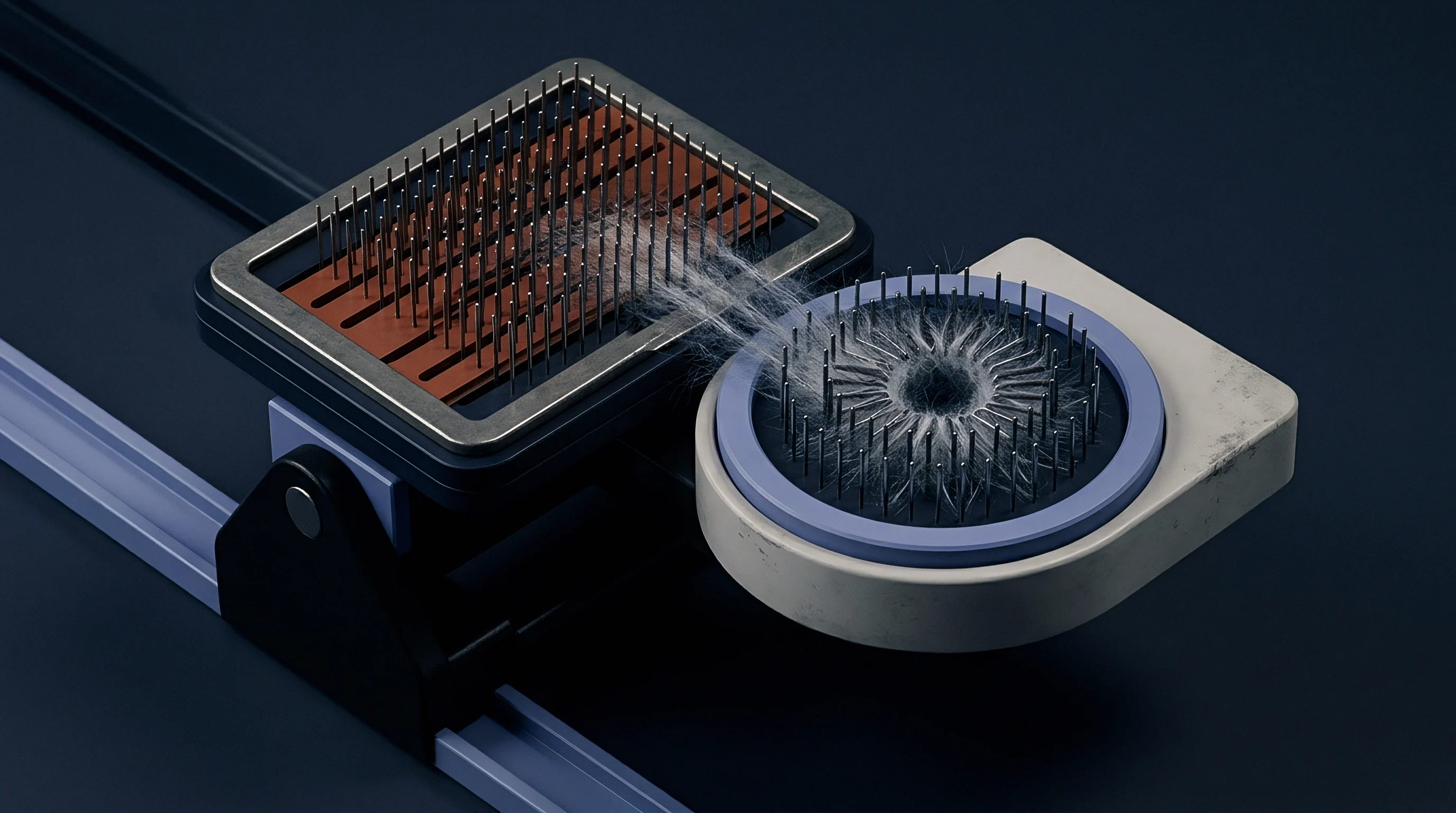
Two-dimensional silhouettes convert spherical plumage volume into directional shadow area without registering particle depth.
Plumage lots traded under high-down specifications carry substantial financial premiums. A certified ninety-ten white goose down lot commands seventy-eight dollars per kilogram on current international markets. Downgrading that lot to an eighty-five-fifteen mixture drops the price to sixty-one dollars per kilogram ~ a seventeen-dollar loss per kilogram.
On a standard twenty-tonne container shipment, an uncorrected three percent optical measurement error wipes out three hundred and forty thousand dollars in commercial value.
Do Planar Shears Distort Feather Fibre Projection?
Quill fragments and detached barbs have distinct stiffness coefficients that govern how they align in fluid layers. Long, detached down fibres bend into hairpin loops under extensional shear, hiding their full linear length. Rigid feather fibres, by contrast, remain straight and align along streamlines, presenting their maximum length to line-scan sensors.
As a result, automated instruments overcount feather fibre mass by twelve to eighteen percent compared to manual gravimetric separation.
| Plumage Lot Grade | IDFB-3 Manual Down (%) | Uncorrected DIA Down (%) | Shear-Corrected DIA Down (%) | Down Fibre Drift (%) |
|---|---|---|---|---|
| 90/10 White Goose | 91.2 | 84.1 | 90.9 | +5.8 |
| 85/15 Grey Duck | 86.4 | 79.8 | 86.1 | +4.9 |
| 80/20 White Duck | 81.5 | 74.6 | 81.2 | +5.3 |
| 70/30 Mixed Waterfowl | 71.8 | 63.9 | 71.4 | +6.2 |
| Methods note: Manual sorting conducted under IDFB-3 at 20 degrees Celsius and 65 percent relative humidity; uncorrected optical data captured at 1.2 metres per second flow velocity; corrected data adjusted via parabolic velocity compensation matrices. | ||||
Acceptance Boundaries in Commercial Verification
Discrepancies exceeding two percentage points between manual and automated classification generate immediate commercial payment holds. Sourcing contracts integrate objective operational criteria to validate automated imaging equipment prior to accepting scan data as proof of quality:
- Carrier fluid surfactant concentration maintains surface tension below thirty-two millinewtons per metre to eliminate air bubble adhesion without causing chemical barbule collapse.
- Sheath velocity matching ratio balances inner and outer fluid streams within three percent to prevent turbulent eddy generation at the injection nozzle.
- Camera exposure duration operates below two microseconds to eliminate motion blur on plumage barbs travelling at two metres per second.
Whether high-throughput image analysis can ever match physical hand-sorting accuracy on severely compressed post-consumer recycled plumage remains an open question among commercial inspection bodies.
Audit
Customs authorities classify imported down under Harmonized System subheading 0505.10, where duty rates depend heavily on cluster purity. Under United States International Trade Commission guidelines and European Union schedules, mixtures containing eighty percent or more down cluster by weight qualify as premium filling material eligible for specific duty treatment. When false feather counts artificially inflate tariffs, a batch misclassified by automated imaging at seventy-seven percent down incurs higher rates and penalties for misdeclared commercial grade.
Outerwear manufacturing contracts specify down loft and purity based on performance requirements in the finished garment. Baffle-constructed garments filled with misclassified down suffer fill power loss because excess damaged fibres collapse under compression. Processing mills rely on optical analysis for throughput, scanning grab samples from every tenth bale in the warehouse while the importer absorbs any financial shortfall.
Under European Standard EN 12934, a two percent downward drift in declared down cluster fraction reclassifies Class One plumage to Class Two and voids import duty exemptions.
When automated optical scanners introduce artificial shear distortion, reported down cluster fractions drop while measured feather fibre counts rise. When customs audit laboratories re-test the shipment using manual separation and find higher down content, regulatory disputes follow over declared commercial values and processing standards.
Customs Classification and Chief Weight Exposure
Tariff schedules distinguish high-loft waterfowl insulation from lower-grade mixtures with higher feather fractions. Importers declare plumage under HS code 0505.10.10 for pure down or 0505.10.90 for other feather products. Misdeclaration risk escalates when automated test certificates attached to customs filings contradict physical audit results from port authorities.
Customs testing laboratories enforce strict sampling routines under standard conditioning rules. If an importer submits automated imaging certificates that underestimate down cluster content because of uncorrected hydromechanical shear, customs officials may adjust valuation lines or reject the shipment for inconsistent paperwork. Incorporating shear orientation correction into image analysis systems safeguards landed costs against arbitrary duty reassessments.
Contractual Language for Disputed Instrument Readings
Sales agreements for bulk down filling material establish a clear hierarchy between automated optical testing and manual arbitration. Purchase orders typically stipulate that dynamic image analysis serves strictly for internal process control during sorting, leaving financial settlement and legal compliance to accredited independent laboratory testing. Specifying IDFB Part 3 manual tweezers separation as the sole binding arbitration standard prevents disputed scan rejections and protects against automated customs penalties.