
Mitigating Perfluoroalkyl Substance Contamination Risks in Recycled Apparel Manufacturing
Preventing recycled textile PFAS contamination relies on raw waste total fluorine screening, isolation of wet processing baths, and lot LC MS MS analysis.
Preventing recycled textile PFAS contamination relies on raw waste total fluorine screening, isolation of wet processing baths, and lot LC MS MS analysis.

Chromatographic mass reconciliation combines combustion ion chromatography with alkaline precursor cleavage to quantify non-extractable side-chain fluorinated polymers in textiles.

Resolving limit gaps requires specifying custom low-level limits of quantification on test requisitions to match statutory regulatory thresholds.

Verifying woven coated fabrics demands combining ASTM D5430 visual grading with ISO 2859-1 statistical sampling and strict composite dilution limits.

Subcontracted wet processing requires binding batch-level chemical verification and milestone payments to prevent catastrophic border seizures of converted yardage.

European customs enforces PFAS limits at 0.025 mg/kg under POPs regulations, requiring batch-level LC-MS/MS test reports to prevent border detention.

Testing textile sludge for PFAS demands EPA Method 1633 dry weight conversion and TOP assay screening to prevent toxic waste reclassification.
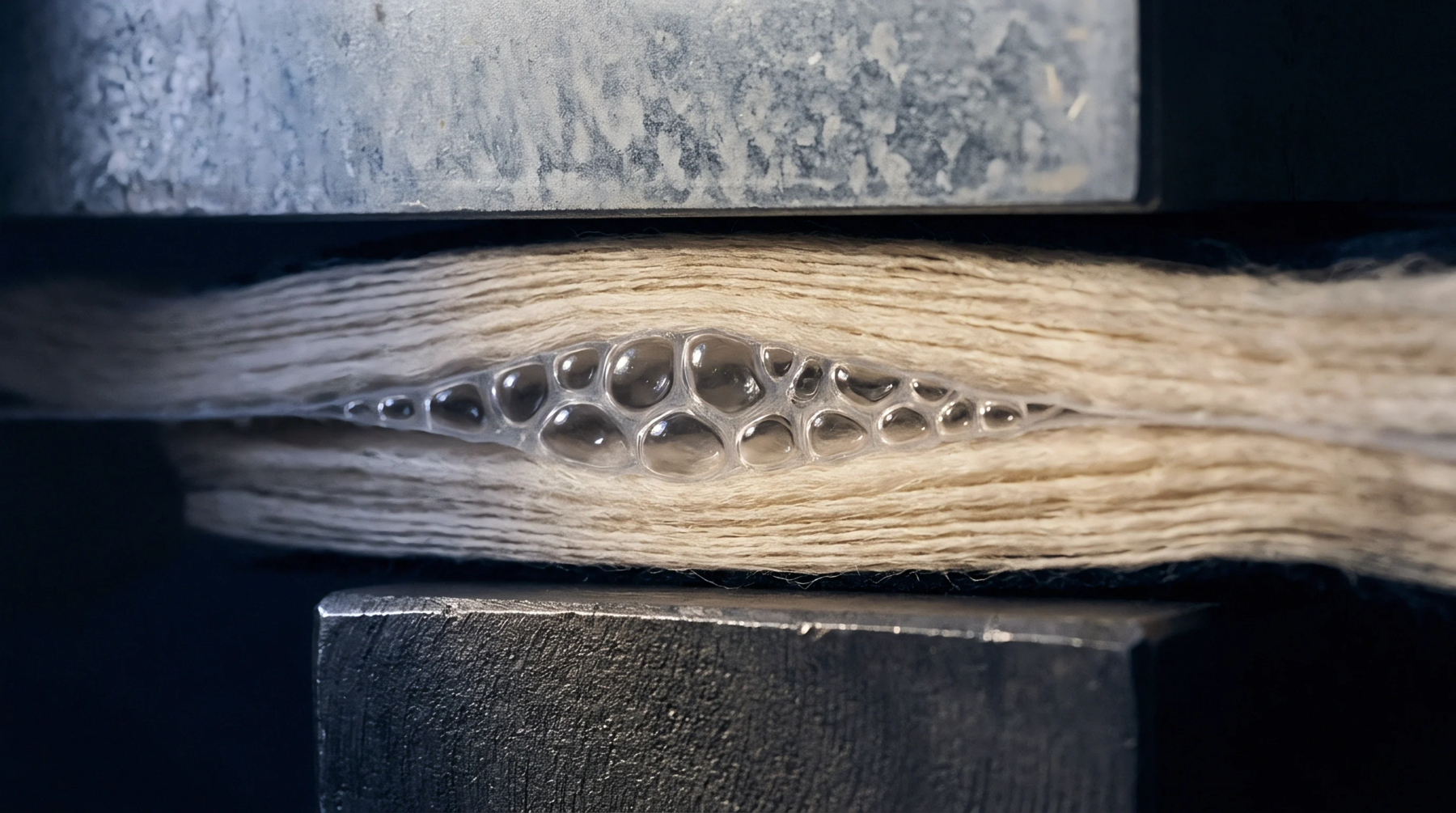
Subcontracted wet processors transfer PFAS risk to buyers unless contract flow down mandates chemical batch testing and inventory cross-verification.

Verifying chemically recycled polyester monomer purity profiles requires multi-instrumental HPLC, GC-MS, and ICP-MS batch testing against rigid regulatory limits.

Nonparametric multi-point acceptance criteria prevent border seizures by replacing misleading composite averages with discrete rank-based selvedge compliance checks.

Enforce batch-level combustion ion chromatography screening paired with targeted mass spectrometry to isolate PFAS and azo amine risks across woven supply chains.

Stored finished textiles absorb volatile fluorocarbons across air gaps, pushing total fluorine above regulatory limits without direct physical lot contact.
Verify chemical compliance per functional sister construction; variations in weight, weave, and finish alter chemical absorption and invalidate shared certificates.

Combat matrix interference in rPET fluorine screening by verifying matrix spike recoveries and mandating solvent extraction LC-MS/MS for borderline results.

Tier two chemical audit schedules must prioritize wet-processing recipe risk and inventory mass balance over factory volume or static annual cycles.
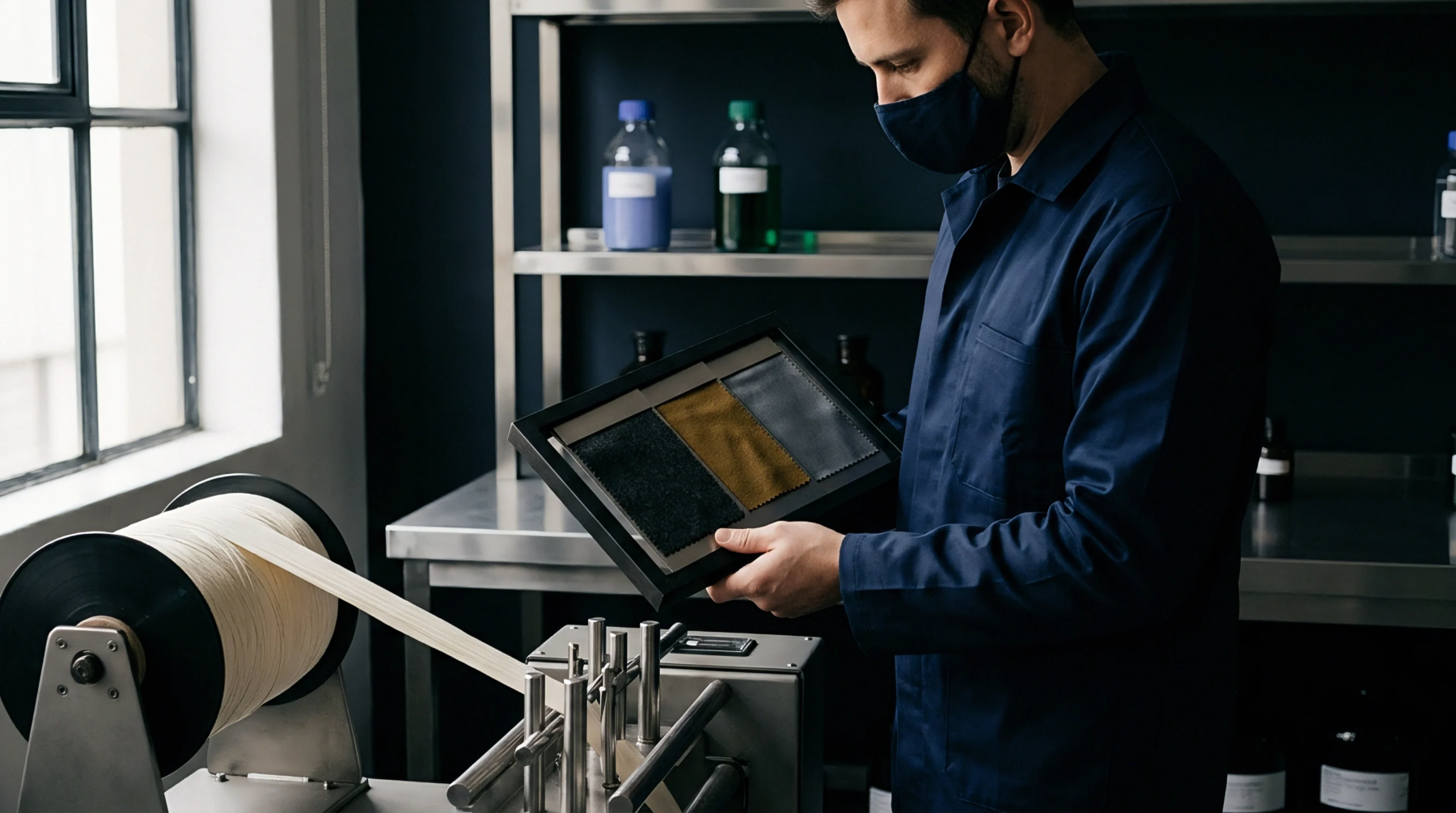
Contractual verification limits for repeat textile shipments require defined testing frequencies, standardized extraction methods, and explicit action thresholds.

Mid-season PFAS spec changes require re-engineering fabric density, adjusting curing parameters, and holding lot-traceable total fluorine CIC test evidence.

Verify coated fabric chemical compliance by demanding batch-specific ISO/IEC 17025 lab reports for DMFa and phthalates from roll core swatches before shipment release.

Cross-web chemical variances require three-point variable acceptance sampling to prevent edge-concentration hotspots from triggering border detentions.
Expertise is a utility, not a secret. sentiention™ publishes its working knowledge as open reference: intelligence layer covering the materials it sources, the markets it enters, and the reference that serves both.