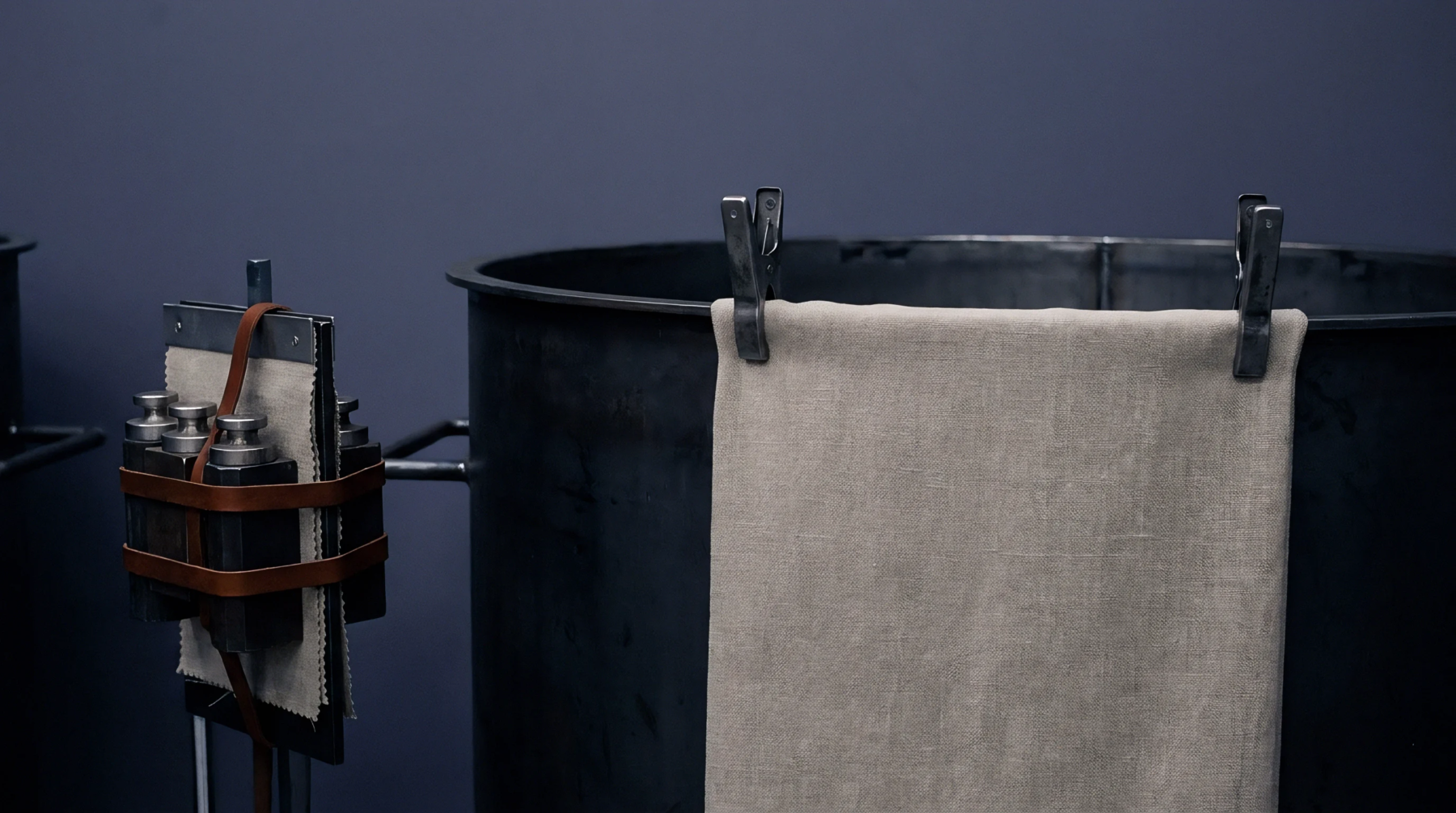
ISO 17025 Laboratory Scope Verification for Textile Restricted Substance Testing
A test report guarantees compliance only when the laboratory accreditation schedule lists the specific test method, analyte family, and exact substrate matrix.
A test report guarantees compliance only when the laboratory accreditation schedule lists the specific test method, analyte family, and exact substrate matrix.
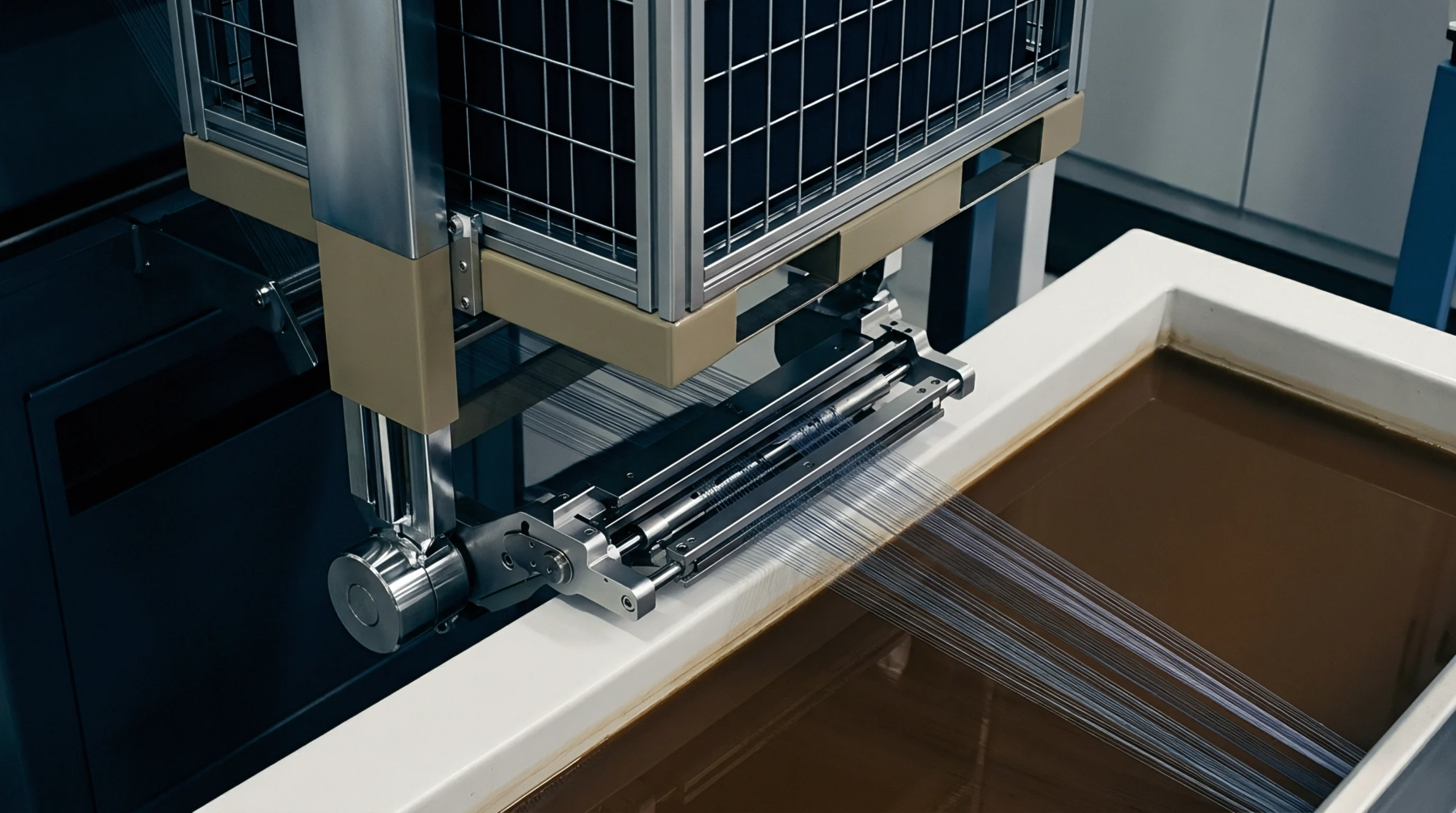
High performance liquid chromatography quantifies polyamide cyclic monomer densities down to five parts per million following cryogenic milling and methanol reflux.

Standardizing extraction temperature and specimen surface area resolves non-equilibrium desorption variances across dense polyurethane barrier membranes in audits.

ISO 18218-1 LC-MS/MS testing after 50 °C methanol extraction provides the definitive quantitative benchmark to verify 100 mg/kg fabric ethoxylate limits.
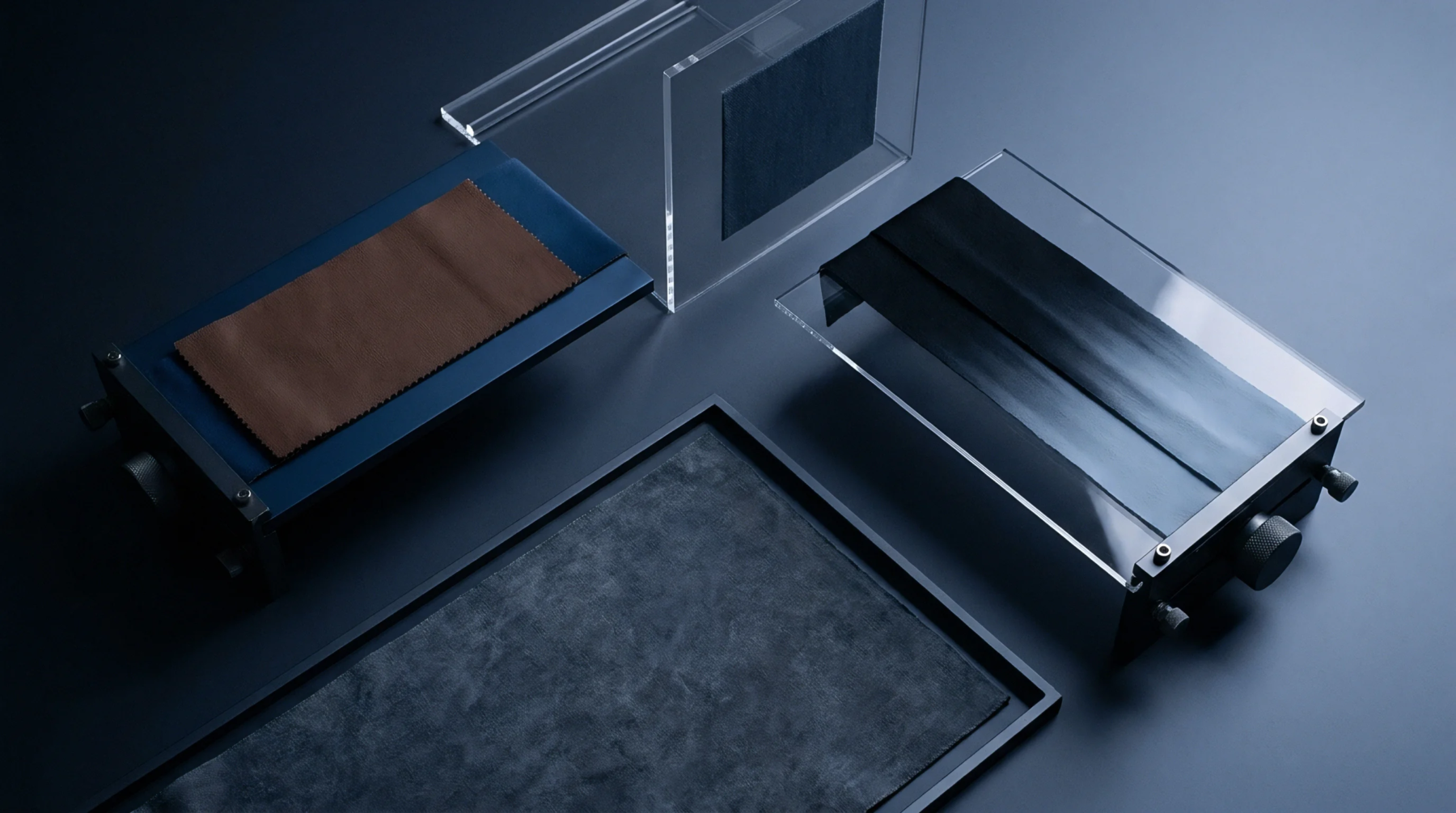
Fabric swatch dispute resolution requires unbroken physical custody logs, transaction certificates matched to roll tags, and ISO 17025 split-sample testing.

Matrix effects in pyrolysis gas chromatography elevate detection limits for restricted dye residues in recycled synthetic lots.

Composite fiber testing dilutes localized chemical contamination while wet processing alters analyte extraction, demanding matrix-adjusted reporting thresholds.
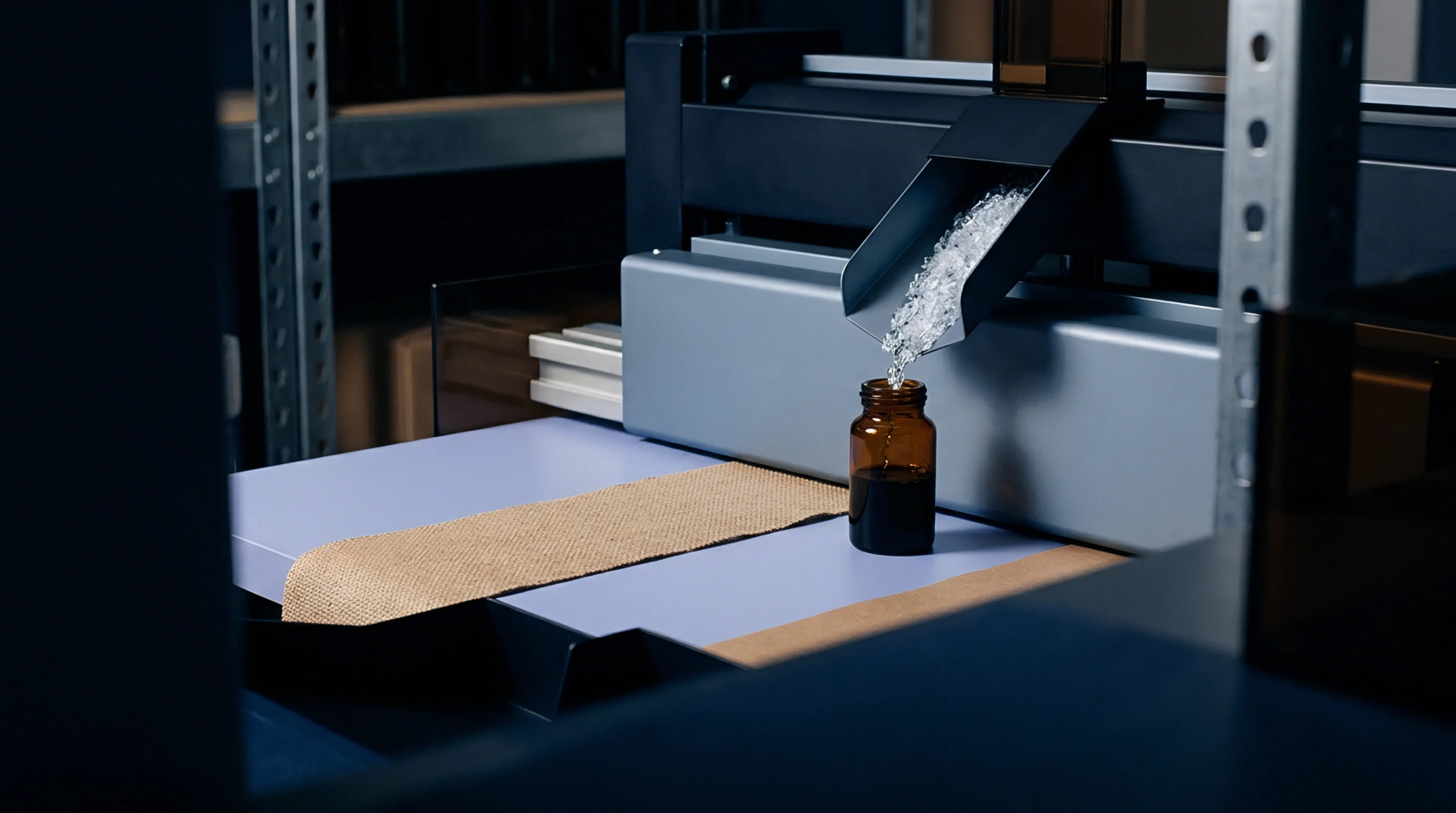
Standardized formaldehyde acceptance testing relies on ISO 14184 water extraction and ISO 17226 chromatography to quantify residual resin risks before shipment.
Optimize GC-MS solvent testing using methanol swelling and deuterated internal standards to verify sub-ppm polar amide compliance before shipment clearance.
Polyurethane residual solvent quantitation requires ultrasonic liquid extraction with methanol and GC-MS SIM analysis to verify REACH and OEKO-TEX batch limits.
Expertise is a utility, not a secret. sentiention™ publishes its working knowledge as open reference: intelligence layer covering the materials it sources, the markets it enters, and the reference that serves both.