
Polyurethane Coating Solvent Residual Quantitation Protocols
Polyurethane residual solvent quantitation requires ultrasonic liquid extraction with methanol and GC-MS SIM analysis to verify REACH and OEKO-TEX batch limits.
Polyurethane residual solvent quantitation requires ultrasonic liquid extraction with methanol and GC-MS SIM analysis to verify REACH and OEKO-TEX batch limits.
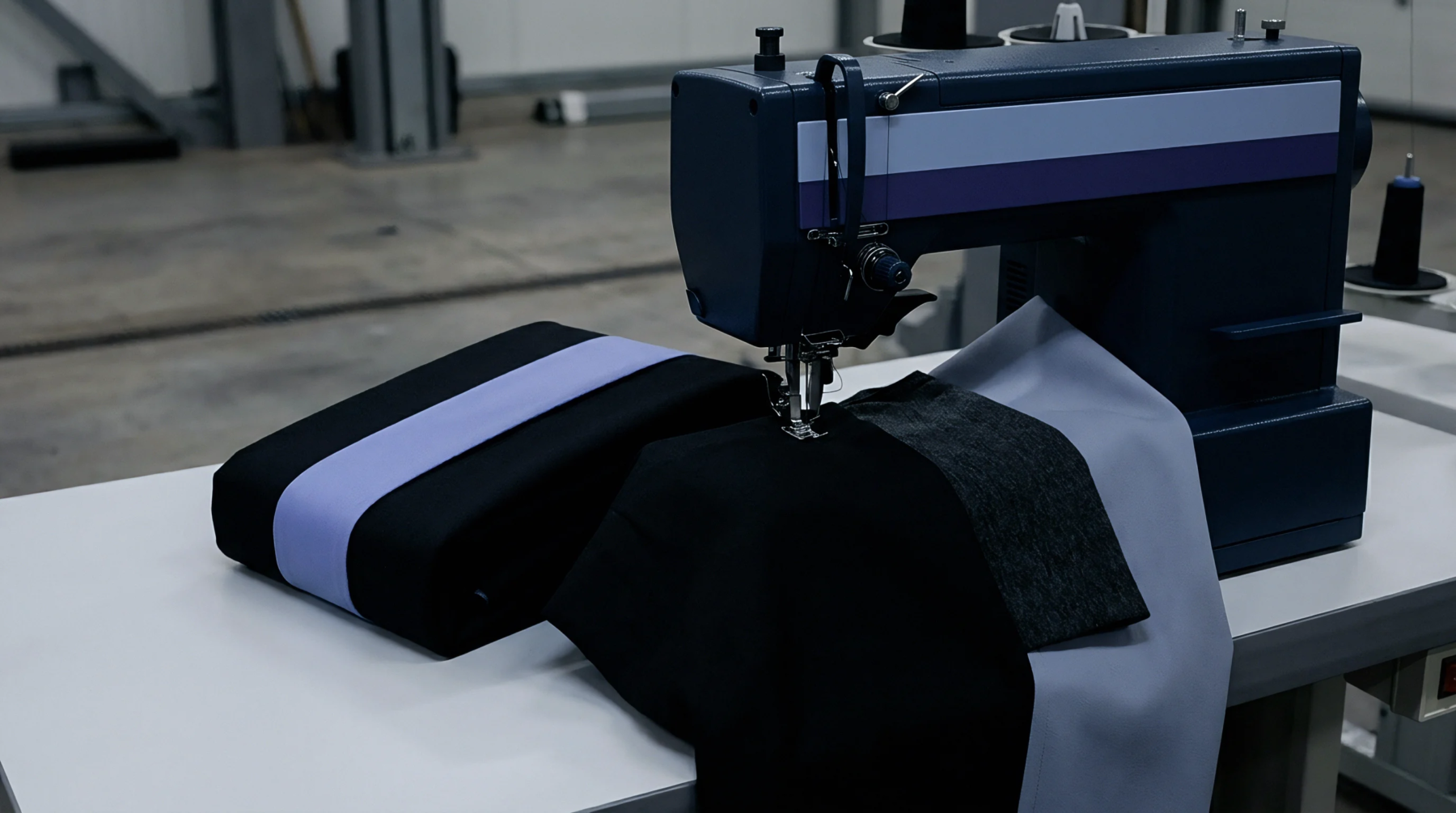
Optimize GC-MS solvent testing using methanol swelling and deuterated internal standards to verify sub-ppm polar amide compliance before shipment clearance.
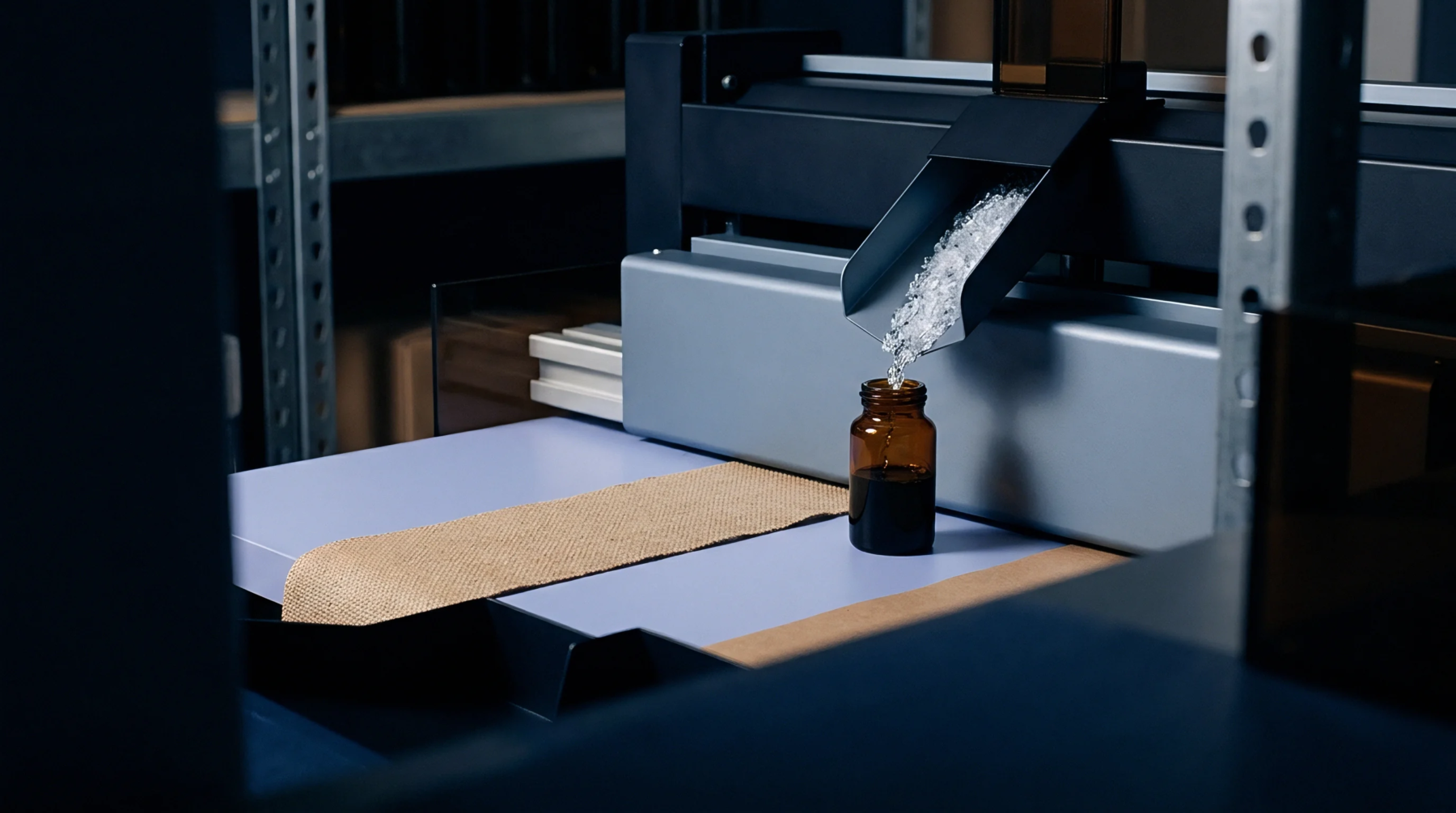
Standardized formaldehyde acceptance testing relies on ISO 14184 water extraction and ISO 17226 chromatography to quantify residual resin risks before shipment.

Composite fiber testing dilutes localized chemical contamination while wet processing alters analyte extraction, demanding matrix-adjusted reporting thresholds.

Matrix effects in pyrolysis gas chromatography elevate detection limits for restricted dye residues in recycled synthetic lots.

Fabric swatch dispute resolution requires unbroken physical custody logs, transaction certificates matched to roll tags, and ISO 17025 split-sample testing.

ISO 18218-1 LC-MS/MS testing after 50 °C methanol extraction provides the definitive quantitative benchmark to verify 100 mg/kg fabric ethoxylate limits.

Standardizing extraction temperature and specimen surface area resolves non-equilibrium desorption variances across dense polyurethane barrier membranes in audits.
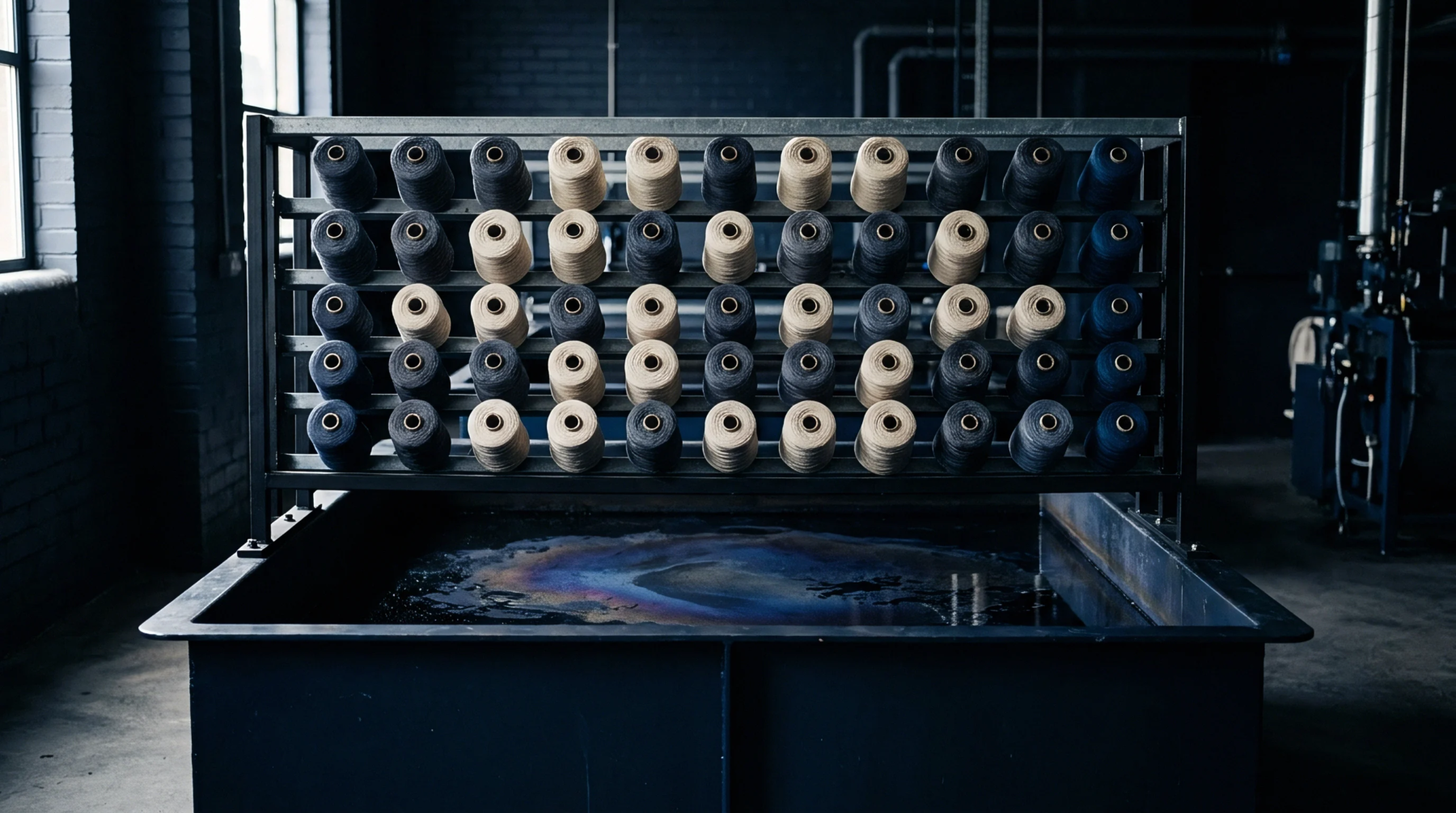
High performance liquid chromatography quantifies polyamide cyclic monomer densities down to five parts per million following cryogenic milling and methanol reflux.
A test report guarantees compliance only when the laboratory accreditation schedule lists the specific test method, analyte family, and exact substrate matrix.

Closing analytical limit gaps requires testing finished production garments against regulatory screening limits rather than commercial reporting cutoffs.

Thermogravimetric verification decouples synthetic ester volatilization from cellulose pyrolysis to deliver true finish oil content for matrix dissolution.

Composite testing dilutes chemical contaminants; operating characteristic curves map true detection probabilities against regulatory action limits.

Dockside mass spectrometry screening of liquid dyehouse auxiliaries prevents high-cost finished fabric contamination and retail customs seizures.
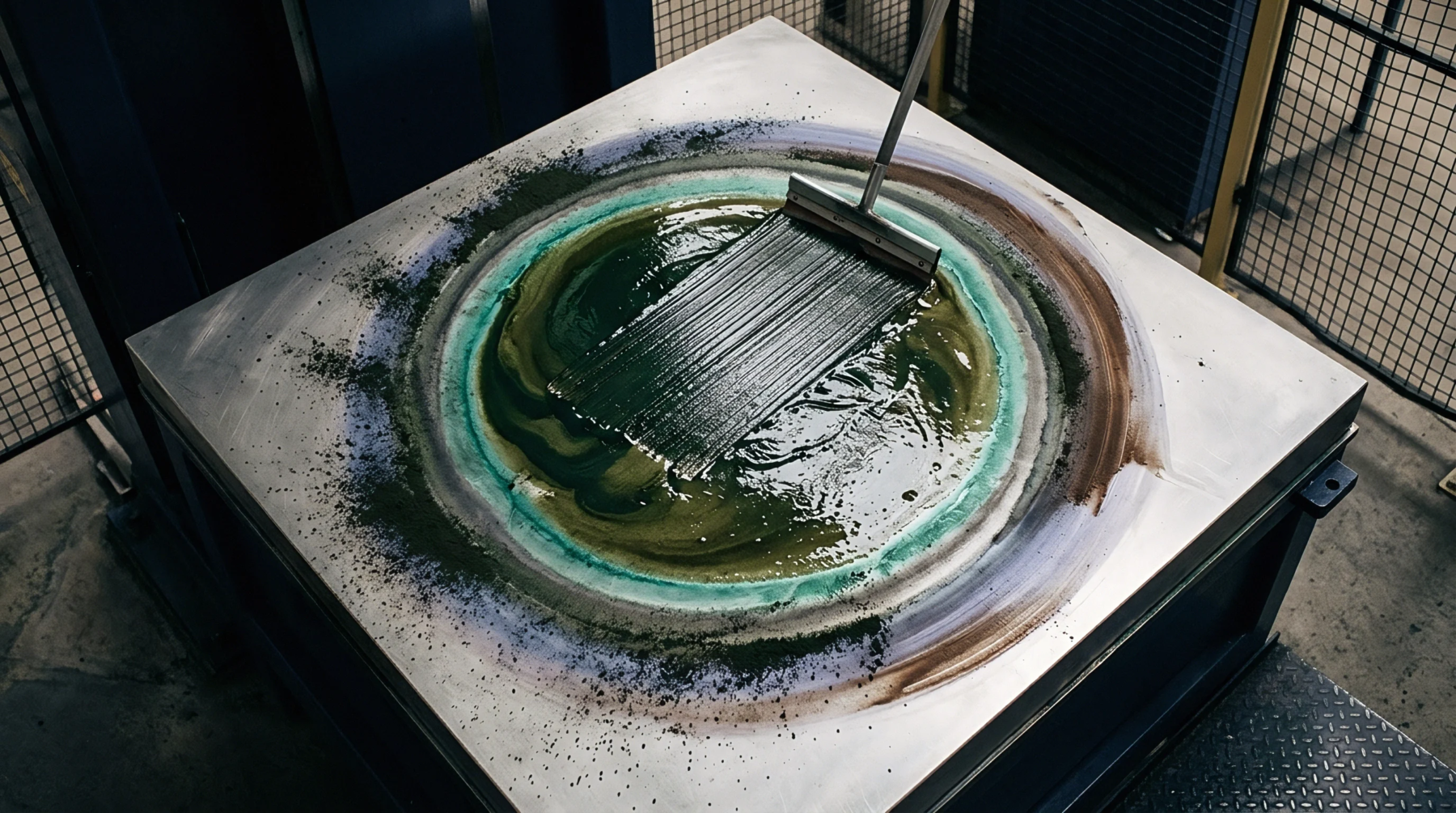
Verify subcontracted auxiliaries using standard additions or isotope dilution to prevent false-negative compliance reports caused by surfactant matrix suppression.

Reconciling inter-laboratory discrepancies and certificate expiration demands sealed split-sample retention, standardized extraction parameters, and tight contract risk allocation.

Stored finished textiles absorb volatile fluorocarbons across air gaps, pushing total fluorine above regulatory limits without direct physical lot contact.
Enforce batch-level combustion ion chromatography screening paired with targeted mass spectrometry to isolate PFAS and azo amine risks across woven supply chains.

Nonparametric multi-point acceptance criteria prevent border seizures by replacing misleading composite averages with discrete rank-based selvedge compliance checks.
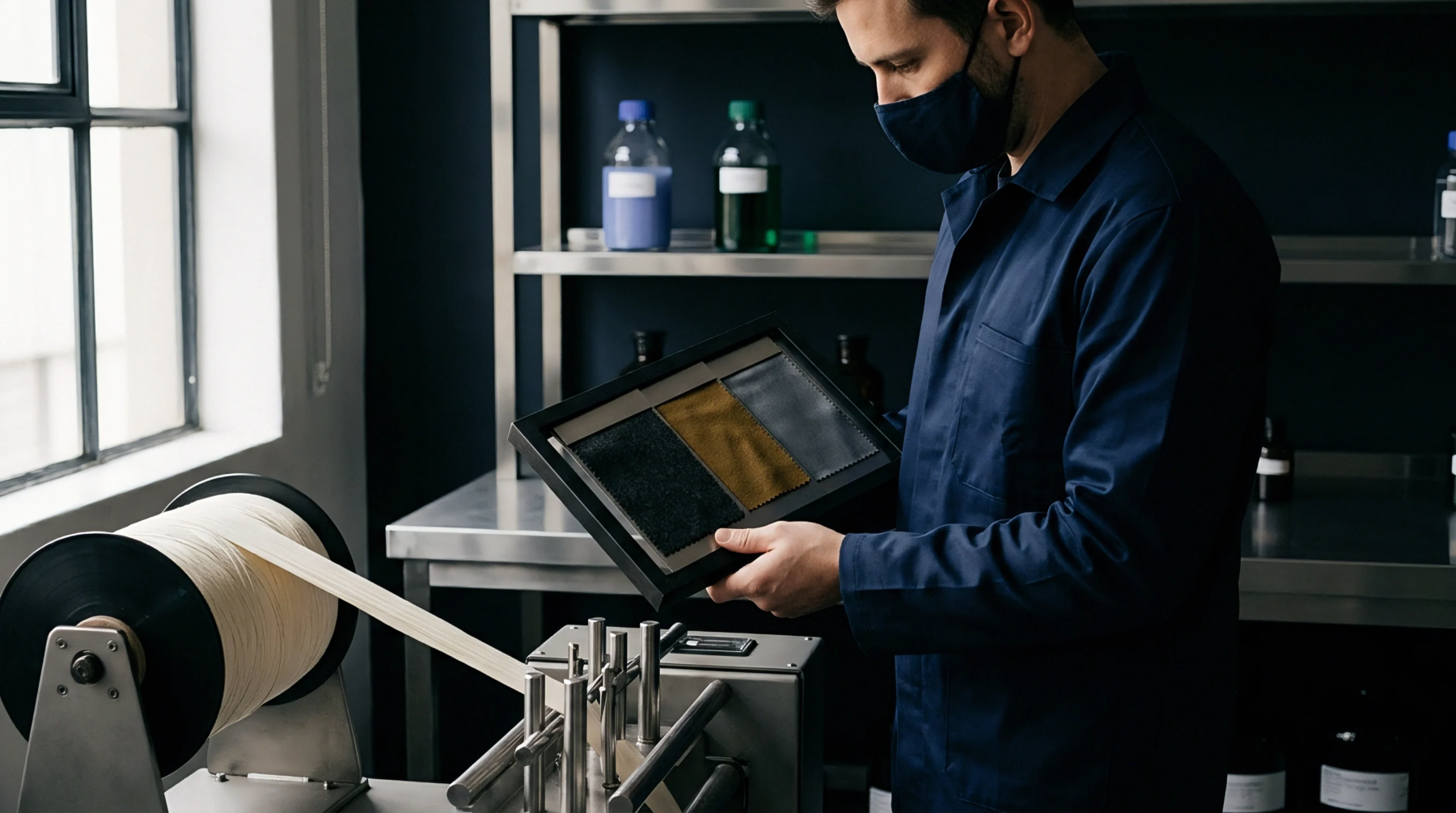
Arbitral chemical attribution requires lot-traceable retains, ISO 17025 test methods, and clear subcontracting clauses to allocate contamination liabilities.

Industrial garment wet processing alters garment dry mass and creates matrix interferences, shifting analytical chemical concentrations past legal thresholds.

Baseline chemical retesting for woven fabric requires lot-tied testing intervals matched to finishing risk, analytical variance buffers, and contract indemnity.

Gas chromatography verifies depolymerized monomer purity through silylation, capillary separation, and flame ionization to prevent extrusion failure.

Textile import compliance requires batch-specific EN ISO 14362 testing confirming regulated aromatic amines remain below 30 mg/kg before port departure.

Validating GC-MS for coated textiles requires dissolution extraction, deuterated internal standards, and SIM ion selectivity to clear border chemical audits.

Exhaustive liquid extraction under DIN EN 17111 governs border compliance, requiring staged stenter thermal profiles to prevent skinning and trap limits below 500 ppm.

Proteomic identification isolates species-specific keratin peptides via LC-MS/MS to quantify true Capra hircus content in chemically treated yarns.

Liquid chromatography tandem mass spectrometry requires matrix-matched calibration curves to prevent underestimating sheep wool in peroxide-bleached cashmere.

ISO 20418 peptide LC-MS/MS quantifies cashmere and wool mixtures by measuring species-specific keratin fragments, overcoming scale damage from chemical finishing.
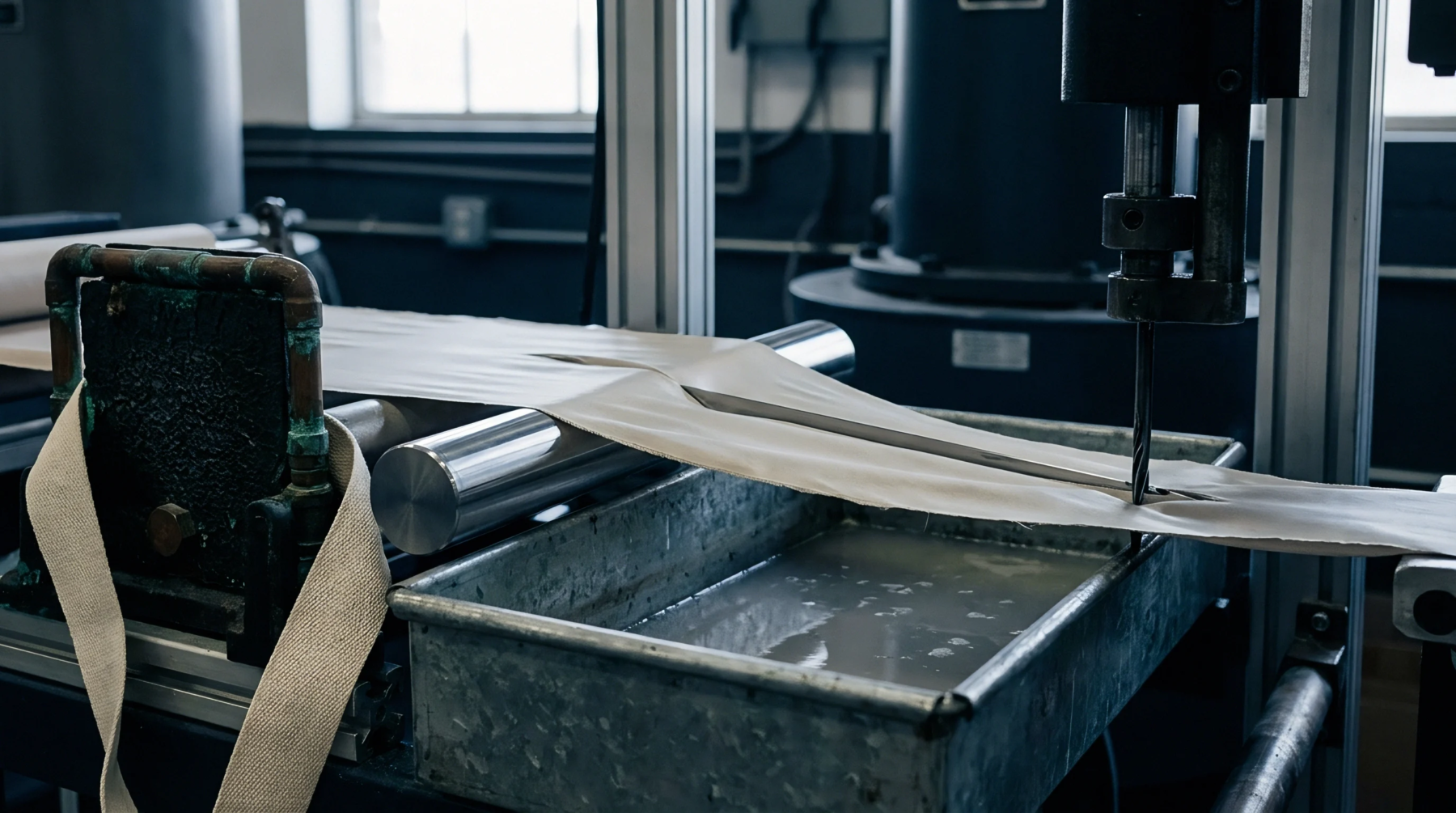
LC-MS/MS quantifies dehaired cashmere admixtures below 0.5% by measuring species-specific tryptic peptides, bypassing optical microscopy limits.
Expertise is a utility, not a secret. sentiention™ publishes its working knowledge as open reference: intelligence layer covering the materials it sources, the markets it enters, and the reference that serves both.