Metal Determination
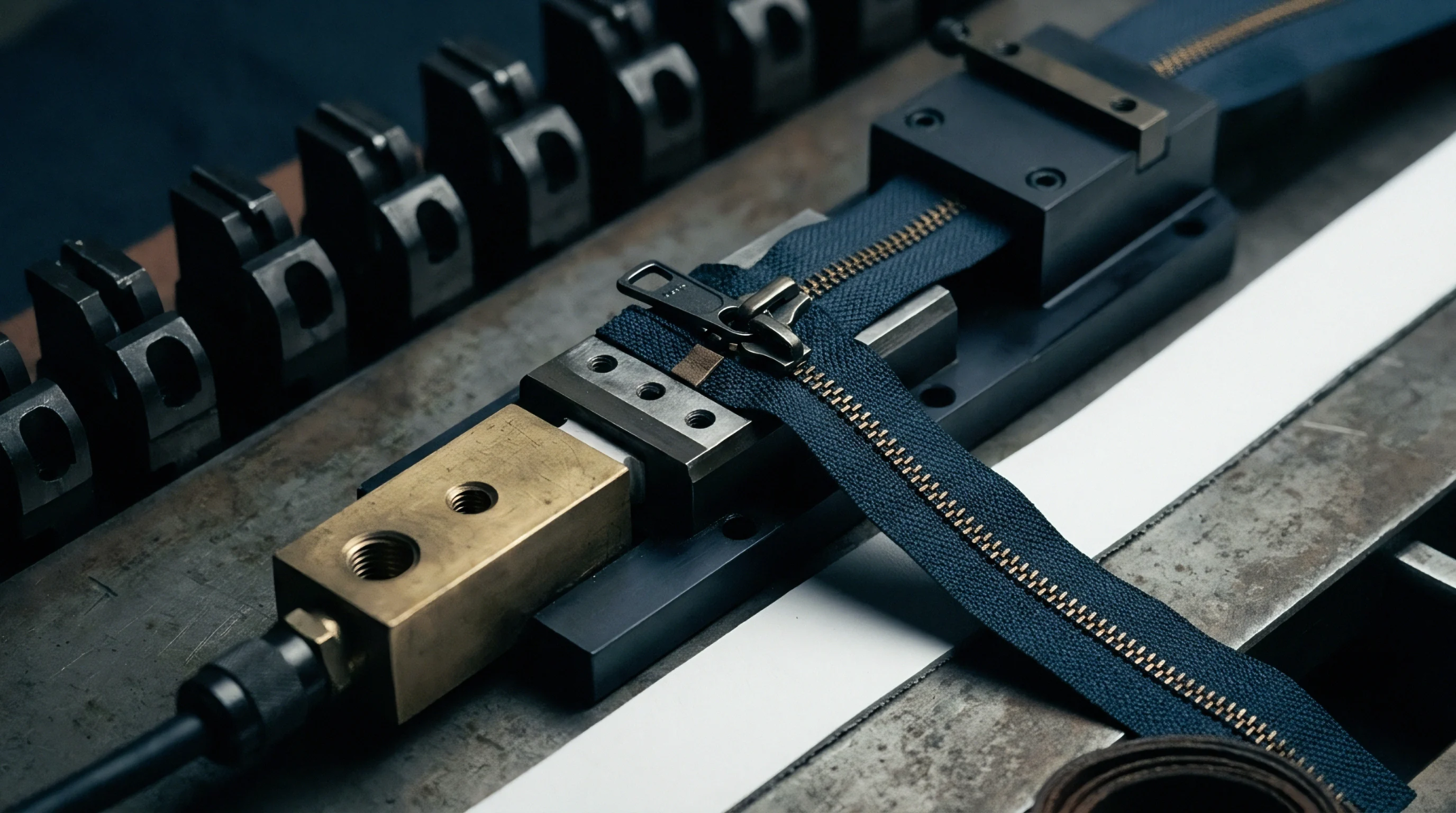
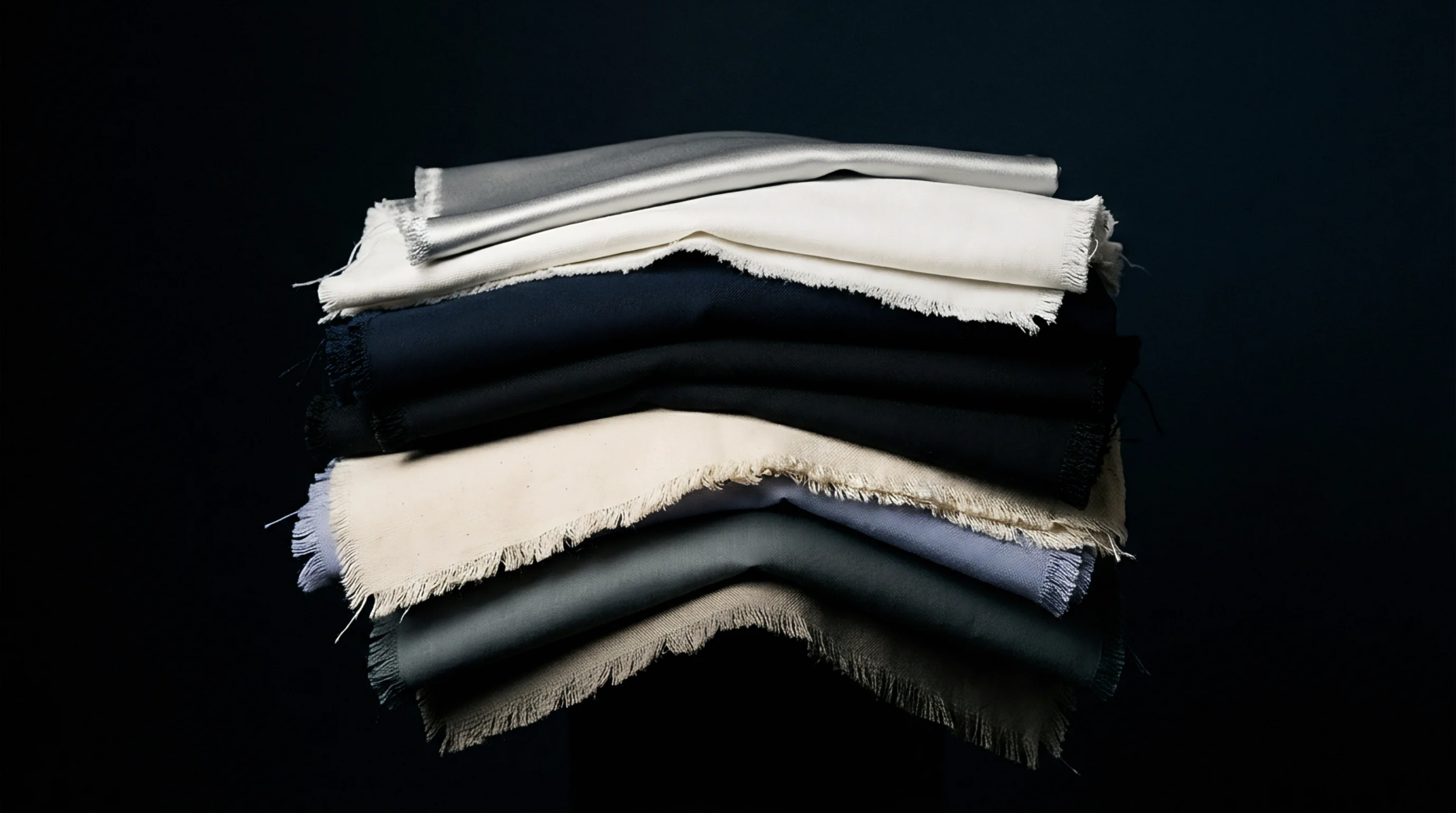
Heavy metal concentrations measured against the limits for extractable elements in textile materials define the analytical scope of en 16711-2. This standard provides a methodology for the determination of antimony, arsenic, cadmium, chromium, cobalt, copper, lead, mercury and nickel in fabrics through artificial acidic sweat extraction. It applies to all textile components, including fibers, yarns, fabrics and accessories that come into direct contact with the skin.
The procedure is designed to quantify the amount of metal that could be absorbed by the body during normal wear. By setting clear limits on these substances, the standard helps to reduce the risk of allergic reactions and long-term toxic effects for the consumer.
Digestion Technique
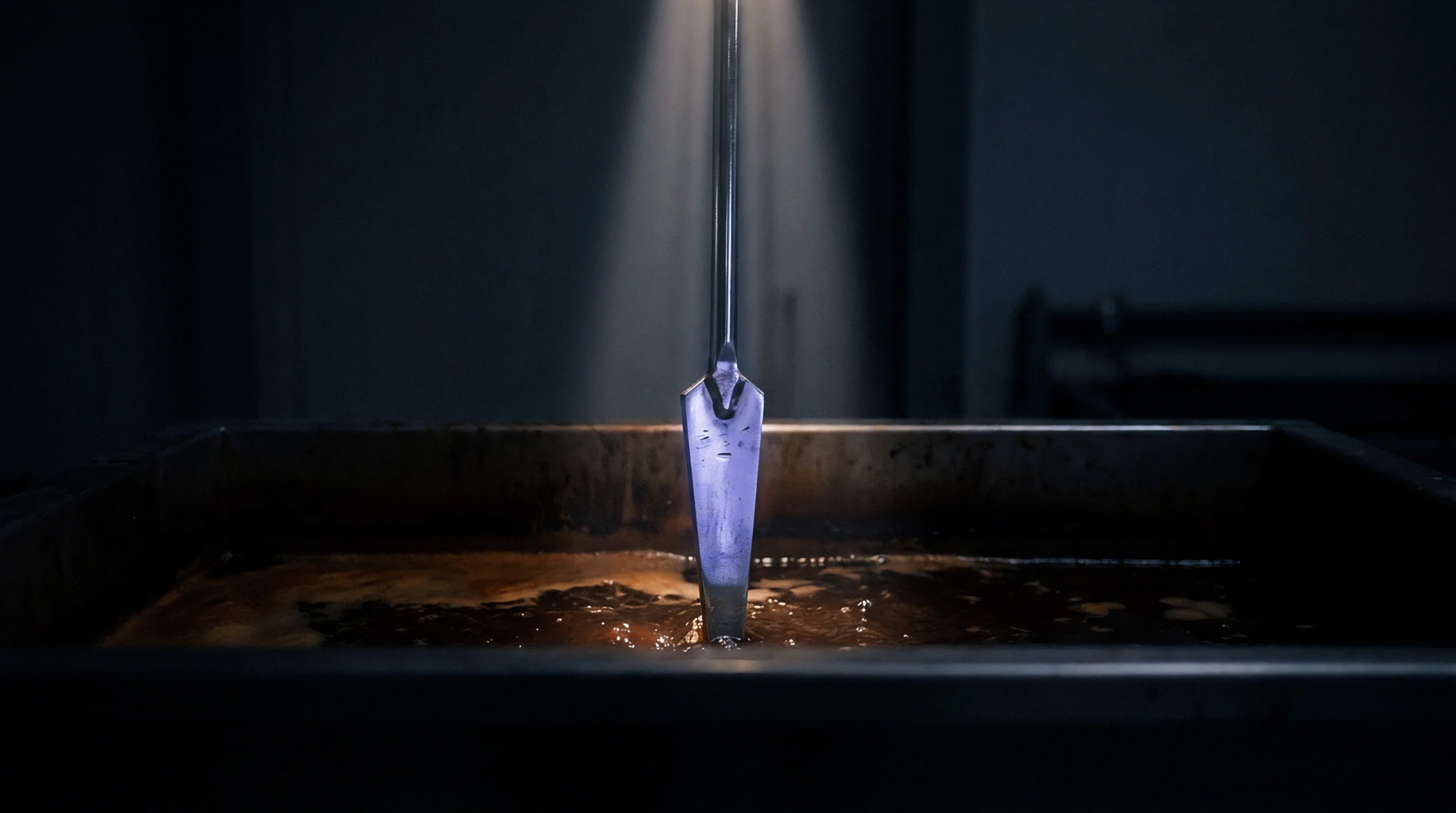
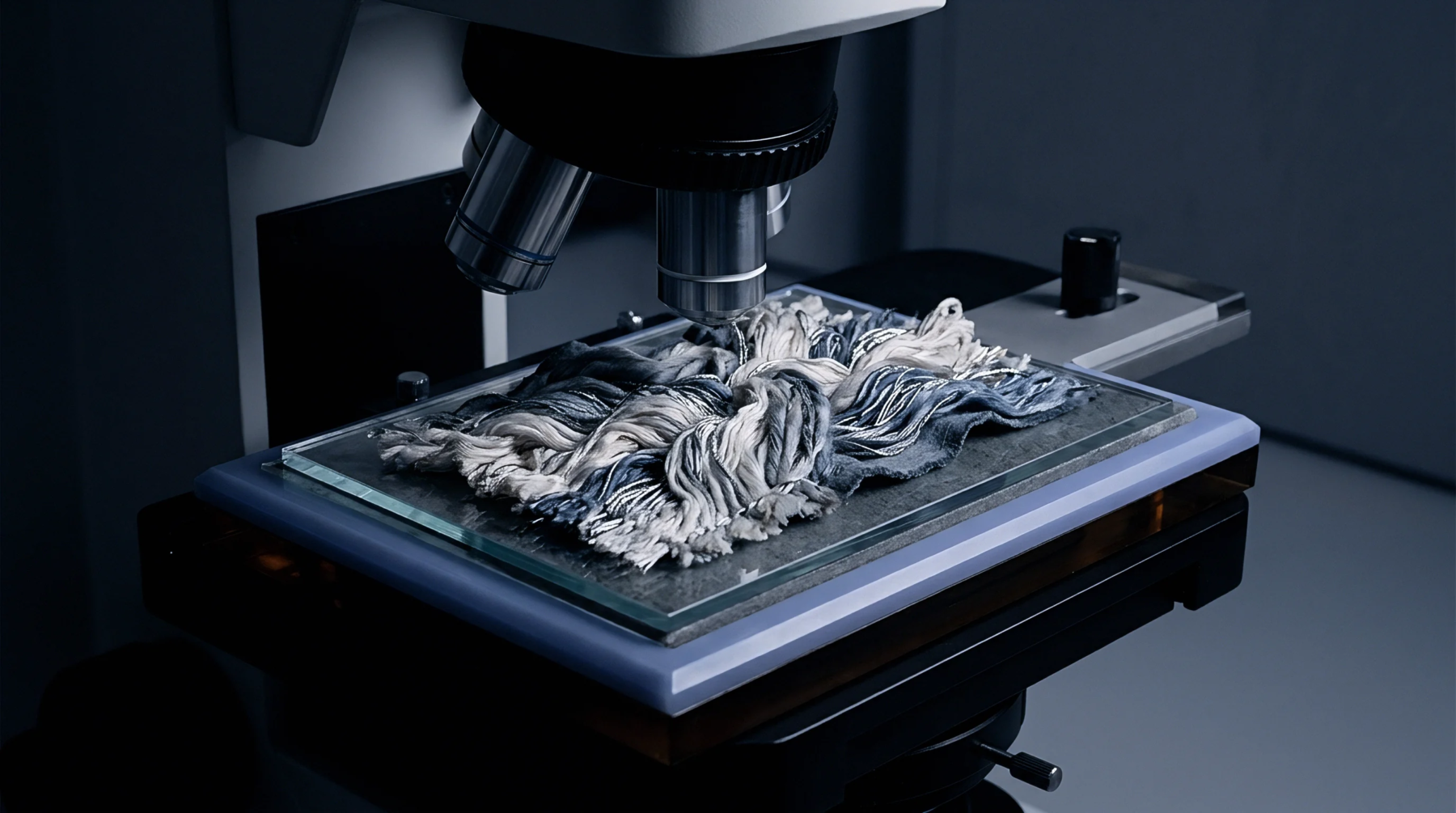
Laboratory analysis begins with the immersion of the textile sample in a solution that simulates the composition of human sweat. Following the protocol of en 16711-2, the sample is agitated in the extraction liquor at body temperature for a fixed period to allow the metals to migrate from the fiber into the liquid. This extraction method is more representative of real-world exposure than total digestion, as it only measures the metals that are actually bioavailable.
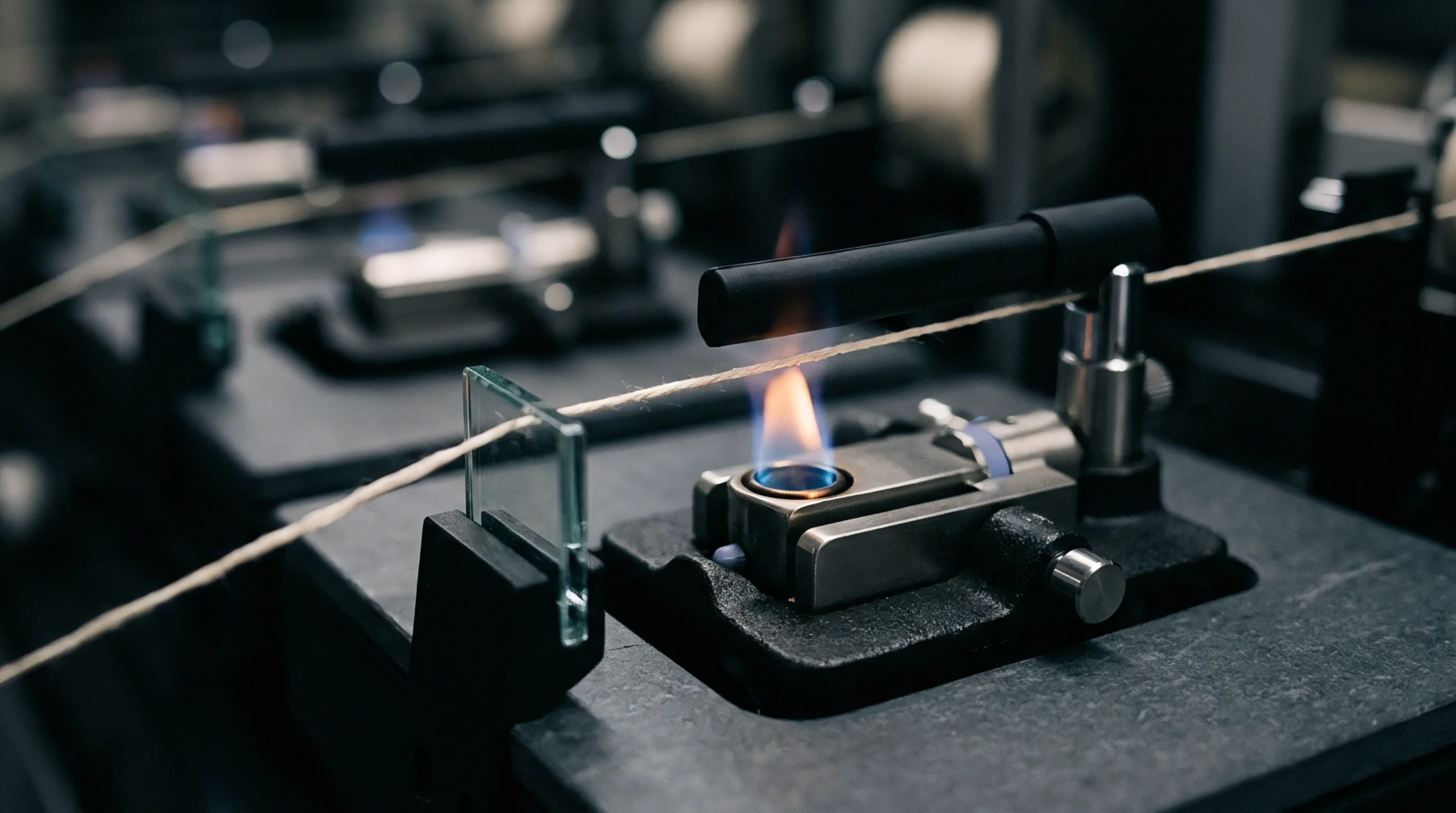
The resulting extract is then analyzed using inductively coupled plasma mass spectrometry or atomic absorption spectroscopy to identify the specific metal ions present. Technicians must carefully filter the solution to remove any loose fibers that could interfere with the optical readings of the equipment. The mechanism of extraction is highly sensitive to the pH of the sweat solution, which must be strictly maintained at the value specified in the standard.
Threshold Boundary
Safety limits for each metal are defined based on their known toxicity and the age of the intended wearer of the garment. Under the rules of en 16711-2, the allowable concentrations for children’s clothing are significantly lower than those for adult apparel due to the higher risk of ingestion and skin sensitivity. For example, the limit for lead extraction is typically set at a very low level to protect against neurological damage in young children.
If the laboratory finds that any metal exceeds the threshold, the material is deemed non-compliant and must be removed from the production line. This boundary provides a clear pass or fail criterion for quality control managers and regulatory authorities. The standard also accounts for the potential cumulative effect of multiple metals being present in the same material.
Safety Assurance
Manufacturing facilities use this standard to verify that their dyeing and finishing processes do not introduce harmful contaminants into the final product. Compliance with en 16711-2 is often a requirement for obtaining international eco-labels and meeting the restricted substance lists of major retailers. It allows brands to demonstrate their commitment to consumer safety and to avoid the legal and reputational damage associated with selling toxic goods.
Buyers frequently request these test reports during the product development phase to ensure that the chosen materials are safe for the target market. Regular audits of the chemical suppliers help to maintain a clean supply chain and prevent the accidental use of metal-laden dyes or pigments.