Controlling Wet Processing Auxiliaries in Subcontracted Wash Operations
Controlling subcontracted wash auxiliaries demands locked positive chemical lists, barrel tamper seals, and machine-side testing before garment lot immersion.
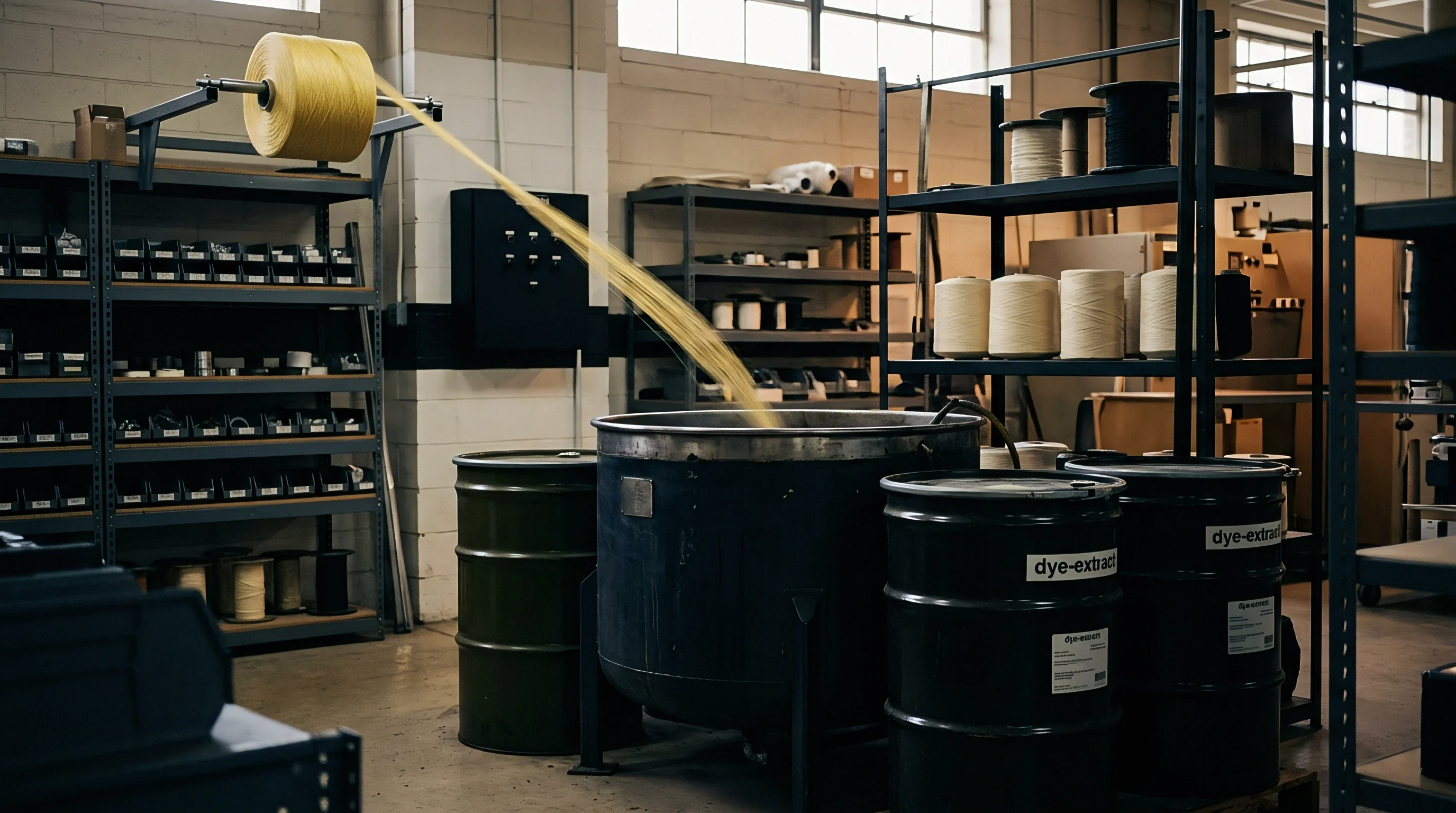

Trough
Washing machines in commission processing facilities process garment lots under extreme margin pressure. Primary apparel vendors contract cutting and sewing within owned facilities, yet they routinely outsource denim abrasion, enzyme washing, tinting, and softening to external industrial laundries. This mechanical and chemical transition represents the primary vulnerability for restricted substance contamination across apparel supply chains.
Once cut panels are assembled into whole garments, wet finishing requires massive water volumes, specialized rotary drum extractors, and substantial chemical dosing that primary garment factories rarely house internally.
Subcontract facilities operate on tight margins.
Commercial contracts between primary apparel manufacturers and subcontract washhouses focus almost exclusively on aesthetic targets, turnaround schedules, and piece-rate finishing prices. Shade bands, abrasion intensity, tear strength retention, and hand feel dominate incoming inspection sheets. Chemical compliance documentation remains secondary, frequently handled through static annual declarations that fail to reflect actual batch additions inside the laundry.
Chemical suppliers sell certified specialty auxiliaries alongside unbranded commodity replacements, creating an immediate economic incentive for subcontracted washhouses to alter dosing recipes once brand compliance inspectors depart the facility floor.
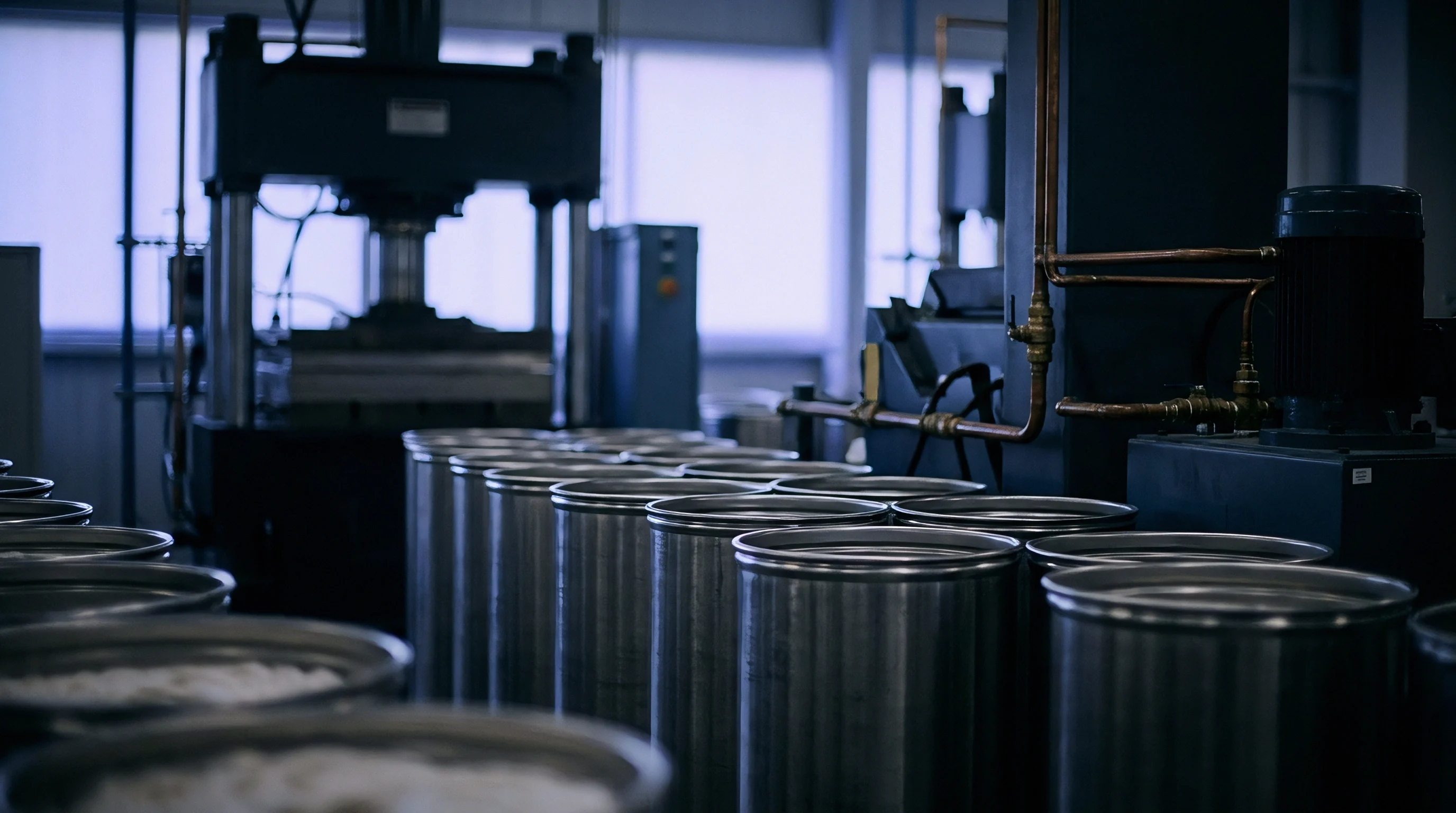
Shadow Formulations inside Commercial Laundries
Subcontracted wet processing facilities frequently balance fixed finishing prices against escalating chemical inputs by altering auxiliary recipes. An industrial laundry receives technical specifications detailing specific enzymes, anti-backstaining agents, and silicone softeners certified under brand restricted substance lists. When processing large production volumes, floor managers dilute approved specialty auxiliaries with low-cost commodity surfactants, unrefined scouring agents, and technical-grade neutralizers purchased from local chemical traders.
Subcontracted washhouses routinely purchase uncertified chemical extenders to protect per-garment processing margins against rising base chemical costs.
Contamination spreads across wash wheels.
Local chemical merchants supply unbranded scouring compounds containing alkylphenol ethoxylates because these branched surfactants deliver exceptional wetting efficiency and grease removal at a fraction of the price of compliant fatty alcohol ethoxylates. A single drum of non-compliant wetting agent introduced during desizing contaminates the washing wheel, the hydroextractor, and subsequent production lots processed within the same vessel. The resulting chemical residue binds tenaciously to cotton cellulose, resisting downstream rinsing stages and persisting through final garment packaging.

Chemical Hand-Offs in Outsourced Finishing
Main contractors issue tech packs detailing wet processing targets, yet the physical custody of chemical application transfers to external operators. Primary manufacturers rarely station full-time chemical compliance officers inside subcontracted laundry units. Technical representatives visit to approve visual strike-offs, confirming washdown appearance under calibrated light boxes before signing off on bulk processing.
This operational separation leaves chemical sourcing entirely to laundry management.
Traceability fails at shared extractors.
When confronted with chemical residue spikes, washing subcontractors typically maintain that chemical merchants delivered alternative drums under identical commercial trade names without issuing prior technical notice.


Formulation
Auxiliaries added during garment laundering impart softness, stabilize shade levels, and control redeposition during abrasive cycles. These proprietary chemical mixtures contain complex surfactant bases, emulsifiers, buffering salts, and functional polymers. Chemical formulators protect these compositions as proprietary intellectual property, disclosing broad ingredient classes on safety data sheets while withholding specific chemical structures and trace contaminants.
Subcontracted laundries treat these preparations as simple functional tools, dosing them by volume rather than molecular content.
Surfactants carry distinct aquatic toxicities.
In denim wet processing, anti-backstaining agents prevent liberated indigo dye from redepositing onto white pocket bags and undyed weft yarns during cellulase washing cycles. Older, non-compliant formulations rely heavily on polyacrylic acid copolymers dispersed with nonylphenol ethoxylates. Modern certified alternatives substitute modified polyester polymers and alcohol ethoxylates, which cost significantly more per kilogram.
Subcontractors facing tight cost ceilings routinely switch back to obsolete alkylphenol ethoxylate preparations for commercial wash runs.

Restricted Contaminants in Wet Processing Auxiliaries
Surface-active wetting agents applied during desizing baths frequently introduce alkylphenol ethoxylates into industrial effluent and finished apparel. These compounds degrade into nonylphenol and octylphenol, endocrine-disrupting substances with intense aquatic toxicity that bioaccumulate in river systems. Regulators worldwide target these residues aggressively through import restrictions and border surveillance mechanisms.
Residual silicones impair denim absorbency.
Softening baths present another critical contamination vector through the application of amino-functional silicone macro-emulsions and micro-emulsions. Industrial silicone synthesis produces cyclic siloxane by-products, notably octamethylcyclotetrasiloxane (D4), decamethylcyclopentasiloxane (D5), and dodecamethylcyclohexasiloxane (D6). These volatile methylsiloxanes persist as impurities within low-grade silicone softeners, transferring onto garment fibers during exhaust application cycles.
- Alkylphenol ethoxylate contamination surfaces when facilities replace compliant wetting agents with uncertified industrial detergents to accelerate scouring cycles. This substitution introduces persistent degradation products that bind tightly to cellulosic fibers.
- Cyclic siloxane accumulation occurs during softening cycles when cheaper technical-grade silicone emulsions contain high residual concentrations of octamethylcyclotetrasiloxane and decamethylcyclopentasiloxane. Garments retain these volatile compounds beyond permissible environmental safety limits.
- Heavy metal contamination arises from unrefined inorganic salts used as electrolyte extenders in reactive washing and neutralization baths. Arsenic and lead impurities precipitate onto wet garments during hydroextraction.
- Residual formaldehyde release stems from crosslinking fixatives applied to preserve distressed denim wash patterns. High temperatures inside drying tumblers fail to volatilize unreacted chemical fractions completely.
Industrial enzyme mixtures degrade rapidly.
Biopolishing cellulases require precise temperature and pH windows to hydrolyze protruding surface fibers without causing catastrophic tensile strength loss. Subcontract laundries frequently boost sluggish or degraded enzyme baths with aggressive acid buffers or auxiliary wetting agents containing banned alkylphenols to achieve target hand feel within standard cycle times. Enzymes denature at high bath temperatures.
Garment lots washed with unverified anti-backstaining agents exceed the 100 milligram per kilogram nonylphenol ethoxylate threshold under DIN EN ISO 18254-1 within two production cycles.

Analytical Detection of Subcontracted Residues
Liquid chromatography coupled with tandem mass spectrometry identifies non-ionic surfactants down to parts-per-million concentrations. Testing laboratories cut garment swatches from high-friction zones, pocketing liners, and waistbands, extracting organic residues via solvent acceleration before chromatographic separation. Standard screening panels reveal whether an auxiliary contained restricted raw materials or secondary chemical extenders.
| Auxiliary Class | Target Contaminant | Standard and Limit Value | Extraction and Analytical Method | Typical Failure Rate in Subcontract Audits |
|---|---|---|---|---|
| Anti-Backstaining Formulations | Nonylphenol Ethoxylates (NPEO) | REACH Annex XVII entry 46a: < 100 mg/kg | DIN EN ISO 18254-1 (LC-MS) | 14.2% |
| Wetting Agents and Scouring Detergents | Octylphenol Ethoxylates (OPEO) | ZDHC MRSL V3.1: < 100 mg/kg total sum | ISO 18254-1 (LC-MS/MS) | 9.8% |
| Denim Silicone Softeners | Siloxanes D4, D5, D6 | REACH Candidate List: < 1000 mg/kg per substance | ISO 19070 (GC-MS) | 18.5% |
| Bleaching Neutralizers and Scavengers | Arsenic and Lead Impurities | OEKO-TEX Standard 100 Class II: < 0.2 mg/kg As, < 1.0 mg/kg Pb | EN 16711-2 (ICP-MS) | 4.1% |
| Cationic Softening Pastes | Quaternary Ammonium Free Amines | GOTS Version 7.0: Zero tolerance for hazardous amines | Direct solvent extraction, LC-MS | 6.7% |
The 100 milligram per kilogram threshold for total nonylphenol and octylphenol ethoxylates under REACH Annex XVII entry 46a rests on gas chromatography mass spectrometry analysis of ten-gram garment swatches extracted with methanol; testing conducted across sixty-day wash cycles proves that background water contamination in municipal supplies can elevate readings by 12 to 18 milligrams per kilogram, a variance that shifts compliance status only when baseline auxiliary purity sits above 80 milligrams per kilogram. Finished garments absorb residual surfactants.
The 0.1 percent by weight ceiling for decamethylcyclopentasiloxane (D5) in washhouse softeners relies on solvent extraction with tetrahydrofuran and gas chromatography flame ionization detection under ISO 19070; an analytical sample size of five garments drawn from a ten-thousand-unit production lot carries a 95 percent confidence interval with a four percent margin of error, which collapses if softener dosing pumps drift during long continuous runs.
The exact rate at which bound cyclic siloxanes migrate from treated denim fibers into consumer sweat solutions under prolonged skin contact remains an unsettled technical debate within toxicology panels.


Conformity
Qualification files for chemical inputs depend on strict alignment between declared commercial trade names and verified chemical inventory registries. A positive declaration on paper provides zero protection if the factory floor uses different chemical containers. Modern chemical management programs evaluate chemical inputs at the formulation level before procurement, establishing certified databases that subcontract facilities must draw from exclusively.
Local chemical traders undercut certified distributors.
Audit teams demand formulation dossiers.
Subcontract laundries often present scope certificates from chemical manufacturers that confirm a parent chemical company holds certification for a broad product range. Closer document inspection frequently reveals that the specific auxiliary delivered to the washhouse represents an uncertified subsidiary product line designed for local industrial scouring. The certified product name and the invoiced product name differ by a single suffix, masking the presence of unapproved auxiliary chemistry.
Standard purchase specifications incorporating ZDHC MRSL Version 3.1 trigger automatic lot rejections when delivery drum serials fail to match the chemical supplier batch invoice.

Positive Lists and Attestation Levels
Third-party gatekeeping programs assess auxiliary chemical preparations through documented manufacturing control and analytical batch testing. The Zero Discharge of Hazardous Chemicals Manufacturing Restricted Substances List (ZDHC MRSL) Version 3.1 defines acceptable concentration thresholds for chemical formulations used within textile wet processing facilities. Conformance levels range from Level 1, which requires document review and analytical screening, to Level 3, which incorporates chemical factory site visits and process control audits.
- Gateway verification level determines whether an auxiliary formulation possesses simple safety data sheet documentation or certified analytical batch testing. Level 3 status confirms direct facility auditing and chemical formulation validation.
- Positive list cross-referencing matches chemical container labels against current database entries before drums enter the washing facility. Expired certificates invalidate chemical eligibility immediately.
- Mass balance calculation compares the volume of compliant chemicals purchased against total garment yardage washed during the subcontract period. Significant discrepancies indicate unrecorded auxiliary consumption.
- Chemical warehouse segregation isolates certified formulations from general-purpose washing chemicals used for unmonitored domestic production runs. Physical padlocks prevent unauthorized recipe swapping during night shifts.
The proportion of subcontracted garment washhouses running unauthorized chemical dilutions sits in industry surveys between 18 and 34 percent, a figure the desk cannot fully defend because clandestine mixing leaves no paper trail; under this uncertainty, a buyer establishes mandatory direct chemical dispatch from nominated formulators rather than relying on laundry procurement logs.
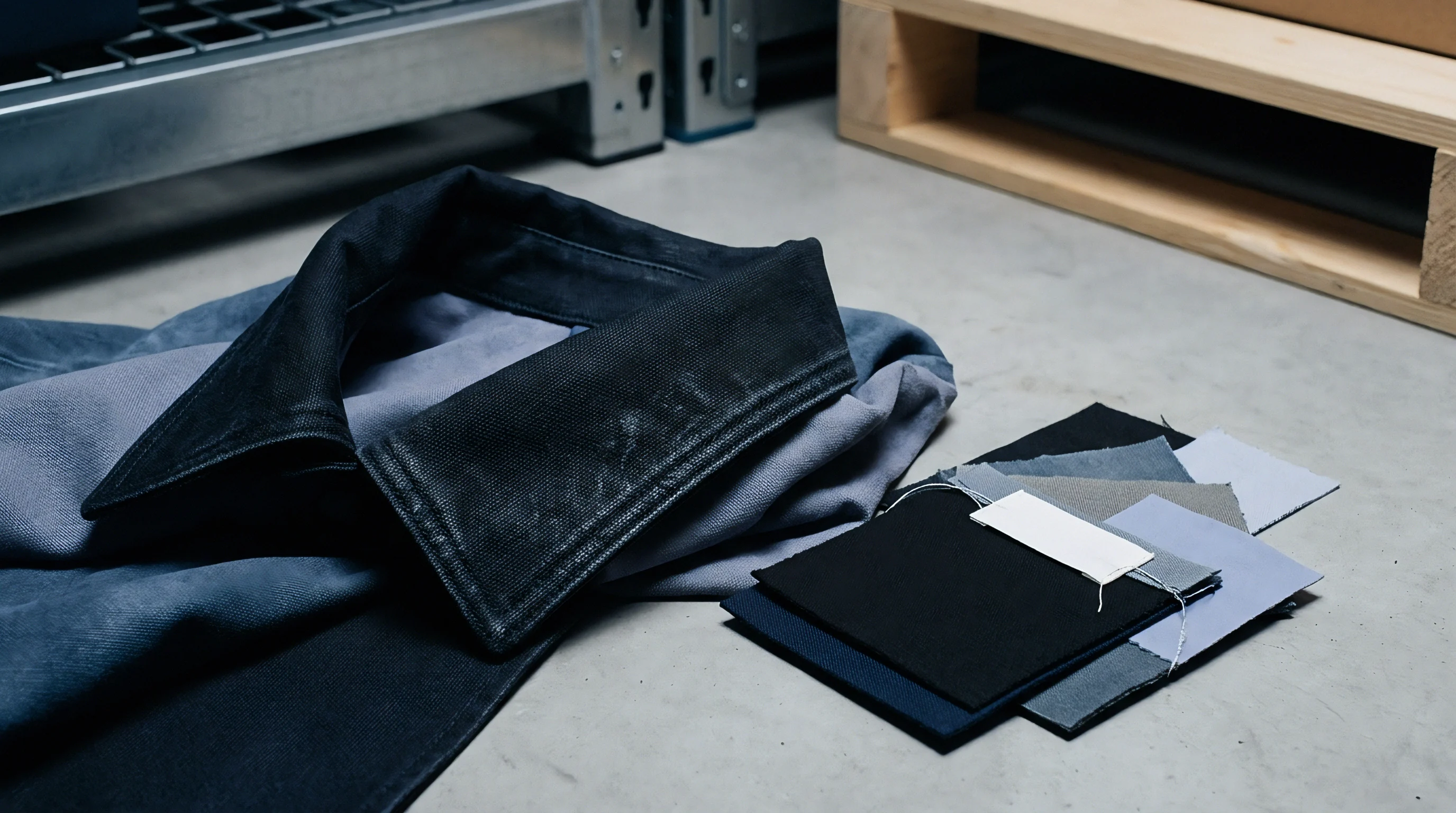
How Do Laundries Conceal Restricted Chemical Substitutions?
Unscrupulous washing managers decant commodity industrial detergents into branded drums purchased during initial buyer qualification. When compliance auditors walk through the chemical storage bay, drum labels match approved procurement lists perfectly. Behind closed dosing booth doors, workers measure out unbranded liquid surfactants from unlabeled transfer buckets, blending them directly into machine hoppers.
Paper compliance certificates demonstrate only what an auxiliary manufacturer intended to sell, while liquid drum testing proves what the laundry actually dispersed into the wash wheel.

Custody
Physical surveillance at the washhouse gate reveals operational discrepancies that remote document checks fail to detect. Controlling wet processing auxiliaries requires unbroken chain-of-custody protocols extending from chemical manufacturer delivery to machine-side chemical dilution. When laundries manage split operations across multiple buildings, chemical control breaks down rapidly.
This operational divergence mirrors maritime bunkering practices, where vessels take on certified low-sulfur marine fuel at primary terminals but occasionally receive contaminated cutter stocks from local lighter barges during mid-voyage transfers. In both environments, certified supply chains fracture at the unmonitored point of physical delivery.
Unannounced extraction tumbler inspections uncover chemical discrepancies that paper inventory logs omit.

Verification at the Machine Side
Drawing liquid directly from dosing hoppers ensures that the process liquor corresponds to approved chemical declarations. Technicians execute immediate checks on active bath chemistry using portable testing kits, verifying pH, conductivity, and specific gravity against standard formulation curves. Significant density deviations indicate unapproved solvent addition or heavy water dilution.
- Inspect the drum labeling and tamper-evident security seal on every active chemical barrel at the machine dosing station.
- Draw a fifty-milliliter liquid specimen directly from the washing machine dosing line prior to cycle initiation.
- Check the bath liquid pH and specific gravity using calibrated handheld meters against standard formulation data sheets.
- Record the machine identifier, lot ticket number, garment style reference, and precise chemical batch numbers in the verification log.
- Seal the reference specimen in an amber glass vial for secondary laboratory verification if downstream garment testing indicates non-compliance.
Testing turnaround times dictate container release.

Is Incoming Batch Testing Feasible under Fast Turnarounds?
Laundering cycles operate on seventy-two-hour production schedules that outpace standard accredited laboratory turnaround schedules. Dispatching liquid auxiliary specimens to commercial laboratories for comprehensive gas chromatography screening requires five to seven working days. Garment lots leave wash tumblers, pass final inspection, and enter export containers long before final analytical test reports return to the compliance desk.
Importers absorb the testing bill.
To overcome this operational lag, primary apparel vendors implement rapid on-site screening protocols using portable Fourier-transform infrared spectrometers and thin-layer chromatography kits. While these screening tools lack the part-per-billion sensitivity of laboratory liquid chromatography, they instantly flag unauthorized surfactant classes, mineral oil extenders, and aromatic solvent additions. A positive match against reference spectra clears the lot for wet processing, while anomalous spectral peaks trigger immediate quarantine of the chemical drum.
Section 8.4 of the standard technical manufacturing agreement shifts all financial liability for non-compliant chemical residues directly to the subcontracted facility whenever tamper-evident seals on designated chemical dispensers show unrecorded modifications.


Default
Border authorities and retail brand surveillance mechanisms seize non-compliant apparel shipments when chemical testing reveals restricted residues. Customs agencies enforce strict product safety laws, detaining containers at entry ports when random spot checks reveal alkylphenols, extractable heavy metals, or prohibited azo dyes. Once goods enter border quarantine, storage fees accumulate daily while cargo sits immobilized in shipping yards.
Customs holds stall seasonal retail launches.
Exclusion clauses shield chemical manufacturers.
The discovery of non-compliant auxiliaries triggers immediate commercial fallout throughout the contractual pyramid. Primary apparel manufacturers bear strict legal responsibility as importers of record or designated tier-one suppliers to international apparel brands. Subcontract laundries attempt to limit exposure by claiming process chemical consumption conformed to verbal client instructions or that residual cross-contamination stemmed from prior dyeing runs executed on shared equipment.

Allocation of Testing and Detention Liabilities
Master service agreements determine which contracting tier absorbs testing charges, customs penalties, and cargo reconditioning fees. Standard commercial terms establish that subcontract wash facilities indemnify the primary garment manufacturer against third-party claims arising from restricted substance violations. Enforcing these indemnification covenants requires unambiguous chemical batch records linking contaminated garment rolls directly to laundry processing tickets.
| Enforcement Level | Operational Impact | Direct Financial Assessment | Indirect Commercial Cost | Default Liability Carrier |
|---|---|---|---|---|
| Customs Port Detention | Full container hold for analytical testing | $4,200 testing plus $180 per day demurrage | Missed retailer delivery window penalties | Importer of Record |
| Brand Restricted Substance Audit Failure | Immediate commercial lot rejection | Full order value write-off ($45,000 to $120,000) | Loss of preferred vendor licensing status | Primary Apparel Vendor |
| Wastewater Discharge Violation | Municipal environmental fine and laundry closure | $15,000 to $50,000 administrative fine | Production halt across parallel client orders | Subcontract Laundry Operator |
| Warehouse Chemical Reconditioning | Stripping and re-washing non-compliant stock | $1.85 per garment stripping and neutralization | Tensile strength and fiber integrity loss | Subcontract Laundry Operator |
| Financial estimates represent typical market averages for 20,000-unit woven denim apparel lots processed in South and Southeast Asian industrial laundering hubs. | ||||

Contract Clauses for Laundering Operations
Purchase orders binding primary garment vendors link directly to secondary washing units through explicit indemnification covenants. Robust legal frameworks eliminate vague warranties of compliance, replacing them with specific operational obligations. These contractual instruments require subcontract facilities to maintain active positive list subscriptions, permit unannounced machine-side chemical sampling, and store retention samples of every chemical drum introduced into production baths for eighteen months.
Failure to maintain chemical control over subcontracted washing operations results in complete shipment rejection at import distribution hubs, followed by mandatory commercial incineration of non-compliant apparel inventory at the importer’s direct expense.