
Correcting Isobaric Peptide Mass Shifts in Proteomic Fiber Quantification
Correcting isobaric peptide mass shifts in proteomic fibre testing prevents false wool detections and protects cashmere customs declarations from penalties.
Correcting isobaric peptide mass shifts in proteomic fibre testing prevents false wool detections and protects cashmere customs declarations from penalties.

Managing fluorinated chemical risk in recycled synthetics demands total fluorine screening, targeted LC-MS testing, and strict batch transaction certificate tracking.

Structured tripartite deeds and letter of credit chemical release covenants transfer restricted substance liability directly to subcontracted wet processing mills.
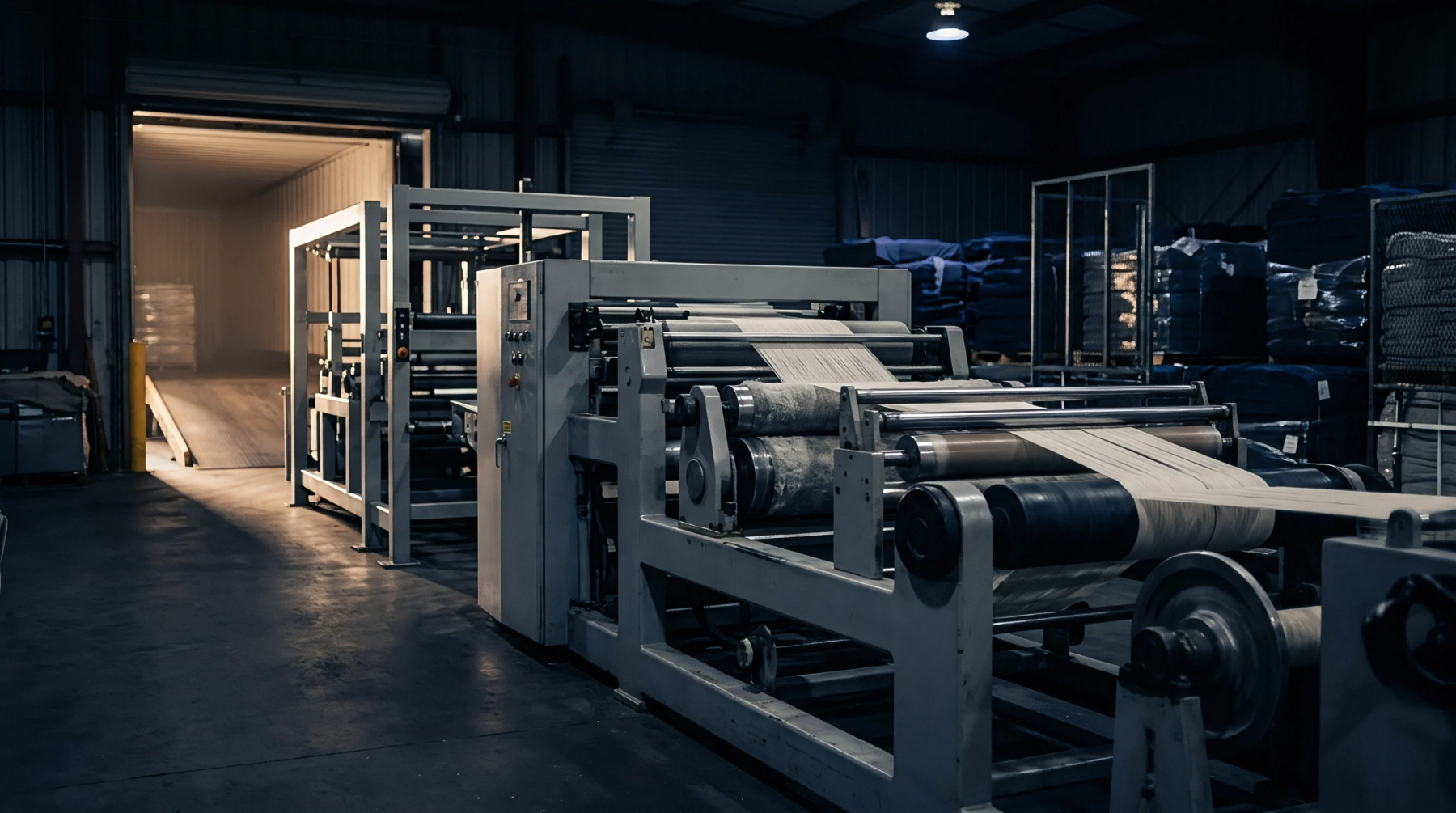
Enforcing PFAS bans at subcontracted wet processors requires tracking organofluorine partitioning in wastewater filter cake using total fluorine testing.

Analytical tolerances for banned arylamines in recycled polyester demand LC-MS verification to eliminate oligomer false positives above 20 mg/kg.

Cross border chemical retests demand exact matching of solvent polarities, extraction temperatures, and specimen shred sizes to resolve audit discrepancies.

Calculate converting indemnity reserves by aggregating full cut-and-sew garment losses, freight, retests, and disposal rather than processing fees alone.

Baseline chemical retesting metrics for imported woven textiles require statistical lot sampling, matrix-matched analytical methods, and clear retest clauses.

Empirical laboratory testing of raw liquid chemical auxiliaries prior to vat injection is mandatory to prevent subcontracted dyehouse contamination.

Statistical acceptance sampling for restricted chemical finishes requires composite dilution accounting to protect buyers from hazardous batch contamination.
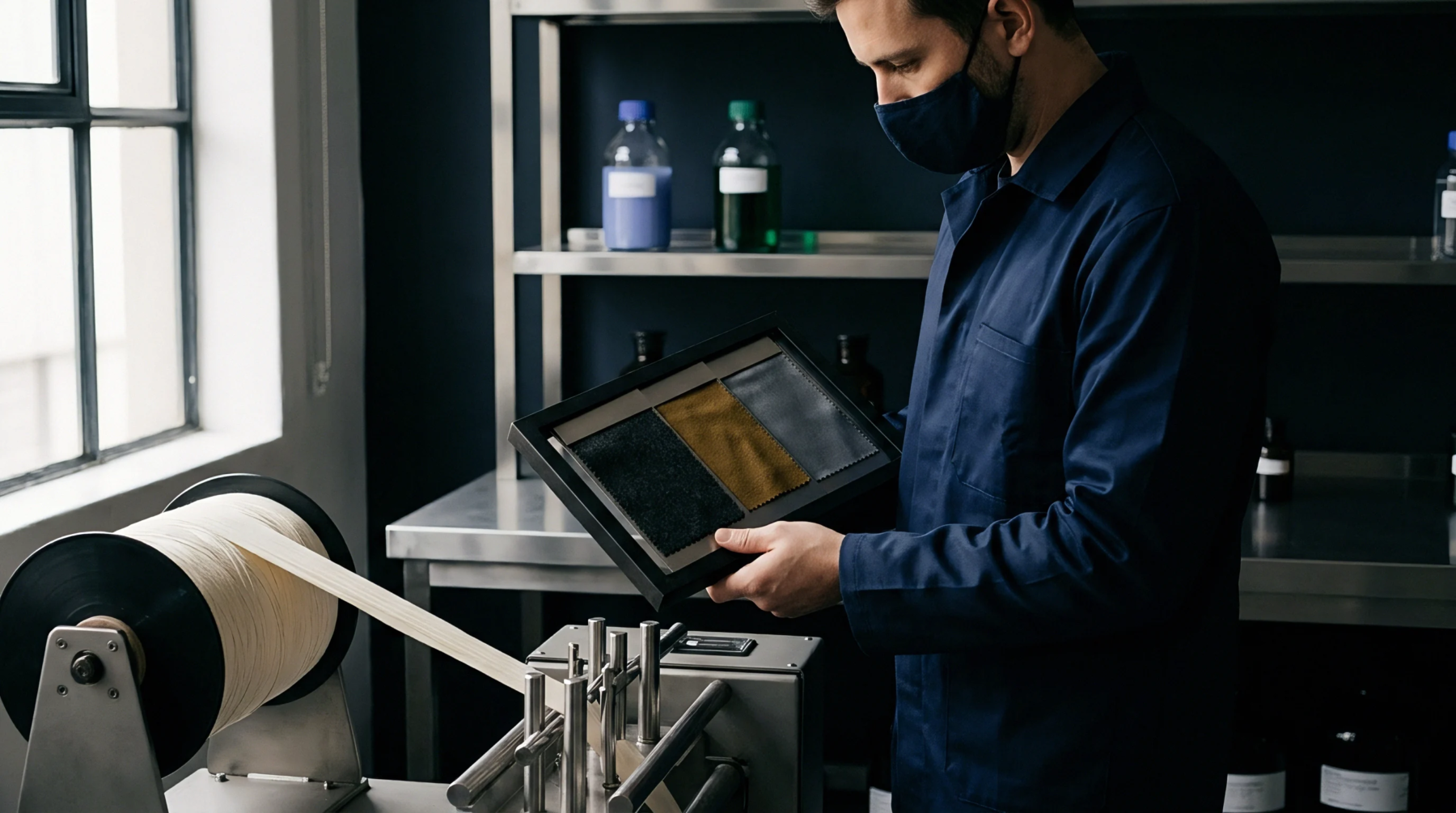
Contractual verification limits for repeat textile shipments require defined testing frequencies, standardized extraction methods, and explicit action thresholds.

Subcontracted dyehouse chemical risk requires binding PO flowdown clauses, batch-level ISO 17025 testing, and strict financial retainage mechanisms.

Flowing restricted substance lists to subcontracted dyehouses demands batch-level chemical tracking, verified bath controls, and explicit back-to-back testing indemnity.
Harmonizing transpacific chemical retests requires matrix-matched solvent selection, standardized extraction temperatures, and agreed guardbanding decision rules.

Confirmed chemical non-compliance requires immediate split-sample secondary retesting under ISO 17025 protocols to enforce contractual indemnity and landed cost recovery.
Expertise is a utility, not a secret. sentiention™ publishes its working knowledge as open reference: intelligence layer covering the materials it sources, the markets it enters, and the reference that serves both.