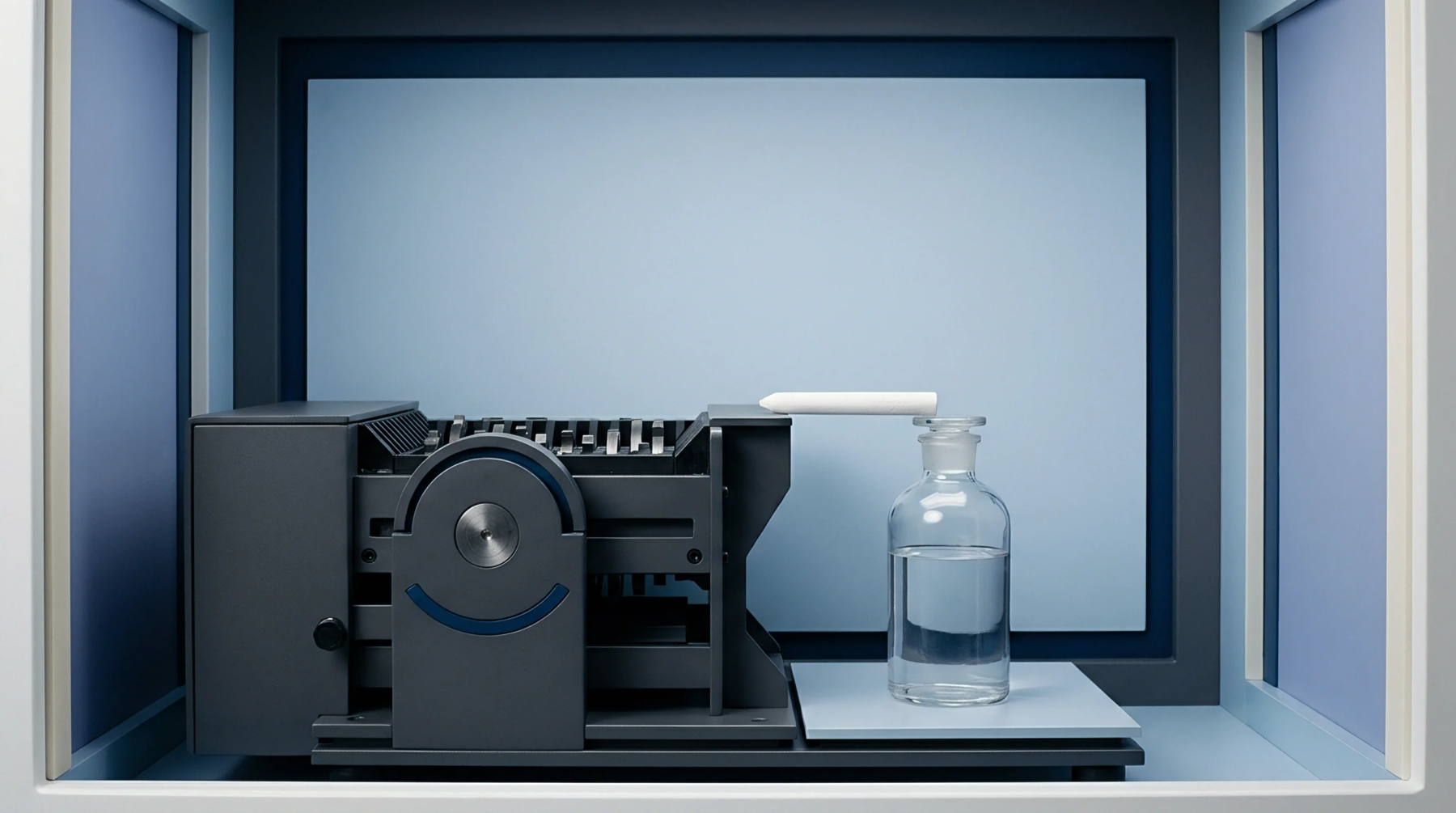
Sound Displacement
High frequency sound waves applied to a solvent liquid facilitate the removal of chemical additives or contaminants from a textile specimen for laboratory analysis. Using ultrasonic bath extraction accelerates the transfer of target compounds from the solid fibre into the liquid phase without the need for aggressive boiling. This method relies on the formation and collapse of microscopic bubbles in the solvent.
Solvency Efficiency
Cavitation produced by the sound waves generates localized pressure that forces the solvent into the internal structure of the yarn. Compared to traditional shaking or soaking, ultrasonic bath extraction provides a more thorough cleaning of the sample in a shorter timeframe. The energy levels are adjusted to ensure that the chemical bonds of the extracted substance remain intact for subsequent measurement.
Efficiency is enhanced when the solvent is pre-heated to a specific temperature that balances solvency with the stability of the bath.
Sample Preparation
Processing multiple specimens simultaneously in a single bath allows for higher laboratory throughput. Each specimen is contained in a sealed vial to prevent cross-contamination while the sound waves penetrate the glass walls.
Temperature Regulation
Controlling the heat generated by the transducer is necessary to prevent the degradation of volatile compounds. Consistent power output from the ultrasonic generator ensures that every batch of samples receives the same treatment intensity.