Resolving Systematic Extraction Dissolution Errors in Recycled Synthetic Composite Fiber Classification Audits
Correct systematic dissolution bias by establishing recycled-specific d-factors and dual-solvent extraction to secure true customs fiber weight classifications.

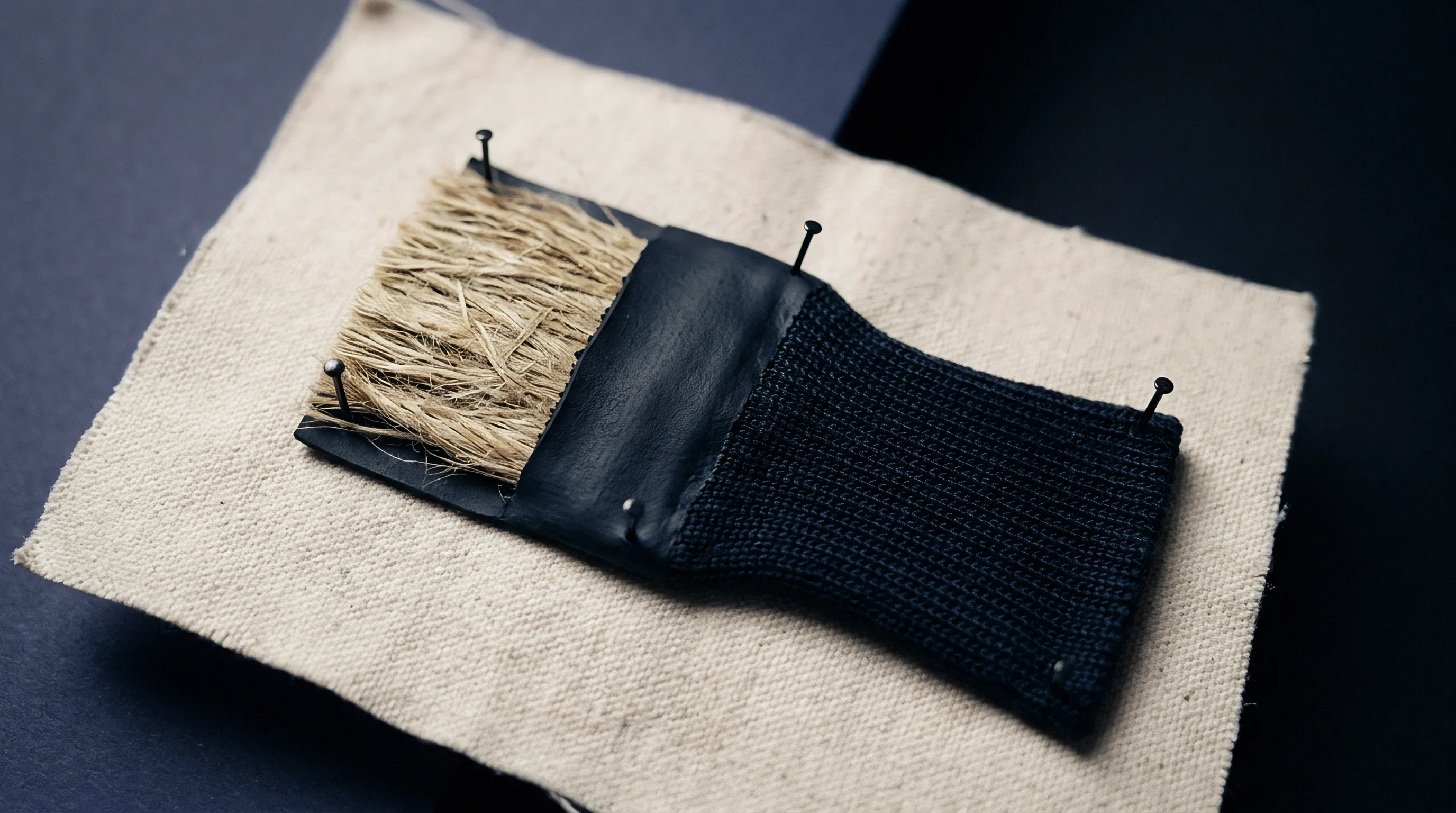
Residue
Quantitative gravimetric analysis of post-consumer synthetic textiles relies on selective chemical dissolution to isolate individual polymer fractions. Standardized testing regimes specify mass correction factors, historically designated as d-values, to compensate for reagent attack on the insoluble component during extraction cycles. These baseline values derive entirely from pristine virgin polymers with intact molecular weight distributions and uniform crystallite orientations.
Mechanically shredded and melt-reprocessed synthetic polymers exhibit structural degradation that invalidates these established values. Thermal exposure during compounding causes molecular weight attrition, chain scission, and random recrystallization, altering dissolution kinetics. Analytical laboratories applying standard test methods to recycled synthetic composite textiles systematically overestimate the soluble fraction.
This analytical distortion shifts declared composition percentages across statutory thresholds, exposing commercial importers to customs penalties and supply chain disruptions.

Differential Solubility in Degraded Polymer Chains
Mechanical reprocessing breaks macromolecular backbones through intense shear inside twin-screw extruders. High melt temperatures accelerate thermal scission, creating a broad population of low molecular weight chains and shorter polymer fragments. These degraded chains possess elevated mobility and lower activation energy barriers to solvent penetration.
In a binary intimate combination of post-consumer polyethylene terephthalate and polyamide 6, standard selective dissolution under ISO 1833-7 utilizes eighty percent formic acid to dissolve the polyamide phase while leaving the polyester intact. Pristine virgin polyester exhibits negligible mass loss in cold formic acid, supporting an empirical d-factor of 1.00. Recycled polyester containing low intrinsic viscosity fractions experiences significant surface leaching during the standard fifteen-minute agitation period.
Formic acid extracts short-chain oligomers from the polyester substrate, recording their loss as dissolved polyamide.
Thermal degradation also disrupts lamellar crystallite organization. Virgin synthetic filaments maintain draw-induced orientation that shields crystalline domains from mild chemical attack. Reprocessed polymers possess lower bulk crystallinity and irregular amorphous zones susceptible to solvent swelling.
Reagents penetrate the fiber matrix faster, dissolving shorter chains that would remain stable in virgin filament structures. Chemical recycling routes involving incomplete glycolysis or methanolysis compound this behavior by leaving residual reactive chain ends. These hydroxyl and carboxyl end groups increase polar interaction with aqueous acid solvents.
The insoluble substrate sheds measurable mass into the extraction liquor, skewing the final gravimetric balance.
Thermal re-extrusion lowers polymer intrinsic viscosity, increasing specimen solubility in reagents calibrated strictly for virgin molecular weights.

Mechanisms of Insoluble Oligomer Retention
Cyclic trimers generated during post-industrial heat setting migrate toward the filament surface during solvent contact. When exposed to chemical reagents, these oligomeric species do not always dissolve cleanly into the liquor phase. In seventy-five percent sulfuric acid extractions designed to dissolve cellulosic components according to ISO 1833-11, recycled polyester can release insoluble cyclic oligomers that precipitate out of solution upon minor thermal fluctuations.
These micro-crystalline precipitates deposit on the surface of the filtering substrate. The gravimetric balance reads four decimal places. These precipitated fractions register as undissolved material, creating an artificial increase in the recorded mass of the residue.
Crosslinked additives exacerbate this gravimetric retention. Recycled composite feeds frequently contain trace polyurethane elastomeric coatings, adhesive backings, or reactive chain extenders like pyromellitic dianhydride. These crosslinked networks resist acid digestion.
Sintered glass filters clog at three bars. The resulting insoluble gel particles accumulate on the filter disk, trapping solvent and dissolved salts. Standard oven drying cycles at one hundred and five degrees Celsius fail to remove coordinated solvent molecules trapped within these gel complexes.
The final weight of the dry residue displays positive mass bias, distorting the calculated ratio of synthetic to natural components.
| Fiber Substrate | Reagent Chemistry | Standard Part | Virgin Factor d | Recycled Factor d | Observed Mass Bias |
|---|---|---|---|---|---|
| Polyester (PET, IV 0.48 dL/g) | Formic acid 80% m/m | ISO 1833-7 | 1.00 | 1.03 | +3.0% soluble error |
| Polyamide 6 (Mn 12,000 Da) | Hydrochloric acid 20% m/m | ISO 1833-8 | 1.00 | 1.04 | +4.0% soluble error |
| Polyester (Mechanically garnetted) | Sulfuric acid 75% m/m | ISO 1833-11 | 1.00 | 1.02 | +2.0% soluble error |
| Polyurethane (Elastane, Crosslinked) | Dimethylformamide (DMF) | ISO 1833-20 | 1.02 | 1.07 | +5.0% residue error |
Applying standard correction factors to degraded synthetic substrates miscalculates the true weight ratios, triggering customs audits, retroactive duty assessments, and contract rejections at importing terminals.
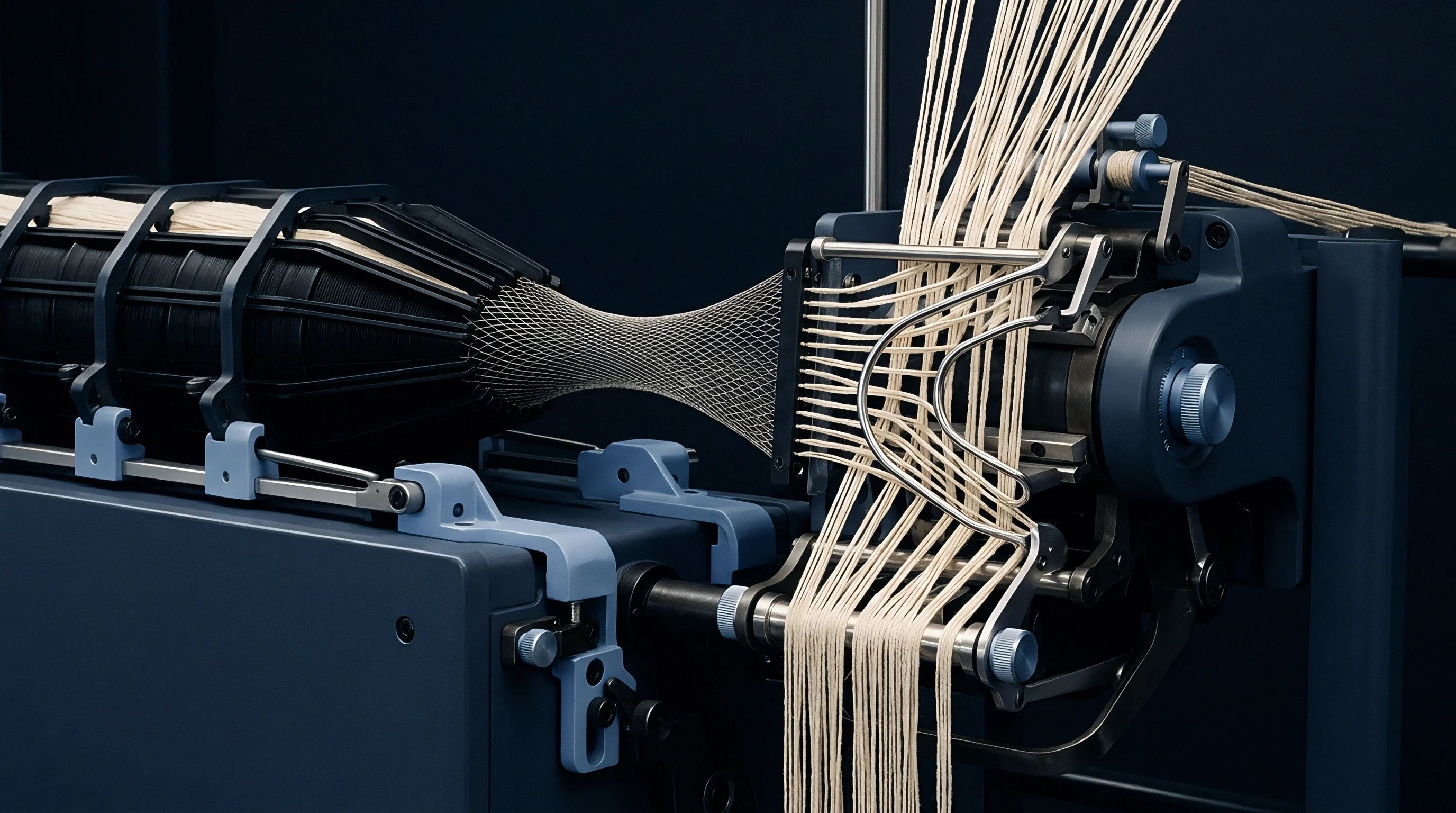

Flask
Accurate quantification begins with thorough solvent reflux to strip finishing oils, silicones, and non-fibrous binders. Post-consumer waste streams arrive at recycling facilities coated with diverse topical chemistries. Sizing agents, spin finishes, fluorocarbon stain repellents, and polyurethane laminate films alter surface wetting and reagent diffusion.
Standard dissolution methods assume an uninhibited boundary layer between the pure fiber and the extraction reagent. Residual waxes and silicone emulsions form hydrophobic shields around composite fibers, preventing uniform reagent attack. Conversely, degraded surface finishes dissolve partially in primary organic reagents, creating unrecorded extraction losses before selective chemical digestion begins.
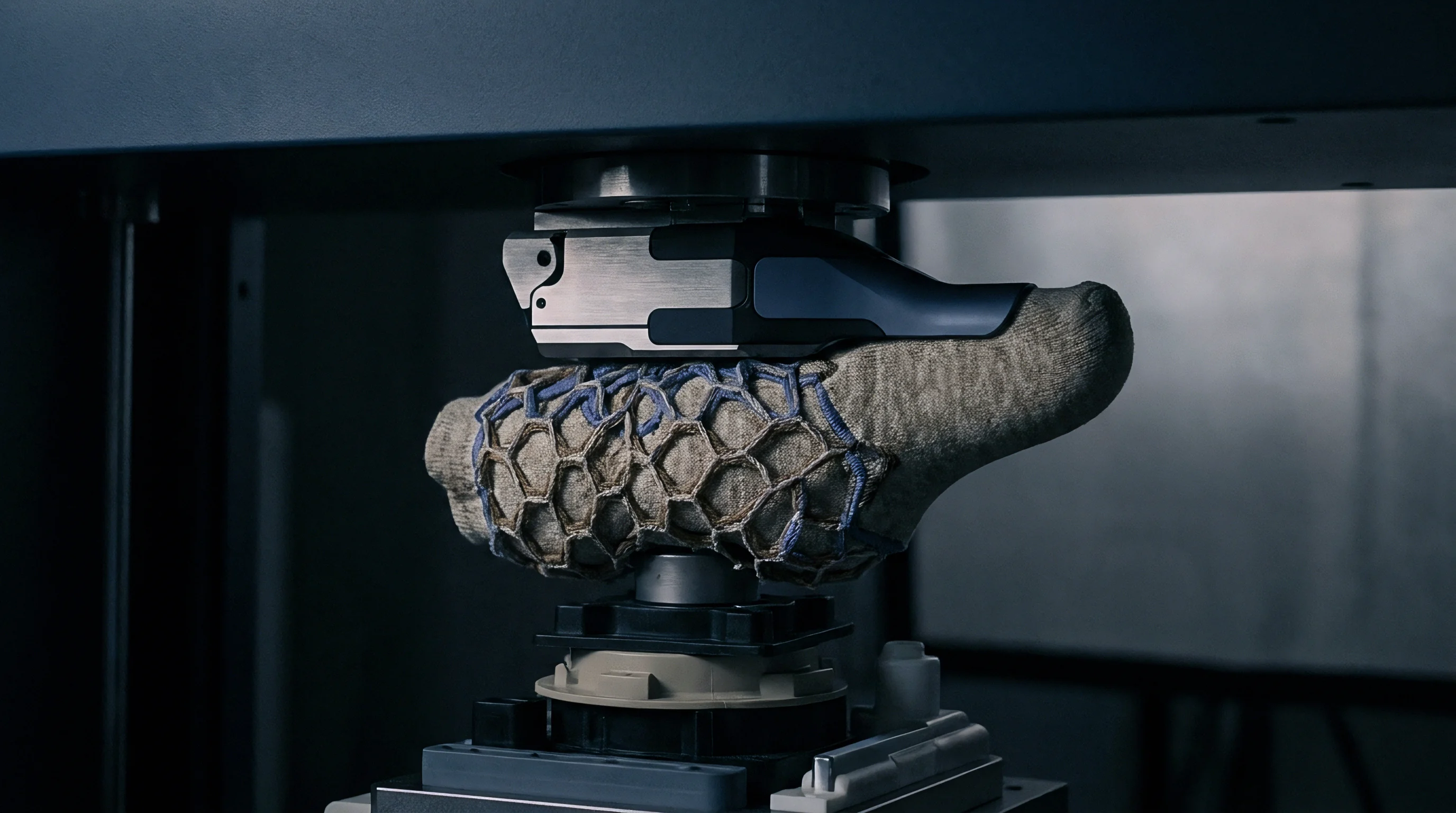
What Chemical Leaching Occurs during Soxhlet Pretreatment?
Standard petroleum ether washing removes hydrophobic spin finishes at reflux temperatures of sixty degrees Celsius. Low-boiling hydrocarbon solvents dissolve paraffinic waxes and mineral oils without attacking synthetic polymer backbones. In mechanically recycled synthetic goods, the polymer contains low molecular weight plasticizers and thermal processing aids added during re-pelletizing.
Acetone removes surface spin finishes. Prolonged extraction in polar organic solvents leaches these internal processing aids, causing up to two percent mass loss prior to the main chemical dissolution stage. ISO 1833-1 mandates an initial extraction with light petroleum followed by water washing.
When processing waste textiles containing polyether-based polyurethane elastane, petroleum ether fails to extract crosslinked surface glues, while hot water washes leach water-soluble oligomers from degraded nylon fractions.
Thermal history alters solvent absorption rates. Water washing at one hundred degrees Celsius causes hydrolytic chain scission in severely degraded polyamide yarns, solubilizing oligomeric fractions that should remain in the test specimen. Cold methanol washes extract unreacted caprolactam.
When a laboratory skips precise temperature control during the pretreatment stage, the base dry weight of the composite specimen shifts unpredictably. The gravimetric error cascades through subsequent dissolution steps, compounding the inaccuracy of the final classification report.
Unextracted spin finishes register as dissolved synthetic mass, skewing every downstream gravimetric ratio.

Solvent Selectivity in Multi Component Waste
Post-consumer apparel collections contain complex combinations of polyester, polyamide, elastane, and modified acrylics. In a composite yarn containing sixty percent recycled polyethylene terephthalate, thirty percent recycled polyamide 6,6, and ten percent elastane, selecting a single solvent sequence becomes difficult. Formic acid dissolves polyamide completely.
Dimethylformamide removes elastane at ninety degrees Celsius. If the elastane component underwent thermal crosslinking during post-consumer laundering and tumble drying, dimethylformamide fails to dissolve the polyurethane core completely, leaving swollen elastomeric fragments on the filtering apparatus.
The sequence of solvent application governs analytical precision. Dissolving polyamide with formic acid prior to removing elastane exposes the polyurethane network to concentrated acid, inducing urethane linkage hydrolysis and premature degradation. Applying cyclohexanone or dimethylformamide first swells adjacent polyester filaments, trapping dissolved polyurethane chains within the PET amorphous zones.
Re-precipitation of extracted polymers occurs within the specimen matrix when solvent washing between successive digestion steps lacks sufficient volume or thermal control. Analytical success requires establishing specialized solvent cascades tailored to the thermal pre-history of the recycled composite.
- Thermal History Degradation shifts intrinsic viscosity down to ranges where secondary solvents dissolve structural filament walls rather than surface coatings alone.
- Finishing Crosslinker Encapsulation shields target fibers from reagent contact, terminating the dissolution reaction before the polymer dissolves entirely.
- Additive Leaching Overlap strips internal plasticizers during initial petroleum ether washes, recording additive depletion as lost base fiber weight.
- Oligomeric Re-precipitation occurs during room-temperature rinsing cycles, redepositing dissolved polymer fragments onto the insoluble residue surface.
The processing plant insisted that standard gravimetric variations fall within acceptable commercial moisture tolerance bands without acknowledging systematic chemical leaching.


Mesh
Sintered glass filtration units provide the physical barrier separating dissolved polymer solutions from the remaining solid fibers. ISO 1833 specifies Gooch-type crucible filters fitted with fritted glass disks of porosity grade 1 or grade 2. Porosity grade 1 features nominal pore diameters between one hundred and one hundred and sixty micrometers, whereas porosity grade 2 restricts openings to forty to one hundred micrometers.
In virgin filament analysis, coarse porosity grade 1 crucibles allow viscous polymer solutions to drain rapidly under light suction while retaining long textile fibers. Recycled synthetic materials break down into fine fibrils, microscopic flakes, and low-tenacity staple fragments during mechanical garnetting and chemical dissolution. These microscopic fragments pass through grade 1 frits, producing negative mass errors on the remaining residue.

Crucible Porosity and Gel Fraction Passage
International test methods specify Gooch receptacles with sintered glass disks calibrated between forty and one hundred micrometers. Porosity grade 2 filters prevent the loss of fine fiber fibrils but introduce severe flow resistance when filtering concentrated acid liquors. Concentrated seventy-five percent sulfuric acid exhibits dynamic viscosity exceeding twenty-five centipoise at room temperature.
Sintered glass filters clog at three bars. When filtering degraded cotton-polyester blends, cellulose hydrolysates form a viscous slurry that blinds the crucible surface within seconds. Laboratory technicians frequently increase vacuum suction to force filtration, drawing degraded polyester micro-fibrils directly through the glass frit pores.
The dried specimen weighs two grams. Sintered glass crucibles retain dissolved polymer residues within internal pores. After filtering dissolved nylon in formic acid, standard water rinses fail to clear polymer chains trapped inside internal channels.
During subsequent drying cycles, these residual polymer chains bake onto the glass structure. The tare weight increases by four milligrams. This persistent contamination invalidates subsequent weighings unless the crucible undergoes rigorous calcination or chromic acid cleaning between test cycles.
| Crucible Grade | Pore Size Range | Target Polymer Phase | Filtration Rate | Fibril Passage Loss | Pore Blinding Risk |
|---|---|---|---|---|---|
| Porosity Grade 1 | 100 to 160 µm | Recycled PET coarse staple | 120 mL/min | 2.4% mass lost to liquor | Low |
| Porosity Grade 2 | 40 to 100 µm | Degraded PA6,6 micro-staple | 35 mL/min | 0.3% mass lost to liquor | Moderate |
| Porosity Grade 3 | 16 to 40 µm | Cellulose / PET hydrolysate | 8 mL/min | 0.0% mass lost to liquor | Severe |
| Porosity Grade 2 (Silanized) | 40 to 100 µm | Polyurethane gel mixtures | 45 mL/min | 0.1% mass lost to liquor | Low |
| Data gathered under controlled laboratory suction at 0.5 bar vacuum pressure using standardized 2.0 gram specimen masses. | |||||

Tare Stability under Acid Desiccation Cycles
Constant dry weight measurements require rigorous cooling under activated silica gel inside sealed glass desiccators. Sintered glass disks possess massive internal surface areas that adsorb atmospheric water vapor rapidly upon removal from drying ovens. Borosilicate glass exposed to hot concentrated sulfuric acid undergoes surface leaching, losing trace sodium and boron ions over repeated test cycles.
This chemical erosion slowly decreases the base tare weight of the crucible over time. If a testing house records the crucible tare weight weekly rather than before each digestion cycle, the calculated mass of the dry residue displays an artificial positive bias.
Hygroscopic fiber residues compound tare instability. Undissolved recycled cotton fragments and low-crystallinity polyester residues absorb moisture within seconds during open balance transfers. Analytical balances enclosed in draft shields require rapid stabilization times below five seconds.
Using analytical balances without anti-static ionizing bars causes electrostatic attraction between the glass crucible and the balance housing, generating false readings of several milligrams. In a two-gram test specimen, a ten-milligram weighing error produces a half-percent error in the calculated blend ratio.
- Dry the sintered crucible at one hundred and five degrees Celsius for three hours before recording the initial tare mass.
- Extract non-fibrous matter using petroleum ether in a Soxhlet apparatus across sixteen complete siphoning cycles.
- Expose the prepared specimen to selective solvent inside a shaking water bath maintained within half a degree Celsius of the target temperature.
- Transfer the digestion slurry into the tared crucible under controlled vacuum not exceeding zero point five bar to avoid drawing fragments through pores.
- Wash the retained solid residue with room-temperature solvent, followed by boiling water rinses until litmus paper confirms neutral filtrate pH.
- Return the crucible and residue to the desiccation chamber for exactly two hours before conducting final analytical balance measurements.
Crucibles calibrated for virgin filaments lose analytical reliability when filtering reprocessed composite slurries.


Liquor
Selective dissolution requires exact control over acid concentration, digestion duration, and bath agitation. Minor variations in chemical purity alter polymer scission rates. Standard ISO 1833-11 calls for seventy-five percent sulfuric acid by mass, prepared by blending analytical grade acid with distilled water under strict cooling.
A concentration shift of only one percent radically shifts reaction kinetics. At seventy-six percent concentration, sulfuric acid begins hydrolyzing recycled polyethylene terephthalate backbones at room temperature. At seventy-four percent, the acid fails to dissolve degraded high-tenacity cellulosic fibers within the prescribed thirty-minute duration.
The testing house operates on narrow margins where small reagent preparation errors compromise audit classifications.
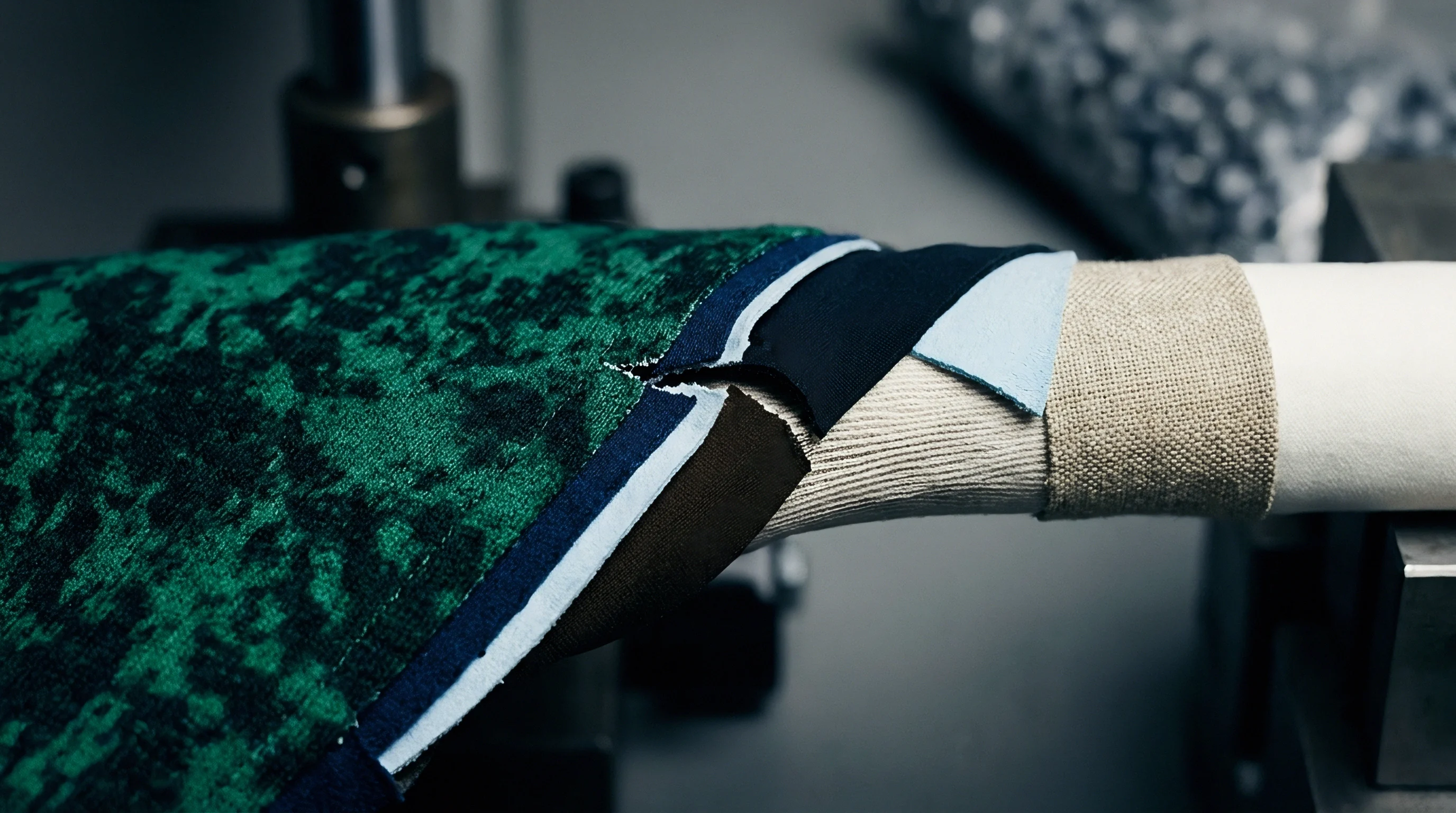
Where Do Insoluble Gels Distort Gravimetric Yields?
Crosslinked polyurethane elastomers swell into gelatinous cakes when exposed to hot dimethylformamide. In virgin yarns, linear elastane dissolves completely within twenty minutes at ninety degrees Celsius. In post-consumer recycled collections, elastomeric strands have undergone oxidative crosslinking from ultraviolet radiation, heat setting, and contact with chlorinated detergents.
These degraded networks form insoluble gels that retain their structural integrity. The laboratory rejects the test specimen. The gel particles absorb solvent and swell to four times their dry volume, clogging the crucible interface.
Cellulose degrades in concentrated sulfuric acid. Sulfuric acid chars residual cotton fragments. When the cellulosic component contains regenerated fibers from post-consumer waste, the presence of crosslinked durable press resin finishes prevents total dissolution.
Dimethyloldihydroxyethyleneurea finishes crosslink cellulose chains through stable ether linkages. These linkages resist acidic hydrolysis in seventy-five percent sulfuric acid, leaving insoluble carbohydrate shells behind. These unreacted shells remain on the filter disk, falsely inflating the recorded synthetic polyester mass.

Temperature Bounds in Acid Digestion Chambers
Seventy-five percent sulfuric acid reacts aggressively with cellulosic components at room thermal baselines. The reaction enthalpy of cellulose dissolution generates localized exotherms that elevate the internal flask temperature above thirty degrees Celsius unless external cooling is applied. Elevated temperatures accelerate the degradation of the supposedly insoluble polyester fraction.
For every five degrees Celsius increase above twenty-five degrees, recycled PET mass loss in sulfuric acid doubles, shifting the empirical d-factor from 1.01 to 1.04. The testing analyst must place digestion flasks in thermostatically controlled water baths maintained between twenty and twenty-two degrees Celsius with continuous mechanical shaking.
Low intrinsic viscosity accelerates polymer dissolution. In eighty percent formic acid digestions of recycled polyamide 6 blends according to ISO 1833-7, ambient temperature fluctuations between winter and summer conditions skew results if laboratories operate without strict climate control. At fifteen degrees Celsius, formic acid dissolves low-molecular-weight nylon sluggishly, requiring forty-five minutes rather than fifteen to reach complete dissolution.
Prolonged exposure causes surface etching and mass loss on the companion recycled polyester fibers. The analyst balances complete removal of the soluble polymer against chemical erosion of the insoluble core.
Applying a standard virgin d-factor of 1.01 to recycled nylon 6 in 80 percent formic acid misallocates 3.2 percent of total mass when intrinsic viscosity falls below 1.4 deciliters per gram.

Worked Gravimetric Adjustment on Degraded Polyamide
A commercial shipment of forty metric tons contains intimate staple fibers of mechanically recycled nylon 6 and virgin polyester. The commercial specification declares eighty-five percent polyester and fifteen percent nylon by weight. The customs tariff threshold under Chapter 55 separates materials containing eighty-five percent or more synthetic polyester staple fibers from lower-content mixtures.
An independent testing laboratory uses ISO 1833-7 to dissolve the polyamide phase with eighty percent formic acid, testing five two-gram specimens taken from representative bales across the lot.
The laboratory takes a dried clean specimen mass (m0) of exactly 2.0000 grams. After fifteen minutes of mechanical shaking in eighty percent formic acid at twenty degrees Celsius, the residue is collected on a porosity grade 2 sintered glass crucible, washed, dried, and conditioned. The dry residue mass (m1) records at 1.6600 grams.
Applying the standard virgin polyester correction factor (d) of 1.00 according to ISO 1833-7 yields the following mass calculation:
Calculated Polyester Percentage = (m1 d / m0) 100
Calculated Polyester Percentage = (1.6600 1.00 / 2.0000) 100 = 83.00%
Calculated Polyamide Percentage = 100 – 83.00 = 17.00%
This result places the polyester content below the critical eighty-five percent threshold. However, gel permeation chromatography confirms that the recycled polyester fiber in this specific lot carries an intrinsic viscosity of 0.52 dL/g. Empirical calibration shows that this degraded polyester sheds 2.6 percent of its mass during the formic acid digestion cycle, corresponding to an actual recycled d-factor of 1.0267.
Recalculating the specimen composition using this verified recycled correction factor yields:
Corrected Polyester Mass = 1.6600 1.0267 = 1.7043 grams
Corrected Polyester Percentage = (1.7043 / 2.0000) 100 = 85.22%
Corrected Polyamide Percentage = 100 – 85.22 = 14.78%
The corrected calculation shifts the composition back above the statutory eighty-five percent threshold. Failure to apply the degraded-polymer correction factor costs the importer twenty-four thousand dollars in differential duty and administrative fines. The audit outcome hinges on whether chemical dissolution models can distinguish between low-tenacity polymer fragments lost to dissolution and structural polymer loss occurring through genuine matrix absence.

Bias
Standard testing protocols assume pure polymer phases with predictable mass correction values. When recycled synthetic materials enter quantitative audits, this assumption introduces systematic bias that skews classification determinations. Resolving this bias requires establishing secondary verification mechanisms that decouple chemical mass loss from genuine blend composition.
Advanced testing facilities utilize dual-specimen baseline correction, round-robin inter-laboratory testing, and chromatographic or thermal confirmation to calibrate gravimetric dissolution tables.
Gel Permeation Verification of Residual Masses
Size-exclusion chromatography determines the exact molecular weight distribution of the undissolved solid material. By tracking changes in the polydispersity index and peak molecular weight before and after chemical dissolution, analysts confirm whether the solvent extracted companion polymer chains. When recycled polyester residues exhibit a truncated low-molecular-weight tail following acid digestion, chromatographic software confirms that selective dissolution eroded the base substrate.
Gel permeation chromatography isolates the mass loss attributable to degraded polyester leaching from genuine companion fiber dissolution.
Differential scanning calorimetry provides complementary verification of phase ratios. Measuring melting enthalpy values across distinct crystalline domains quantifies polymer ratios without wet chemical extraction. For an intimate mixture of recycled polyethylene terephthalate and polyamide 6,6, differential scanning calorimetry separates the melting endotherm of nylon 6,6 at two hundred and sixty degrees Celsius from the PET endotherm at two hundred and fifty degrees Celsius.
Integrating the respective peak areas against baseline calibration curves provides a direct thermal mass ratio. When gravimetric extraction returns an eighty-three percent polyester ratio while thermal analysis confirms eighty-six percent, the auditor identifies reagent-induced dissolution bias in the wet chemical method.
Contractual reliance on ISO 1833 without specifying thermal pre-history adjustments leaves customs declarations open to formal administrative challenge.
Dual Specimen Extraction Calibration Sequences
Parallel testing on twin samples isolates reagent attack from mechanical fiber shedding. The testing protocol assigns specimen A to selective chemical dissolution while specimen B undergoes identical agitation inside an inert control liquor of equivalent viscosity. Measuring the mechanical mass loss in the inert control liquor establishes the shedding factor caused by broken staple fragments passing through the crucible frit.
Subtracting this mechanical loss from the total mass reduction observed in the chemical extraction flask isolates true polymer dissolution.
Thermogravimetric analysis monitors high-temperature mass loss regimes under nitrogen atmospheres. Distinct synthetic polymers possess specific thermal decomposition profiles. Polyurethane degrades between two hundred and eighty and three hundred and eighty degrees Celsius, while polyester remains thermally stable until four hundred and ten degrees Celsius.
Thermogravimetric decomposition scans run directly on unextracted composite yarns establish baseline weight fractions without requiring hazardous organic solvents like dimethylformamide or cyclohexanone.
| Analytical Method | Underlying Mechanism | Calibration Standard | Analysis Time | Repeatability (r) | Gravimetric Error Risk |
|---|---|---|---|---|---|
| ISO 1833 Gravimetry | Selective acid/solvent dissolution | Empirical virgin d-factor | 4.5 hours | 1.2% absolute | High on degraded polymers |
| Size-Exclusion GPC | Hydrodynamic volume separation | Polystyrene standards | 2.0 hours | 0.4% absolute | Zero (determines mass profile) |
| Differential Calorimetry | Endothermic heat of fusion | Pure indium calibration | 1.0 hours | 0.8% absolute | Zero (measures solid phases) |
| Therogravimetric TGA | Thermal volatilization steps | Curie-point standards | 1.5 hours | 0.5% absolute | Zero (direct thermal mass) |
- Check Fiber Intrinsic Viscosity before selecting chemical extraction solvents to establish whether polymer chain degradation exceeds virgin stability limits.
- Conduct Control Liquor Agitation in non-solubilizing fluids to measure mechanical fibril shedding through sintered filter crucibles.
- Verify Blend Ratios Thermally using differential scanning calorimetry to validate disputed gravimetric borderline results.
- Inspect Crucible Porosity Standards using microscopic optical gauges to identify pore enlargement and surface glass erosion before testing.
Every commercial sales contract must include explicit clauses defining whether disputed blend determinations will be settled under standard gravimetric methods or arbitrated via chromatographic and thermal confirmation routines.


Customs
Border entry documents establish tariff classifications based on the chief weight of constituent fibers. Under the Harmonized Tariff Schedule, small percentage shifts across statutory boundaries trigger steep tariff changes. A textile composite containing predominantly synthetic staple fibers enters under Chapter 55, where duty rates vary based on whether polyester, nylon, or acrylic predominates by mass.
If a systematic dissolution error depresses the recorded polyester content from eighty-five point five percent down to eighty-three point zero percent, the goods shift from a single-component tariff line into a mixed-fiber classification carrying punitive duty rates or complex anti-dumping surveillance requirements.
Chief Weight Thresholds under Harmonized Headings
Chapter 55 of the Harmonized System separates synthetic staple fiber classifications at fifty percent and eighty-five percent margins. Under heading 5509, yarn containing eighty-five percent or more by weight of polyester staple fibers attracts a standard customs duty rate of eight percent ad valorem. If chemical dissolution errors record companion fibers at sixteen percent, the product falls under subheading 5509.53 as a mixed yarn containing less than eighty-five percent polyester, carrying duty rates up to twelve percent plus quotas depending on origin.
The customs office assesses back duties. Importers face retroactive tariff adjustments covering entire shipping seasons when national customs laboratories run uncorrected virgin dissolution protocols on recycled textile goods.
Classification disputes escalate when goods enter free trade agreement regimes that enforce strict rules of origin. Under preferential trade agreements, qualifying for tariff exemptions requires demonstrating regional value content or meeting tariff shift criteria based on predominant fiber weights. A synthetic yarn produced from recycled plastic waste qualifies for preferential entry only when origin documentation proves that the synthetic constituent was spun within the treaty territory.
If standard testing protocols overstate the presence of non-originating companion fibers by three percent, the entire shipment forfeits preferential status, subjecting the consignment to full most-favored-nation duty rates.

Landed Cost Exposure on Borderline Shipments
An auditing dispute shifts tariff treatment from a low ad valorem rate to a punitive duty bracket. Take a commercial purchase order covering one hundred metric tons of recycled composite yarn invoiced at four dollars and fifty cents per kilogram. The total customs entered value equals four hundred and fifty thousand dollars.
At a correct eighty-five percent polyester declaration, the standard entry duty at eight percent amounts to thirty-six thousand dollars. If customs authorities audit the shipment using standard ISO 1833 virgin d-factors, the reported polyester content drops to eighty-three percent. The customs officer reclassifies the cargo into a higher tariff bracket carrying a fourteen percent duty rate.
The revised duty assessment increases the border tax from thirty-six thousand dollars to sixty-three thousand dollars. The importer faces an immediate duty shortfall of twenty-seven thousand dollars. Customs authorities routinely apply administrative penalties equal to one hundred percent of the underpaid duty on misdeclared classifications.
The buyer reclaims forty thousand dollars. Demurrage charges accumulate at the port while referee laboratories retest retained swatches. Demurrage costs add four hundred dollars per container per day.
Over a forty-day audit dispute across four shipping containers, port storage fees reach sixty-four thousand dollars, completely eroding the commercial margin of the underlying sourcing program.
Sourcing directors managing cross-border transactions in recycled synthetic textiles incorporate analytical tolerance bands into purchase agreements and customs entry dossiers. Technical specifications require supplier mills to validate recycled synthetic d-factors on production lots prior to commercial dispatch. Customs broker dossiers include size-exclusion chromatography and differential scanning calorimetry baseline traces alongside standard gravimetric reports.
When border authorities query borderline synthetic percentages, presenting verified polymer degradation data, crucible porosity certifications, and corrected dissolution equations resolves systematic classification errors before administrative penalties attach.