Molecular Composition
Synthetic fibre derived from the ring opening polymerisation of caprolactam constitutes this thermoplastic material which provides high elongation at break and exceptional wear resistance. The molecular structure of polyamide 6 originates from a single monomer, creating a linear chain that differs from the two monomer structure of its counterpart. Polymerisation begins when water breaks the amide bond in the caprolactam ring, allowing the opening and subsequent linking of the molecules into long chains.
Manufacturers control the chain length through the concentration of water and the temperature applied during the reaction vessel stage. This process happens in a continuous or batch reactor where the reaction reaches an equilibrium state before the final extrusion into chips or strands. Crystallinity within the material depends heavily on the cooling rate after melt extrusion, as rapid quenching prevents the formation of large spherulites.
Operators monitor the intrinsic viscosity to ensure the degree of polymerisation meets the requirements for spinning operations or injection moulding tasks. Thermal stability remains a boundary condition for use, since the melting point near two hundred twenty degrees Celsius limits exposure during high heat textile finishing treatments.
Production Logic
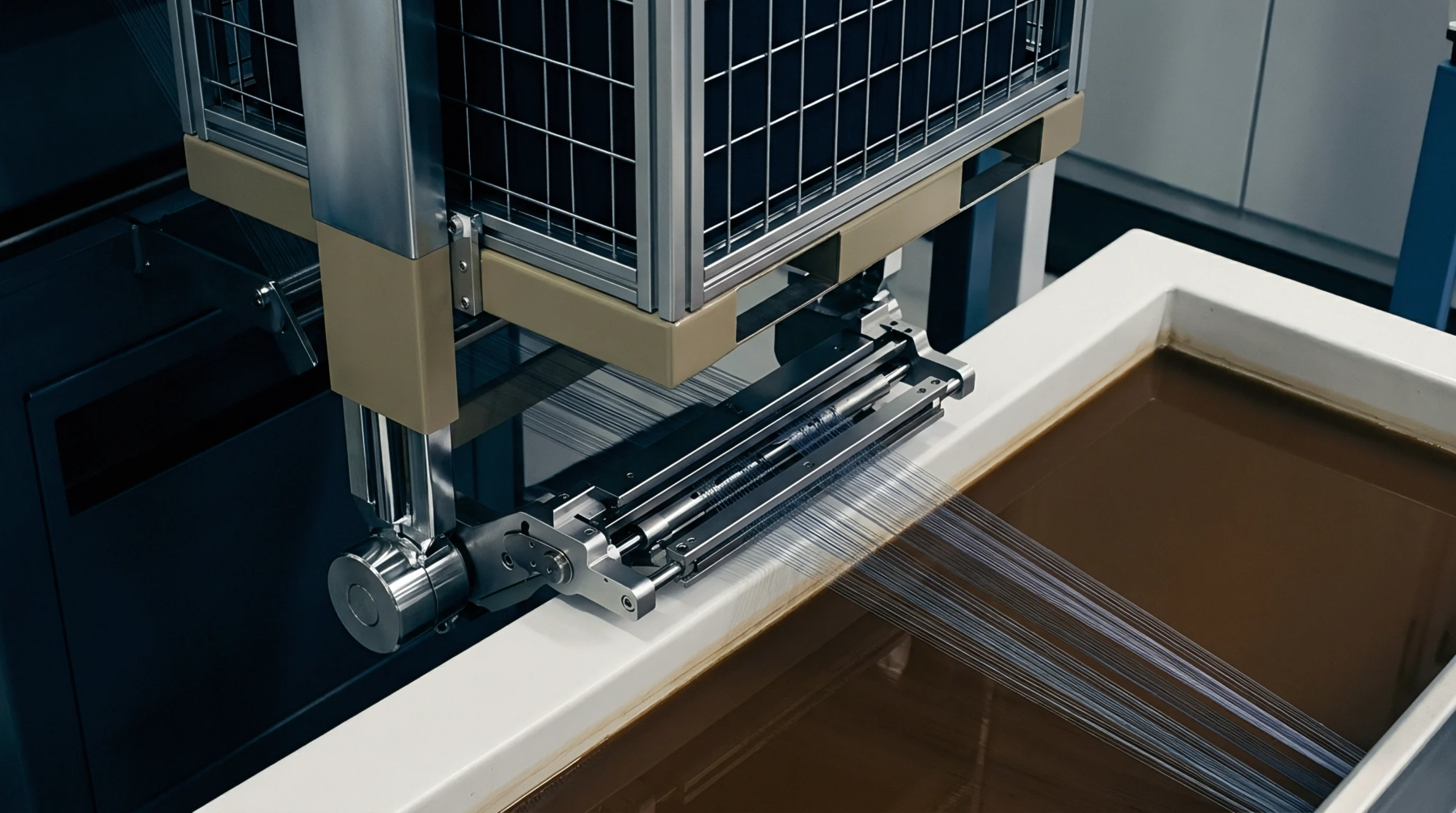
Downstream spinning machines transform these solid chips into continuous filaments through melt spinning, where heat forces the substance through fine capillaries. Air cooling solidifies the thin streams into individual fibres that undergo drawing to align the molecular chains along the fibre axis. This alignment dictates the tensile strength and the lustre of the resulting yarn.
Spin finish application occurs immediately after solidification to reduce static build up and manage friction during subsequent winding or twisting operations. High speed winding stations collect the yarn at velocities that prevent premature crystallisation, ensuring that the material retains enough ductility for downstream textile manufacturing steps like knitting or weaving.
Mechanical Specification
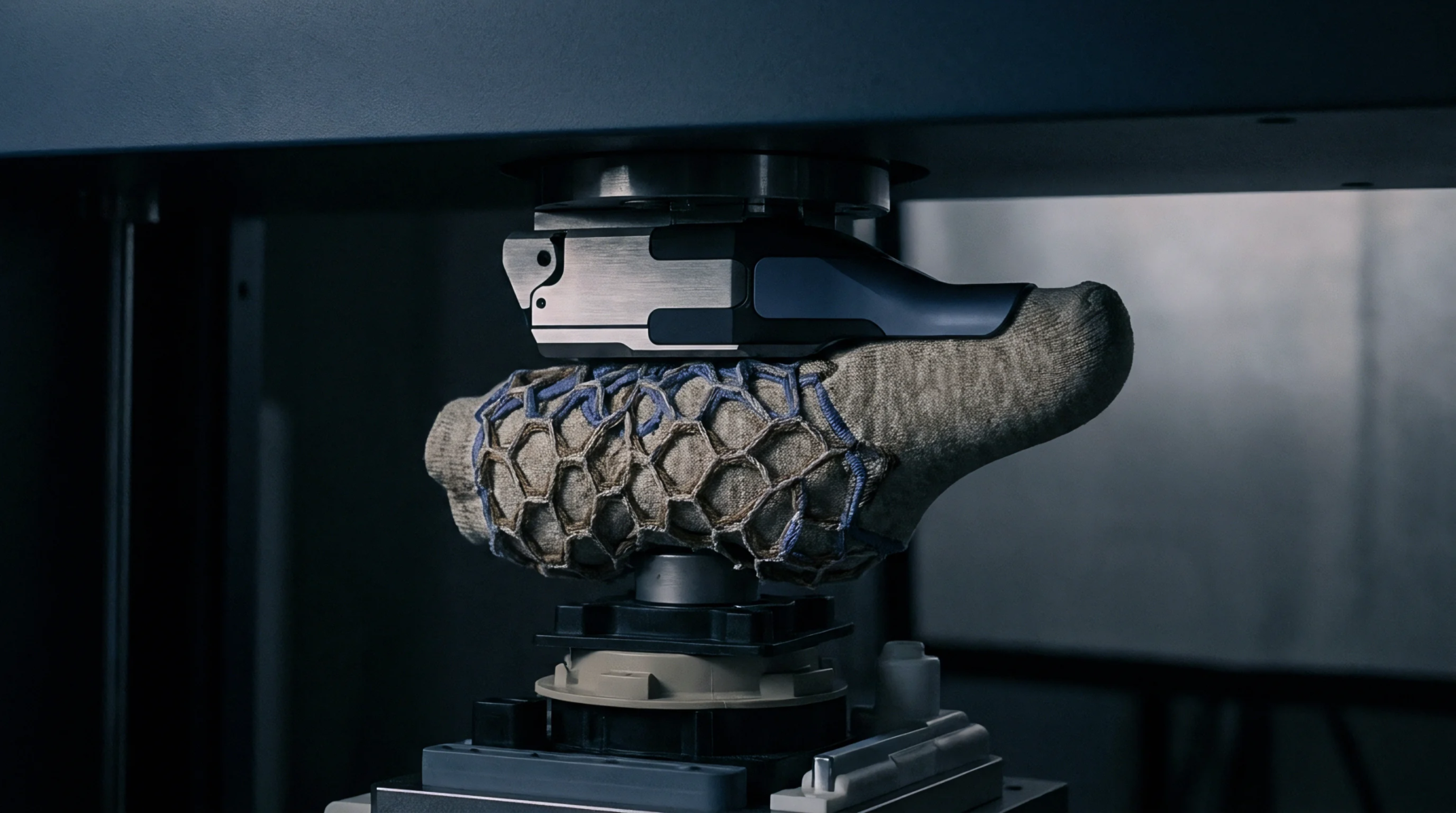
Fabric properties reflect the inherent moisture absorption characteristic of this synthetic fibre which stands higher than other common polymers. Water molecules occupy the spaces between amide groups, creating a plasticising effect that increases impact strength but reduces the modulus under humid conditions. Garment factories test the tenacity of incoming lots to verify that the polymerisation grade matches the intended end use, such as high endurance activewear or hosiery.
Abrasion resistance exceeds that of polyester, granting longer service life in applications subject to constant friction against hard surfaces.
Verification Protocol
Quality control laboratories confirm the identification of this substance through differential scanning calorimetry which shows a specific melting endotherm. Solvent solubility tests in formic acid verify the base material against other synthetic types that do not dissolve under the same conditions. Mill inspectors check the mass per unit length of dyed yarn to ensure that batch to batch variation stays within the allowable deviation.
Production staff record the shrinkage potential of the finished goods after washing cycles because the hydrophilic nature of the chains causes dimensional instability if heat setting parameters are poorly chosen during the dyeing phase. Precise moisture regain measurement serves as a proxy for identifying improper drying during the final board shaping of garments. Consistent control of the polymerisation degree provides the necessary uniformity for consistent dyeing affinity across entire production lots.