Chemical Reactant
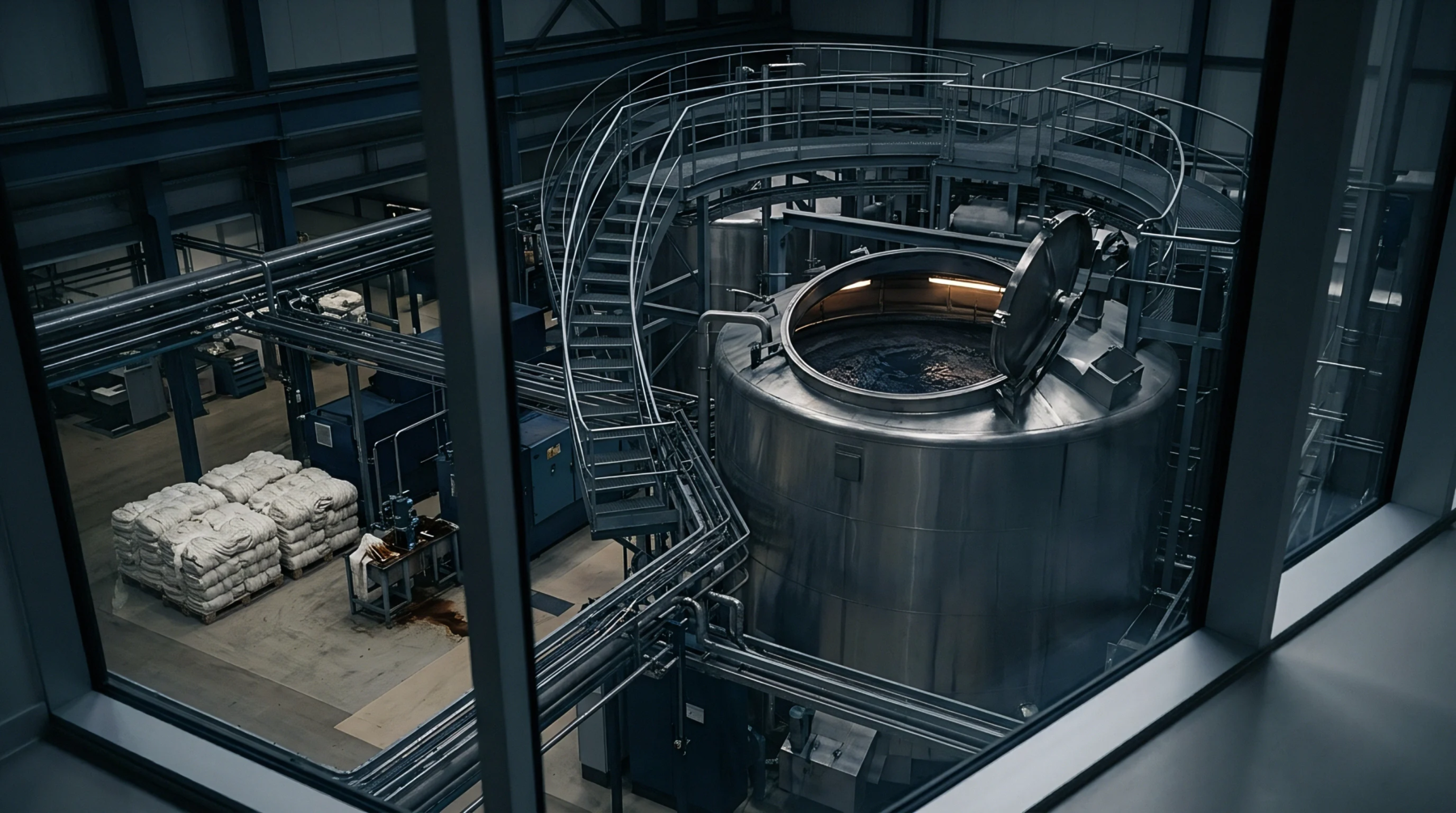
Mineral acid serves as the industrial foundation for carbonizing raw wool to eliminate cellulosic impurities like burrs and vegetable matter. Sulfuric acid functions through a concentrated bath immersion followed by heat treatment where the fibres remain unharmed but the contaminants undergo dehydration. This process requires precise control of concentration and temperature to prevent degradation of the protein structure in the sheep hair or fleece.
Careful titration is the only method to maintain the bath strength within the required parameters.
Bath Management
Textile facilities utilize this heavy liquid to adjust pH levels during the final stages of synthetic fibre dyeing and finishing. Sulfuric acid promotes the ionic bonding between acid dyes and the polyamide chains in nylon or protein fibres by protonating amino groups. Operators verify the efficacy of the bath by checking the solution density and the resultant exhaustion rate of the dye.
Proper disposal of the spent fluid requires neutralizing the acidity with alkaline compounds before any water discharge occurs.
Fiber Morphology
Damage occurs when the substance reacts with cellulose or wool under conditions of excess heat or inadequate dilution. Sulfuric acid degrades the molecular chains of natural fibres by breaking the glycosidic bonds in cotton or the disulphide bridges in wool if the exposure time exceeds calculated limits. Fibres weakened by chemical attack show significant reductions in tensile strength and an increased susceptibility to breakage during subsequent spinning or knitting cycles.
Lab technicians monitor these degradation patterns using scanning electron microscopy or simple solubility testing.
Analytical Constraint
Total control of the titration environment determines the viability of the treated material for high-grade garment production. Sulfuric acid provides the necessary environment for specific chemical transformations that other weaker acids cannot achieve. Excessive use of the material introduces a risk of permanent damage to the structural integrity of the fabric.
Chemical stability in the final textile product confirms the absence of residual acid from the manufacturing sequence.