Standard Headspace Gas Chromatography Solvent Extraction in Textile Coating Verification
Solvent extraction isolates total bound polar solvents, while headspace gas chromatography measures only volatile fractions in thermodynamic equilibrium.

Injection
Coating lines running polyurethane, acrylic backings, or synthetic leather formulations deposit solvent residues directly into the cured polymer web. An analytical report showing zero detectable dimethylformamide or toluene often reflects a sample preparation artifact rather than a clean lot. Laboratorians distinguish between whole-sample chemical extraction and headspace gas chromatography based on the physical state of the analyte at the moment of mechanical sampling.
Headspace gas chromatography samples the gas phase in thermodynamic equilibrium with the specimen inside a sealed, heated septum vial, whereas solvent extraction completely dissolves or leaches the polymer matrix into a liquid phase prior to direct liquid injection. When verifying chemical compliance under European Union REACH Annex XVII entry 72 or OEKO-TEX Standard 100 Class I through IV, selecting the wrong sample path produces false negatives that clear non-compliant production lots straight through port inspections.
Solvent extraction isolates non-volatile, semi-volatile, and strongly matrix-bound processing aids by swelling or dissolving the textile coating matrix entirely. Ultrasonic or Soxhlet extraction using methanol, tetrahydrofuran, or dichloromethane drags out high-boiling residues along with low-boiling industrial solvents. Direct liquid injection of these swollen polymer extracts introduces high-molecular-weight oligomers, plasticizers, and non-volatile polyurethane crosslinkers directly into the chromatographic inlet.
Column fouling occurs rapidly. Non-volatile solids deposit on the glass wool of the injection liner, creating active adsorption sites that degrade subsequent analytical resolution. Splitless injection liners accumulate non-volatile resin tars within twenty runs, skewing retention times and flattening detector sensitivity.
Headspace sampling circumvents the non-volatile contamination problem by restricting instrument intake exclusively to the gas phase. Solid coated textile specimens undergo direct incubation in hermetically sealed 20-milliliter borosilicate vials. Heating the vial drives volatile organic solvents out of the coated polyurethane or polyacrylate film into the enclosed vapor space until equilibrium establishes.
The automated autosampler draws an aliquot of this vapor phase via a heated gas-tight syringe, a balanced-pressure pneumatic system, or an inert loop system. The non-volatile polyurethane backbone, along with pigment binders and flame-retardant salts, stays behind inside the discarded glass vial. Chromatographic columns remain clear of heavy polymer build-up, and solvent peak integration proceeds without baseline drift from co-extracted coating resins.
A laboratory report confirming compliance by headspace gas chromatography verifies only the volatile fraction partitioning into the vapor space under specified equilibrium conditions.
Equilibrium distribution in static headspace gas chromatography depends entirely on the partition coefficient of each analyte between the condensed coated textile phase and the surrounding gas phase. Polar processing solvents such as N,N-dimethylformamide, N-methyl-2-pyrrolidone, and N,N-dimethylacetamide exhibit high boiling points and deep thermodynamic affinities for polar polyurethane chains. At incubation temperatures below 120 degrees Celsius, these target molecules remain largely locked within the solid matrix.
Dry textile specimens generate poor phase transfer rates for polar solvents, leading to dramatic under-reporting of true solvent content unless matrix modifiers or multiple headspace extraction sequences force complete volatilization. Relying on dry-vial static headspace methods for REACH Annex XVII verification of polar aprotic solvents leads directly to disputed customs declarations.
A supplier who submits a dry-vial headspace gas chromatography report for dimethylformamide content usually reports values below the reporting limit of ten milligrams per kilogram, despite the coating retaining four hundred milligrams per kilogram. The European standard method EN 17131 resolves this matrix entrapment by requiring liquid extraction with methanol under ultrasonication followed by direct liquid gas chromatography with mass spectrometry detection. When contracts fail to name the precise testing standard, mills submit the cheapest screening method available.
Headspace gas chromatography remains the gold standard for low-boiling volatile aromatic hydrocarbons such as benzene, toluene, and xylenes under DIN 53811 or VDA 277 protocols. Polar aprotic solvents, by contrast, demand either validated wet-matrix headspace techniques or exhaustive solvent extraction under EN 17131 to liberate the analyte from the cured polymer.
Vial

Phase Partitioning Dynamics inside Sealed Vessels
The thermodynamic equilibrium inside a closed headspace vial balances three primary physical variables: vial temperature, incubation time, and phase ratio. Analyte concentration in the gas phase relates directly to its total initial concentration in the coated textile specimen, scaled inversely by the partition coefficient and the volume ratio of the gas phase to the sample phase. When testing volatile aromatic hydrocarbons like toluene or ethylbenzene, dry textile specimens incubate at temperatures between 80 and 100 degrees Celsius for forty-five minutes.
These low-polarity, high-volatility compounds exhibit small partition coefficients, migrating readily across the polymer boundary into the headspace volume. Analytical reproducibility stays high across replicate specimens cut from the same coated production bolt.
Incubating polar solvents introduces severe physical constraints. Dimethylformamide boils at 153 degrees Celsius; N-methyl-2-pyrrolidone boils at 202 degrees Celsius. At standard static headspace incubation temperatures of 90 degrees Celsius, the partition coefficient overwhelmingly favors the polyurethane coating matrix.
Less than five percent of the total solvent mass crosses into the vapor space. Raising vial temperatures above 140 degrees Celsius in an effort to vaporize polar solvents increases internal vial pressure to dangerous levels and triggers thermal degradation of the textile base fabric. Polyester substrates, polyurethane membranes, and elastane yarns begin releasing thermal breakdown products, including aldehydes, cyclic ethers, and amine fragments.
These pyrolysis fragments co-elute with target residual solvents, confounding mass spectrometer identification and inflating false positive readings for regulated substances.
| Test Method | Analyte Scope | Sample State | Incubation Or Extraction | Instrument Configuration | Reporting Limit |
|---|---|---|---|---|---|
| EN 17131 | DMFa, DMAC, NMP | Solid textile, 1.0 g | Methanol, 70 °C, 60 min ultrasound | GC-MS, liquid injection | 5.0 to 10.0 mg/kg |
| VDA 277 | Total VOCs, Toluene, Acetone | Solid textile, 2.0 g | Dry vial, 120 °C, 300 min equilibrium | HS-GC-FID | 1.0 mg/kg |
| ISO 20536 | DMFa in PU Synthetic Leather | Ground polymer, 0.5 g | Methanol ultrasonic extraction | GC-MS, liquid injection | 10.0 mg/kg |
| DIN 53811 | Low-boiling solvents (BTEX) | Cut swatch, 1.0 g | Dry vial, 90 °C, 60 min equilibrium | HS-GC-MS | 0.5 to 2.0 mg/kg |
| Modified MHE | DMFa, Solvent blends | Cut swatch + high-boiling matrix | Successive pressurization, 130 °C | HS-GC-MS, automated loop | 5.0 mg/kg |
Matrix Modification and Multiple Headspace Extraction
To overcome matrix retention in dry vials, laboratories apply matrix modification by adding a high-boiling dispersion medium directly to the sample inside the headspace vial. Introducing two milliliters of high-purity dimethyl sulfoxide, benzyl alcohol, or tetraethylene glycol dimethyl ether dissolves the coated polymer film without contributing volatile background noise. Dissolution breaks the internal polyurethane hydrogen bonding, converting a diffusion-limited solid-phase mass transfer into a rapid liquid-gas equilibrium.
Volatile and semi-volatile analytes flash into the headspace at significantly lower incubation temperatures, yielding clean chromatographic peaks and lowering method detection limits below five milligrams per kilogram.
Multiple headspace extraction offers a mechanical alternative to matrix dissolution when polymer dissolution proves chemically impossible. Multiple headspace extraction treats the sealed vial like a dynamic extraction column operated in discrete cycles. The autosampler heats the vial to equilibrium, pressurizes the vessel, vents a defined volume onto the gas chromatography column, and records the initial peak area.
The instrument re-equilibrates the identical vial, takes a second pneumatic sample, and repeats the process through four to six successive cycles. Plotting the natural logarithm of peak areas against cycle numbers produces a linear decay slope. Mathematical extrapolation yields the total analyte mass initially contained in the specimen, bypassing the need for a known partition coefficient.
Multiple headspace extraction requires expensive instrument run times, often consuming three hours per single injection vial.
A contract clause specifying residual solvent testing without naming the physical extraction method allows testing facilities to substitute dry static headspace screening for destructive extraction.
Sample preparation procedures govern analytical success. Laboratories cut coated fabrics into uniform squares measuring five millimeters by five millimeters. Analysts weigh specimens to four decimal places on calibrated analytical balances, placing precisely 1.0000 gram into each 20-milliliter vial.
Using excessive specimen mass reduces the available headspace volume, distorting the phase ratio and leading to early vial saturation. Conversely, testing swatches cut in oversized single strips restricts surface area, creating severe diffusion bottlenecks that leave residual solvents trapped in the core of the cured polymer skin.
Crimp caps lined with polytetrafluoroethylene and butyl rubber septa must seal each vessel hermetically against gas escape. Analysts crimp vials with calibrated pneumatic crimpers, verifying that the aluminum cap cannot rotate by finger pressure. Defective crimps or reused septum caps leak pressurized vapor during oven incubation, venting the most volatile target analytes straight into the laboratory extraction hood.
The subsequent chromatogram shows an artificial absence of solvent peaks, and the laboratory signs off on an unearned clean pass report.
Chromatogram

Separation Mechanics on Capillary Stationary Phases
Once the vapor or liquid sample enters the gas chromatograph, chemical separation occurs inside a fused silica capillary column. The choice of stationary phase dictates whether critical solvent pairs resolve cleanly or co-elute into unquantifiable overlapping humps. Polyethylene glycol phases provide strong retention and high selectivity for polar coating solvents such as dimethylformamide, dimethylacetamide, and lingering glycol ethers.
Mid-polarity bonded phases consisting of six percent cyanopropylphenyl and ninety-four percent dimethylpolysiloxane offer the optimal balance for simultaneous screening of aromatic hydrocarbons, industrial acetates, ketones, and polar aprotic compounds.
Split injection ratios regulate analyte loading onto the column. Liquid extracts from solvent extraction protocols run split ratios between 1:10 and 1:50 to prevent detector saturation and peak tailing. Headspace loops introduce gaseous samples at split ratios from 1:5 to 1:20.
The carrier gas, typically high-purity helium or hydrogen at linear velocities between thirty and forty centimeters per second, carries the solvent cloud through the temperature-programmed oven. Initial oven temperatures hold at 40 degrees Celsius for five minutes to focus highly volatile compounds like acetone, dichloromethane, and ethyl acetate at the head of the column. The oven ramps at ten degrees Celsius per minute to 240 degrees Celsius, eluting high-boiling polar aprotic solvents cleanly before column bleed interferes with quantitation.
Detector Linearity and Mass Spectral Identification
Textile testing protocols deploy two primary detector technologies: flame ionization detectors and mass spectrometers. Flame ionization detection measures organic ions generated by burning eluting analytes in a hydrogen-air flame. Flame ionization provides linear dynamic response ranges across five orders of magnitude, making it suitable for quantifying major volatile organic compound releases under industrial automotive standards like VDA 277.
The detector responds universally to oxidizable carbon atoms, but it cannot differentiate compounds that co-elute at identical retention times.
Mass spectrometry operating in electron ionization mode at seventy electron volts provides unambiguous confirmation of chemical identity. Residual solvent analysis requires tracking both the total ion chromatogram and specific extracted quantification ions. Analysts use selected ion monitoring to achieve picogram-level sensitivity on trace contaminants while filtering out baseline noise from textile finishing lubricants.
Verifying dimethylformamide relies on tracking the quantitative target ion at mass-to-charge ratio seventy-three, confirmed by secondary qualifier ions at forty-four and twenty-eight. A sample showing an apparent chromatographic peak at the retention time of dimethylformamide fails confirmation if the ratio of ion forty-four to ion seventy-three deviates by more than twenty percent from the calibrated reference standard.
- Internal standard addition corrects for physical sample loss, vial leakage, and detector sensitivity variations across prolonged analytical sequences. Deuterated internal standards, such as deuterated dimethylformamide or deuterated toluene, possess identical thermodynamic partitioning behavior while separating cleanly by mass-to-charge identity.
- Five-point calibration curves span concentration ranges from five milligrams per kilogram to five hundred milligrams per kilogram. Linear regression coefficients must exceed 0.995 to ensure accuracy across low-level regulatory thresholds and heavily contaminated industrial coatings alike.
- Blank matrix subtraction verifies that wash solvents, vial septa, and column coatings contribute zero false background response. Reagent blanks and sealed empty vials run every ten injections to prove system cleanliness.
- Matrix spike recovery testing assesses extraction efficiency on actual production substrates. Spiking known solvent masses directly onto coated textiles reveals chemical suppression effects caused by hydrophobic polymer binders. Recovery rates between eighty and one hundred twenty percent confirm test validity.
Quantitation disputes frequently stem from failure to calibrate against identical matrix conditions. Calibrating an instrument with neat liquid solvent standards injected directly into the gas stream while measuring samples via headspace extraction introduces enormous systematic calculation errors. Gas-phase calibration requires preparing reference standards in identical vials containing analyte-free textile substrates and identical quantities of matrix modifying solvents.
Without matrix-matched calibration standards, calculated residual solvent figures deviate from true values by up to three hundred percent.
Column bleed from degraded stationary phases presents a distinct failure mode during thermal ramping. When capillary columns encounter trace oxygen at temperatures exceeding 200 degrees Celsius, stationary siloxane chains depolymerize into volatile cyclic siloxane oligomers. Mass spectrometers register recurring background ions at mass-to-charge ratios 207, 281, and 355.
These siloxane peaks obscure trace quantitation of high-boiling industrial solvents and distort spectral matching algorithms in automated screening libraries.
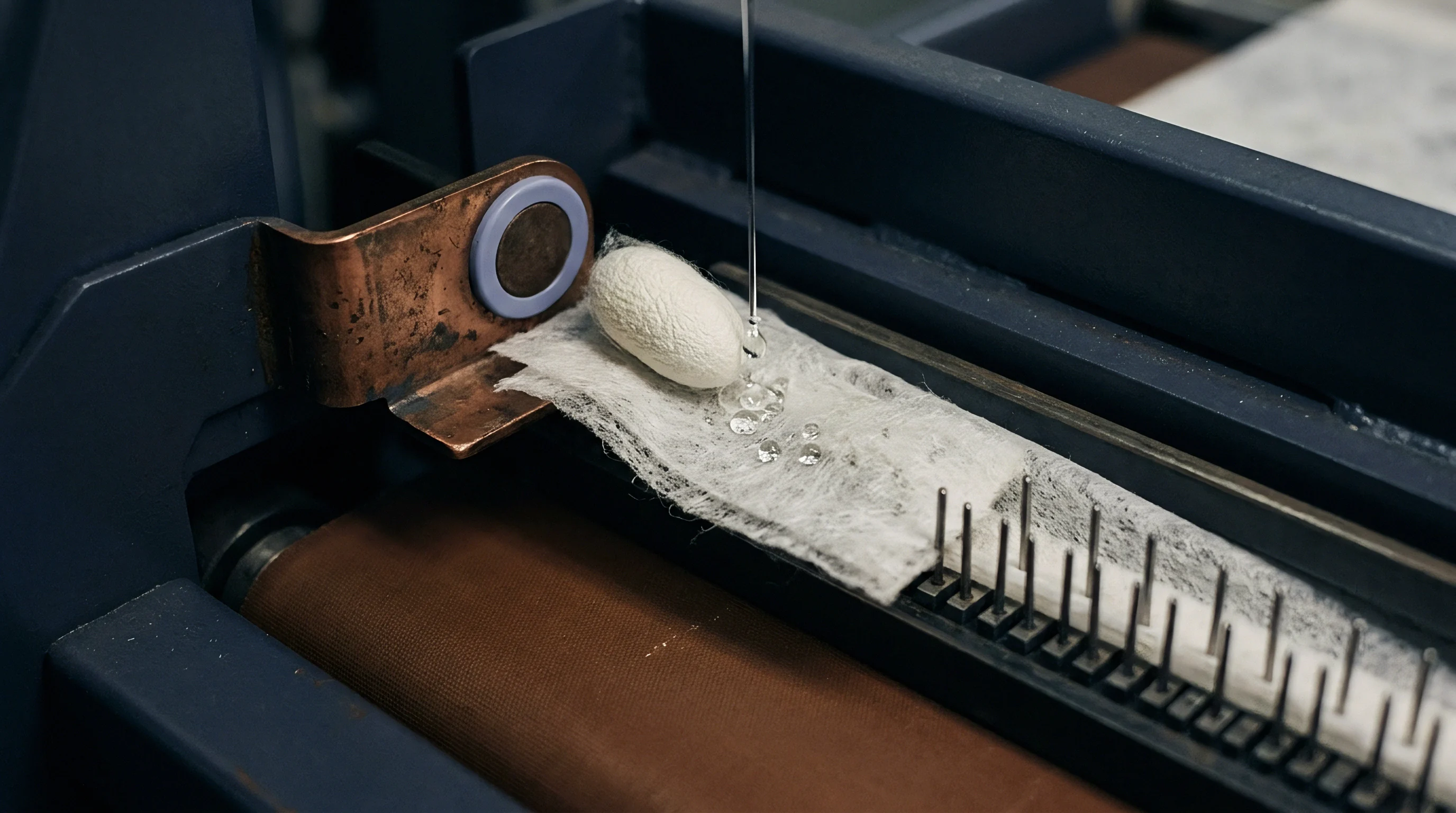
Dispute

Standard Divergence between EN 17131 and Headspace Screening
A persistent point of friction between textile coating mills and European chemical compliance officers concerns the choice of reference standards. Mills certifying coated fabrics or polyurethane synthetic leathers prefer automotive volatile organic compound standards like VDA 277 or general headspace screening via DIN 53811. These methods record volatile off-gassing into a dry chamber.
Because dry heating leaves polar solvents bonded inside the polyurethane lattice, the mill obtains a test report indicating dimethylformamide levels well below twenty milligrams per kilogram. The European brand testing the exact same production lot specifies EN 17131, which mandates exhaustive liquid extraction using methanol under prolonged ultrasonication.
EN 17131 breaks the polymer structure by solvent swelling, stripping all polar aprotic solvents out of the coated fabric web. When methanol extracts are concentrated and injected via liquid gas chromatography-mass spectrometry, the resulting chromatogram reveals dimethylformamide concentrations reaching five hundred to eight hundred milligrams per kilogram. Both laboratories executed their respective test standards with rigorous technical accuracy.
Both reports carry accredited laboratory stamps. Yet one test report demonstrates full compliance with European consumer safety benchmarks, while the other triggers immediate notification under REACH Annex XVII entry 72, which imposes a strict legal limit of five hundred milligrams per kilogram for dimethylformamide in textiles and coated fabrics.
A dry headspace test report cannot defend a shipment against customs detention when border surveillance laboratories retest the lot using solvent extraction under EN 17131.
Under REACH Annex XVII, the statutory restriction targets the absolute chemical mass present within the finished article, not the quantity of volatile vapor that escapes into a headspace vial under ambient conditions. Regulatory authorities enforce product recalls based on total solvent content because prolonged skin contact, sweating, and abrasion liberate trapped solvents from polymer films over the garment lifecycle. Importers relying on mill-supplied dry headspace certificates find their traceability files legally defenseless during European market surveillance audits.
Automotive interior specifications introduce further procedural confusion by requiring both metrics simultaneously. Automotive original equipment manufacturers demand low total solvent content to protect workers during cut-and-sew operations, while also imposing strict interior fogging and off-gassing limits under VDA 278 to prevent windscreen haze and cabin odor. A coated fabric lot can pass total solvent content requirements under EN 17131 by undergoing intense oven degassing, yet fail cabin headspace criteria if residual release agents, biocides, or low-boiling coalescing solvents continue to outgas from the core of the backing foam.

Worked Calculation of Solvent Residual Exposure
Assessing commercial liability requires concrete mathematical calculations based on realistic production assumptions. Consider a purchase contract covering 20,000 meters of polyurethane-coated waterproof fabric for outdoor apparel, weighing 250 grams per square meter. Total shipped fabric mass equals 5,000 kilograms.
The technical specification cites compliance with REACH Annex XVII entry 72, stipulating a dimethylformamide threshold not to exceed 500 milligrams per kilogram. The supplier conducts an in-house dry-vial headspace gas chromatography test, recording an apparent dimethylformamide level of 80 milligrams per kilogram. The shipment leaves the factory gate.
Upon arrival at a European Union port of entry, customs authorities select random production bolts and submit swatches to an accredited laboratory for verification under EN 17131 methanol extraction. The solvent extraction protocol yields an actual dimethylformamide concentration of 750 milligrams per kilogram. The lot fails legal compliance by 250 milligrams per kilogram.
The 5,000-kilogram consignment contains 3.75 kilograms of restricted solvent rather than the 2.50 kilograms permitted under statutory thresholds. The customs authority enters an immediate border detention, logging the incident into the Safety Gate rapid alert system.
Financial liability cascades directly to the importer of record. Demurrage and port storage fees accumulate at an average of 180 euros per day per container. Retesting fees to run official appeal dossiers through third-party reference laboratories cost between 1,200 and 2,500 euros per composite sample, with multiple colourways requiring separate extraction runs.
Customs authorities order either certified destruction of the entire shipment at a hazardous waste incineration facility, costing approximately 1.50 euros per kilogram including sealed transport, or mandatory re-export to the country of origin at full freight cost. Total unrecoverable landed losses routinely exceed forty-five thousand euros on a single container, excluding contractual delay penalties imposed by retail customers whose seasonal cutting schedules collapse.


Sampling
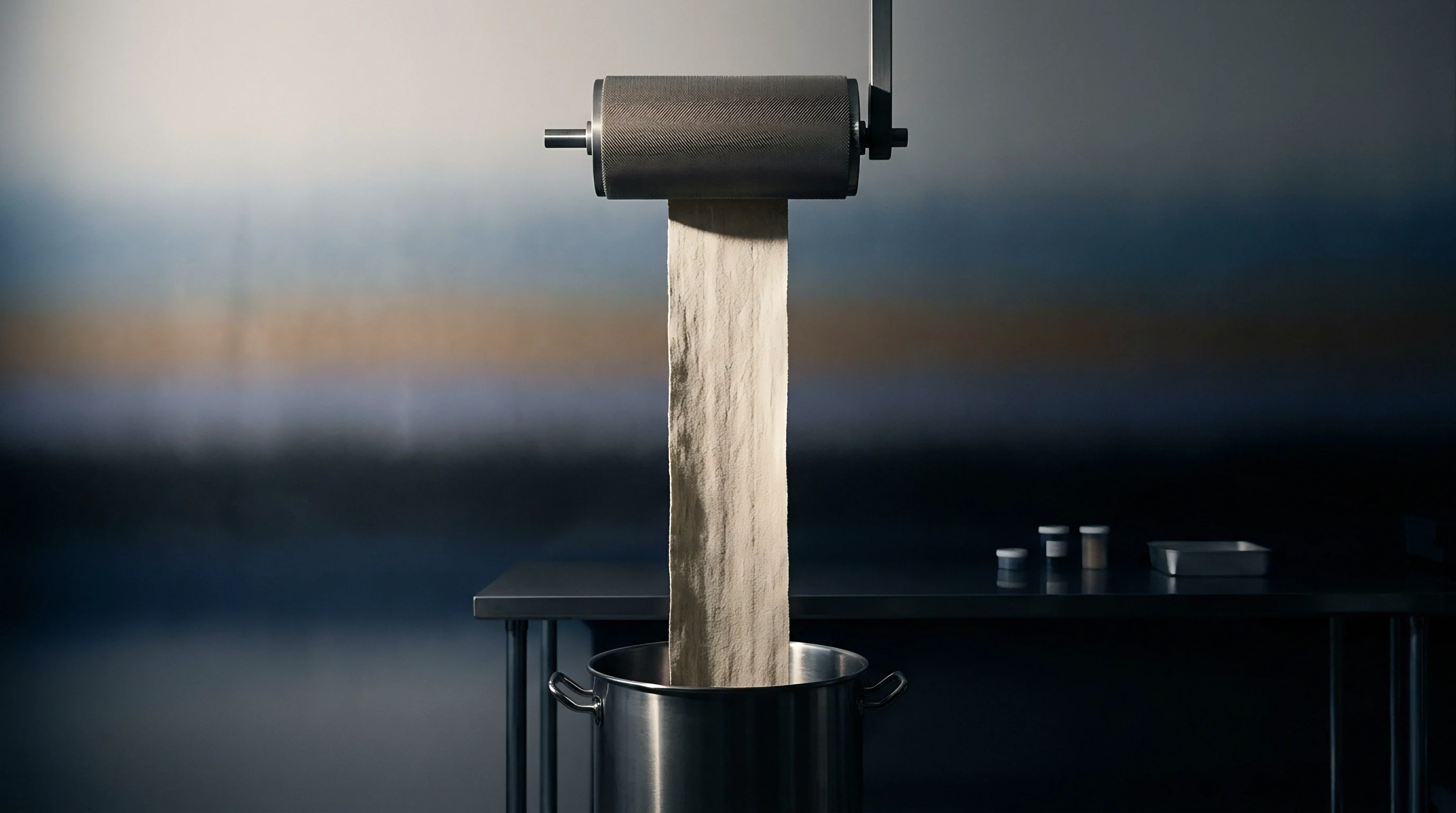
Middle Bolt Swatching and Cross Web Stratification
Unequal solvent distribution across production rolls accounts for massive testing discrepancies between mills and brand auditors. Coated textiles cure inside continuous industrial ovens spanning lengths of thirty to one hundred meters. Hot air circulation, exhaust extraction velocity, and heating zone efficiency vary continuously across the chamber width.
Furthermore, oven drying rates differ between the edges of the tenter frame and the center of the web. Coated fabric edges cool faster and vent solvents more freely, while the dense center of the moving web retains higher residual solvent concentrations. Selecting test specimens exclusively from the edge or the outermost wrapper of a fabric roll generates unrepresentative analytical data.
Sampling protocols for residual solvent verification reject surface cuts taken from the outer wrap of a master roll. During storage and ocean transit, volatile solvents continuously evaporate from the exterior layers of a tightly rolled textile, diffusing through breathable polywrap into warehouse air. A swatch excised from the outermost lap yields artificially depressed volatile readings.
Verifiers cut test swatches exclusively after unrolling and discarding the first three full meters of textile material. Field inspectors take swatches across the full usable width: one cut fifteen centimeters from the left selvedge, one cut precisely in the center of the web, and one cut fifteen centimeters from the right selvedge.
- Cross-web composite preparation balances localized coating thickness variations. Coating knife deflection and uneven doctor blade pressure cause thickness fluctuations of five to twenty micrometers across wide production lines. Analysts record separate chromatograms for center and edge cuts, or homogenize equal portions into a single composite sample to determine the true mean lot concentration.
- Specimen sealing protocols prevent volatile loss between factory extraction and laboratory testing. Samples cut on the mill floor must be sealed immediately into airtight, multi-layer aluminum-barrier foil bags using mechanical heat-seal jaws. Standard polyethylene zip-top bags permit volatile aromatic hydrocarbons to diffuse through the thin plastic film within twenty-four hours, voiding sample integrity.
- Sample transport temperature regulation protects heat-sensitive volatiles during transit. Sealed barrier bags require transport in dark, temperature-controlled containers maintained below twenty-five degrees Celsius. Storing sample bags inside heated logistics hubs or near uninsulated truck roofs accelerates premature volatilization, leaving residual solvents pressurized within the packaging rather than trapped inside the textile coating.
- Cryogenic milling techniques homogenize thick polymer coatings without generating frictional heat. Laboratories freeze samples in liquid nitrogen at minus 196 degrees Celsius before grinding them into fine, uniform powders. Grinding at ambient room temperature warms the polymer, driving off the very volatile organic compounds the laboratory is tasked with quantifying.
The time elapsed between industrial coating line production and laboratory testing introduces significant data drift. A polyurethane fabric tested twelve hours post-curing exhibits volatile organic levels thirty to sixty percent higher than the same fabric tested after sixty days in ocean transit. Natural aging and environmental degassing deplete residual solvent stocks over time.
Technical purchase specifications specify the exact post-production testing window, typically requiring analytical swatches to be cut and hermetically sealed within forty-eight hours of final curing to establish legally binding baseline conformance.
Laboratory chains of custody must link sample bags directly to roll production records, coater run numbers, and batch lot tracking IDs. A test certificate reporting clean solvent extraction data holds zero legal validity if the report article code does not match the commercial invoice and bill of lading. Customs verification officers examine lot coding strings on incoming declarations, cross-referencing laboratory report identifiers against physical roll core labels.
Discrepancies between sample tracking tags and final container packing lists invalidate conformity dossiers instantly, leaving consignments stranded at the frontier.
An unresolved question concerns the degree to which laboratory cryo-milling of thick synthetic leather coatings alters the recovery of polar aprotic solvents compared to standard five-millimeter square manual cut swatches during ultrasonic solvent extraction.