Resolving Non Target Solvent Attack Dynamics in High Temperature Cellulosic Separations
Maintaining solvent moisture at 13.0 percent and temperatures below 108°C prevents non-target synthetic polymer breakdown during cellulosic extraction.
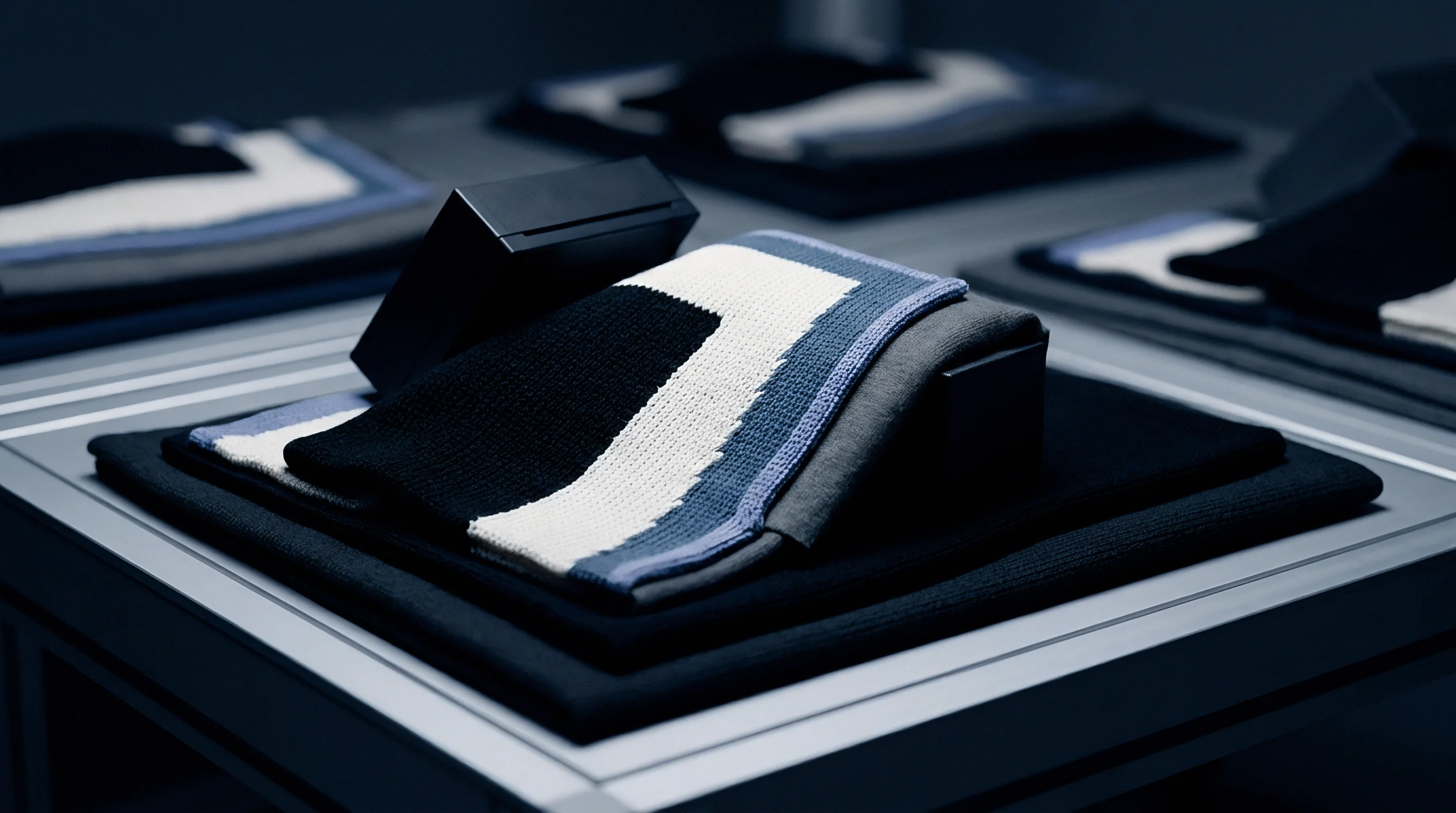
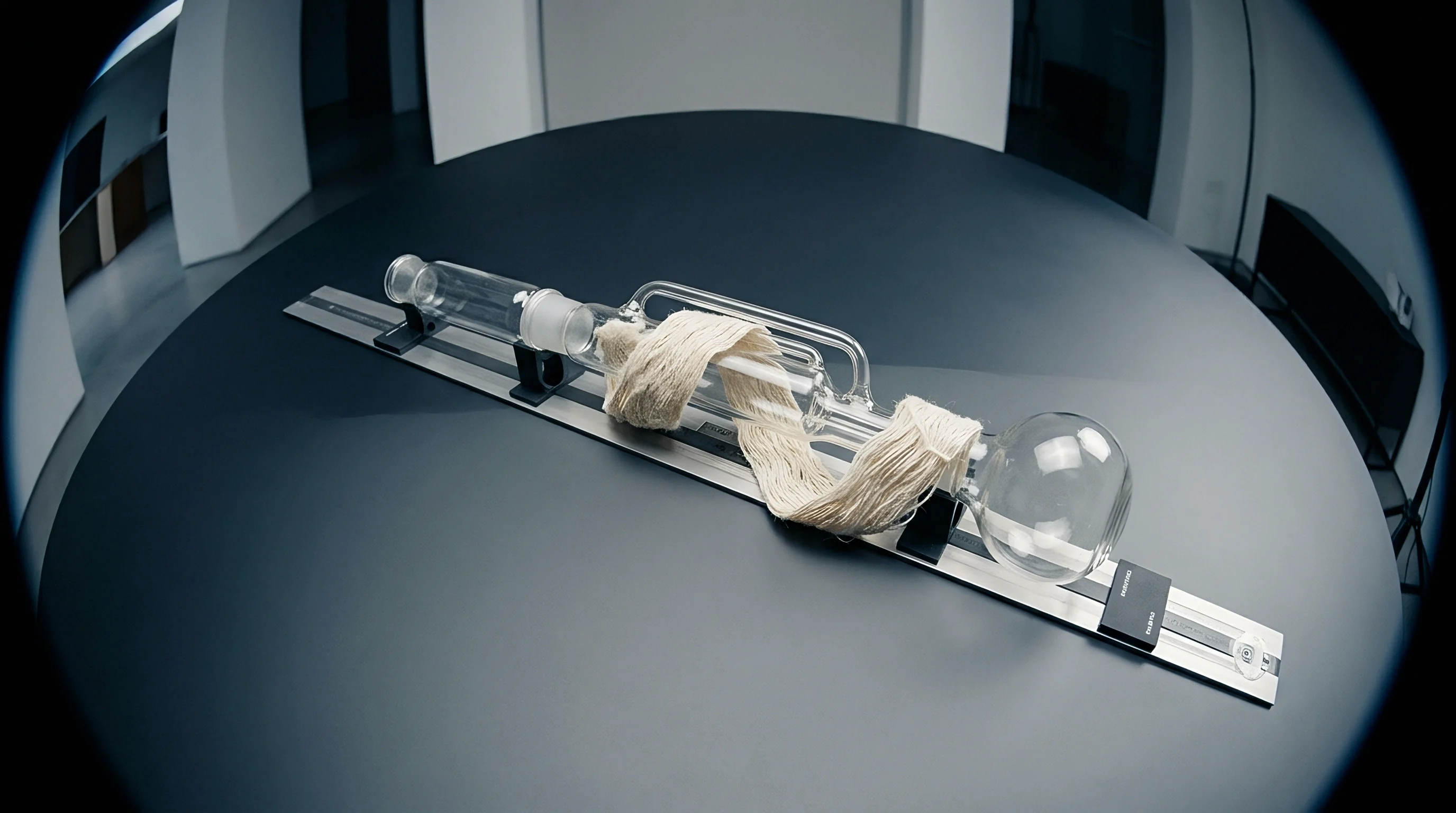
Dissolution
Separating mixed post-consumer textile fractions with organic solvents requires tight thermal control over liquid chemistry. At direct extraction temperatures between 95°C and 118°C, tertiary amine oxides such as N-methylmorpholine N-oxide monohydrate or ionic liquids like 1-butyl-3-methylimidazolium acetate disrupt the dense, hydrogen-bonded crystalline network of cotton fibers. Solvent molecules penetrate amorphous inter-crystalline zones, severing intermolecular hydroxyl bonds and converting solid cellulose into a homogeneous liquid phase.
The thermodynamic equilibrium of this transition depends on solvent concentration, thermal kinetic energy, and vessel residence time.

Solvent Kinetic Thresholds
Thermal energy controls how quickly solvent molecules diffuse into the dense core of cellulosic fibers. Below 90°C, solvation proceeds too slowly for commercial throughput, leaving incomplete extractions and heavy gel residues. Pushing temperatures past 115°C accelerates solvent breakdown into N-methylmorpholine and morpholine, creating organic peroxides and radical species.
These degradation products attack non-cellulosic polymers in post-consumer feedstocks, especially polyethylene terephthalate and elastane polyurethane segments. Keeping solvent water content within a tight 12.8% to 13.5% mass fraction window suppresses non-selective polymer breakdown while maintaining solvation capacity for alpha-cellulose.
Polymer swelling precedes full molecular dispersion. When tertiary amine oxide coordinate bonds interact with cellulosic hydroxyl groups, the fiber core expands up to 240% of its dry diameter before fluid transition occurs. Companion synthetic fibers in the same bale react differently to this thermal fluid environment.
An organic solvent liquor held at 108°C with 13.1% water content achieves full cellulose solvation within 42 minutes while limiting companion polyester intrinsic viscosity drop to 0.03 deciliters per gram.
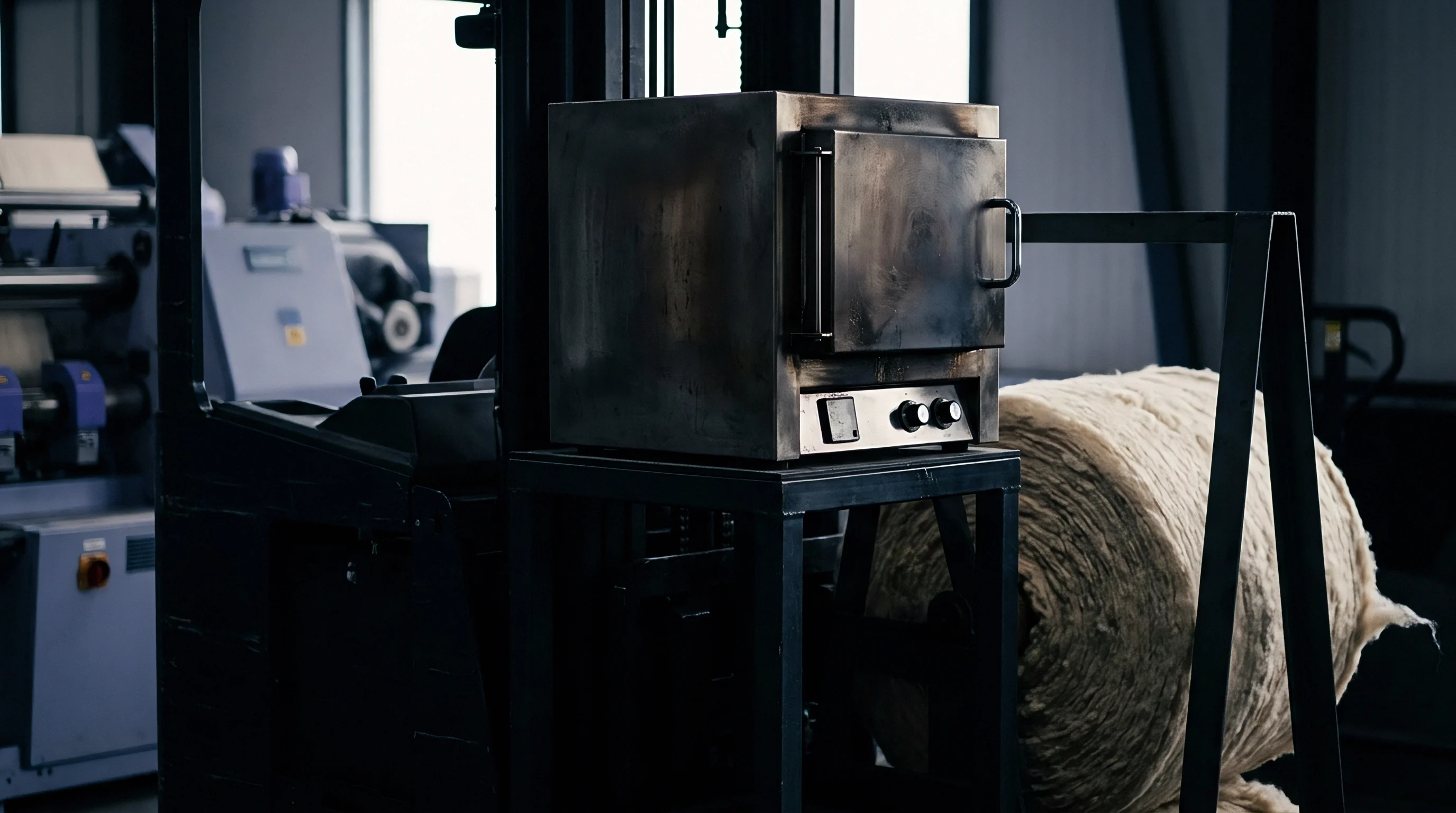
Synthetic Polymer Susceptibility
Polyethylene terephthalate resists pure N-methylmorpholine N-oxide under anhydrous conditions, but trace moisture at elevated extraction temperatures triggers hydrolytic cleavage along the ester linkages of the synthetic polymer chain. Partially dissolved polyester fragments then contaminate the primary cellulosic liquor with aromatic oligomers. Polyurethane elastomeric yarns degrade even faster, experiencing complete ester and carbamate bond scission within 18 minutes of exposure to amine oxide solutions at 105°C.
| Fiber Type | Solvent System | Exposure Limit (min) | Mass Loss (%) | Primary Failure Mode |
|---|---|---|---|---|
| Polyester (PET) | NMMO Monohydrate (13.2% H2O) | 45 | 0.8 | Ester Hydrolysis |
| Nylon 6,6 | NMMO Monohydrate (13.2% H2O) | 30 | 3.4 | Polyamide Solvolysis |
| Elastane (Polyurethane) | NMMO Monohydrate (13.2% H2O) | 12 | 100.00 | Urethane Scission |
| Acrylic (PAN) | NMMO Monohydrate (13.2% H2O) | 60 | 0.2 | Nitrile Crosslinking |
Polyisoprene and synthetic elastomers melt into tacky, low-molecular-weight tar residues that plug filtration screens. Polyamides undergo nucleophilic attack along their peptide bonds, releasing amine fragments into the liquor that drive pH levels upward. Higher liquor pH accelerates cellulose chain breakdown, creating a destructive feedback loop in continuous processing circuits.
Uncontrolled chemical attack on companion fibers contaminates the extracted cellulose liquor, reducing the commercial value of the recovered pulp by four hundred dollars per metric ton.

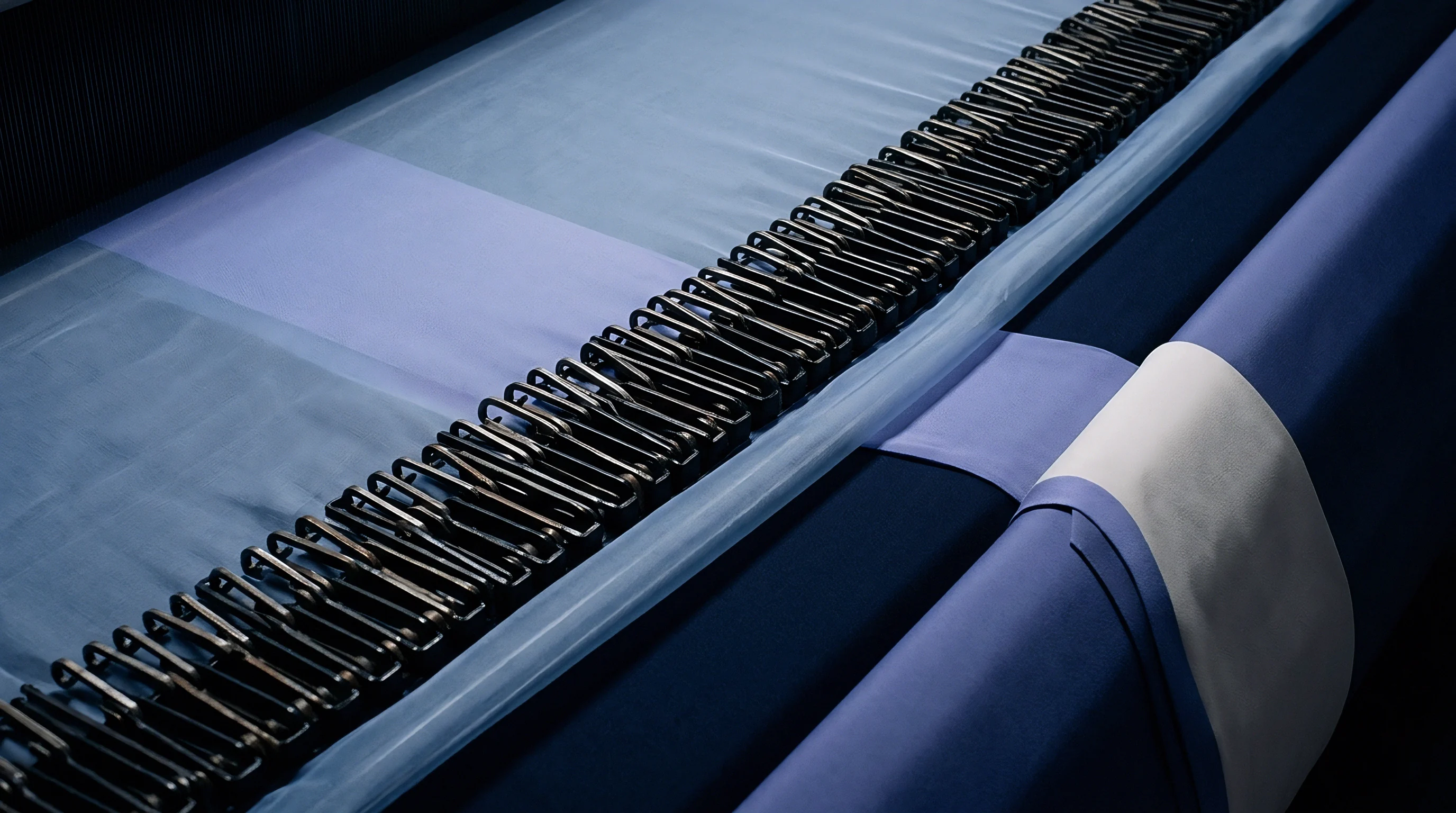
Degradation
Polymer chains shorten rapidly when solvent chemistry destabilizes at high operating temperatures. Loss of cellulose molecular weight is measured via degree of polymerization changes using cupriethylenediamine viscosity methods under ISO 5351. Clean post-industrial cotton clipping feedstocks start with a degree of polymerization between 2200 and 2800 units.
Exposure to hot, unstabilized solvent drops this figure below 500 units within two hours, making the recovered pulp unfit for spinning high-tenacity filament.
Mechanisms of Chain Scission
Thermal auto-oxidation drives structural loss in cellulosic chains above 100°C. Dissolved oxygen in the solvent matrix forms free radicals at the C1 and C4 positions of anhydroglucose units, triggering beta-elimination reactions that sever glycosidic linkages between adjacent glucose rings. Thermal decomposition of N-methylmorpholine N-oxide yields N-methylmorpholine and formaldehyde, both of which accelerate radical formation. Acidic impurities from post-consumer dyes or flame retardants compound this degradation by catalyzing acid hydrolysis of the glucosidic bonds.
Non-target synthetic polymers undergo distinct chemical degradation paths when exposed to hot cellulosic extraction fluids.
- Polyester hydrolysis scours the surface of polyethylene terephthalate fibers, releasing terephthalic acid and ethylene glycol oligomers directly into the primary extraction medium.
- Polyamide depolymerization splits amide linkages in nylon 6 and nylon 6,6, yielding cyclic monomer units that foul downstream ultrafiltration membranes.
- Elastane cleavage splits soft polyether or polyester segments from hard aromatic urethane blocks, causing total structural collapse of elastic yarns into microscopic sticky droplets.
- Dye cleavage hydrolyzes azo bonds in reactive and direct colorants, releasing free aromatic amines that alter the electrochemical profile of the solvent bath.

Solvent Breakdown Dynamics
Thermal stability thresholds for secondary amine oxides drop sharply when trace heavy metals enter the reactor. Iron, copper, and manganese ions from post-consumer zippers, metallic buttons, or equipment wear drive Fenton-type radical generation. Five parts per million of copper in the extraction fluid doubles the rate of solvent decomposition at 110°C. Accumulating peroxides convert tertiary amine oxides into unstable intermediate compounds that decompose explosively if local temperatures exceed 130°C.
Standard contract specifications following ISO 1833-22 require solvent purity levels above 99.1% with transition metal counts under two parts per million to guarantee pulp intrinsic viscosity retention.
Stabilizing additives suppress radical generation during extraction runs. Propyl gallate added at 0.05% to 0.20% by weight acts as a primary radical scavenger to halt auto-oxidative chain scission. Alkaline additives like sodium hydroxide keep solvent pH between 9.5 and 10.5, neutralizing acidic species released by synthetic dyes and sizing agents.
Operational adjustments alone cannot completely eliminate synthetic oligomer accumulation in high-temperature solvent loops.
Continuous monitoring of solvent purity prevents unchecked chain cleavage across cellulosic and synthetic polymer streams. Process parameters must adjust dynamically as feedstock blend ratios shift from batch to batch. Uncorrected solvent chemical drift produces degraded pulp batches that fail standard tenacity benchmarks during extrusion.
Bath
Extraction liquor management governs both raw material selectivity and solvent recovery efficiency in closed-loop systems. Inside the primary extraction vessel, the liquid bath consists of dissolved tertiary amine oxides, water, dissolved cellulose, suspended synthetic microfibers, and soluble non-cellulosic contaminants. Maintaining precise mass transport balances requires continuous circulation through mechanical filters, liquid deaeration systems, and active temperature loops.
Solvent turnover rates must match the dissolution kinetics of incoming cotton clipping charges to prevent localized saturation.
Impurity Threshold Management
When non-target synthetic polymers undergo solvolysis, they release soluble breakdown products into the fluid bath. Terephthalic acid oligomers accumulate over repeated recycling loops, lowering the crystallization point of the amine oxide system. Suspended microscopic elastane fragments form an emulsion with the solvent, increasing dynamic viscosity and placing higher loads on process pumps.
Continuous fine-mesh filtration down to five micrometers prevents these suspended solids from re-depositing on the purified cellulose cake.
| Contaminant Class | Primary Source | Max Tolerated Level | Operational Consequence |
|---|---|---|---|
| Transition Metal Ions (Fe, Cu) | Hardware, Dyes | 2.0 ppm | Accelerated Radical Peroxide Generation |
| Terephthalic Oligomers | PET Hydrolysis | 0.45 wt% | Cellulose Precipitation Interference |
| Dissolved Hemicellulose | Polynosic, Viscose | 1.80 wt% | Spinnability Loss, Filament Brittleness |
| Free Morpholine | Solvent Breakdown | 0.15 wt% | pH Reduction, Acidic Hydrolysis Rate Peak |
Process operators manage liquor quality through a defined sequence of mechanical purification steps.
- Pass hot extraction liquor through a dual-stage screen separator to capture coarse non-dissolved synthetic fibers and fabric fragments larger than 100 micrometers.
- Direct the filtered fluid into a vacuum deaeration vessel operating at 85 kilopascals absolute pressure to remove entrained atmospheric oxygen and prevent thermal oxidation.
- Pump the deaerated solvent through a multi-layer microfiltration unit packed with ceramic membranes rated at 2.5 micrometers absolute cutoff.
- Route the clarified liquid stream through an ion-exchange resin bed charged with sulfonic acid groups to capture transition metal contaminants.
- Adjust solvent moisture levels by injecting controlled demineralized water vapor prior to re-introducing the liquor into the main dissolution chamber.
Controlling moisture variations within a tight 0.3% window halts the hydrolytic cleavage of synthetic yarns while maintaining complete cellulose dispersion rates.
Controlling water activity in the solvent system is the primary lever for tuning chemical selectivity. Excess water weakens the solvent’s power to dissolve cellulose, causing gel formation and partial dissolution. Too little water accelerates solvent oxidation and non-target polyester hydrolysis.
Maintaining temperature uniformity within plus or minus 1.5°C across the entire vessel volume prevents localized hot spots that trigger fast polymer degradation.
Synthetic polymer degradation in the extraction chamber stems either from post-consumer fabric contamination or poor solvent temperature regulation.
Partition
Separating purified cellulose solution from undissolved synthetic residues relies on clear differences in physical state and solubility parameters. Once the cellulosic fraction dissolves, the mixture becomes a biphasic slurry containing high-viscosity liquid cellulose and solid particulate matter made of polyester, polyamide, or polyolefin fibers. High-temperature pressure filtration units isolate these phases above 100°C to stop the solvent from crystallizing while washing the filter cake.
Worked Separation Material Balance
Consider a 10.0 metric ton charge of post-consumer poly-cotton clip containing 60.0% cotton cellulose and 40.0% polyethylene terephthalate by dry mass, processed in an N-methylmorpholine N-oxide monohydrate system. The total feedstock mass enters the reactor at 8.0% moisture content, carrying 600 kilograms of water, 5520 kilograms of dry cellulose, and 3680 kilograms of dry polyester. The extraction vessel receives 85.0 metric tons of pre-heated solvent liquor containing 13.0% water, operating at 106°C for a residence duration of 45 minutes.
During the thermal hold phase, 0.6% of the polyester undergoes hydrolytic scission, yielding 22.08 kilograms of soluble terephthalic oligomers that enter the solvent liquid phase. The cellulose dissolution step converts 99.2% of solid cotton fibers into a dissolved liquid phase, leaving 44.16 kilograms of un-dissolved cellulosic residue alongside 3657.92 kilograms of solid polyester fibers. The slurry discharges directly into a continuous rotary pressure drum filter operated at 104°C and 250 kilopascals differential pressure.
The filter cake receives two sequential wash stages using pure monohydrate solvent at 102°C to displacement-wash entrained dissolved cellulose solution from the solid polyester cake. The first wash stage recovers 96.5% of entrained cellulosic solution, returning it to the main filtrate stream. The secondary wash utilizes demineralized water at 85°C to precipitate entrained cellulose completely within the synthetic cake matrix before cake discharge.
Mass balance analysis yields 5475.8 kilograms of pure alpha-cellulose in the clear filtrate stream, representing an overall cellulose extraction yield of 99.20%. The discharged solid synthetic cake contains 3657.92 kilograms of polyester, 22.08 kilograms of polyester degradation products, 44.16 kilograms of un-extracted cellulose, and residual wash fluid. The recovered liquid cellulose solution carries an intrinsic viscosity of 4.2 deciliters per gram, meeting the technical requirements for high-tenacity dissolving pulp classification under HS Code 4702.00.
The yield of dissolving pulp drops by 1.8% for every 10°C increase in extraction temperature above 110°C due to accelerated oxidative chain scission.
Unremoved synthetic oligomers in the cellulosic filtrate lower alpha-cellulose purity below 96.0%. Standard commercial contracts enforce price deductions whenever alpha-cellulose content lands between 92.0% and 95.9%.
Under standard commercial purchase contracts incorporating ISO 1833 chemical analysis clauses, any recovered pulp batch demonstrating synthetic oligomer contamination above 0.30% by dry weight permits the buyer to reject the shipment or apply a flat 15% discount against the invoiced metric tonnage.


Recovery
Commercial viability in chemical textile recycling turns on solvent retention and closed-loop purification efficiency. Liquid extraction media carried out with the purified cellulose mass must be removed through coagulation, washing, and multi-stage evaporation systems. Precipitating cellulose from the tertiary amine oxide solvent requires adding water as an anti-solvent, dropping solvent concentration below 75% by weight.
The precipitated cellulose forms a porous hydrated coagulation gel, releasing the bulk solvent into the weak liquor processing stream.

Distillation and Evaporation Economics
Weak liquor collected from coagulation baths typically contains 10% to 20% amine oxide and 80% to 90% water by mass. Concentrating this fluid back to monohydrate strength (87.0% amine oxide, 13.0% water) requires multi-effect vacuum evaporation plants designed to minimize thermal exposure. Operating at reduced pressures between 10 and 20 kilopascals absolute lowers the boiling point of water, preventing thermal decomposition of the organic solvent.
Energy consumption in the evaporation plant represents the single largest variable cost item, requiring approximately 0.65 kilowatt-hours of electrical and thermal energy per kilogram of evaporated water.
Thermal degradation of solvent during concentration stages generates volatile organic byproducts including morpholine, N-methylmorpholine, and formaldehyde. Vacuum stripping columns fed with low-pressure steam strip these light components from the concentrated solvent before re-entry into the primary dissolution vessel. Purified solvent streams leaving the recovery circuit must demonstrate an electrical conductivity under five microsiemens per centimeter and a total organic carbon contamination index below 50 parts per million.
Customs classification for exported recovered cellulosic masses depends on residual solvent content and physical form. Chemically extracted cellulosic pulp containing less than 0.5% organic solvent residues qualifies under Harmonized System tariff heading 4702.00 as chemical wood pulp, dissolving grade, carrying preferential entry tariffs under major international trade agreements. Shipments containing solvent traces above 1.0% face reclassification under tariff heading 3824.90 as miscellanous chemical products, triggering duty rates up to 6.5% of landed CIF value.
Solid residues collected during primary filtration present distinct commercial handling paths. Recovered polyester staple fibers containing under 0.50% cellulosic contamination enter secondary mechanical re-spinning or chemical depolymerization streams, selling at fifty to sixty percent of prime virgin polyester chip prices. Highly degraded synthetic sludge containing mixed polyurethane and rubber particles must undergo thermal incineration or hazardous industrial waste landfilling, generating disposal charges between 120 and 220 dollars per metric ton.
Operating a solvent recovery circuit above 99.5% mass efficiency preserves operational margins and protects landed pulp profitability against virgin pulp market price swings.