Outgassing Process
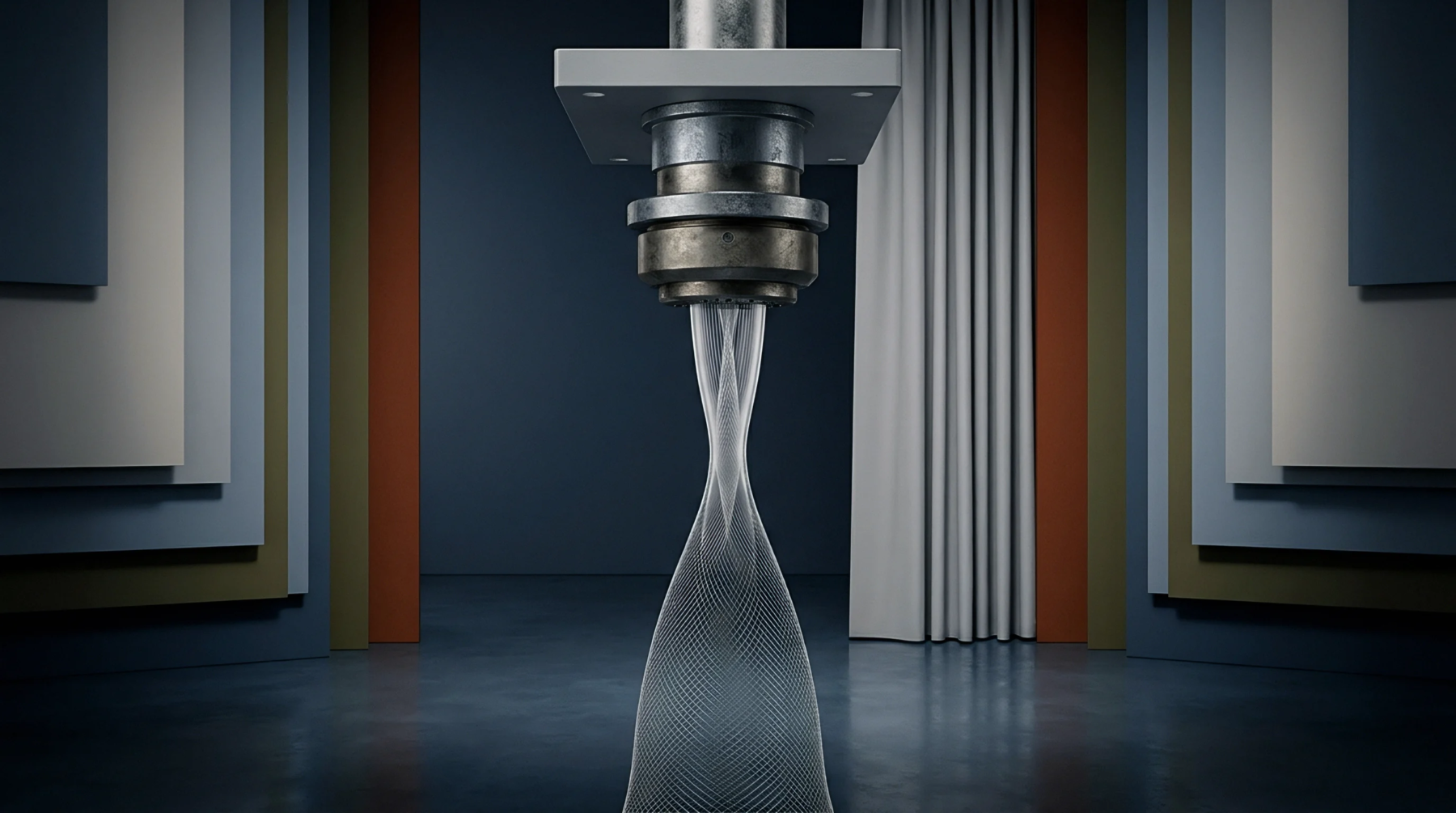
Mechanical removal of microscopic air bubbles and dissolved gases from high-viscosity liquid mixtures represents a necessary pre-spinning step in synthetic fiber manufacturing. Through the process of vacuum deaeration, the polymer dope is subjected to negative pressure inside a sealed chamber to draw out entrapped air before extrusion. This bubble-free state prevents discontinuous flow and ensures a stable filament formation.
Extrusion Stability
Spinneret operation requires a continuous, uninterrupted stream of cellulose solution to form continuous filaments. When vacuum deaeration is incomplete, the presence of air pockets causes the filament to break as it emerges from the spinning nozzle. This disruption leads to costly downtime and increases the volume of waste fiber.
Physical Performance
Filament consistency and mechanical strength are severely compromised by retained gas inclusions. Thorough vacuum deaeration removes these structural voids to guarantee uniform fiber cross-sections.
Operational Parameter
Process monitoring requires the continuous verification of vessel pressure, dope temperature, and residence time within the outgassing chamber. A typical vacuum deaeration unit operates under high vacuum and controlled heating to optimize gas release without altering the solvent-to-cellulose ratio. This precise control at the pre-spinning stage prevents physical defects in the yarn and secures the uniform dyeability of the finished textile.