
Polymer Crosslink Degradation in Cellulosic Fabric Wet Processing
Polymer crosslinks in cellulosic fabric wet processing degrade via acid-catalyzed glycosidic cleavage during high-temp baking and wet post-reprocessing cycles.
Polymer crosslinks in cellulosic fabric wet processing degrade via acid-catalyzed glycosidic cleavage during high-temp baking and wet post-reprocessing cycles.

Standardizing thermal history via annealing before acid dissolution eliminates rPET crystallinity variance, securing exact chemical separation accuracy.
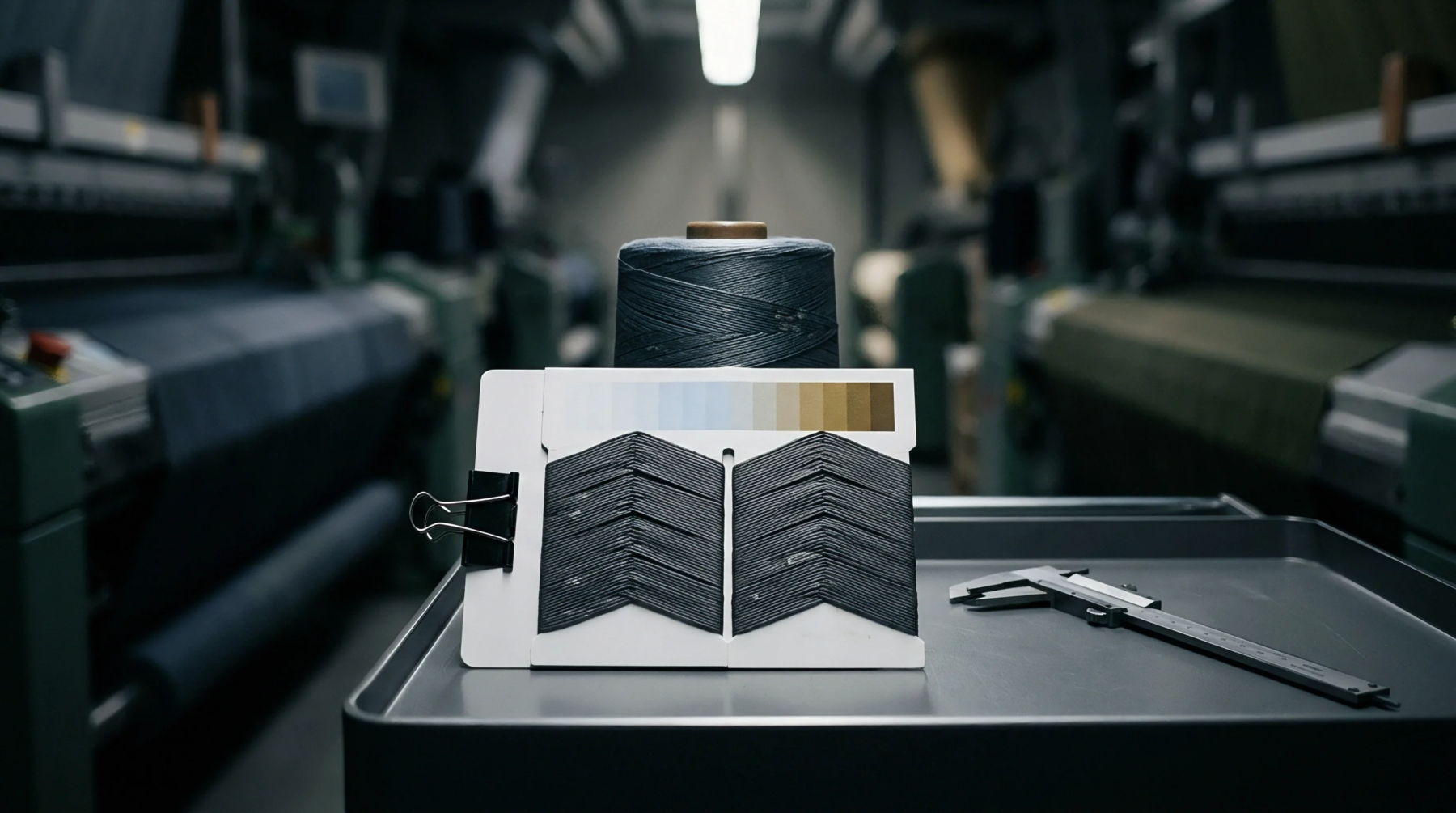
Exhaust cellulosic dyeing demands progressive alkali dosing and strict pH control to prevent glycosidic cleavage from destroying fabric bursting strength.

Maintaining solvent moisture at 13.0 percent and temperatures below 108°C prevents non-target synthetic polymer breakdown during cellulosic extraction.

Dissolving pulp sourcing for rayon yarn relies on alpha cellulose purity specifications, alkali solubility controls, and commercial air dry tonnage audits.

Validating post-consumer recycled content requires combining isotopic lab assays, mass balance transaction certificates, and mandatory batch retest clauses.

Determining cotton viscose yarn blend composition requires solvent extraction pretreatment, precise reagent temperature control, and empirical d-factor corrections.

Fragment identification via FTIR deconvolution and selective staining corrects quantitative solvent extraction errors in recycled ternary yarn analysis.

Localized cotton rope hydrolysis kinetics depend on core capillary ion concentration and localized temperature dynamics rather than bulk liquor pH.

Determining dry mass ratios requires desiccation at 105 °C, selective chemical dissolution under ISO 1833, d-factor correction, and commercial regain adjustments.

Pre-extract spin finishes with petroleum ether and apply accurate d-value corrections to ensure precise cotton-viscose gravimetric separation and tariff compliance.

Buyers verify viscose pulp origin using stable isotope profiling alongside physically segregated chain of custody documentation from pulp mill to yarn.
Expertise is a utility, not a secret. sentiention™ publishes its working knowledge as open reference: intelligence layer covering the materials it sources, the markets it enters, and the reference that serves both.