Cellulosic Depolymerization Mechanisms in Exhaust Scouring Operations
Exhaust scouring requires controlled caustic dosage and chelating agents to prevent cellulosic depolymerization and preserve fabric tensile strength.

Swell
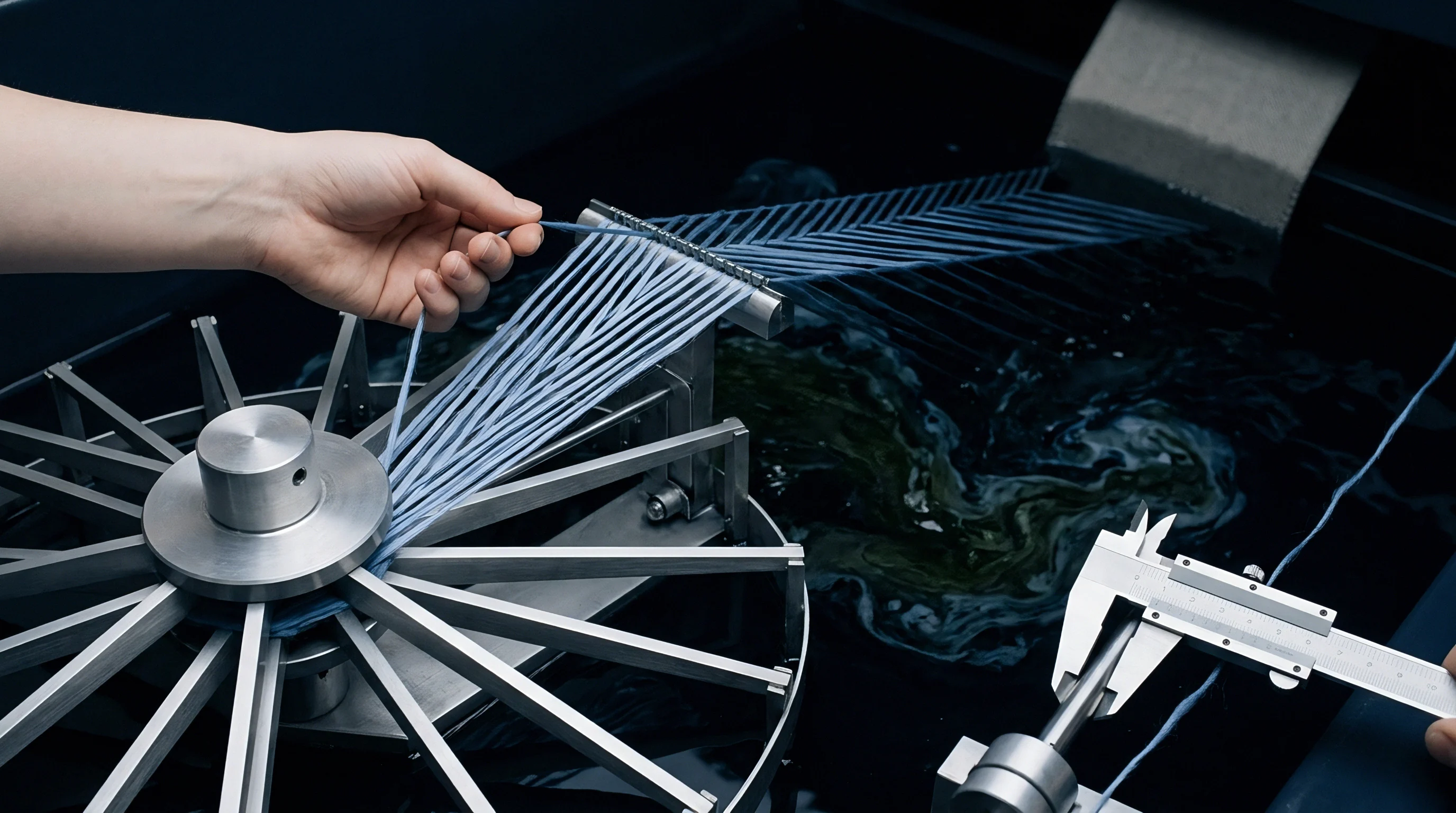
Raw cotton fibres carry non-cellulosic impurities that restrict water absorption during dyeing. Sodium hydroxide solutions break down cuticle waxes, pectins, and protein residues in the primary wall. Alkaline liquors swell the secondary wall by expanding amorphous regions between crystalline cellulose fibrils, allowing chemical reagents to reach inner fiber matrices during exhaust scouring.

Morphology of Primary Wall Removal
During hot bath processing, saponification converts fatty acids into water-soluble sodium salts. As cotton fibres absorb alkaline bath chemicals, hydroxyl ions penetrate amorphous regions while pectin networks dissolve in the hot alkaline medium, loosening the outer cuticle layers. Removing these non-cellulosic barriers increases fabric absorbency and lowers water drop absorption times to under two seconds.
Uncontrolled swelling creates physical stress across the microfibrillar lattice. While crystalline regions resist chemical attack, excessive hydroxyl ion concentrations force glucose chains apart, breaking intermolecular hydrogen bonds between adjacent polymer strands. Structural swelling must be balanced against chemical degradation during the exhaust cycle.
Higher caustic concentrations increase structural permeability while risking irreversible backbone hydrolysis.
Alkaline Hydrolysis of Amorphous Regions
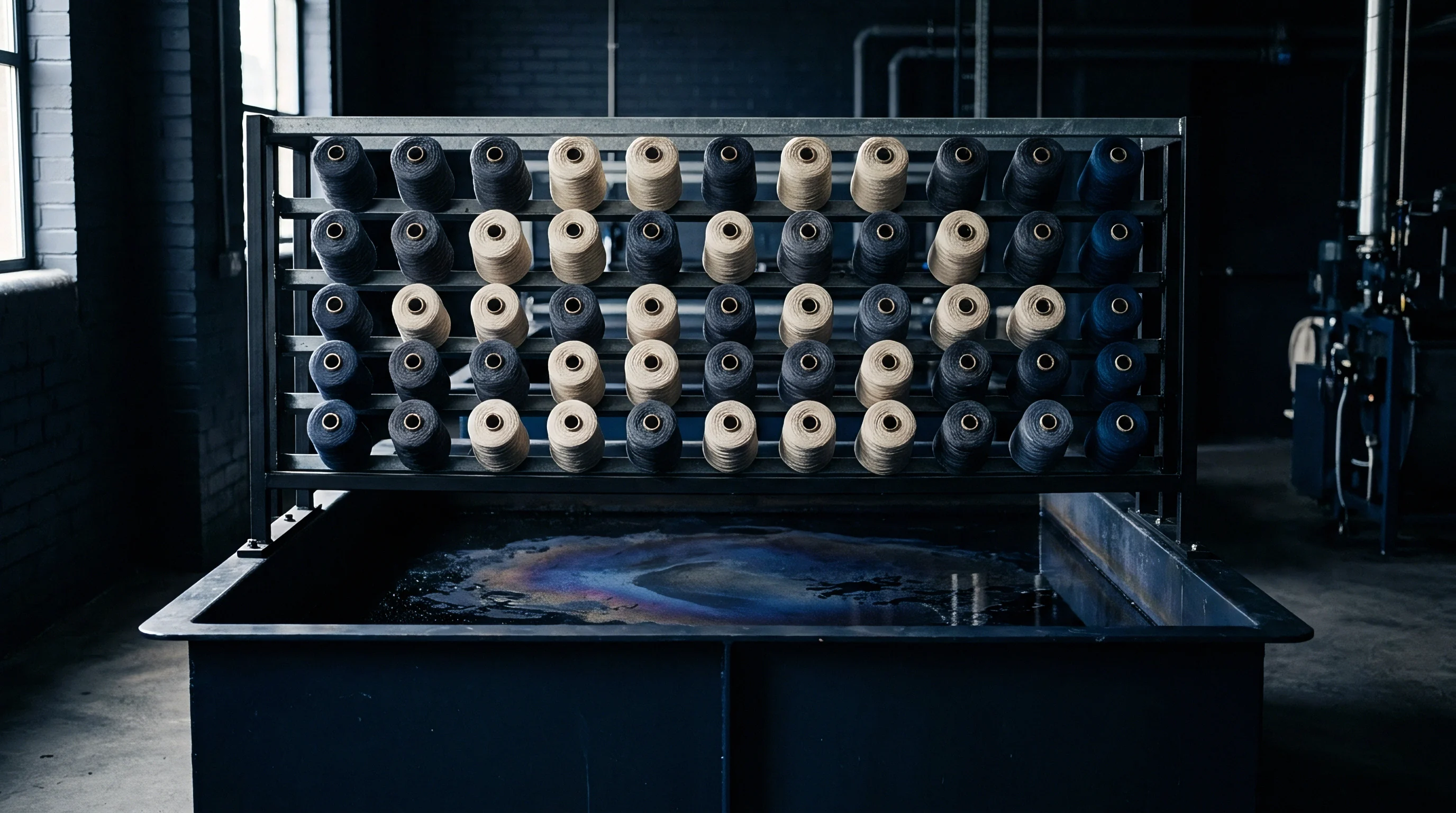
Cellulose macromolecular chains consist of anhydroglucose units joined by beta-1,4-glucosidic bonds. Hydroxyl ions attack these glucosidic linkages under elevated temperatures. Amorphous domains within the fibre architecture experience chain cleavages first due to higher accessibility compared to dense crystalline zones.
Depolymerization accelerates when alkaline scouring baths exceed ninety degrees Celsius.
Process control requires monitoring chemical dosage and temperature ramp rates. Specific bath factors directly govern the rate of swelling and subsequent chain degradation in exhaust vessels:
- Sodium Hydroxide Concentration dictates swelling pressure and hydroxyl ion availability within the fibre substrate.
- Processing Temperature governs the kinetic rate of glucosidic bond cleavage and cuticle saponification.
- Wetting Agent Penetration accelerates liquor migration into tight yarn bundles and high-density woven constructions.
- Treatment Duration determines the exposure time of vulnerable amorphous cellulose to alkaline degradation.
Scouring baths containing excessive caustic soda degrade amorphous cellulose faster than they saponify surface waxes.
Cleavage
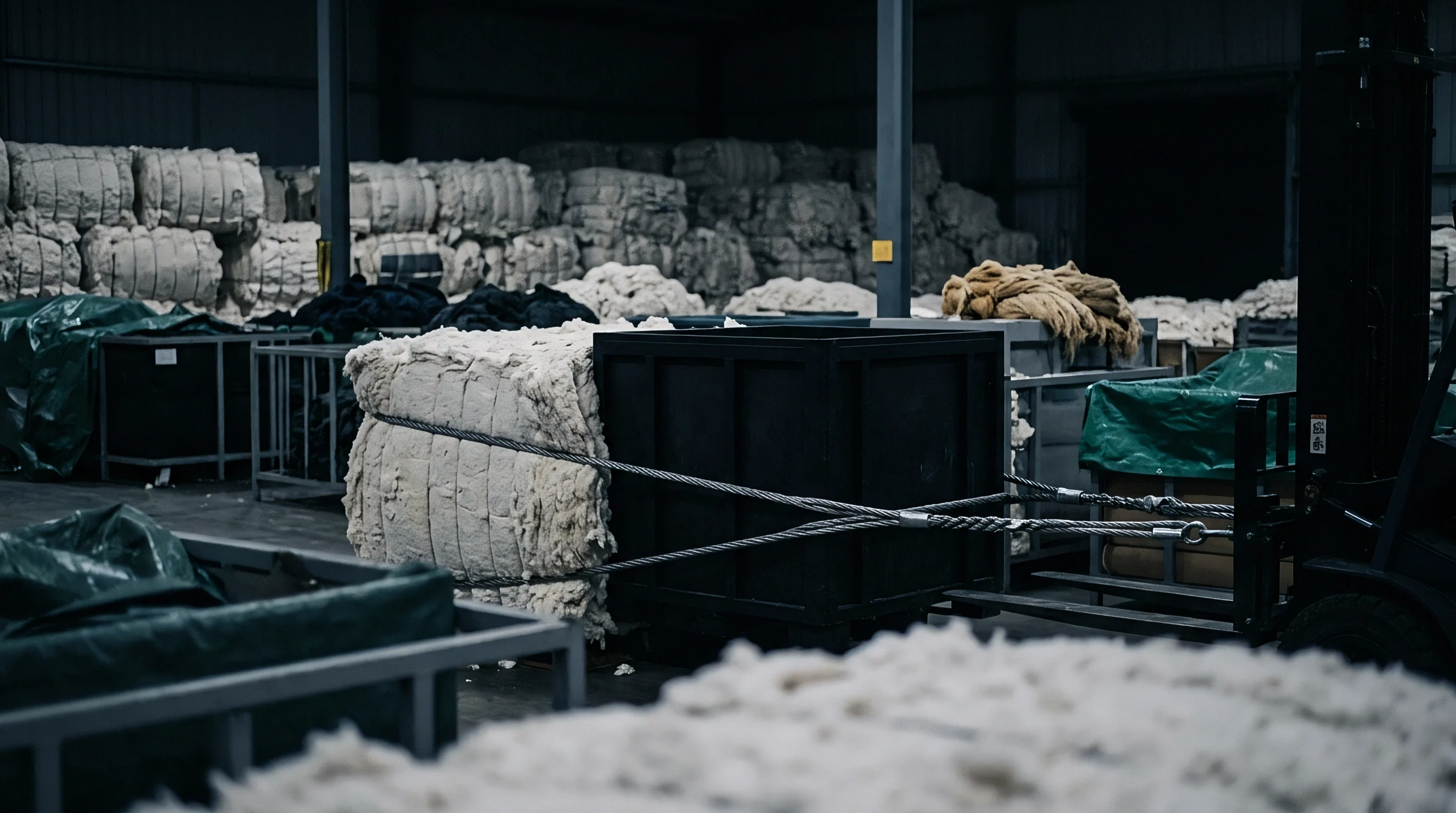
Scouring operations in exhaust machinery subject cotton to elevated thermal and chemical stress. Beta-elimination reactions degrade polymer chains when oxidised groups reside on the glucose ring; under alkaline conditions, anhydroglucose units containing carbonyl or carboxyl groups undergo rapid chain breakage while oxygen impurities form radical species.

Radical Generation from Oxidative Contaminants
Trace transition metal ions act as catalysts during thermal scouring operations. Dissolved iron and copper in process water decompose residual peroxides into hydroxyl radicals that cut polymer length. These uncharged radical species attack cellulose carbon positions non-selectively, generating aldehyde and ketone groups along the chain backbone.
Subsequent alkaline exposure triggers beta-elimination at these oxidised sites, severing the glucan chain and causing fabric tensile strength to drop rapidly. Complexing agents bind metal ions, reducing catalytic oxidation during high-temperature exhaust processing.
| Scouring Agent | pH Range | Thermal Limit (C) | Depolymerization Risk | Primary Degradation Product |
|---|---|---|---|---|
| Sodium Hydroxide (Caustic Soda) | 12.0 – 13.5 | 98 | Moderate to High | Cellobioside / Low DP Cellulose |
| Sodium Carbonate (Soda Ash) | 10.0 – 11.0 | 95 | Low | Soluble Pectates |
| Hydrogen Peroxide (Residual) | 10.5 – 11.5 | 100 | Severe (with metals) | Oxycellulose / Carbonyl Adducts |
| Peracetic Acid (Mild Scour) | 5.0 – 7.0 | 80 | Low | Organic Acetates |
Thermochemical Degradation Kinetics
Thermal energy accelerates the movement of hydroxide ions into crystalline interfaces. High temperature scouring above one hundred degrees Celsius increases the rate constant of alkali hydrolysis, shifting molecular weight distributions toward shorter polymer lengths and reducing the overall average degree of polymerization.
ISO 13934 tensile loss exceeding fifteen percent triggers batch rejection at incoming inspection.
Polymer backbone damage directly correlates with reduced mechanical performance. Shortened cellulose chains offer fewer points for intermolecular friction and hydrogen bonding during mechanical tension, so wet strength losses mirror viscosity drops. Process stability protects woven construction integrity.
Excessive oxidation during scouring reduces fabric tear strength below commercial garment manufacturing thresholds.

Liquor
Exhaust scouring in jet and soft-flow machines relies on mechanical fluid action to transport chemicals into the yarn core. High bath movement accelerates mass transfer across the fiber-liquid boundary layer, while low liquor ratios concentrate active sodium hydroxide, increasing reaction rates on exposed cellulosic surfaces.
Does Elevated Scouring Temperature Accelerate Chain Cleavage?
Thermal thresholds dictate chemical reactivity inside closed jet vessels. Operating scouring cycles at one hundred and ten degrees Celsius reduces processing time but escalates chemical depolymerization, as higher energy levels lower the activation energy required to break glucosidic linkages in amorphous cotton regions. Substituting caustic soda with soda ash buffers bath pH, preserving molecular chain length at the expense of wax removal efficiency.
Mechanical Shear in Jet and Jig Machinery
Fluid velocity creates hydrodynamic forces inside nozzle tubes and fabric transport chambers. While mechanical agitation accelerates chemical diffusion, high shear damages weakened yarns when cotton ropes pass repeatedly through high-pressure nozzles while swollen by caustic liquor.
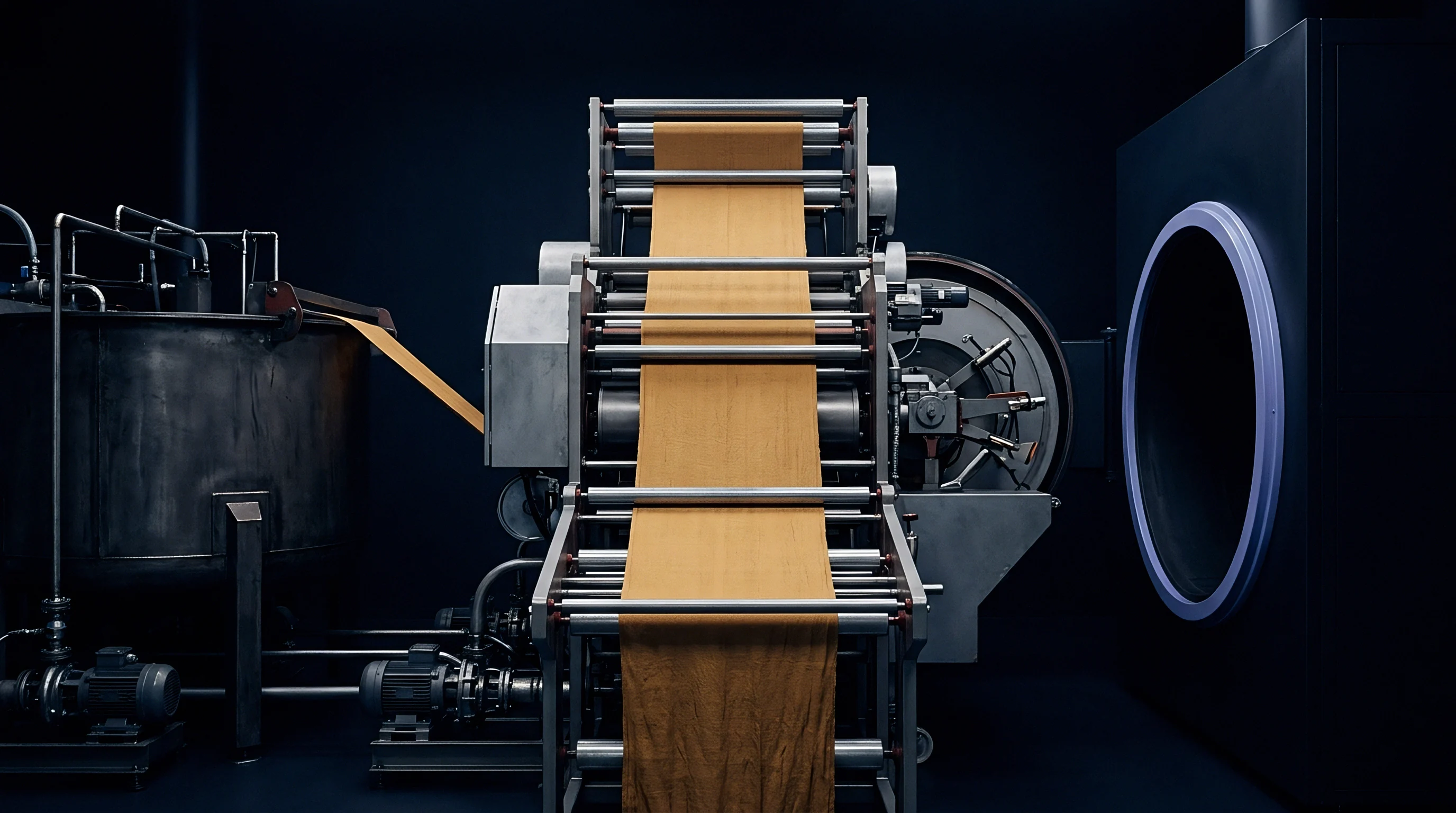
Standard machine loading and scouring execution for jet processing equipment follows an established sequence:
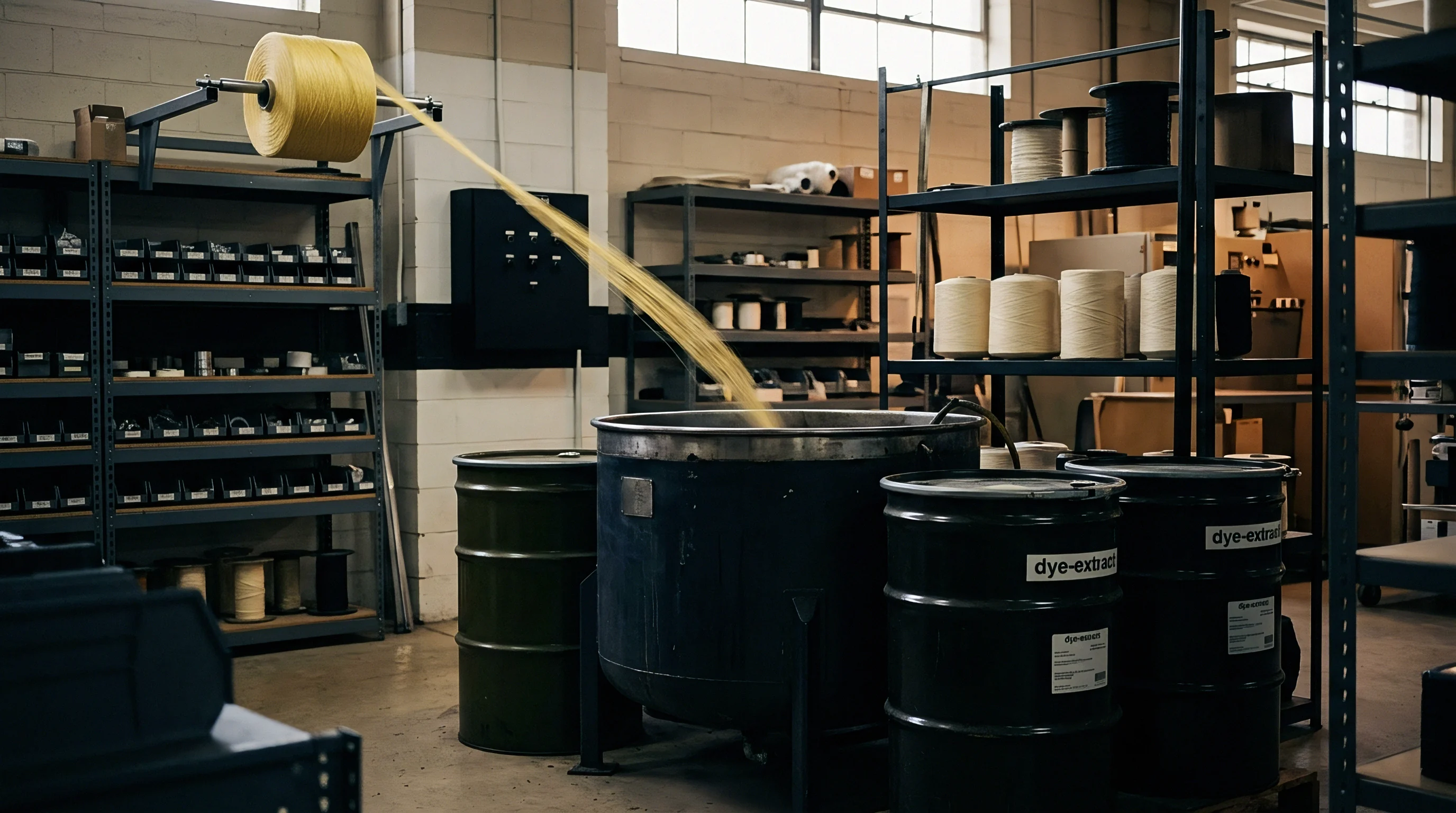
- Fill the exhaust machine with soft water and add chelating agent at one gram per litre.
- Circulate the fluid for five minutes before introducing caustic soda and wetting agent.
- Heat the bath to ninety-five degrees Celsius at two degrees per minute.
- Maintain temperature for forty-five minutes while checking bath pH continuously.
- Cool the vessel to sixty degrees Celsius and drain the bath effluent.
- Rinse with warm water and neutralize residual alkali using acetic acid.
Dyehouse managers routinely attribute fabric strength loss to greige yarn quality rather than extended scouring retention times.

Tenacity
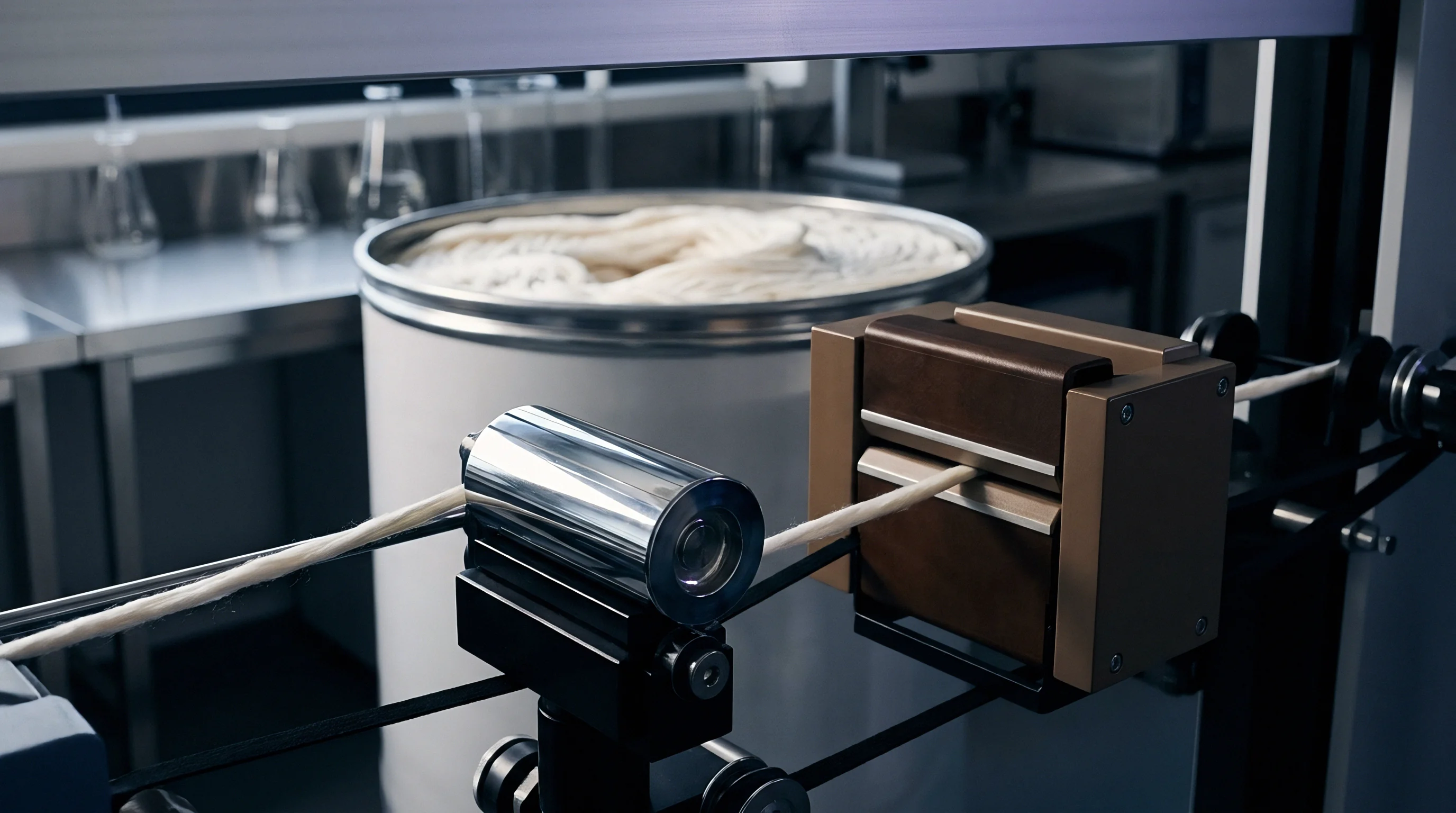
Physical testing validates whether scouring chemistry preserved structural integrity while removing non-cellulosic impurities. Intrinsic viscosity measurement provides direct evidence of polymer chain length changes, while tensile, tear, and bursting strength tests confirm whether physical degradation remains within allowable commercial tolerances.

Intrinsic Viscosity and Polymerization Degree Metrics
Standardized solvent dissolution measures the average molecular weight of cellulosic chains. Dissolving scoured cotton in cupriethylenediamine solution isolates individual cellulose molecules, allowing efflux time through a calibrated capillary viscometer to determine intrinsic viscosity. Reductions in intrinsic viscosity reflect direct glucosidic bond breakage caused by thermal or oxidative attack.
Unprocessed raw cotton typically displays an intrinsic viscosity between 1800 and 2200 millilitres per gram. Proper industrial scouring maintains values above 1400 millilitres per gram, whereas values falling below 1000 millilitres per gram indicate severe tendering and compromised structural life.
| Scouring Treatment | Intrinsic Viscosity (mL/g) | Degree of Polymerization | Tensile Strength Loss (%) | Tear Strength Retention (%) |
|---|---|---|---|---|
| Greige Control (Unprocessed) | 1950 | 2400 | 0.0 | 100.0 |
| Optimized Scour (95C, 45 min) | 1680 | 2060 | 4.2 | 95.5 |
| Extended Alkaline Scour (105C, 90 min) | 1210 | 1480 | 14.8 | 81.0 |
| Severe Oxidative Over-Scour | 850 | 1040 | 28.5 | 62.3 |
| Test methods: Intrinsic Viscosity per ISO 5351; Tensile Strength per ISO 13934-1; Tear Resistance per ISO 13937-2. | ||||
Worked Example of Fabric Strength Degradation Calculation
Assume a bulk scouring run processes a four-hundred-kilogram lot of woven cotton fabric with an initial degree of polymerization of 2400. Scouring at ninety-five degrees Celsius with three grams per litre sodium hydroxide for sixty minutes reduces the degree of polymerization to 1920, representing a twenty percent reduction in average chain length.
To estimate tensile strength retention, apply empirical relationships linking chain length to load-bearing capacity. A twenty percent drop in polymerization degree correlates to an approximate eight percent loss in warp tensile strength under standard strip testing. If processing parameters drift to one hundred and five degrees Celsius for ninety minutes, the degree of polymerization drops to 1320; this forty-five percent reduction in polymer length causes warp tensile strength to fall by twenty-two percent, exceeding standard buyer quality limits.
Cotton scoured at ninety-five degrees Celsius loses twelve percent of its intrinsic viscosity within forty minutes.
Physical Strength Test Standards and Correlations
Standardized mechanical testing quantifies structural loss following wet processing operations. While copper complexing agents prevent oxidation and mill trial parameters dictate final yield, standard laboratory methods establish physical compliance across four distinct parameters:
- Viscosity Testing Standard ISO 5351 measures cellulosic degradation via cupriethylenediamine solvent viscosity.
- Tensile Property Standard ISO 13934-1 determines maximum force and elongation using the strip method.
- Tear Resistance Standard ISO 13937-2 measures propagation force of trouser-shaped test specimens.
- Bursting Strength Standard ISO 13938-1 tests knitted fabric multidirectional resistance via hydraulic pressure.
Standard buying contracts specify a maximum allowable viscosity loss of twelve percent against greige control samples.

Margin
Sourcing contracts set exact parameters for wet processing to prevent fabric tendering during bulk dyeing operations. Technical specifications define boundaries for alkali dosage, temperature limits, and chelating agent concentrations, protecting mechanical performance across consecutive dyehouse lots.

Commercial Impact of Depolymerization on Landed Cost
Fabric tendering increases financial risk across the garment manufacturing chain. Over-scouring degrades pilling performance and causes severe cutting room scrap. Weakened fabric tears under needle penetration during high-speed sewing operations, leading to panel rejections and garment remakes.
Direct scrap costs escalate when finished garments fail bursting or tear standards during buyer random audits. Scouring parameters must balance impurity removal against structural preservation to safeguard finished product yield.
Tendered cotton yarn fails under tension during high-speed knitting operations.
Process Control Window and Audit Verification
Chemical titration logs provide proof of caustic bath concentration during exhaust cycles, while technical audits verify machine temperature calibration and dosing accuracy. Dyehouses using hard water sources must document chelating agent additions to suppress radical chain cleavage.
Whether enzymatic bio-scouring can completely replace heavy caustic exhaust operations across high-weight woven fabrics without sacrificing absorbency remains undetermined across industrial scales.