Solvent Identity
Tertiary amine oxide functions as a non-volatile liquid medium designed for the direct dissolution of cellulose in industrial lyocell production. n-methylmorpholine n-oxide acts as the primary chemical agent for breaking hydrogen bonds within wood pulp structures to form a homogenous dope. This physical change happens without the formation of derivatives, as the polymer remains chemically intact through the transition from solid fibre to spin-able solution.
Operational Mechanism
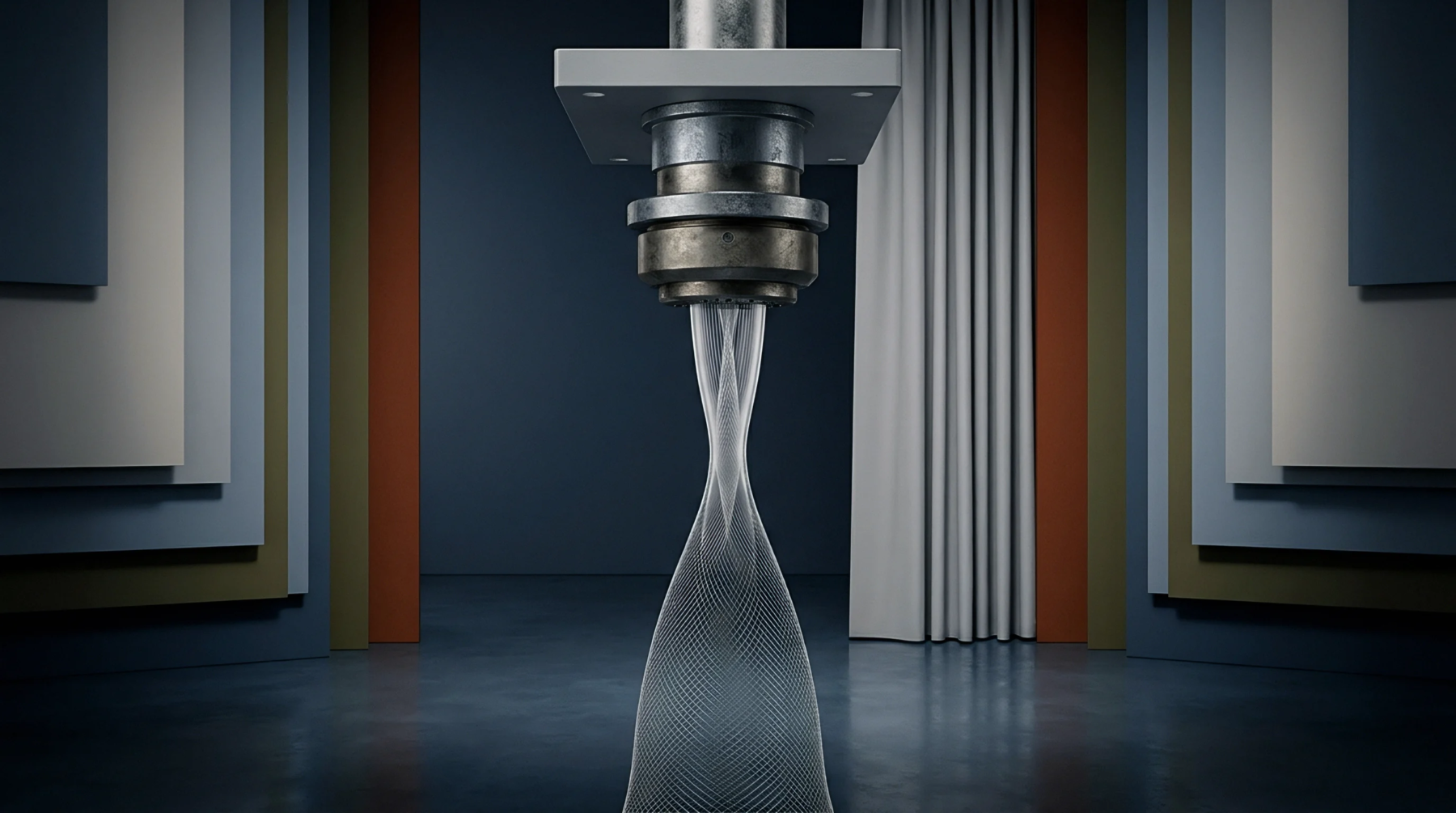
Precipitation of cellulose occurs when this liquid contacts a bath containing diluted concentrations of the same substance. n-methylmorpholine n-oxide diffuses into the aqueous environment while the cellulose coagulates into continuous filaments. The regeneration of the polymer relies on the solubility difference between the solvent and the precipitating medium.
System Efficiency
Recovery of the agent reaches rates above ninety nine percent within closed-loop processing cycles to ensure economic viability and environmental compliance. Residual n-methylmorpholine n-oxide levels within the final yarn require strict management through washing to prevent premature degradation of the textile structure. Thermal stability limits the heating of the solvent during evaporation stages to avoid exothermic decomposition.
Quality Impact
Uniform concentration of the solvent during the spinning stage determines the cross-sectional shape and tensile properties of the resulting fibre. Excessive presence of n-methylmorpholine n-oxide within the fibre matrix inhibits proper crystallization and leads to reduced durability under mechanical stress. Accurate monitoring of this chemical parameter governs the consistency of technical textiles across production batches.