Thermal Stabilization Dynamics for Amine Oxide Cellulosic Extraction Fluids
Thermal stabilization of amine oxide cellulosic extraction fluids relies on strict metal chelation and radical scavenging to prevent exothermic solvent runaway.

Dope
Concentrated mixtures of dissolved cellulose in N-methylmorpholine N-oxide monohydrate form the rheological foundation of wet-spun lyocell cellulosic fiber manufacture. The solvating power of this tertiary amine oxide relies on its highly polar nitrogen-oxygen bond, which breaks the intermolecular hydrogen-bonded network of native wood pulp. Processing occurs at elevated temperatures where the monohydrate salt becomes a homogeneous liquid capable of penetrating cellulose crystalline domains.

Dissolution Chemistry of Monohydrate Amine Oxide
Liquid N-methylmorpholine containing exactly 13.3 percent water by mass functions as a direct physical solvent for timber pulp without chemical derivatization. Water content governs the dissolution window. Excess water above 15 percent transforms the fluid into a non-solvent, precipitating cellulose from solution.
Water levels below 10 percent increase melting temperatures and drastically heighten exotherm sensitivity.
Dissolution proceeds through water displacement within cellulose hydroxyl networks. The oxygen atom of the amine oxide group forms strong hydrogen bonds with cellulose hydroxyl hydrogens, disrupting the native cellulose I crystal lattice. Standard manufacturing operations feed dissolving wood pulp with an alpha-cellulose content exceeding 96 percent into thin-film evaporators alongside an 80 percent aqueous solvent feed.
Continuous evaporation of water under vacuum at 95 degrees Celsius shifts the system to the monohydrate stoichiometry, producing a transparent, viscoelastic polymer solution containing 12 percent to 15 percent dissolved cellulose by weight.
Concentrated solvent mixtures containing 86.7 percent N-methylmorpholine N-oxide and 13.3 percent water by mass exhibit rapid thermal degradation when temperatures exceed 130 degrees Celsius under non-stabilized conditions.
Thermal Thresholds in Cellulosic Dope Processing
Operational temperatures during industrial swelling operations run between 90 degrees Celsius and 115 degrees Celsius to balance mass transfer rates against degradation risk. Exceeding 120 degrees Celsius initiates parasitic side reactions that consume solvent mass, generate gaseous byproducts, and cleave cellulose polymer chains. Thermal control remains critical.
The operational window narrows as dwell time in storage tanks, filtration assemblies, and spinning manifolds increases. At 105 degrees Celsius, non-stabilized solutions degrade measurably within two hours, showing color darkening from light yellow to deep amber. Viscosity drops rapidly as the cellulose degree of polymerization falls.
Thermal energy supplied to maintain extrudable shear viscosity continuously fuels solvent breakdown pathways, requiring active stabilization to maintain steady-state spinning stability.
Industrial processing units enforce strict upper limit thermal cutoffs on heated zones. Extrusions performed above 125 degrees Celsius trigger accelerated autocatalytic decomposition pathways that exceed passive heat dissipation capabilities in bulk storage vessels.


Kinetics
The cleavage of tertiary amine oxide bonds proceeds through distinct thermal degradation routes depending on temperature, oxygen concentration, and residence time. Understanding these reaction pathways allows engineers to differentiate between baseline solvent loss and high-risk autocatalytic exotherms. Thermal stress splits the N-O bond homolytically or heterolytically, generating oxidative radical intermediates and secondary amines.
Primary Reaction Pathways of Solvent Cleavage
Autocatalytic breakdown of N-methylmorpholine N-oxide generates N-methylmorpholine, morpholine, formaldehyde, and N-formylmorpholine as major degradation products. The primary initiation step involves homolytic cleavage of the nitrogen-oxygen bond, yielding a morphinium radical cation and a hydroxyl radical. Alternatively, a thermal Polonovski-type rearrangement occurs, where the oxygen atom abstracts an alpha-hydrogen from the N-methyl or N-methylene group, forming an iminium intermediate that hydrolyzes into formaldehyde and secondary amines.
Formaldehyde generated during thermal breakdown acts as a strong reducing agent, reacting further with tertiary amine oxide to form N-methylmorpholine and formic acid. Formic acid lowers the solution pH, accelerating acid-catalyzed hydrolysis of both the solvent and dissolved cellulose chains. Concurrently, morpholine and N-methylmorpholine accumulate in the fluid, altering the solvent stoichiometry and reducing cellulose solubility limits.
Compliance with standard testing specifications under ISO 11357-3 mandates that differential scanning calorimetry peak onset temperatures remain above 145 degrees Celsius to pass bulk transport qualification.

Exothermic Runaway Mechanics and Radical Propagation
Heat evolution rates measured during differential scanning calorimetry accelerate exponentially when processing temperatures exceed 125 degrees Celsius. Homolytic cleavage of the N-O bond releases approximately 180 to 250 Joules per gram of solvent under runaway conditions. In unvented or poorly cooled process vessels, this exothermic heat generation raises the internal fluid temperature, which in turn doubles the reaction rate for every 8 to 10 degrees Celsius temperature rise.
Radical propagation mechanisms drive rapid secondary exotherms. Hydroxyl radicals generated in the primary cleavage step attack dissolved cellulose chains at the C1 and C4 carbon positions, creating macroradicals that undergo glycosidic cleavage. This radical cascade releases additional volatile gases, including carbon dioxide, carbon monoxide, and methane.
Gas generation creates rapid pressure build-up in closed extrusion lines, converting a chemical degradation issue into an operational safety hazard.
| Parameter | Pure NMMO Monohydrate | NMMO + 14% Cellulose | NMMO + Cellulose + 5 ppm Fe3+ |
|---|---|---|---|
| Activation Energy Ea (kJ/mol) | 138.5 | 122.1 | 84.3 |
| Exotherm Onset Temperature (°C) | 148.0 | 132.5 | 112.0 |
| Peak Heat Release ΔH (J/g) | 245.0 | 210.0 | 315.0 |
| Gas Generation Rate at 120°C (mL/g·hr) | 0.02 | 0.18 | 2.45 |
| Self-Accelerating Decomposition Temp (°C) | 135.0 | 120.0 | 98.0 |
| Kinetic values derived from differential scanning calorimetry sealed capsule tests at a heating rate of 2.5°C/min under nitrogen atmosphere per ISO 11357-3 standards. | |||
Consider a bulk dissolution vessel holding 15 metric tons of cellulosic dope at 110 degrees Celsius with a cooling jacket surface area of 35 square meters. If solvent degradation accelerates due to localized overheating, heat generation within the core volume increases proportionally to fluid volume, while heat removal remains constrained by jacket surface area and high dope viscosity. When local heat generation exceeds 0.5 kilowatts per cubic meter, thermal conduction through the non-Newtonian fluid proves insufficient.
The core temperature rises autonomously, reaching the self-accelerating decomposition threshold within three hours and forcing emergency venting protocols.
If thermal control mechanisms fail and temperature limits are exceeded without active radical scavenging, rapid exothermic gas evolution ruptures rupture discs, venting volatile organic compounds and forcing immediate plant shutdown.


Inhibition
Antioxidant selection determines the thermal window available during large-scale continuous cellulose solvating operations. Stabilizing tertiary amine oxides requires suppressing free radical oxidation while preventing acid-catalyzed homolytic cleavage. Effective thermal stabilization strategies employ primary radical scavengers combined with chemical neutralizing agents to maintain solvent integrity across multiple recycling loops.

Propyl Gallate Mechanism as Primary Radical Scavenger
Phenolic antioxidants containing multiple hydroxyl groups interrupt chain degradation by donating hydrogen atoms to peroxy species. Propyl gallate, propyl 3,4,5-trihydroxybenzoate, serves as the standard industrial primary antioxidant for cellulosic amine oxide extraction fluids. The three adjacent hydroxyl groups on the aromatic ring provide electron-rich hydrogen donors that quench hydroxyl and morphinium radicals before they attack cellulose chains or fuel autocatalytic solvent decomposition.
Upon donating a hydrogen atom, propyl gallate converts into a resonance-stabilized phenoxy radical. This intermediate radical is insufficiently reactive to propagate oxidation chains or abstract hydrogens from neighboring N-methylmorpholine molecules. Instead, the phenoxy radical reacts with a second free radical to yield stable quinone structures.
Typical industrial formulations meter propyl gallate at concentrations between 0.02 percent and 0.08 percent by weight relative to total fluid mass.
- Draw representative 100-milliliter fluid samples from the dissolution reactor discharge manifold every two hours during steady-state processing.
- Cool the fluid sample immediately to 20 degrees Celsius using a jacketed water-cooled quench coil to arrest thermal oxidation.
- Meter active propyl gallate concentration via high-performance liquid chromatography using ultraviolet detection set at 272 nanometers wavelength.
- Adjust bulk stabilizer dosing pumps to maintain antioxidant concentration between 0.03 percent and 0.05 percent relative to total solvent mass.

Are Secondary Stabilizer Blends Effective against Iron-Catalyzed NMMO Degradation?
Combinations of gallic acid esters and phosphite additives show synergistic quenching performance during prolonged thermal holding cycles. Secondary antioxidants act by reducing hydroperoxides into stable alcohols without producing free radical intermediates. Organic phosphites, such as tris(2,4-di-tert-butylphenyl) phosphite, react directly with hydroperoxides to form phosphate compounds, effectively removing oxidative precursors before metal-catalyzed cleavage occurs.
Alkaline buffers complement radical scavenging by maintaining fluid pH between 8.5 and 10.0. Basic conditions neutralize organic acids, such as formic acid and glycolic acid, as soon as they form. Hydroxylamine additions or sodium hydroxide dosing prevents the acid-catalyzed Polonovski pathway, elevating the thermal exotherm onset threshold by 15 to 20 degrees Celsius.
Stabilizer depletion proceeds linearly.
Chemical vendors occasionally claim that proprietary single-component organic stabilizers replace complex multi-component antioxidant and chelator blends entirely while providing indefinite thermal protection at 120 degrees Celsius. Operating plant evidence contradicts these marketing assertions, demonstrating that single-additive strategies suffer rapid thermal consumption and fail to suppress metal-catalyzed radical propagation over extended process run times.


Trace
Transition metal contamination in raw dissolving wood pulp drastically lowers the activation energy required for solvent decomposition. Metal cations function as electron transfer catalysts, accelerating N-O bond cleavage at temperatures well within standard processing limits. Rigorous control of trace metal inputs and chemical chelation strategies are mandatory to secure thermal margins.

Transition Metal Catalysis and Heavy Metal Tolerances
Ferric ions present in cellulose pulp at concentrations above 1.5 parts per million act as potent accelerators for solvent cleavage. Iron, copper, manganese, and cobalt ions participate in single-electron oxidation-reduction cycles analogous to Fenton reactions. Ferric iron reacts with N-methylmorpholine N-oxide to produce a ferric-amine oxide coordination complex that decomposes at temperatures as low as 85 degrees Celsius, generating morphinium radicals and reduced ferrous iron.
Ferrous iron subsequently reacts with ambient hydroperoxides, regenerating ferric iron and yielding additional hydroxyl radicals. This catalytic cycle operates indefinitely until the metal ions are sequestered or precipitated. Copper ions display even higher catalytic activity than iron, dropping the exotherm onset temperature by up to 35 degrees Celsius at concentrations as low as 0.5 parts per million.
Iron ions catalyze cleavage. Copper drives oxidation. Pulp purity determines stability.
Transition metal ion contamination in dissolving wood pulp reduces solvent thermal stability faster than elevated processing temperatures.
To suppress catalytic oxidation pathways, process developers incorporate hexadentate chelating agents into the fluid stream. Hydroxyethylethylenediaminetriacetic acid and diethylenetriaminepentaacetic acid form stable, water-soluble coordination complexes with multivalent metal ions. Chelation envelops the transition metal coordination sphere, preventing the metal ion from interacting directly with the amine oxide nitrogen-oxygen bond.
- Ferric Catalyzed Exothermic Runaway accelerates thermal cleavage rates up to forty times baseline values, resulting in sudden gas evolution and pressure spikes within dissolution vessels.
- Cellulose DP Degradation occurs when transition metal impurities catalyze radical generation, shearing polymer chains and dropping solution zero-shear viscosity below extrudable thresholds.
- Dark State Discoloration arises from quinone byproduct formation and chromophore development, turning clear polymer solutions into dark brown fluids that permanently stain spun filaments.
- Precipitative Fouling takes place when insoluble metal hydroxides accumulate on heat exchanger surfaces, reducing heat transfer efficiency and creating local thermal hot spots.
Analytical Methods for Degradation Product Quantification
Gas chromatography combined with mass spectrometry measures residual morpholine and N-methylmorpholine concentrations in recycled solvent streams. Quantitative analysis of volatile cleavage products provides early warning of thermal distress before physical viscosity changes surface in the bulk dope.
Inductively coupled plasma mass spectrometry determines trace transition metal levels in incoming wood pulp rolls, process water, and recycled monohydrate liquids per ISO 17294 standards. Sample preparation requires microwave-assisted nitric acid digestion to convert complexed metals into free ionic form. Standard quality specifications cap iron content at 1.0 milligram per kilogram of dry pulp, copper at 0.1 milligrams per kilogram, and manganese at 0.05 milligrams per kilogram.
Differential scanning calorimetry testing validates that each pulp lot maintains a minimum exotherm onset threshold of 140 degrees Celsius in stabilized test solutions.
| Metal Ion Species | Baseline Concentration (ppm) | Critical Limit (ppm) | Onset Temperature Shift (°C) | Primary Degradation Path |
|---|---|---|---|---|
| Iron (Fe3+/Fe2+) | 0.5 | 1.5 | -20.5 | Fenton-type radical cleavage |
| Copper (Cu2+) | 0.05 | 0.3 | -34.0 | Direct N-O coordination breakdown |
| Manganese (Mn2+) | 0.02 | 0.2 | -12.0 | Hydroperoxide decomposition catalysis |
| Calcium (Ca2+) | 12.0 | 50.0 | 0.0 | Precipitation fouling (non-catalytic) |
| Cobalt (Co2+) | 0.01 | 0.1 | -28.5 | Autocatalytic radical chain propagation |
Whether non-carboxylic organic chelators can maintain iron complex stability above 135 degrees Celsius in high-alkalinity recycling evaporators without degrading into volatile organic nitrogen species remains a subject of active industrial investigation.

Rheology
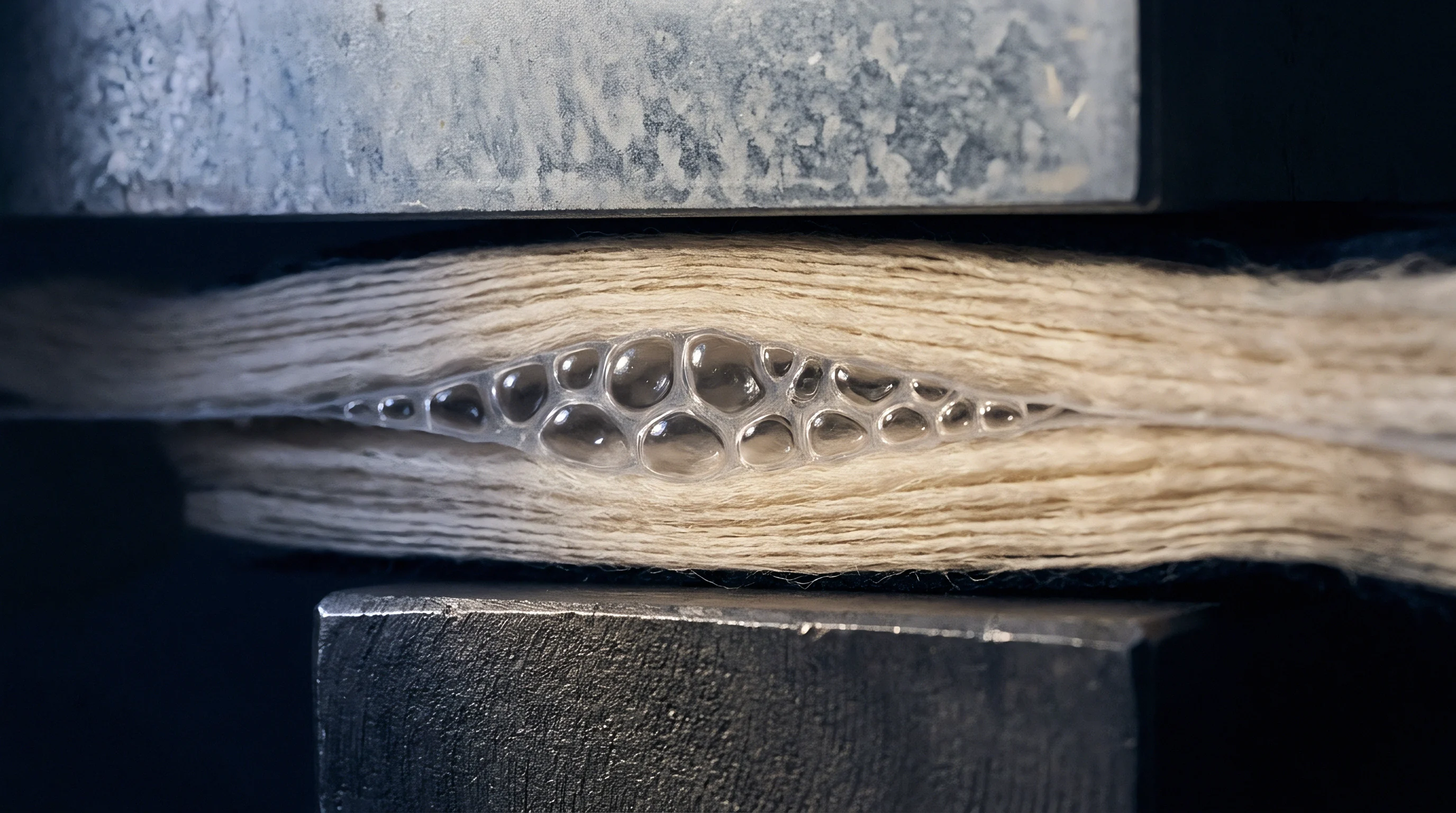
The molecular weight distribution of dissolved cellulose dictates the viscoelastic performance of extrudable fluids. Thermal breakdown of both solvent and polymer severely alters fluid rheology, directly impacting filament extrusion mechanics, air gap attenuation, and finished fiber tensile properties. Viscosity drops sharply.

Viscosity Loss and Cellulose Chain Scission Mechanics
Progressive breaking of beta-1,4-glycosidic bonds reduces the average degree of polymerization in polymer solutions. Thermal oxidative radicals generated by amine oxide decomposition attack the cellulosic polymer backbone via random chain scission. This process causes an exponential reduction in zero-shear viscosity, altering the fluid’s non-Newtonian flow behavior.
Cellulose solutions exhibit pronounced shear-thinning behavior fitted to the Cross or Carreau-Yasuda rheological models. As thermal scission lowers the weight-average molecular weight, the relaxation time of polymer chains decreases. The zero-shear viscosity plateau shifts toward lower values, while the onset of shear thinning moves to higher shear rates.
Radical traps preserve chains. Tenacity reflects polymer weight.

Extrusion Stability and Filament Tenacity Impact
Air gap elongation during dry-jet wet spinning relies on uniform polymer molecular entanglements to maintain continuous filament draws. Thermal degradation lowers chain entanglements per unit volume, promoting capillary jet breakup and filament draw resonance. Inconsistent viscoelastic recovery leads to cross-sectional diameter variation along the spun fiber tow.
Spun filament tenacity correlates directly with the final degree of polymerization of extruded cellulose. When solvent thermal instability reduces the degree of polymerization from an optimal 650 down to below 450, dry filament tenacity drops from 40 cN/tex to less than 28 cN/tex. Structural orientation achieved in the air gap fails to consolidate efficiently in the coagulation bath, generating void structures that reduce fiber fatigue resistance and increase fibrillating tendencies during wet textile processing.
- Zero-Shear Viscosity Target confirms cellulose structural integrity by holding dynamic viscosity within 5 percent of nominal target range at 105 degrees Celsius.
- Polydispersity Index Verification measures molecular weight distribution to prevent premature filament necking during high-speed air gap drawing.
- Volatiles Evolution Rate tracks gaseous byproduct formation to detect early solvent thermal cleavage before physical viscosity changes surface.
- Elastic Recovery Margin evaluates storage modulus values to maintain stable die swell ratios at the spinneret exit orifice.
As a practical rule, a 10 percent drop in zero-shear viscosity over a four-hour processing window indicates active thermal chain scission requiring immediate stabilizer concentration adjustment.


Outlay
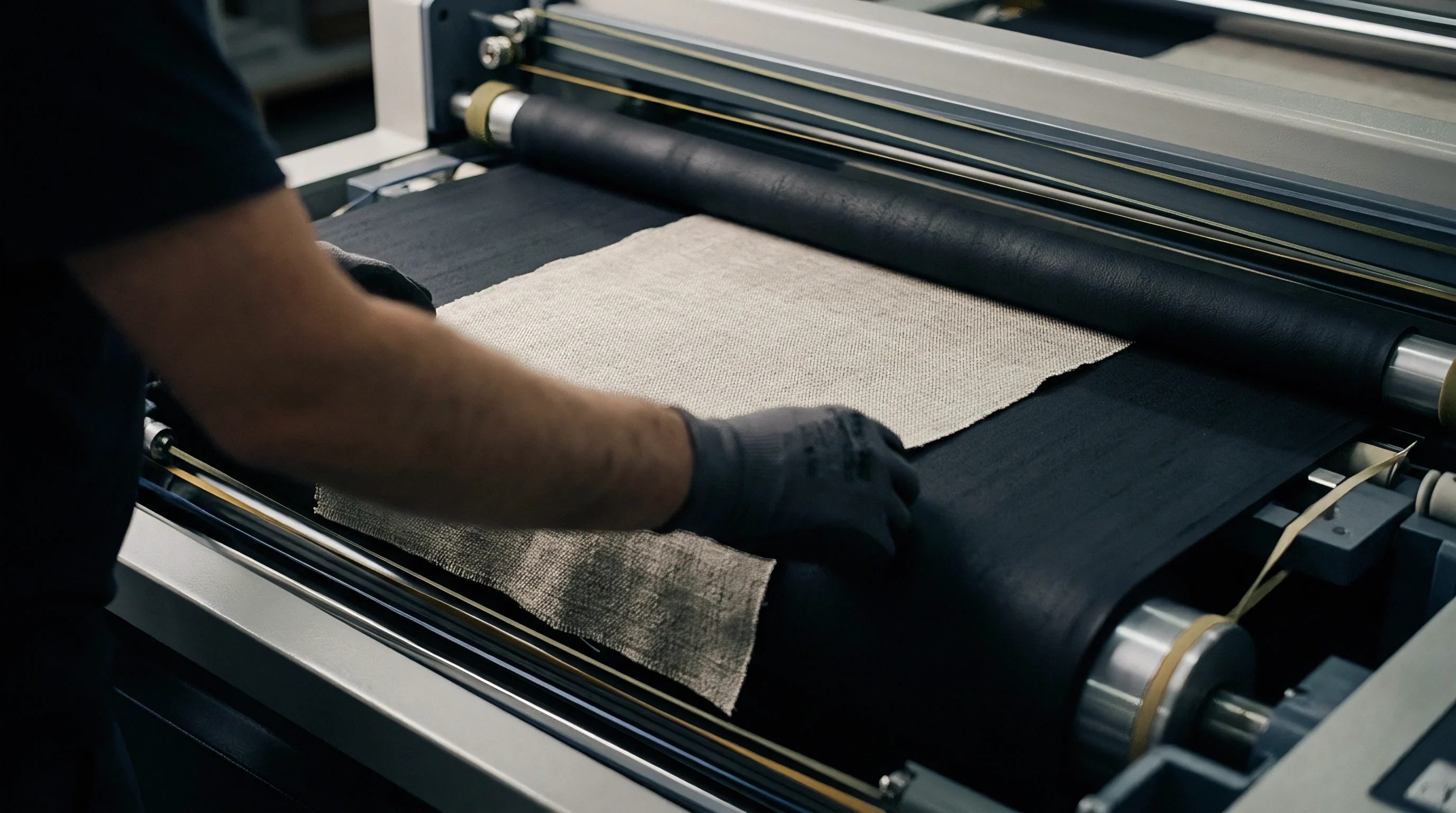
Financial returns on lyocell fiber production plant investment depend heavily on solvent recovery efficiency across continuous operation cycles. Because N-methylmorpholine N-oxide is a costly, specialized organic chemical, thermal stabilization dynamics directly dictate operating margins and final fiber landed costs.

Solvent Recovery Economics and Thermal Degradation Losses
Evaporative concentration systems process weak wash waters containing 5 percent to 15 percent tertiary amine oxide to return high-purity monohydrate feedstocks. Thermal decomposition during fiber spinning and wash water evaporation destroys solvent mass, converting active solvent into morpholine, N-methylmorpholine, and volatile gases that escape into off-gas treatment units.
Commercial viability demands solvent recovery efficiency exceeding 99.5 percent per pass. Thermal degradation that lowers recovery efficiency to 98.5 percent increases raw material makeup costs by over 180 USD per metric ton of staple fiber produced. Furthermore, degradation byproducts accumulate in the liquid stream, necessitating side-stream distillation or anion-exchange purification to prevent dark chromophore buildup.
Distillation demands clean feed. Solvent recovery exceeds targets.
Thermal decomposition of amine oxide solvents increases operational expenditure through direct chemical replacement costs and reduced recovery distillation yields.
| Propyl Gallate Dosage (%) | Annual Solvent Loss (%) | Recovery Distillation Yield (%) | Replacement Solvent Cost ($/MT) | Total Landed Cost Premium ($/MT Fiber) |
|---|---|---|---|---|
| 0.01 | 1.85 | 98.15 | 3.80 | 215.00 |
| 0.03 | 0.45 | 99.55 | 3.80 | 52.00 |
| 0.05 | 0.20 | 99.80 | 3.80 | 28.00 |
| 0.08 | 0.18 | 99.82 | 3.80 | 34.50 |
Customs Duty Classifications and Tariff Consequences
International trade declarations for lyocell staple fibers rely on precise chemical identification under Harmonized System chapter 55. Quantitative composition testing conducted per ISO 1833-22 verifies pure regenerated cellulosic content, distinguishing lyocell from modified viscose or acetate fibers to secure correct tariff code assignment.
Import classifications for lyocell staple fiber fall under HS code 5504.10. Misclassification or incomplete chemical differentiation during customs verification audits can reclassify shipments under synthetic staple fiber headings (HS 5503), incurring preferential margin loss and exposing importers to retrospective duty adjustments ranging from 3.2 percent to 8.0 percent ad valorem.
Standard commercial supply contracts enforce a strict quality clause: ‘Shipments of regenerated cellulosic staple fiber must exhibit an average degree of polymerization of not less than 500, verified by ISO 5351 cupriethylenediamine viscosity testing, with chemical composition certified pure lyocell under ISO 1833-22; failure to meet these criteria permits the buyer to reject the consignment at the port of entry at the seller’s expense.’