Solvent Mechanism
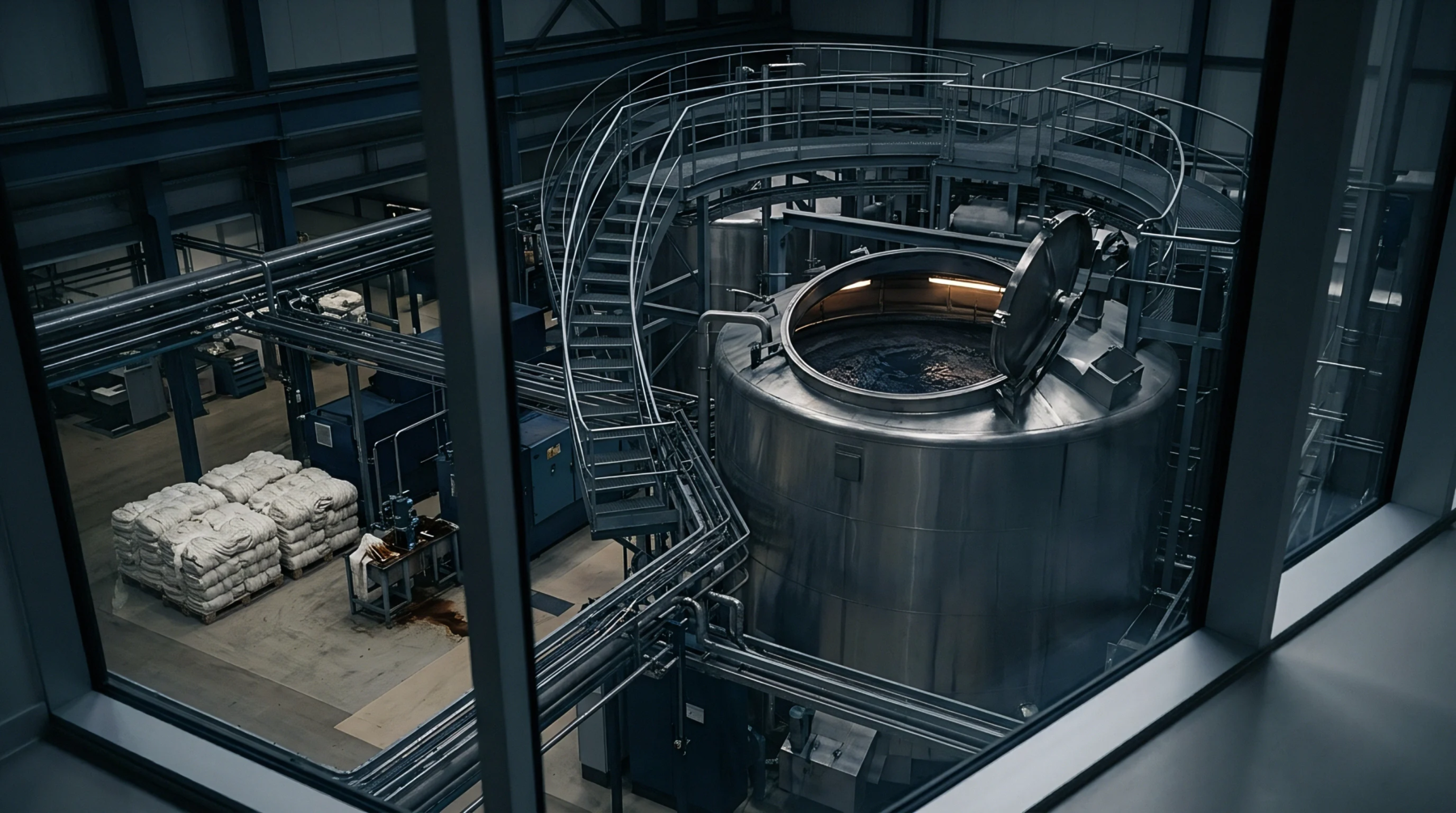
Chemical breakdown occurs when concentrated alkali or amine solutions penetrate the crystalline regions of native polymer networks. Cellulose dissolution allows regenerated fiber manufacturers to transform wood pulp into viscous spinning dopes before extrusion through spinnerets. Viscose production relies upon sodium hydroxide baths to swell molecular chains until xanthation renders the substrate soluble in aqueous media.
Industrial laboratories measure filterability and alkali resistance to verify that complete molecular dispersion has eliminated residual gel particles prior to wet spinning.
Viscosity Control
Rheological behavior determines how rapidly a polymer solution flows through delivery pipes and metering pumps. Polymer chain length dictates the internal friction of the spinning solution, so manufacturers monitor molecular weight reduction during alkaline steeping. Excessive depolymerization yields weak regenerated filaments with inadequate tenacity for high-speed weaving operations.
Conversely, insufficient breakdown produces overly thick dopes that clog spinneret orifices during continuous filament extrusion.
Regeneration Kinetics
Acid coagulation baths neutralize the alkaline dope to precipitate the solid carbohydrate back into stable filament form. Bath temperature and sulfuric acid concentration dictate the speed at which solid skin forms around the extruded jet. Rapid neutralization creates internal stresses that cause fiber distortion, whereas balanced diffusion rates yield uniform cross-sectional morphology.
Commercial buyers inspect regenerated rayon for denier uniformity and elongation properties that verify proper chemical transformation during precipitation.
Extrusion Boundary
Thermal degradation limits the duration that spinning solutions can remain heated inside storage vessels prior to wet spinning. Processing temperatures must remain strictly regulated because prolonged exposure to heat induces irreversible chain scission and gel formation. Mill operators reject batches exhibiting altered flow indices because degraded dopes produce irregular yarn breaks on industrial looms.
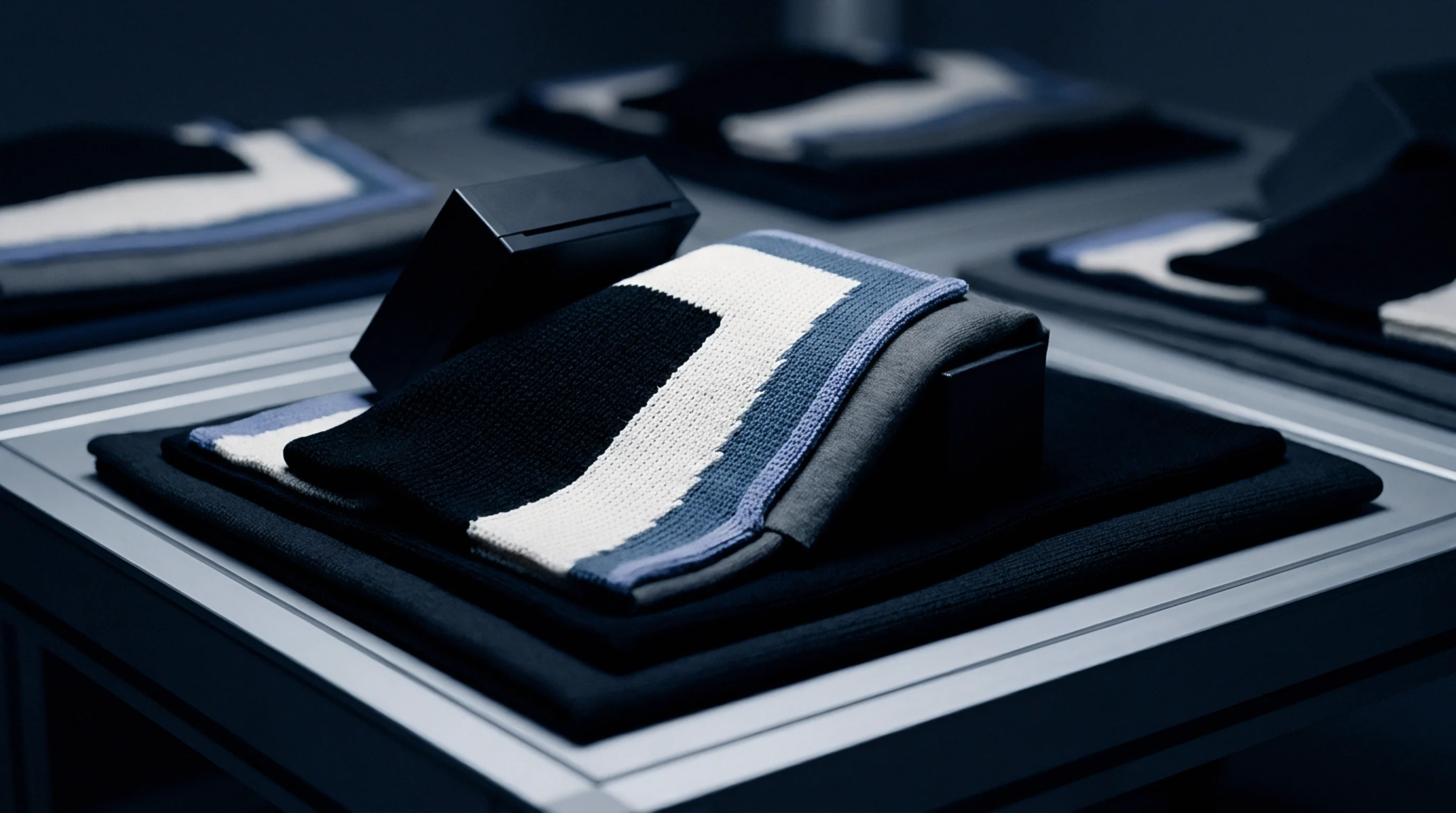
Polymer stability ultimately dictates the commercial viability of transforming natural wood pulp into high-performance regenerated textiles.