Chemical Phase
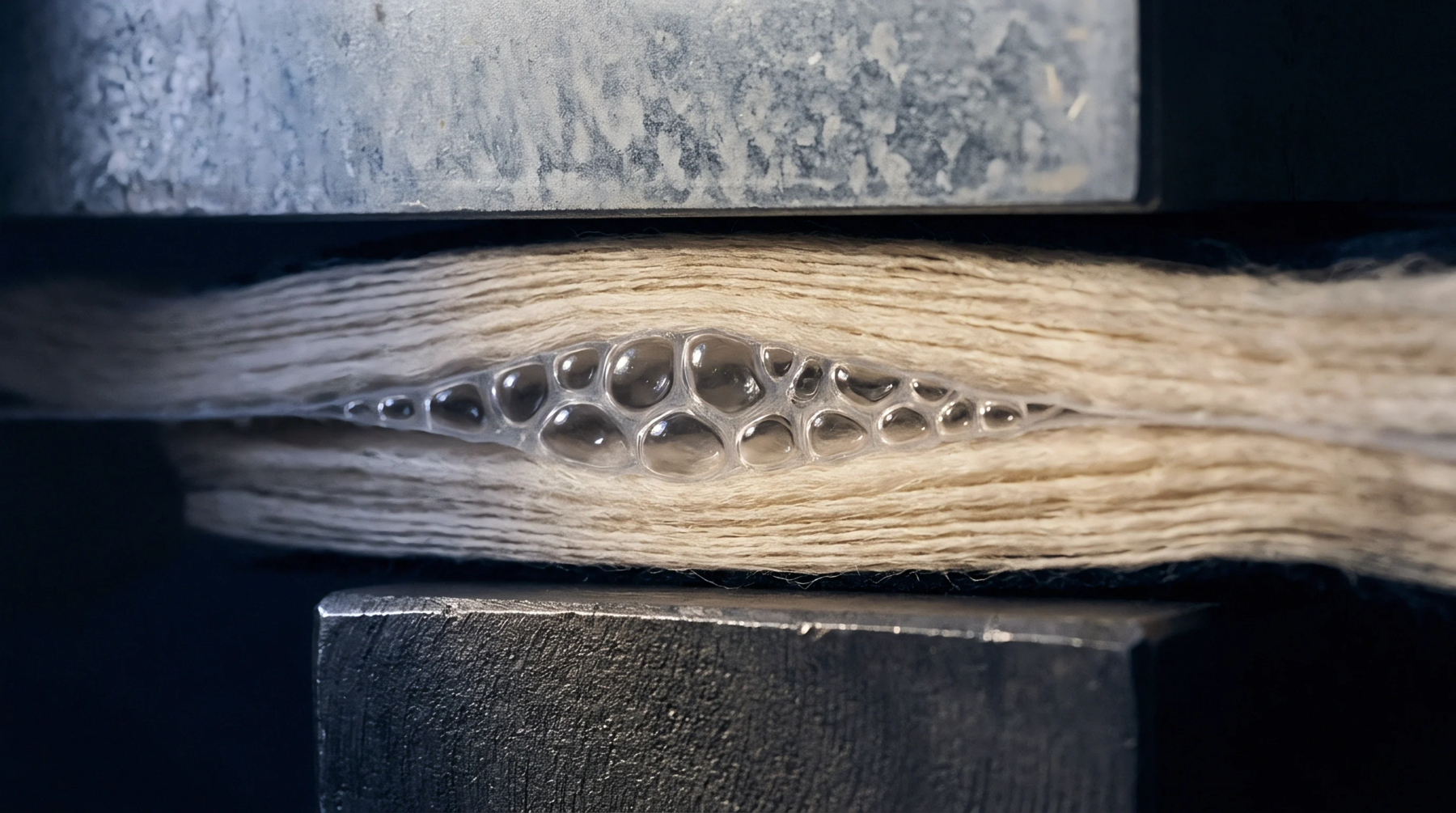
Polymeric carbohydrate mass transferred into liquid phase during selective chemical solvent separation forms the basis of quantitative cellulosic blend analysis. Secondary reactions separate dissolved cellulose from synthetic residue when testing regenerated or natural staple components in fabric swatches. Isolation occurs across standardized reagents such as cupriethylenediamine or concentrated sulfuric acid.
Standardized procedures quantify remaining insoluble material to calculate component ratios under ISO 1833 protocols.
Dissolution Reagent
Aqueous solvents targeting polysaccharide hydroxyl groups isolate target polymers by disrupting hydrogen bonding networks without attacking synthetic filaments. Sulfuric acid solutions dissolve viscose and lyocell rapidly while leaving adjacent polyester strands structurally intact. Bath temperature and dwell time demand continuous monitoring during solvent digestion.
Incomplete liquor penetration leaves unreacted clumps that skew analytical yields upward, whereas excessive heating degrades non-cellulosic polymers. Routine test sequences verify solvent bath strength via titration prior to sample immersion.
Gravimetric Yield
Residual solids recovered upon sintered glass crucibles establish the base gravimetric calculation after thorough solvent rinsing. Technicians wash extracted residues with deionized water followed by dilute ammonia neutralizers to eliminate retained acidic liquor. Oven drying at one hundred and five degrees Celsius dries the insoluble material to constant weight.
Calculated mass deficit corresponds to dissolved cellulose stripped during the wet digestion cycle. If residual sizing materials or spun yarns retain traces of solvent salts, the recorded dissolution loss exhibits systematic deviation. Applying a validated empirical correction factor d accounts for nominal mass loss suffered by the insoluble fiber component during chemical exposure.
Unadjusted values misstate commercial billing percentages between yarn spinners and finishing houses. Accurate gravimetric accounting confirms whether delivered fabric lots meet contracted yarn composition thresholds.
Viscosity Control
Intrinsic flow resistance measured through capillary viscometry provides verification of chemical chain cleavage within regenerated solutions. Cuprammonium solutions expose the degree of polymerization preserved during staple processing. Lower molecular weight fractions generate diminished shear resistance under steady gravity feed.
Timing discrepancies flag thermal degradation introduced during bleaching operations. Pulp dissolution performance remains tied to initial cellulose purity and baseline hemicellulose concentrations.