
Standardizing Trypsin Digestion Parameters for Cashmere Identification
Standardized trypsin digestion at pH 8.2 and thirty-seven degrees for sixteen hours yields diagnostic peptides separating cashmere from wool by liquid chromatography.
Standardized trypsin digestion at pH 8.2 and thirty-seven degrees for sixteen hours yields diagnostic peptides separating cashmere from wool by liquid chromatography.

Proteomic LC-MS/MS quantifies animal hair blend percentages by measuring species-specific keratin peptide markers against isotope-labeled internal standards.

Commercial laboratory default reporting limits frequently sit above regulatory thresholds, requiring buyers to specify lower analytical cutoffs in sourcing contracts.

Polyurethane fabric compliance demands EN 17131 solvent extraction GC-MS verification rather than headspace screening to capture entrapped aprotic solvents.

Fluorochemical compliance disputes demand standardized extraction solvents, split-sample protocols, and pre-allocated retest liabilities in purchase orders.

Analytical tolerances for banned arylamines in recycled polyester demand LC-MS verification to eliminate oligomer false positives above 20 mg/kg.

Empirical laboratory testing of raw liquid chemical auxiliaries prior to vat injection is mandatory to prevent subcontracted dyehouse contamination.
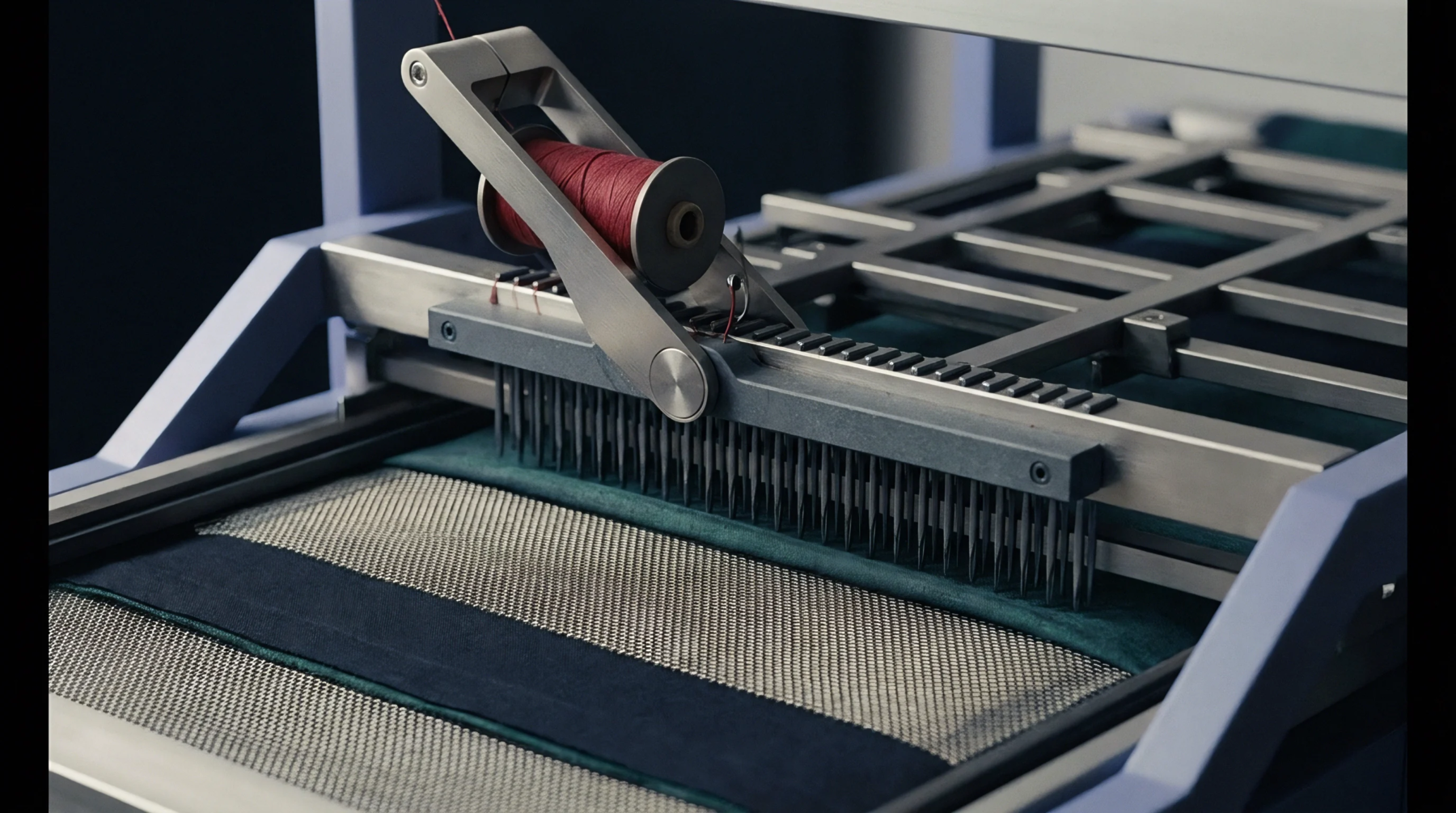
Unified chemical threshold matrices enable multi-market fabric clearance by harmonizing the strictest global limits into single-lot test protocols.

Statistical acceptance sampling for restricted chemical finishes requires composite dilution accounting to protect buyers from hazardous batch contamination.

Transatlantic textile claims resolve by applying critical difference calculations to inter-laboratory test variances before declaring commercial non-conformity.

Reconciling trace contaminant migration across recycled fiber tiers requires combining partition-coefficient modeling with batch testing rather than relying on paper mass balance credits alone.
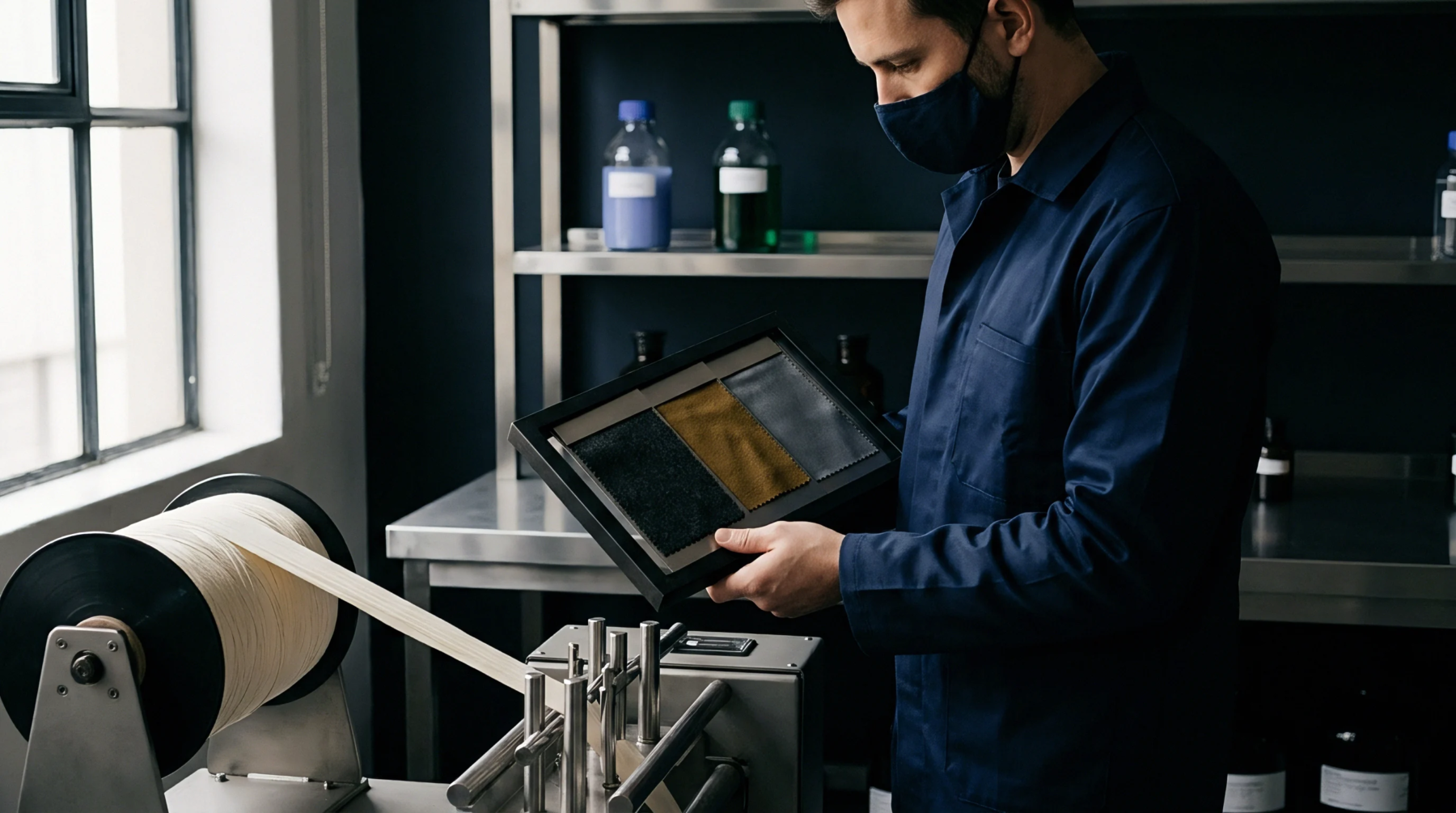
Contractual verification limits for repeat textile shipments require defined testing frequencies, standardized extraction methods, and explicit action thresholds.

Accelerated hydrothermal stress testing before export reconciles ocean transit chemical drift against fixed destination laboratory reporting limits.

ISO 17025 envelope testing establishes clearance by testing worst-case chemical and physical fabric boundaries to clear full material families across markets.

LC-MS/MS biomarker quantification measures species-specific keratin peptide markers to verify cashmere yarn purity within a 1.0 percent mass limit of quantification.

Repeat order verification relies on targeted chemical screening and transaction document cross-checking to confirm batch conformity against baseline approvals.

Subcontracted wet processing liability hinges on lot-level transaction certificates, retained split samples, and explicit pass-through warranty clauses.
Expertise is a utility, not a secret. sentiention™ publishes its working knowledge as open reference: intelligence layer covering the materials it sources, the markets it enters, and the reference that serves both.