Quantifying Trace Contaminant Migration and Mass Balance Reconciliation across Multi-Tiered Recycled Fiber Supply Chains
Reconciling trace contaminant migration across recycled fiber tiers requires combining partition-coefficient modeling with batch testing rather than relying on paper mass balance credits alone.


Migrants
Recycled post-consumer and post-industrial textile feedstocks carry legacy chemical residues that survive mechanical and chemical processing. When apparel waste, industrial offcuts, or post-consumer bottles enter recycling streams, chemical compounds applied during original manufacturing remain embedded in the polymer matrix or adsorbed onto surface fibers. Managing chemical compliance across multi-tiered recycling networks requires tracking these substances from feedstock collection through yarn spinning, dyeing, and fabric finishing.
Standardized testing reveals that recycled fibers frequently contain restricted substances that breach modern market access limits, including REACH Annex XVII, OEKO-TEX Standard 100, and brand-specific Restricted Substances Lists.
Contaminants persist through successive mechanical recycling cycles.
Feedstock origin determines the initial chemical contamination profile. Post-consumer cotton textiles collected from municipal waste streams regularly contain residual alkylphenol ethoxylates, heavy metals from legacy azo dyes, phthalate plasticizers from screen print pastes, and formaldehyde from durable press finishes. Post-consumer polyethylene terephthalate bottles converted into recycled polyester staple fiber carry residual antimony catalysts, ethylene glycol oligomers, acetaldehyde, and surface contamination from food or industrial packaging.
Pre-consumer post-industrial cutting waste offers cleaner chemistry, yet batch variability remains high due to mixed fabric treatments, spin finishes, and elastomeric additives integrated during original textile production.
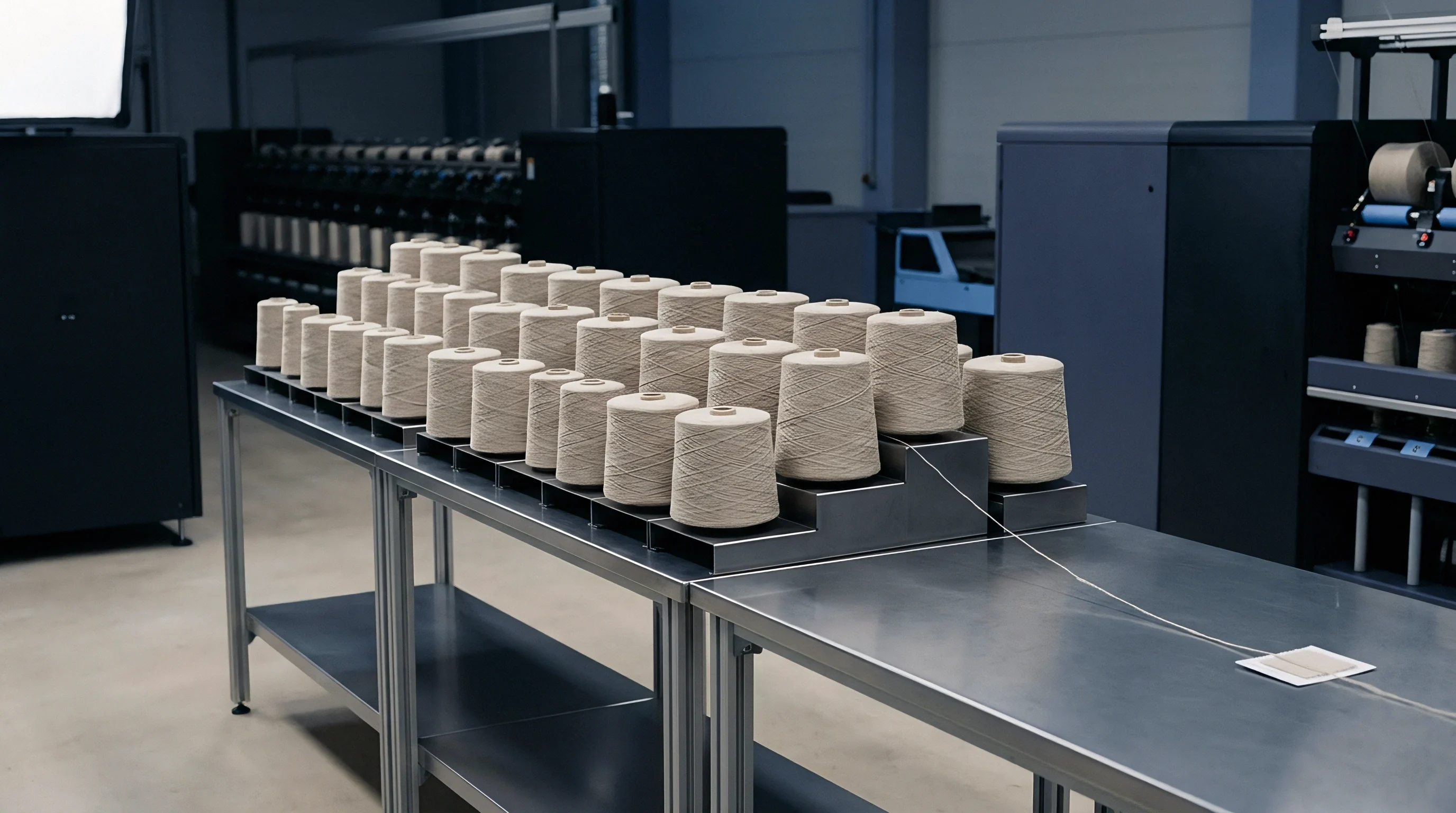
Contaminant Profiles across Recycled Fiber Classifications
Identifying residual chemistries across feedstock tiers establishes the baseline for mass balance calculations. Alkylphenol ethoxylates, specifically nonylphenol ethoxylates and octylphenol ethoxylates, serve as non-ionic surfactants historically utilized in scouring, washing, and dye leveling. Under REACH Annex XVII entry 46, nonylphenol ethoxylates are restricted to a maximum concentration of 100 milligrams per kilogram in washable textile articles.
Testing post-consumer mechanical recycled cotton reveals nonylphenol ethoxylate concentrations ranging between 45 milligrams per kilogram and 380 milligrams per kilogram, requiring dilution or specialized washing stages to meet European Union import limits.
Per- and polyfluoroalkyl substances remain a persistent challenge in recycled synthetic and natural fiber streams. Historical water- and oil-repellent finishes applied to outerwear, upholstery, and technical apparel frequently incorporated long-chain fluorinated chemistries, including perfluorooctanoic acid and perfluorooctane sulfonate. The EU Persistent Organic Pollutants Regulation sets the limit for perfluorooctanoic acid and its salts at 0.025 milligrams per kilogram, while individual perfluorocarboxylic acids carrying 9 to 14 carbon atoms face a combined threshold of 0.25 milligrams per kilogram under REACH Annex XVII entry 68.
Mechanical tearing and garnetting of post-consumer outerwear redistribute these fluorinated polymers across recycled fiber lots, resulting in diffuse per- and polyfluoroalkyl substance detection across un-functionalized yarn batches.
| Chemical Class | OEKO-TEX Class I Limit | REACH Annex XVII Limit | Standard Test Method | Primary Recycled Source |
|---|---|---|---|---|
| Nonylphenol Ethoxylates | 100 mg/kg | 100 mg/kg | EN ISO 18254-1 | Post-consumer mechanical cotton |
| Perfluorooctanoic Acid (PFOA) | 0.025 mg/kg | 0.025 mg/kg | CEN/TS 15968 / DIN 54231 | Post-consumer recycled outerwear |
| Bisphenol A (BPA) | 10 mg/kg | Substance of Very High Concern List | EN 17137 / LC-MS/MS | Post-consumer recycled polyester / elastane |
| Di(2-ethylhexyl) phthalate | 50 mg/kg combined | 1000 mg/kg combined | EN ISO 14389 | Post-consumer printed cotton trim |
| Extractable Antimony | 30 mg/kg | Unrestricted (Specific migration in FCM) | EN 16711-2 | Post-consumer bottle grade rPET |
Bisphenols, particularly bisphenol A and bisphenol S, migrate into recycled polyester and polyamide fractions when recycling synthetic blends containing elastomeric fibers or polycarbonate trims. Synthetic dyes and color-fixing agents applied to synthetic textiles often utilize bisphenol-based intermediates. OEKO-TEX Standard 100 sets strict limits on bisphenol content across product classes, enforcing a 10 milligrams per kilogram limit for Class I infant textiles and 100 milligrams per kilogram for Class II direct-to-skin garments.
Unsorted post-consumer synthetic fibers regularly breach Class I thresholds, exhibiting background bisphenol A concentrations between 12 milligrams per kilogram and 85 milligrams per kilogram.
Phthalates used as plasticizers in vinyl coatings, screen prints, and synthetic coatings present severe compliance risks across European and North American market surveillance regimes. Di(2-ethylhexyl) phthalate, dibutyl phthalate, benzyl butyl phthalate, and diisobutyl phthalate face a combined limit of 1000 milligrams per kilogram under REACH Annex XVII entry 51. OEKO-TEX enforces a far stricter combined limit of 50 milligrams per kilogram for infant product certification.
Mechanical shredding of printed post-consumer T-shirts homogenizes high-concentration plastisol print fragments throughout the fiber slurry, elevating total batch phthalate measurements above allowable limits.

Aromatic Amines and Organotin Residues
Azo colorants capable of cleaving under reductive conditions to yield carcinogenic aromatic amines represent a critical failure point in recycled fiber verification. Standard EN ISO 14362-1 defines the analytical procedure for detecting twenty-four restricted aromatic amines derived from azo dyes, establishing an actionable limit of 30 milligrams per kilogram per amine. Recycled cotton yarns spun from mechanically shredded dyed rags carry legacy azo dyes applied prior to restriction enforcement or sourced from regions with lax chemical oversight.
When mixed shredded rags enter the mechanical carding line, localized hot spots of restricted amines occur, rendering batch sampling highly volatile.
Organotin compounds, including dibutyltin and dioctyltin, stem from historical polyurethane coatings, heat stabilizers, and antibacterial finishes. Standard EN ISO 22744-1 specifies gas chromatography mass spectrometry detection for organotin cations, enforcing limits of 0.5 milligrams per kilogram for dibutyltin and 1.0 milligram per kilogram for dioctyltin in certified finished goods. Organotin residues exhibit thermal stability, resisting thermal degradation during mechanical rag tearing and low-temperature washing, causing persistent transfer into secondary yarn products.
Heavy metals present distinct migration pathways dependent on extraction chemistry. Extractable heavy metals, measured via acid extraction under EN 16711-2, reflect the bio-accessible fraction capable of leaching into human sweat. Lead, cadmium, chromium, and nickel limits in textile articles destined for direct skin contact remain tightly bounded.
Antimony, utilized as a catalyst in polyethylene terephthalate synthesis at concentrations between 150 milligrams per kilogram and 300 milligrams per kilogram, remains largely bound within the polyester crystal matrix but leaches into acidic artificial sweat solutions during standard testing, frequently exceeding the 30 milligrams per kilogram OEKO-TEX Class I threshold.
Post-consumer recycled polyester streams frequently retain residual antimony catalyst levels exceeding 260 milligrams per kilogram due to solid-state polymerization heat treatments.
Feedstock classification dictates the scope of analytical screening required prior to mechanical processing. Primary feedstock sources and their dominant chemical failure modes include:
- Post-Consumer Cotton Apparel Waste contains elevated nonylphenol ethoxylates, legacy azo colorants releasing restricted aromatic amines, and formaldehyde residues from historical crease-resistant resins.
- Bottle-Grade Recycled Polyester Pellets carry residual antimony catalyst concentrations, trace ethylene glycol oligomers, and surface-bound food packaging contaminants.
- Post-Industrial Cutting Waste Blends present localized hot spots of bisphenol A, elastomeric spin finishes, and high-concentration phthalate plasticizers from decorative prints.
- Recycled Polyamide Fishing Nets and Carpets retain organotin heat stabilizers, copper-based anti-fouling agents, and residual caprolactam monomers.
Understanding these chemical profiles allows converters to design targeted wash, extraction, and blending protocols. Failure to characterize incoming feedstock chemistry leads to contamination of downstream processing machinery and finished fabric lots.
Mechanical sorting combined with high-temperature wash cycles removes surface-bound finish chemicals, though residual embedded compounds persist prior to fiber extrusion.


Pulper
Mechanical disintegration of post-consumer rags suspended in aqueous baths triggers immediate mass transfer between the fiber matrix and wash fluids. Aqueous pulping and de-inking operations serve as the primary physical-chemical separation stage where water-soluble and surface-bound contaminants partition between the solid cellulose or synthetic fibers and the surrounding liquid wash phase. The efficiency of trace contaminant removal during wet pulping depends on washing liquor temperature, pH, surfactant chemistry, mechanical shear stress, and the thermodynamic solid-liquid partition coefficient of each specific chemical compound.
Surfactant additions directly alter solid-phase extraction rates.
The mechanical pulping rotor generates intense hydraulic shear, defibering woven and knitted fabric structures into individual staple fibers. This physical break-up increases the accessible surface area of the fiber matrix by several orders of magnitude, exposing trapped chemical residues to the aqueous medium. Water-soluble auxiliaries, such as residual salt, unfixed reactive dyes, and hydrophilic surfactant residues, rapidly dissolve into the pulping liquor.
Hydrophobic contaminants, including phthalate plasticizers, long-chain fluorinated polymers, and disperse dyes, resist aqueous dissolution and remain preferentially bound to the organic fiber phase unless desorbed via chemical washing aids.

Liquid Phase Extraction Kinetics during Mechanical Shredding
Desorption kinetics during wet pulping follow a two-stage mass transfer model. The initial rapid phase involves the mechanical stripping and dissolution of surface-deposited chemicals within the first ten minutes of hydraulic pulping. The second slow phase involves the intra-fiber diffusion of chemical species from within the amorphous regions of the polymer matrix to the fiber surface, governed by Fickian diffusion principles.
Higher bath temperatures accelerate internal diffusion rates, expanding polymer free volume and increasing the kinetic rate of contaminant release into the washing liquor.
Pulping liquor pH significantly alters the ionic state and solubility of weak acid and weak base contaminants. Alkaline pulping at pH 10.0 to 11.5 using sodium hydroxide converts carboxylic acid-terminated perfluoroalkyl substances and phenol-based compounds like bisphenol A into their ionized, water-soluble carboxylate and phenolate forms. This ionization shifts the thermodynamic distribution equilibrium toward the aqueous phase, facilitating removal during liquid-solid separation.
Neutral pulping at pH 6.5 to 7.5 leaves these species in their non-ionized hydrophobic states, maximizing retention on the solid fiber fraction.

Surfactant Mediated Washing and De-Inking Efficiency
Removing hydrophobic finishes demands adding specialized surfactants to the pulping liquor. Non-ionic alcohol ethoxylates featuring hydrophilic-lipophilic balance values between 12 and 15 form spherical micellar structures in aqueous solution once the critical micelle concentration is exceeded. These micelles solubilize hydrophobic species, such as phthalate plasticizers and residual mineral oil spin finishes, encapsulating them within the micellar core and preventing re-adsorption onto the cleaned fiber surfaces.
De-inking operations targeting printed post-consumer textiles rely on a combination of chemical detachment and froth flotation or washing. Alkaline wash liquors hydrolyze print paste binders, detaching pigment particles from the fiber surface. Air injection during flotation de-inking generates fine bubbles that collect hydrophobic ink fragments and carries them to the surface foam layer for mechanical skimming.
Incomplete removal of binder resins results in microscopic pigment-resin agglomerates remaining bound to the fiber, carrying concentrated phthalates, heavy metal pigments, and photoinitiators into the recycled pulp stock.
| Chemical Species | Bath pH | Liquor Ratio | Removal Efficiency at 40°C | Removal Efficiency at 85°C |
|---|---|---|---|---|
| Nonylphenol Ethoxylates | 7.0 | 15:1 | 38% | 82% |
| Bisphenol A | 10.5 | 12:1 | 64% | 94% |
| Di(2-ethylhexyl) phthalate | 8.0 | 15:1 | 12% | 35% |
| Free Formaldehyde | 6.5 | 10:1 | 88% | 99% |
| Perfluorooctanoic Acid | 11.0 | 15:1 | 71% | 96% |
Liquor-to-goods ratios dictate the maximum attainable concentration gradient between fiber and wash liquid. Operating at low liquor ratios, such as 6:1 or 8:1, reduces water consumption and thermal energy costs but leads to rapid saturation of the washing liquor, diminishing the thermodynamic driving force for contaminant mass transfer. High liquor ratios, such as 20:1, maintain a steep concentration gradient, maximizing total contaminant removal per wash cycle.
Counter-current multi-stage washing systems optimize water usage by directing clean rinse water onto fully washed fiber beds, while sending effluent back to earlier, highly contaminated pulping stages.
Washing continuous mechanical slurry removes surface-adsorbed water-soluble auxiliaries but leaves cross-linked hydrophobic finishes locked inside the amorphous polymer region.
Polymeric fiber structures continue to trap hydrophobic residues inside amorphous zones.
Mechanical dewatering using continuous belt presses or screw presses separates the washed fiber pulp from the contaminated effluent liquor. The residual moisture content of the dewatered pulp cake, typically ranging between 40 percent and 55 percent wet basis, retains dissolved contaminants present in the entrained pore water. Upon thermal drying, these dissolved chemical residues evaporate to dryness, re-depositing their non-volatile chemical payload directly back onto the recycled fiber surface.
Thorough displacement washing using clean process water prior to final mechanical dewatering prevents this re-deposition phenomenon.
Higher bath temperatures reduce aqueous wash viscosity and improve surfactant penetration into dense knit structures.


Partitioning
Thermodynamic distribution mechanics govern the equilibrium allocation of chemical contaminants between solid textile polymers, aqueous process liquors, and gaseous emissions during elevated-temperature finishing processes. Chemical species embedded within recycled fibers do not remain static. During thermal operations such as stenter frame heat setting, steam pleating, and hot melt yarn extrusion, volatile and semi-volatile trace contaminants undergo vapor-phase sublimation, cross-contaminating adjacent machinery, clean fabric rolls, and ambient exhaust streams.

Thermodynamic Distribution Coefficients in Polymeric Blends
The solid-liquid distribution coefficient, designated as K_sl, quantifies the equilibrium concentration ratio of a specific chemical contaminant between the solid polymer phase and the surrounding liquid phase. A high K_sl value indicates strong chemical affinity for the polymer matrix, resulting in low washability and persistent contaminant retention. The octanol-water partition coefficient, log K_ow, serves as a predictor for chemical behavior during aqueous wet processing.
Non-polar hydrophobic compounds with log K_ow values exceeding 4.0, such as perfluorooctane sulfonate and phthalate plasticizers, partition almost exclusively into synthetic polymers like polyester and polyamide, resisting aqueous extraction.
Polymer morphology dictates the thermodynamic capacity for contaminant holding. Amorphous regions within synthetic fibers exhibit high free volume, accommodating guest molecules like plasticizers, disperse dye carriers, and residual monomer oligomers. Highly crystalline regions resist chemical penetration and migration.
During thermal processing above the polymer glass transition temperature, amorphous polymer chains gain segmental mobility, increasing the diffusion coefficient of embedded trace contaminants by several orders of magnitude and accelerating their migration to the fiber surface.
| Chemical Compound | Molecular Weight (g/mol) | log K_ow | Sublimation Temp (°C) | Dominant Migration Pathway |
|---|---|---|---|---|
| Dibutyl Phthalate (DBP) | 278.34 | 4.46 | 150 | Vapor phase sublimation to exhaust |
| Bisphenol S (BPS) | 250.27 | 1.65 | 220 | Contact migration in wet processing |
| Disperse Yellow 3 | 269.30 | 3.54 | 180 | Thermosol contact cross-staining |
| 2-Naphthylamine | 143.19 | 2.25 | 120 | Volatilization during hot pressing |
| Nonylphenol | 220.35 | 5.76 | 170 | Aqueous wash re-adsorption |
In multi-fiber recycled blends, such as post-consumer cotton-polyester or wool-synthetic mixtures, chemical contaminants partition preferentially into whichever polymer phase offers the highest thermodynamic compatibility, a dynamic governed by solid-liquid extraction coefficients. Hydrophobic disperse dye residues and perfluorinated alkyl chains migrate out of hydrophilic cotton fibers and accumulate within adjacent polyester filaments during aqueous thermal processing. This cross-staining mechanism creates non-uniform chemical contamination profiles across blended yarn structures, complicating analytical verification and batch certification.
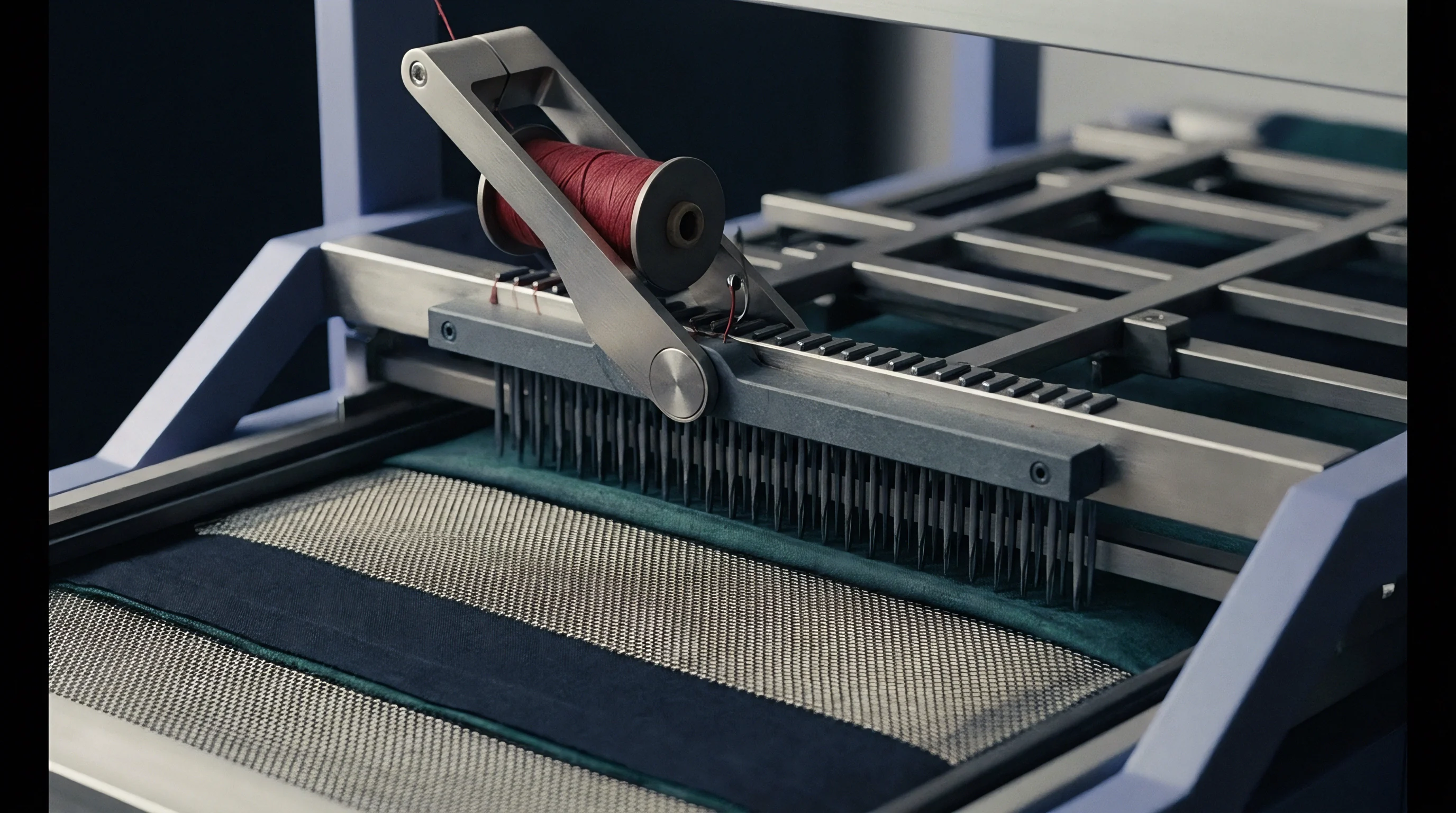
Sublimation and Vapor Phase Migration during Heat Setting
Thermal energy inputs drive chemical volatilization and degradation.
Thermal fixing and drying operations conducted in stenter frames at temperatures between 160°C and 210°C convert semi-volatile organic compounds into the vapor phase. Phthalate plasticizers, low-molecular-weight disperse dyes, and residual anti-static agents volatilize from the heated fabric web, entering the stenter airflow. As heated air circulates through the drying chambers, these airborne chemical vapors condense onto cooler structural surfaces, oil collection sumps, and incoming clean fabric rolls, causing systemic plant-wide cross-contamination.
Article 33 of the REACH Regulation mandates immediate downstream notification whenever a Substance of Very High Concern exceeds 0.1 percent by weight in any delivered textile article.
Contact migration occurs when dyed or finished recycled fabrics sit in direct physical contact with un-dyed or virgin fabrics under pressure and elevated humidity. Storage of tightly wound fabric rolls containing residual bisphenol A or disperse dyes results in solid-state diffusion across layer interfaces. The rate of contact migration depends on inter-layer contact pressure, storage ambient temperature, moisture regain of the fibers, and the saturation solubility of the migrant species within the receiving fiber phase.
Airborne transport across drying chambers recontaminates clean roll goods.
Mathematical modeling of trace contaminant migration utilizes Fick’s second law of diffusion for transient conditions. The local chemical concentration C at depth x within a fiber of radius r over time t follows the relationship:
dC/dt = D (d²C/dx² + (1/x) dC/dx)
where D represents the temperature-dependent diffusion coefficient defined by the Arrhenius equation:
D = D_0 exp(-E_a / (R T))
Here, D_0 is the pre-exponential diffusion factor, E_a is the activation energy for migration within the specific polymer matrix, R is the universal gas constant, and T is the absolute processing temperature in Kelvin. Thermal processing exceeding the activation energy threshold triggers rapid contaminant release, shifting the mass balance from internal retention to surface evaporation or liquid bath extraction.
It remains uncertain whether non-volatile fluorinated side-chain polymers undergo degradation during melt extrusion to yield free perfluoroalkyl acids in finished filament yarns.


Allocation
Tracking chemical mass balances across multi-tier recycled supply networks requires reconciling inventory volume accounting with real-world physical concentration metrics. As certified recycled feedstocks move from scrap collectors through shredders, pulping mills, spinning units, and dyehouses, chemical contaminants undergo dilution, concentration, and volumetric mixing. Traceability frameworks must accurately account for both physical mass flows and chemical mass attributes to ensure finished products satisfy regulatory limits and certified content claims.

Mass Balance Accounting Models under ISO 22095
Standard ISO 22095 defines the framework for chain of custody models applied to recycled materials, establishing clear boundaries between physical segregation models and mass balance allocation systems. Physical segregation models demand strict batch isolation, ensuring that certified recycled inputs remain physically separated from virgin inputs throughout processing. Under physical segregation, chemical contaminant concentrations in the finished product correspond directly to the weighted average of the incoming recycled raw material, modified only by processing losses and wash yields.
Mass balance allocation models, including the Controlled Blending model and the Credit System under Global Recycled Standard v4.0, permit physical mixing of certified recycled fiber with non-certified virgin fiber within a single manufacturing process step. Accounting ledgers credit the certified recycled output based on input ratios, but physical distribution of fibers within individual yarn packages varies. From a chemical compliance perspective, mass balance allocation introduces severe verification challenges, as physical testing of a certified recycled product lot may reveal zero recycled fiber content due to uneven physical distribution, or conversely, an uncertified lot may carry the entire trace contaminant load from the recycled feedstock batch.
A ten percent volumetric input of post-industrial recycled feedstock containing 450 milligrams per kilogram of bisphenol S generates a finished yarn concentration of 45 milligrams per kilogram under uniform physical blending.
Reconciling chemical mass balance across certified supply nodes requires tracking both total fiber mass flow and trace chemical mass flow through each processing step. The mass conservation equation for a specific chemical species i across a processing unit operating under steady-state conditions is defined as:
M_input C_input + M_chemicals_added C_added = M_output C_output + M_effluent C_effluent + M_emissions C_emissions
where M represents total mass flow rate and C represents the mass concentration of chemical species i in each respective inlet and outlet stream. Industrial processes rarely operate with total mass balance visibility, as effluent discharge concentrations and volatilized emissions are seldom measured continuously at batch scale.

Mathematical Mechanics of Chemical Dilution versus Attribution
Strict physical segregation eliminates attribution errors in inventory accounting.
Blending recycled fibers containing known contaminant concentrations with clean virgin fibers dilutes the average chemical concentration across the total batch mass. Consider a mechanical cotton spinning mill blending 30 percent post-consumer recycled cotton containing 180 milligrams per kilogram of nonylphenol ethoxylates with 70 percent virgin organic cotton containing zero nonylphenol ethoxylates. Assuming uniform mechanical opening, blending, and carding, the theoretical output concentration is calculated as:
C_blend = (0.30 180 mg/kg) + (0.70 0 mg/kg) = 54 mg/kg
This physical dilution reduces the final nonylphenol ethoxylate concentration below the 100 milligrams per kilogram regulatory threshold under REACH Annex XVII, rendering the finished yarn chemically compliant despite utilizing non-compliant raw feedstock inputs.
Volume credits on mass balance ledgers expire after twelve months.
Measurements indicate a net residual concentration of 31.5 milligrams per kilogram. Calculating real-world yield losses across multi-tiered manufacturing requires applying empirical retention factors. The following numbered sequence details the mathematical steps required to reconcile trace chemical mass balance across a multi-stage mechanical recycling and spinning process:
- Quantify incoming feedstock dry mass and measure initial contaminant concentration via quantitative solvent extraction and chromatography.
- Apply the wet mechanical pulping yield factor to determine dry fiber mass loss through short-fiber dust generation and aqueous waste extraction.
- Calculate the liquid-phase mass loss by multiplying effluent bath volume by measured waste liquor contaminant concentration.
- Determine post-wash fiber cake contaminant loading by subtracting liquid-phase loss and short-fiber loss from initial feedstock mass.
- Calculate mechanical carding and spinning lint loss, deducting short fiber waste from total dry fiber inventory balance.
- Apply the virgin fiber blending ratio equation to determine final theoretical contaminant concentration in spun ring yarn packages.
- Perform analytical verification testing on final yarn packages to validate theoretical calculated concentrations against real-world measured values.
Discrepancies between calculated theoretical concentrations and measured laboratory test values indicate non-uniform fiber blending, unmeasured chemical volatilization during thermal processing, or secondary cross-contamination from mill machinery. Mass balance ledgers operating solely on paper transactions without physical chemical verification risk carrying systematic compliance errors across entire supply chain tiers.
Section 4.2 of the Global Recycled Standard v4.0 dictates that mass balance credit ledgers expire after twelve calendar months, preventing mills from banking historical volume credits to offset uncertified virgin fiber inputs.


Surveillance
Analytical verification of trace substances demands solvent extraction protocols tailored to specific polymer matrices and quantitative instrumental analysis. Validating chemical compliance across multi-tiered recycled fiber supply chains requires rigorous laboratory surveillance adhering to ISO 17025 accredited methods. Relying exclusively on paper scope certificates or transaction certificates creates exposure to border detentions, brand audit failures, and product recalls, as transaction documentation verifies volumetric volume flows without guaranteeing chemical purity of individual production lots.

Can Mass Balance Audits Replace Direct Chemical Testing?
Documentary verification of transaction certificates establishes chain of custody without confirming the chemical purity of individual production lots. Paper documentation verifies that a specified volume of certified recycled material transferred between supply chain nodes, but paper cannot detect secondary contamination, improper chemical washing, or uncertified feedstock substitutions at the mill floor. Direct chemical testing of physical samples pulled from actual shipping containers provides the only definitive proof of regulatory compliance.
Scope certificates confirm that a manufacturer possesses the operational capability, machinery, and management systems to produce certified recycled goods according to specific standards such as the Global Recycled Standard or Recycled Claim Standard. Transaction certificates authenticate that a specific shipment volume transferred from a certified seller to a certified buyer. Neither document carries analytical test reports for specific chemical substances.
A mill holding a valid scope certificate can easily process contaminated post-consumer scrap that violates REACH Annex XVII limits, passing the non-compliant fabric down the supply chain accompanied by valid transaction documentation.
Paper documentation cannot substitute for chemical testing of physical lots.

Instrumental Extraction Procedures and Detection Limits
Appropriate solvent selection determines extraction efficiency during sample preparation.
Precise quantification of trace contaminants begins with sample preparation and solvent extraction. Standard EN 17137 defines the procedure for extractable bisphenol A and S, utilizing ultrasonic solvent extraction with methanol at 60°C for 60 minutes. Standard EN ISO 14389 specifies phthalate extraction using tetrahydrofuran, followed by polymer precipitation with n-hexane to isolate plasticizers from the dissolved polyester or elastane matrix.
Incomplete polymer dissolution or inadequate solvent contact times yield falsely low contaminant measurements, leading to false-pass compliance determinations.
| Target Chemical Class | Standard Test Method | Extraction Solvent System | Instrumental Technique | Limit of Quantification |
|---|---|---|---|---|
| Restricted Aromatic Amines | EN ISO 14362-1 | Citrate buffer (pH 6) / Dithionite | GC-MS / LC-MS | 5.0 mg/kg per amine |
| Phthalate Esters | EN ISO 14389 | Tetrahydrofuran / n-Hexane | GC-MS/MS | 10.0 mg/kg combined |
| Extractable Heavy Metals | EN 16711-2 | Acidic artificial sweat solution | ICP-OES / ICP-MS | 0.1 mg/kg (Cd/Pb) |
| Perfluoroalkyl Acids (PFAS) | DIN 54231 / CEN/TS 15968 | Methanol / Ultrasonic bath | LC-MS/MS | 0.01 mg/kg per compound |
| Alkylphenol Ethoxylates | EN ISO 18254-1 | Methanol / Acetonitrile | LC-MS/MS | 5.0 mg/kg total |
Instrumental detection techniques rely on high-resolution chromatography combined with tandem mass spectrometry to eliminate matrix interferences common to recycled textiles. Gas Chromatography Tandem Mass Spectrometry (GC-MS/MS) operating in Multiple Reaction Monitoring mode isolates volatile and semi-volatile species like phthalates, organotins, and cleaved aromatic amines. Liquid Chromatography Tandem Mass Spectrometry (LC-MS/MS) quantifies non-volatile, polar compounds, including per- and polyfluoroalkyl substances, bisphenols, and nonylphenol ethoxylates.
Analytical limits of quantification govern compliance thresholds.
Evaluating laboratory extraction reports against established limit values requires setting analytical Limits of Quantification (LOQ) significantly below regulatory action limits for effective compliance screening. If a regulatory threshold for perfluorooctanoic acid is set at 0.025 milligrams per kilogram, the analytical method must demonstrate an LOQ of at least 0.005 milligrams per kilogram to ensure statistical confidence. Reporting limits set too close to regulatory thresholds risk false-negative results due to signal noise and matrix suppression effects.
Laboratory competence requires verification through ISO/IEC 17025 accreditation scopes. Testing performed by non-accredited facilities or facilities lacking specific chemical methods on their formal scope of accreditation yields legally unenforceable data. Importers must examine laboratory test reports to verify that the specific test method, extraction solvent, target analyte list, and LOQ values match the exact regulatory criteria enforced at the destination port of entry.
Relying solely on paper transaction certificates without conducting randomized batch testing results in commercial customs detentions, expensive product recalls, and severe reputation loss when border control laboratories detect restricted aromatic amines.


Warranty
Commercial purchasing specifications enforce chemical compliance through contractual indemnities, strict lot testing mandates, and pass-fail chemical thresholds. Transacting in multi-tiered recycled fiber markets requires transferring compliance risk explicitly between buyers, converters, spinners, and scrap collectors. Standard purchase order boilerplate language asserting general compliance with applicable laws fails to protect buyers when border surveillance authorities detain non-compliant shipping containers.
Contracts must incorporate specific analytical criteria, testing frequencies, sampling protocols, and financial remedy clauses to insulate importers from upstream chemical contamination risks.

Contractual Risk Distribution in Recycled Fiber Procurement
Specific contract terms determine ultimate financial liability.
Definitive supply agreements establish binding legal obligations regarding trace contaminant limits. Purchase contracts must explicitly incorporate the buyer’s Restricted Substances List as an integral technical specification, binding the seller to individual chemical limit values, specified standard test methods, and defined limits of quantification. Clauses must stipulate that delivering fiber batches exceeding specified chemical thresholds constitutes a fundamental breach of contract, entitling the buyer to reject the lot, demand immediate replacement at the seller’s expense, and recover all incurred testing, storage, and demurrage costs.
Indemnification clauses allocate financial responsibility for third-party claims, regulatory fines, product recalls, and customs detentions resulting from chemical non-compliance. A robust indemnification provision requires the seller to defend, hold harmless, and indemnify the buyer against all direct and consequential damages arising from restricted chemical contamination in delivered recycled goods. Sellers often attempt to cap liability at the invoice value of the delivered goods; however, realistic risk management demands negotiating liability caps that encompass testing expenses, freight costs, customs penalties, and downstream finished goods remediation fees.
Retesting protocols require independent laboratory verification to settle compliance disputes.
Establishing clear lot acceptance testing protocols prevents disputes regarding sample validity. Contracts should reference standardized acceptance sampling frameworks such as ISO 2859-1 (ANSI/ASQ Z1.4), defining the Acceptable Quality Level and inspection level for chemical testing. Sampling procedures must specify that samples be drawn randomly across multiple rolls or bales within a production lot, sealed in non-contaminating packaging, and dispatched to an agreed-upon ISO/IEC 17025 accredited laboratory under verified chain of custody protocols.
The following decision checklist outlines essential risk-mitigation terms required in multi-tiered recycled fiber purchase contracts:
- Explicit Standard Binding incorporates specific chemical restriction lists, product classes, and analytical test methods directly into purchase order line items.
- Pre-Shipment Testing Mandate requires the mill to provide an ISO 17025 accredited test report matching the specific lot number prior to vessel loading.
- Destination Retest Right reserves the buyer’s legal right to perform confirmatory testing at destination ports prior to final invoice payment settlement.
- Indemnification Un-Capping removes liability limits for regulatory fines, customs detentions, and third-party recalls caused by intentional chemical falsification or gross negligence.
- Dispute Resolution Protocol establishes binding arbitration mechanisms utilizing a mutually agreed-upon reference laboratory for contested analytical test results.

Lot Acceptance Protocols and Retest Mechanics
Managing analytical test disputes requires establishing clear retest protocols within the supply agreement. When initial destination testing indicates chemical non-compliance, sellers frequently dispute the result, citing sampling contamination, analytical variance, or laboratory error. Contracts must stipulate that in the event of conflicting test results, a joint sampling procedure will be conducted, sending referee samples to an independent, mutually agreed-upon ISO 17025 laboratory whose analytical findings shall be final and legally binding on both parties.
Well-structured purchase contracts enforce strict batch isolation alongside a clear allocation of testing costs. The agreement must state which party bears testing fees under passing and failing scenarios. Standard commercial practice assigns routine pre-shipment testing costs to the seller, while destination confirmatory testing costs fall to the buyer unless a chemical failure is detected, in which case all re-testing, handling, and storage expenses revert immediately to the seller’s account.
Importers structure batch release criteria around dual testing verification, holding twenty percent of invoice payment until independent ISO 17025 accredited laboratory test reports confirm total chemical compliance.