Ester Cleavage
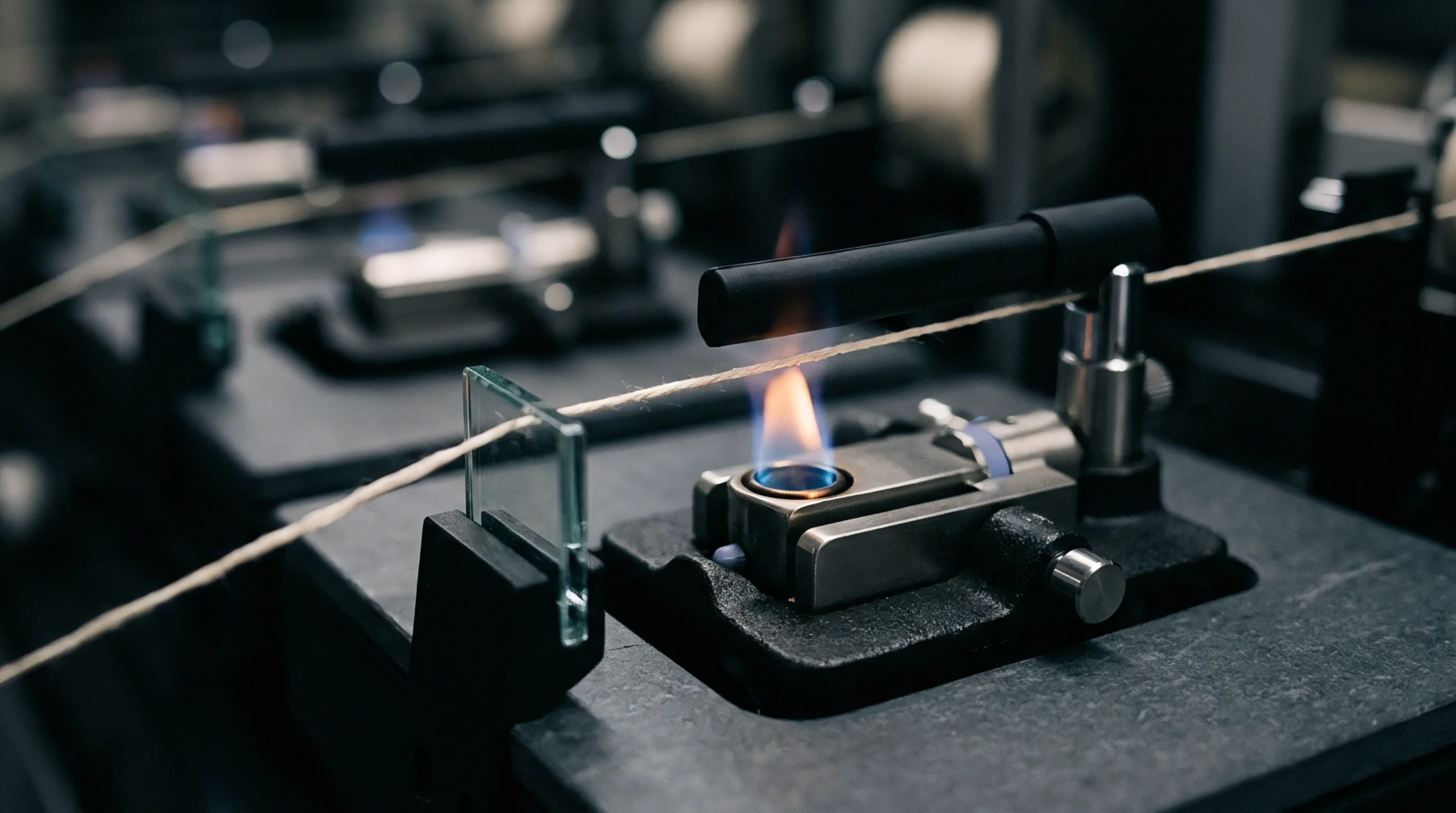
Polymer degradation occurs when water molecules attack vulnerable chemical bonds inside manufactured filaments during wet processing. Chemical scission of polyester chains happens continuously throughout alkaline reduction treatments used for synthetic textiles, where elevated temperatures force hydroxyl ions to break ester linkages inside the polymer backbone. Polymer degradation lowers molecular weight distributions rapidly across treated fabric batches, causing significant tensile strength losses before final garment assembly.
Quality controllers monitor weight retention percentages closely in laboratory conditions to verify that wet processing parameters remain within safe operational limits. Scission rates accelerate when bath pH rises above standard thresholds during weight reduction finishing runs on polyester goods.
Polymer Scission
Industrial finishing plants control bath alkalinity strictly to prevent excessive polymer degradation during weight reduction operations on synthetic fabrics. Processing temperatures inside continuous reduction ranges dictate reaction kinetics between water molecules and ester linkages on the fibre surface. Alkaline solutions attack amorphous regions inside synthetic filaments preferentially because crystalline domains resist water penetration more effectively.
Technicians measure intrinsic viscosity drops after alkaline treatment to quantify molecular weight reduction accurately before material release. Weakened polymer chains break under mechanical tension during subsequent dyeing procedures if chemical scission proceeds unchecked during earlier reduction stages.
Chain Length
Molecular weight distributions dictate the mechanical performance of finished polyester textiles destined for high stress applications. Shortened polymer chains resulting from excessive chemical scission reduce burst strength parameters across lightweight technical fabrics significantly. Laboratory technicians evaluate breaking load metrics on conditioned specimens using standard tensile testing equipment to confirm structural integrity after wet processing runs.
Fragmented polymer segments leach out into alkaline wash baths easily, leaving behind altered surface textures on finished goods. Processing houses balance reduction time against bath concentration carefully to achieve desired hand feel modifications without compromising baseline fibre strength.
Aqueous Attack
Water diffusion rates into polymer matrices govern the speed of ester bond cleavage during wet textile processing operations. Temperature gradients inside dye liquor circulation systems influence how rapidly moisture penetrates internal fibre structures to initiate chemical scission. Hydrophobic character in polyester slows down aqueous penetration initially, but elevated bath temperatures overcome this barrier during high pressure dyeing runs.
Operators adjust surfactant concentrations in processing baths to control wetting efficiency and prevent localized overreaction on sensitive fabric surfaces. Final tensile recovery depends entirely on maintaining strict control over moisture exposure duration throughout thermal finishing treatments.